Land the frame a character finally moves
A scrape and a rise put the moment of departure on one exact frame. Animation, platformer games and short-form edits all need that hit to be placed rather than approximate.
Prompt'u düzenleyin
The spinning legs, the patter that speeds up, and the zip out of frame. Say how fast the feet move and how big the character is, and the run arrives already matching the animation.
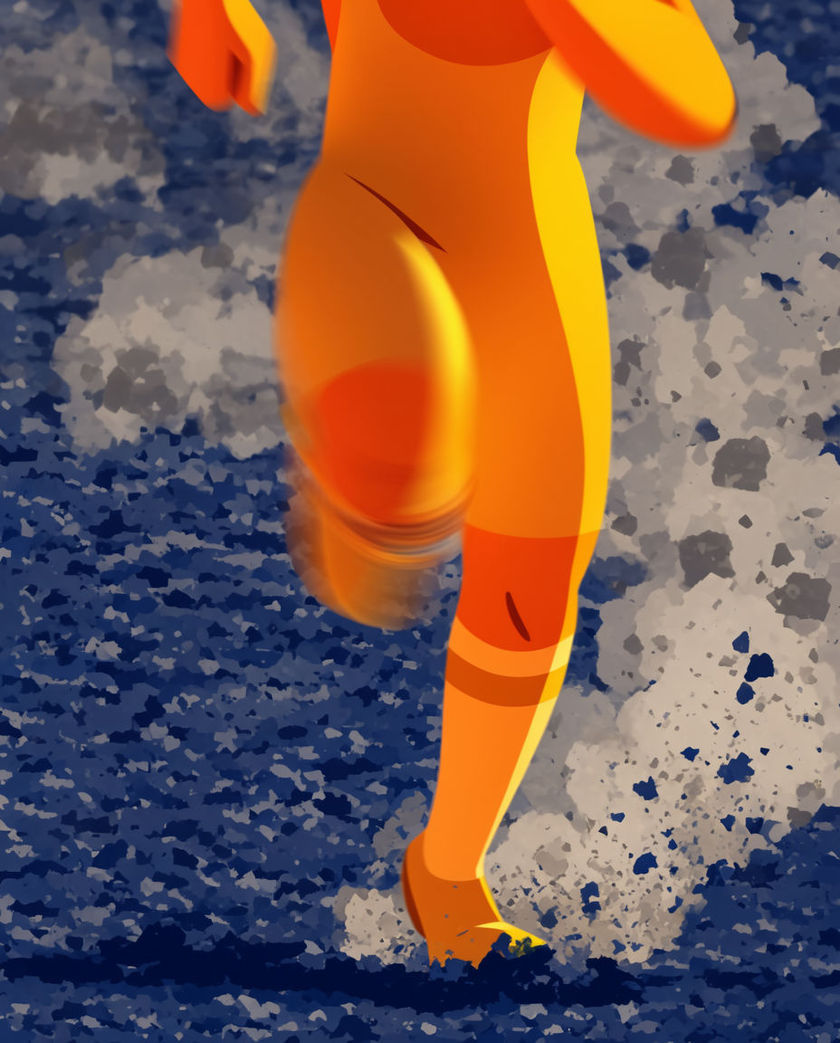
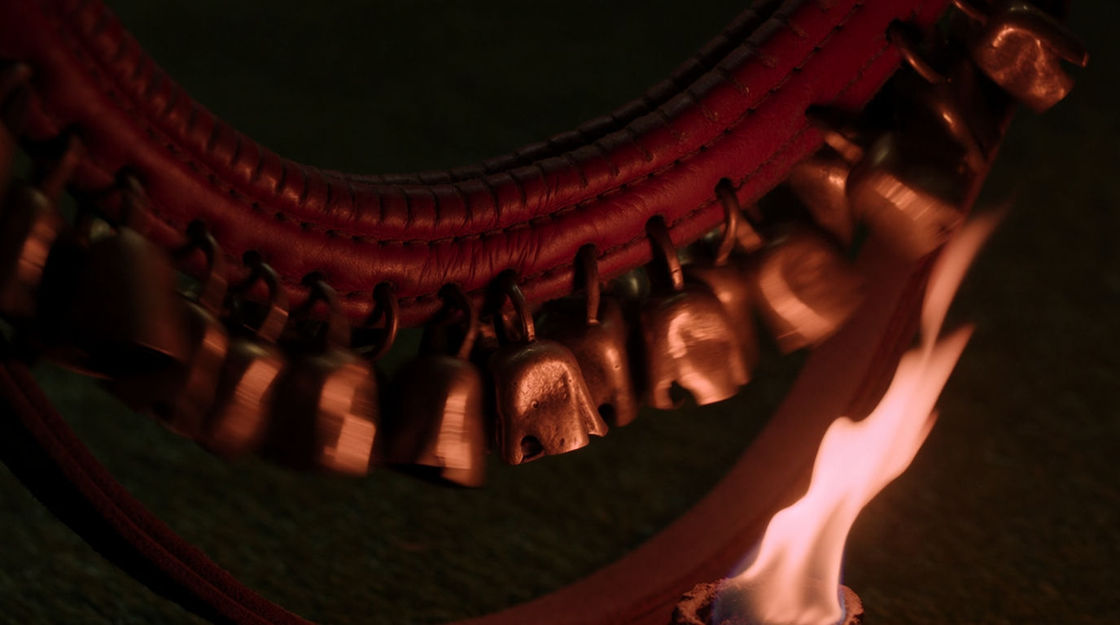
Hundreds of tiny scrapes blurred into one whir, the sound of feet turning over far faster than a body could actually move. It is the take most animation reaches for first.
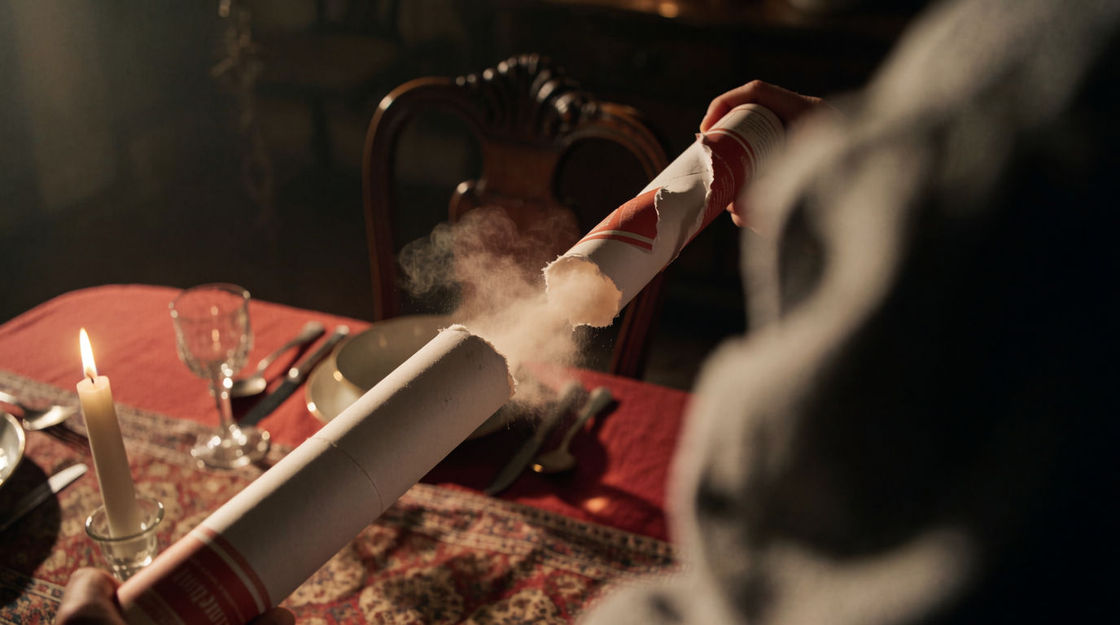
Even taps accelerating until they smear together, then thinning as the character gets away. The acceleration is what sells the effort, and no library take has it in the right place.
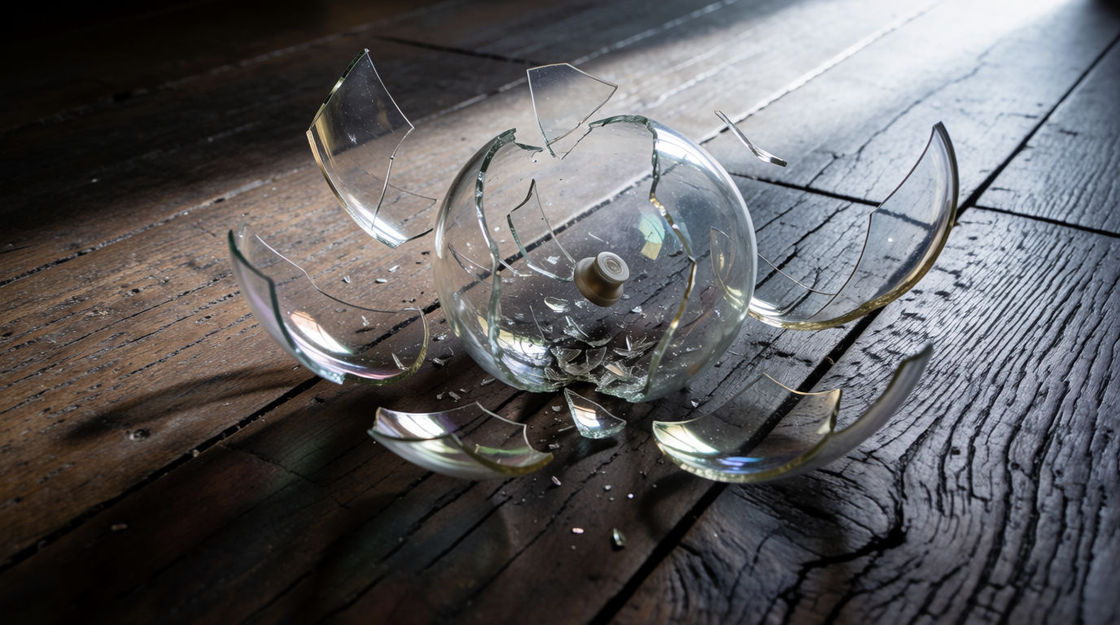
One hard scrape of a foot finally catching, then a bright rise as the body goes. Reach for it when the joke is the delay before anything actually moves.

A long rubber drag slowing to a halt with two stumbling taps on the end. Those last two taps are what turn a stop into a character rather than an edit point.
Light, high, extremely quick taps that stay quick throughout. Size lives entirely in the tap rate and pitch, so this reads as something very small without any other change.

Slow, weighty impacts with a springy rebound on each one. The bounce is what keeps a large character comic instead of threatening.
Bir başlangıç noktası seçin, dilediğiniz gibi düzenleyin ve Morphic'te oluşturun.
A scrape and a rise put the moment of departure on one exact frame. Animation, platformer games and short-form edits all need that hit to be placed rather than approximate.
Prompt'u düzenleyinFour seconds of unbroken whir carries a sequence entirely on its own. It holds a wordless gag in an animated short the same way it holds a game cutscene.
Prompt'u düzenleyin
A heavy gallop with a spring behind every landing sets a comic register in two steps. Explainer videos use it to make a large idea arrive without any menace.
Prompt'u düzenleyin
Quick high taps skittering across a floor puts a creature just out of shot that nobody has to draw or model. Audio drama gets the whole animal for one clip.
Prompt'u düzenleyin
Squeaky toy sound effects
Squeaky toy sound effects: single presses, frantic chew squeaks and airy wheezes for cartoon gags, dog clips, animated shorts and playful app moments.
Stinky sound effects
Generate stinky sound effects with AI on Morphic. Describe the sound, pick a variation, and download MP3 or WAV for your video, game or podcast.
Stretch sound effects
Generate stretch sound effects with AI on Morphic. Describe the sound, pick a variation, and download MP3 or WAV for your video, game or podcast.
Trickster sound effects
Generate trickster sound effects with AI on Morphic. Describe the sound, pick a variation, and download MP3 or WAV for your video, game or podcast.
Bugün ücretsiz başlayın, istediğiniz zaman yükseltme veya iptal etme seçeneğiyle.
Basic
2400 aylık kredi
1 yalnızca kullanıcı
Tüm modeller
Workflows
Standard
3625 aylık kredi
1 yalnızca kullanıcı
Tüm modeller
Workflows
Pro
6350 paylaşılan aylık kredi
1 kullanıcı
Tüm modeller
Workflows
Max
24650 paylaşılan aylık kredi
1 kullanıcı
Tüm modeller
Workflows
Enterprise
Daha yüksek limitler için
Özel
fiyatlandırma ve faturalandırma koşulları
Free
Denemek için
$0
kalıcı olarak ücretsiz