Emoji reaction row
A row of running emoji marks in one shared style, each in a slightly different stride, evenly spaced on a plain flat backdrop.
Editar prompt
Generate running emoji images in Morphic's Image tool by describing the pose, the energy, and the colour you want in the mark. You control the outline weight, the gloss, the palette, and the crop, so you finish with an original running emoji you can drop into a chat, a deck, or a club badge.
A row of running emoji marks in one shared style, each in a slightly different stride, evenly spaced on a plain flat backdrop.
Editar promptA running icon set laid out on a clean grid, matched line weight and palette across every mark, generous space around each shape.
Editar prompt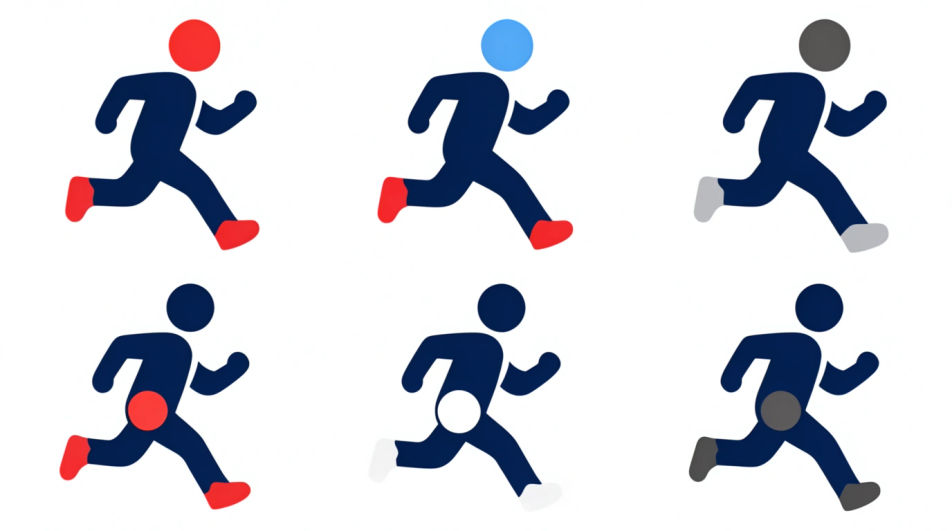
A running emoji figure repeated across the frame with growing motion streaks, warm-to-cool colour shift, energy building left to right.
Editar prompt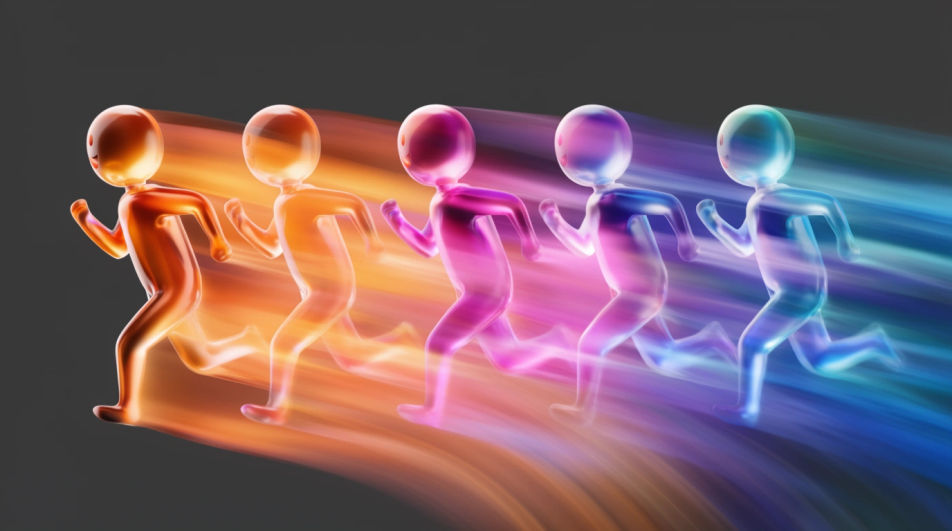
A running emoji mark placed inside a circular club badge, laurel rim and blank banner beneath it, flat muted print colours.
Editar prompt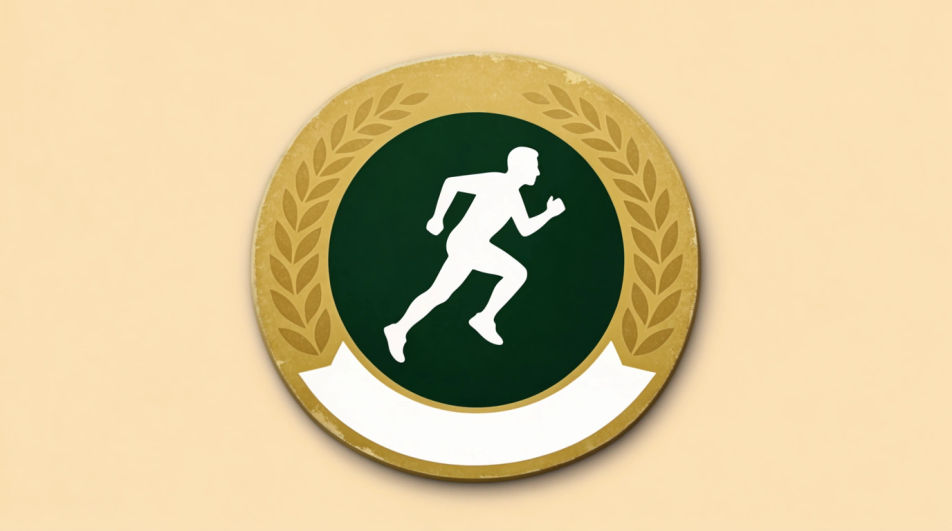
Descreva o Running Emoji que você quer, em poucas palavras.
A Morphic gera uma imagem limpa e pronta para publicar no seu Canvas em segundos.
Ajuste o prompt, gere novas variações e depois baixe ou compartilhe o quadro.
Drop in a photo of yourself. Get a 12-second cinematic movie with animation and a matched soundtrack.

Dramatize any text conversation into a cinematic multi-shot video.
Cinematic time-freeze short film for any scene
Set the look with one reference image. Apply that exact grade to any scene or batch.
Choose your viewing angles and get precise perspective shifts of any image with full camera control.
Bring back any damaged, blurry, or low-res image. Get a sharp, detailed 4K version with natural clarity restored.
Emoji design AI images
Make emoji design AI images in your browser: glossy face sets, custom reactions, outlined sticker emoji. Build a matched pack fast. Start creating.
Imagens de IA de corrida
Crie imagens de corrida com IA usando nosso gerador de imagens de corrida. Encontre imagens de corrida cinematográficas para qualquer projeto em segundos.
Standing emoji generator
Generate standing emoji images in Morphic. Describe the expression, colour and style you want, generate options, then refine the prompt and download it.
Working out drawing maker
Turn a working out drawing idea into a finished image in Morphic. Describe the line work and style, generate variations, then refine it on the canvas.
Comece grátis hoje mesmo, com a opção de fazer upgrade ou cancelar quando quiser.
Basic
2400 mensal créditos
1 apenas usuário
Todos os modelos
Workflows
Standard
3625 mensal créditos
1 apenas usuário
Todos os modelos
Workflows
Pro
6350 compartilhado mensal créditos
1 usuário
Todos os modelos
Workflows
Max
24650 compartilhado mensal créditos
1 usuário
Todos os modelos
Workflows
Enterprise
Para limites maiores
Personalizado
termos de preços e cobrança

Free
Para experimentar
$0
grátis para sempre