Punch a cut with the snap of a channel changing
A clunk and a stab of hiss make a hard join between two shots. It works as a scene change in a game menu or an animated short as readily as in a montage.
Editar prompt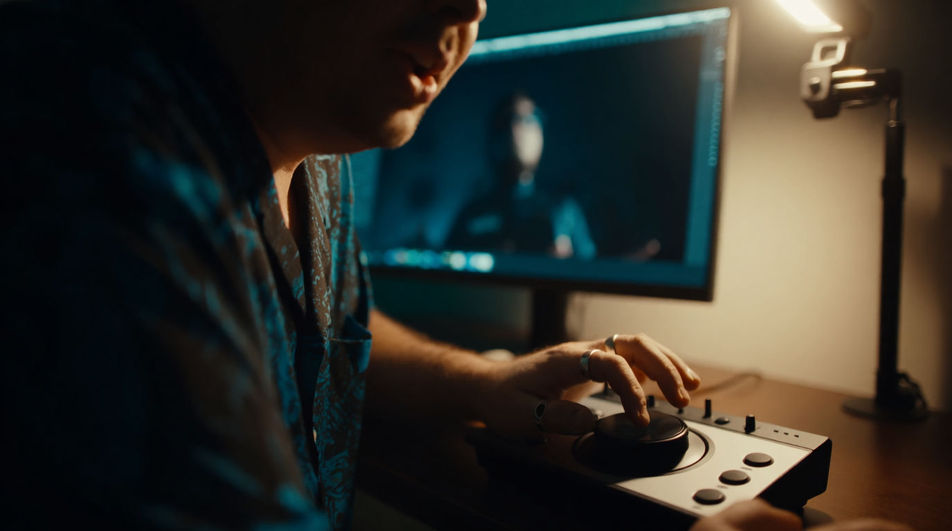
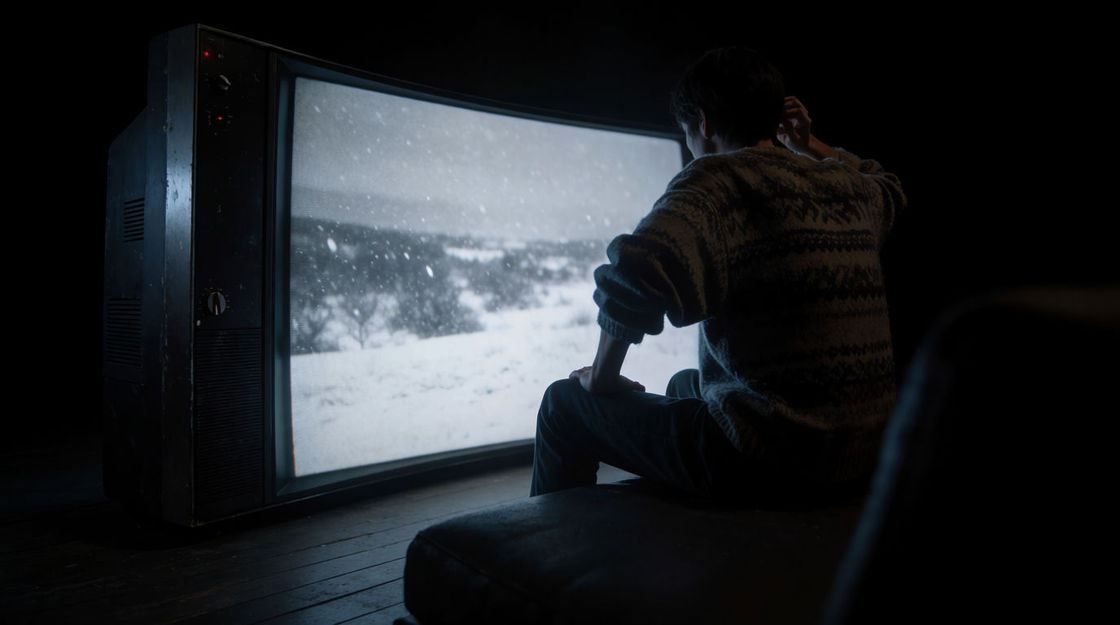
Snow on an untuned channel, the snap of a channel changing, and the thin whine an old set makes on its own. Describe the box and the noise arrives with it.
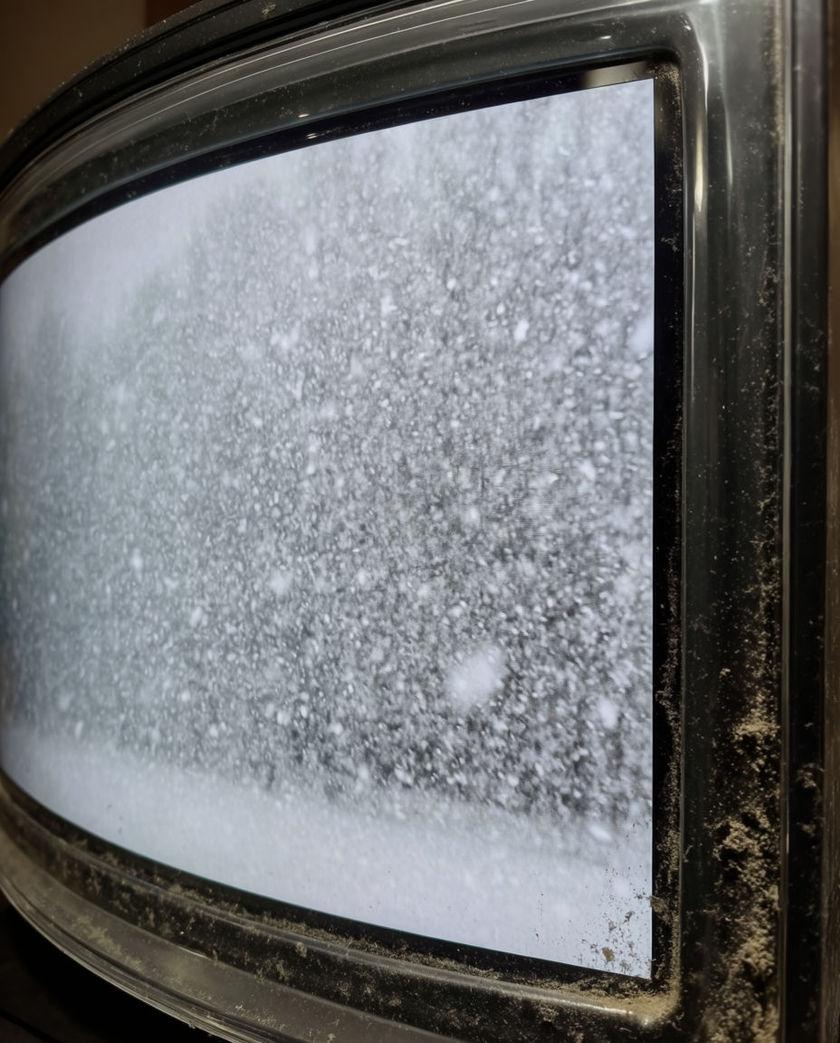

Dense grainy hiss through a small paper cone, boxy the way a set speaker makes it. This is the version most edits want, and the reason it reads as a television rather than as noise.
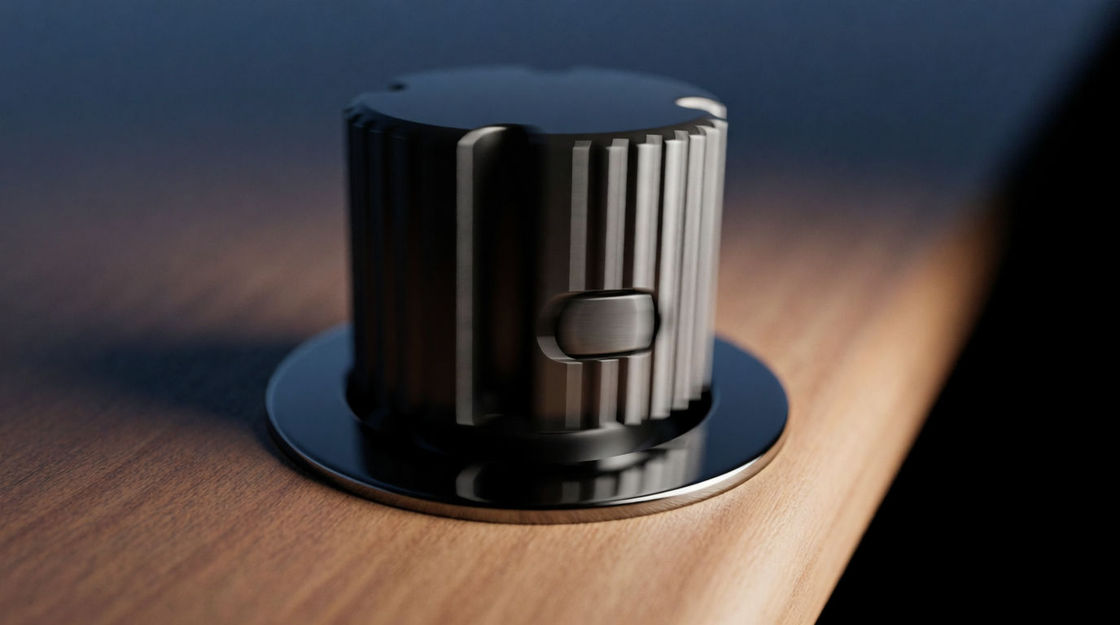
A mechanical clunk followed straight away by a stab of hiss. The clunk is what dates the scene, because a set with a dial belongs to a decade a remote does not.
A thin chirp cutting out and hiss flooding into the gap behind it. Reach for it when the point is the moment of losing the picture rather than the noise afterwards.
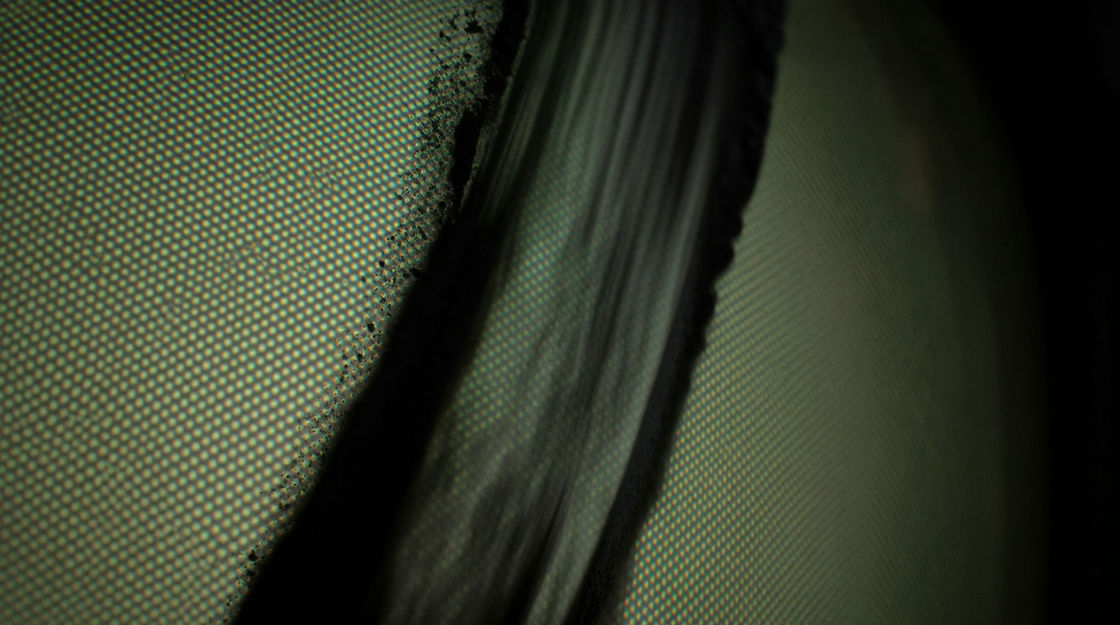
Hiss with a slow band of buzz sweeping through it, the sound that goes with a picture that will not hold still. The movement is what separates it from flat snow.

A thin high electrical tone with hiss beneath it. Most people never notice it in a room and recognise it instantly on a soundtrack, which makes it very cheap tension.
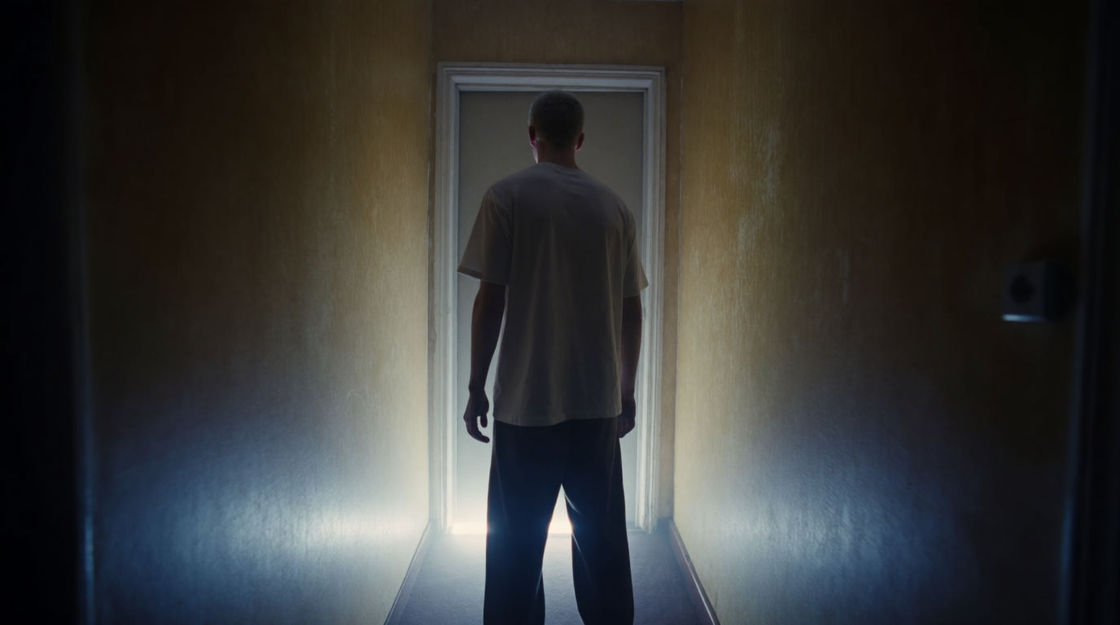
The same snow with its high edge gone, the tone dulled, and a faint short echo behind it. That colour change puts the set in the next room rather than in frame.
Escolha um ponto de partida, edite o que quiser e gere no Morphic.
A clunk and a stab of hiss make a hard join between two shots. It works as a scene change in a game menu or an animated short as readily as in a montage.
Editar promptTen seconds of snow holds an empty shot on its own. A podcast cold open, a title card or a held game screen all take it without any music underneath.
Editar prompt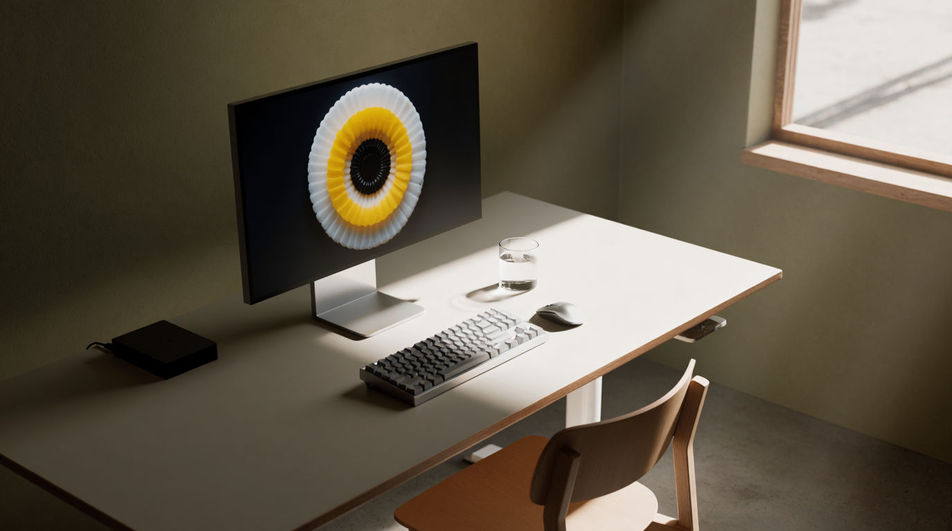
A picture tube whine puts a room decades back without a single prop change. Period animation and retro game audio lean on it for exactly the same reason.
Editar prompt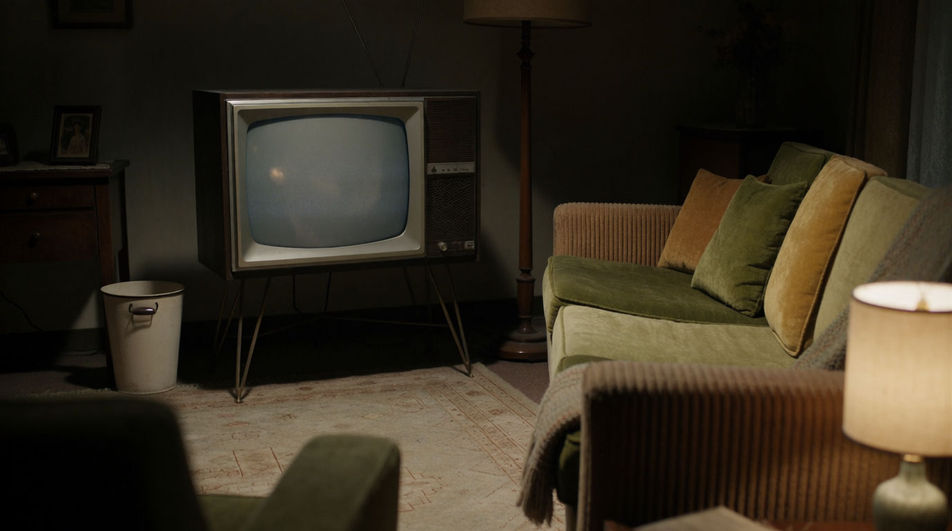
Dulled hiss with a short echo behind it builds a set, a wall and a distance for the audience. Nothing has to be on camera for the house to feel occupied.
Editar prompt
Reverse cymbal sound effects
Generate reverse cymbal sound effects with AI on Morphic. Describe the sound, pick a variation, and download MP3 or WAV for your video, game or podcast.
Reverse sound effect
Need a reverse sound effect timed to your cut? Morphic generates the swell to length, so the transition sits cleanly in your timeline.
Rewind sound effect
Morphic creates rewind sound effects from a prompt. Match the length to your own edit instead of stretching a stock file until it fits the gap.
Riser sound effect
Generate riser sound effects with Morphic. Set how long the climb runs and how hard it pushes, so the build peaks exactly on your cut point.
Comece grátis hoje mesmo, com a opção de fazer upgrade ou cancelar quando quiser.
Basic
2400 mensal créditos
1 apenas usuário
Todos os modelos
Workflows
Standard
3625 mensal créditos
1 apenas usuário
Todos os modelos
Workflows
Pro
6350 compartilhado mensal créditos
1 usuário
Todos os modelos
Workflows
Max
24650 compartilhado mensal créditos
1 usuário
Todos os modelos
Workflows
Enterprise
Para limites maiores
Personalizado
termos de preços e cobrança

Free
Para experimentar
$0
grátis para sempre