Mark where the joke was
A standard burst starts and stops cleanly on the frame, telling an audience a line was the punchline whether or not it was.
Edit prompt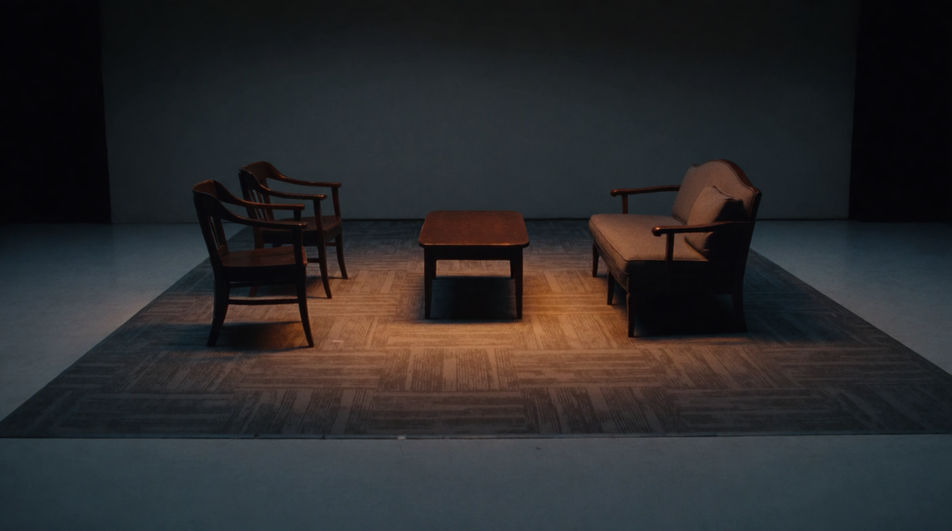
The canned audience that tells you where the joke was. Sitcom laughter is supposed to sound artificial, and these lean into it rather than hiding it.


A medium audience starting and stopping cleanly. The clean edges are the tell, and they are supposed to be.

A large audience with scattered whoops, swelling then settling. Reserved for the line the episode was built around.

Brief and low with no real energy. It marks a line as a joke without claiming it was a good one.

One isolated cough and nothing else. The absence of a laugh where one belongs is a stronger joke than any laugh.

A sympathetic group sigh rather than a laugh. Sitcoms use it constantly and almost nobody thinks to look for it.

Laughter rolling into applause. It closes a scene rather than punctuating a line, which is a different job.
Pilih titik awal, ubah sesukamu, lalu buat di Morphic.
A standard burst starts and stops cleanly on the frame, telling an audience a line was the punchline whether or not it was.
Edit promptApplause continuing after the laughter closes a scene, which is why sitcoms use it before a cut to titles.
Edit prompt
A single cough where a laugh belongs is funnier than any laugh, because the absence is the comment.
Edit prompt
An aww is the other half of the device. It instructs sympathy the way a laugh instructs amusement, and it works just as bluntly.
Edit prompt
Laughing sound effects
Generate laughing sound effects with Morphic. Describe the age, intensity, and room you need and get a usable take in seconds.
Lets go sound effects
Generate lets go sound effects with AI on Morphic. Describe the sound, pick a variation, and download MP3 or WAV for your video, game or podcast.
Loud burp sound effects
Generate loud burp sound effects with AI on Morphic. Describe the sound, pick a variation, and download MP3 or WAV for your video, game or podcast.
Mad sound effects
Generate mad sound effects with AI on Morphic. Describe the sound, pick a variation, and download MP3 or WAV for your video, game or podcast.
Mulai gratis hari ini, dengan opsi untuk upgrade atau membatalkan kapan saja.
Basic
2400 bulanan kredit
1 pengguna saja
Semua model
Workflows
Standard
3625 bulanan kredit
1 pengguna saja
Semua model
Workflows
Pro
6350 bersama bulanan kredit
1 pengguna
Semua model
Workflows
Max
24650 bersama bulanan kredit
1 pengguna
Semua model
Workflows
Enterprise
Untuk batas yang lebih tinggi
Khusus
ketentuan harga dan penagihan

Free
Untuk bereksperimen
$0
gratis selamanya