Land the moment the animal turns on somebody
A jaw snap has one hard front edge, so it hits the frame you put it on. That precision matters as much in a boss encounter or an animated short as it does on film.
Edit prompt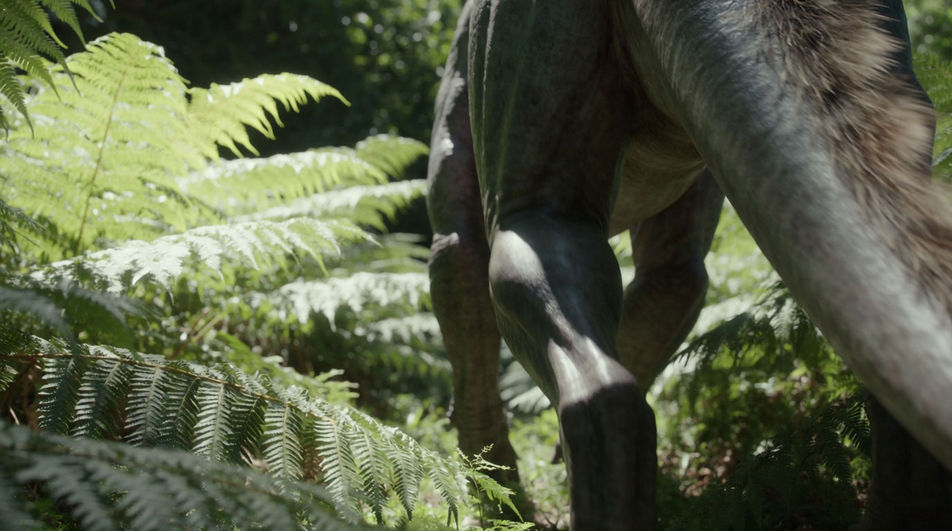
No recording of this animal exists, so the roar has to be built. Describe the chest, the rattle and the scream on top, and Morphic assembles the creature your scene needs.
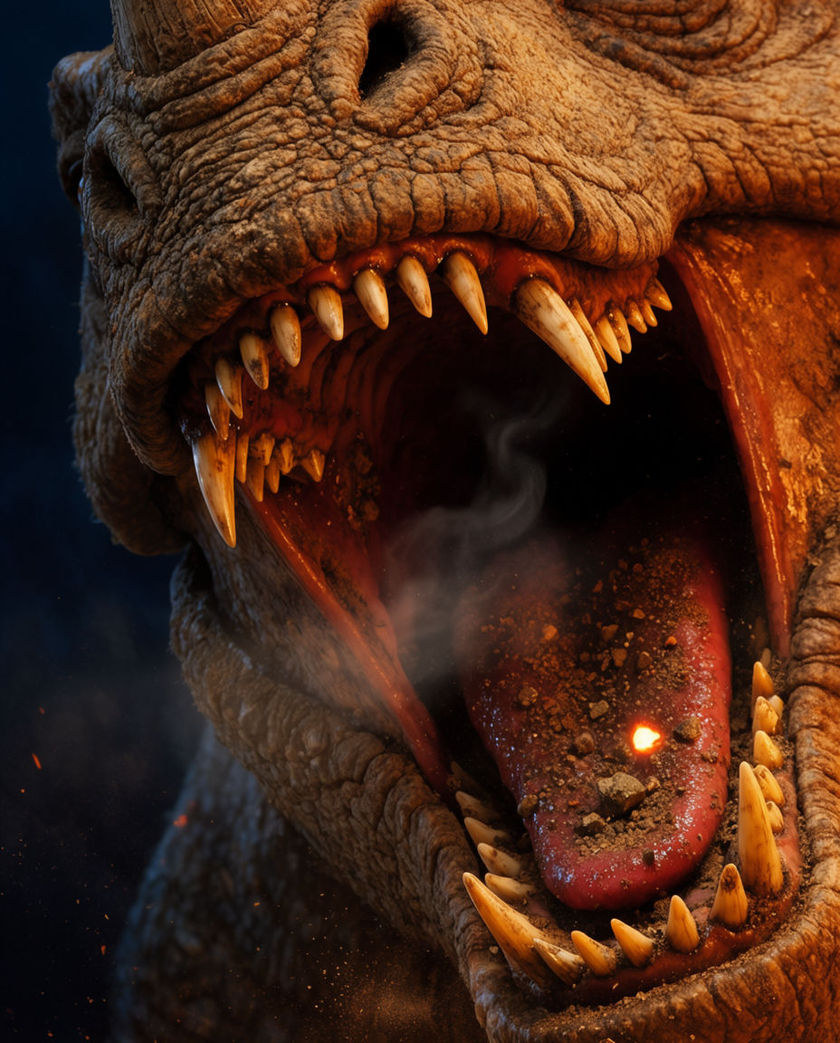
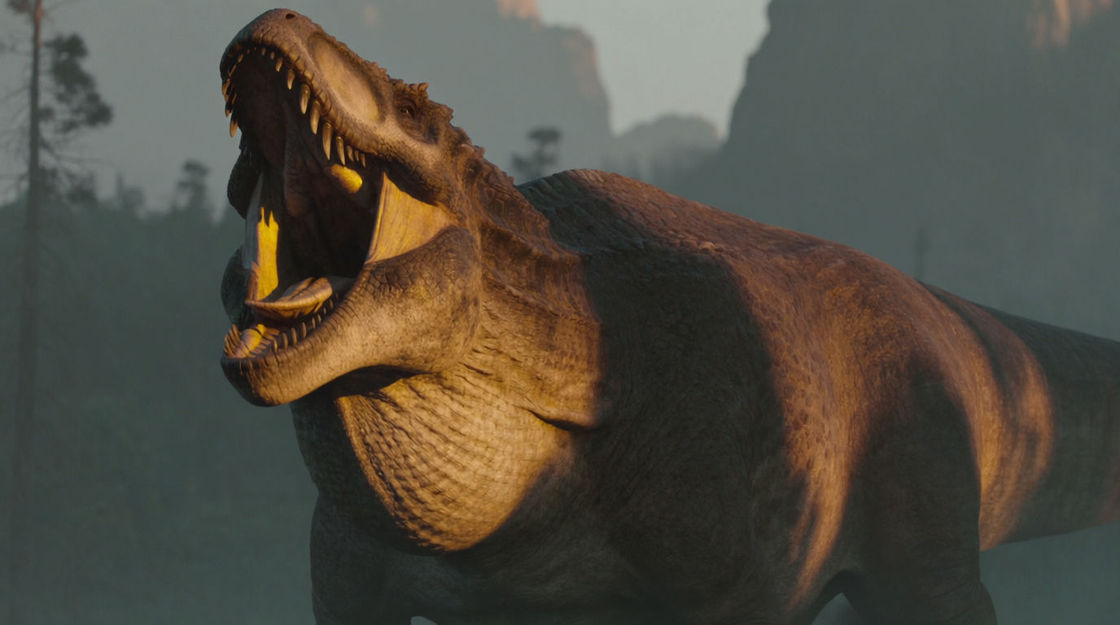
The complete call, driven from the chest and opening out before it falls away. This is the take most shots want, because the whole animal is audible in it rather than just the mouth.
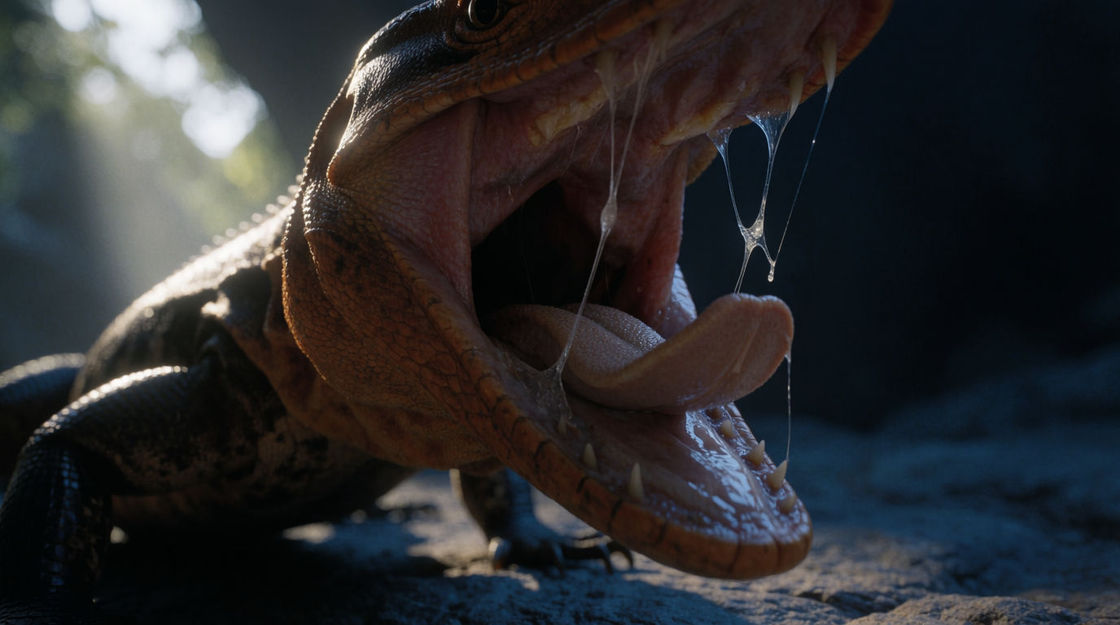
A bright, strained shriek sitting on top of the low tone. Reach for it when the creature is close enough to fill the frame, since the high band is the part that reads as danger at that range.
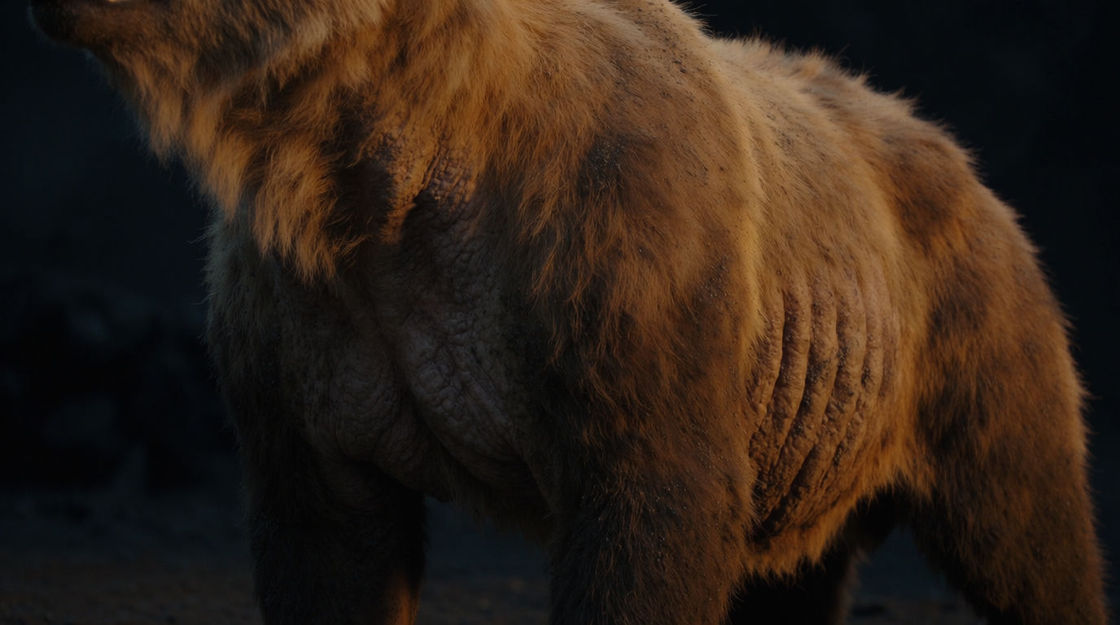
Ten unbroken seconds of grinding low vibration with no call in it at all. It is the sound of the animal deciding, and it holds a shot for far longer than a roar can.
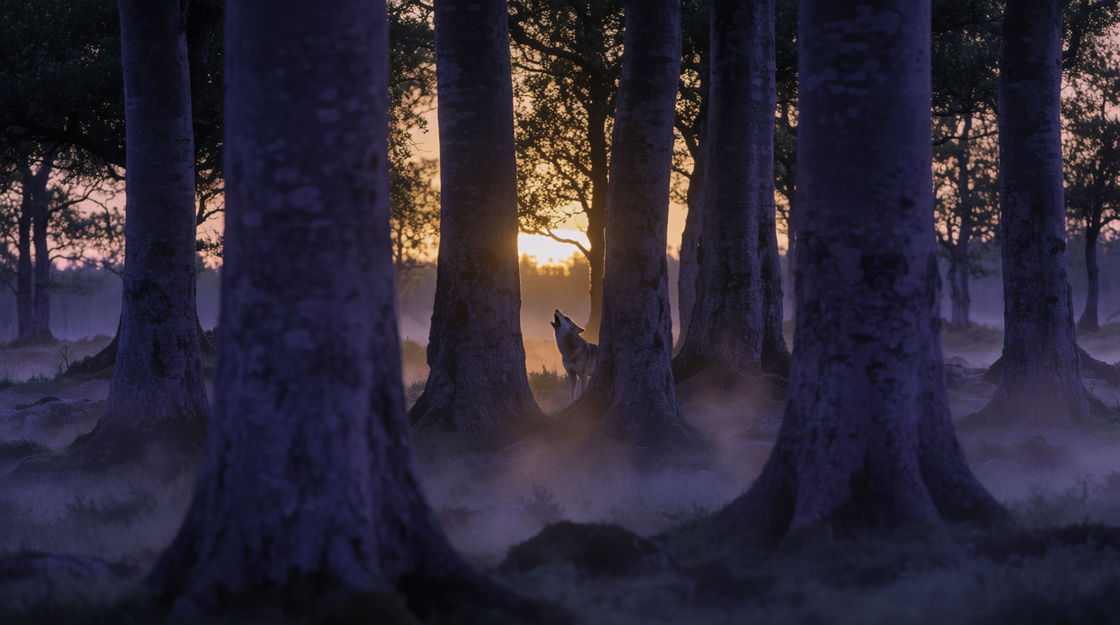
The same call with the top edge stripped off and a short return behind it. Distance written into the tone stays audible under dialogue, where a quiet take simply vanishes.
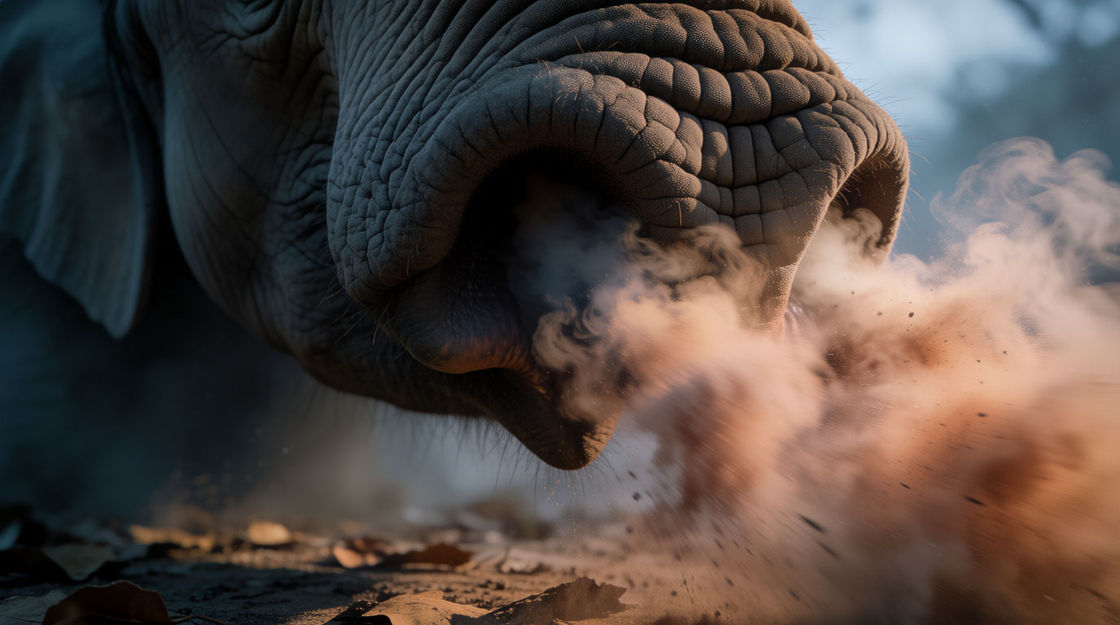
Three slow wet exhales shifting a huge volume of air, with a throat rattle behind them. Breath is what makes a creature alive between its roars, and almost no pack ships it.
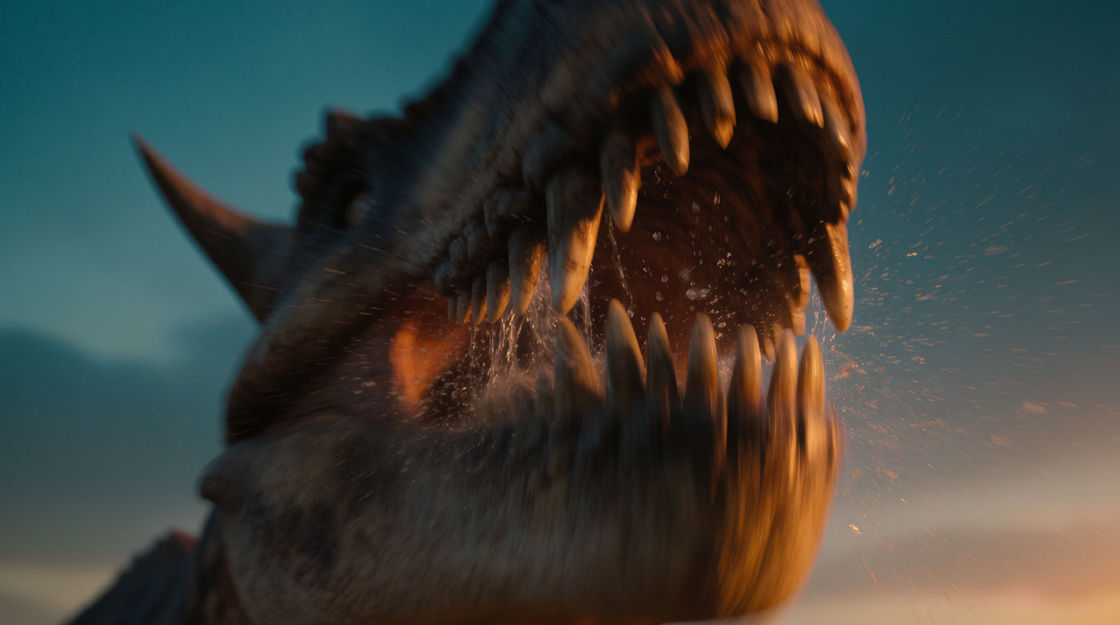
A single heavy clack with teeth rattling after it. It gives an editor a hard frame to cut on, which a six-second bellow never does on its own.
Pilih titik awal, ubah sesukamu, lalu buat di Morphic.
A jaw snap has one hard front edge, so it hits the frame you put it on. That precision matters as much in a boss encounter or an animated short as it does on film.
Edit promptTen seconds of grinding chest rumble carries a still landscape on its own. It does the same work under a slow game reveal or a narrated podcast segment.
Edit prompt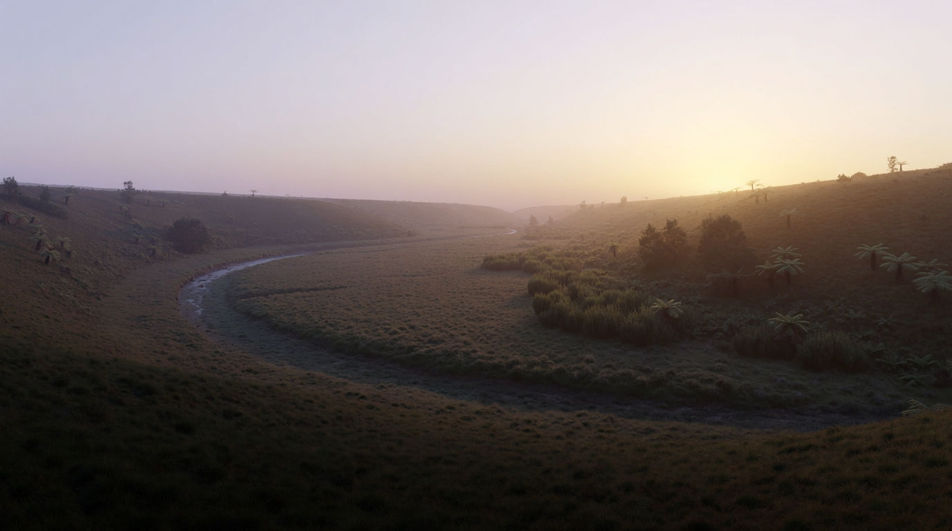
One full bellow places a scene in deep prehistory before a title card can. Games and animation use it the same way, to size a world in a couple of seconds.
Edit prompt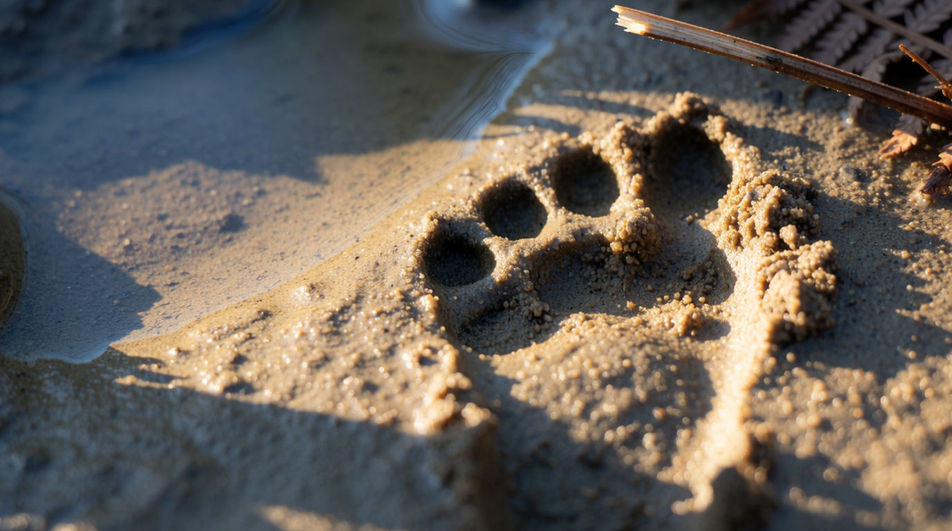
A dulled bellow with a faint return puts something enormous past the treeline that nobody has to model or render. Audio drama gets the whole animal for one clip.
Edit prompt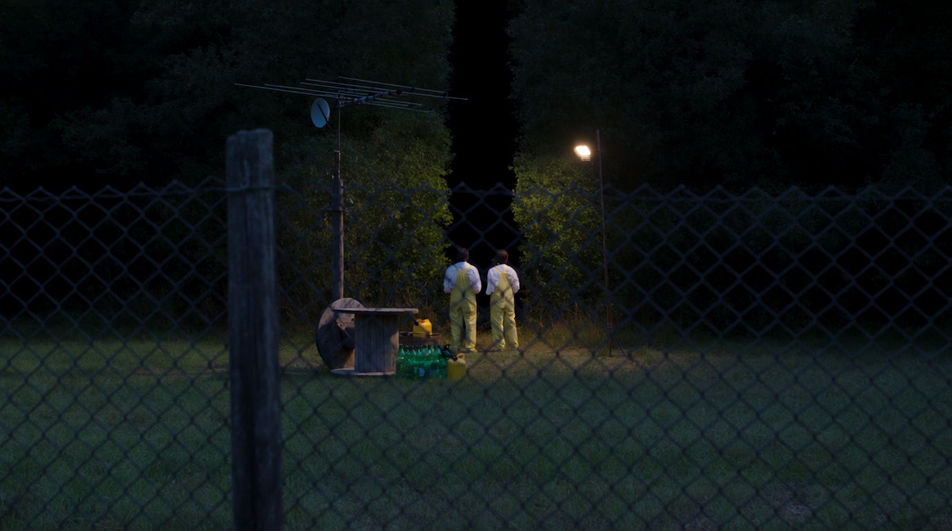
Seagull sound effects
Need seagull sound effects that fit the shot? Morphic generates them on demand, so you get the right call at the right distance every time.
Seal sound effects
Generate seal sound effects with AI on Morphic. Describe the sound, pick a variation, and download MP3 or WAV for your video, game or podcast.
Shark sound effects
Generate shark sound effects with AI on Morphic. Describe the sound, pick a variation, and download MP3 or WAV for your video, game or podcast.
Sheep sound effects
Generate sheep sound effects with Morphic. Describe the call, the age of the animal, and how close it stands, then drop a clean file into your edit.
Mulai gratis hari ini, dengan opsi untuk upgrade atau membatalkan kapan saja.
Basic
2400 bulanan kredit
1 pengguna saja
Semua model
Workflows
Standard
3625 bulanan kredit
1 pengguna saja
Semua model
Workflows
Pro
6350 bersama bulanan kredit
1 pengguna
Semua model
Workflows
Max
24650 bersama bulanan kredit
1 pengguna
Semua model
Workflows
Enterprise
Untuk batas yang lebih tinggi
Khusus
ketentuan harga dan penagihan

Free
Untuk bereksperimen
$0
gratis selamanya