ギリシャ陶器アートのAI画像
Morphicのギリシャ陶器アートAI画像ジェネレーターで、ブラウザの中でギリシャ陶器アートをデザインしましょう。黒絵式アンフォラの戦闘や赤絵式クラテルの饗宴を生成し、Style Transferで光沢のある黒地を揃えて、Image to Videoで展示用のリールに仕上げられます。
描けるギリシャ陶器アートの人物
描けるギリシャ陶器アートの構図
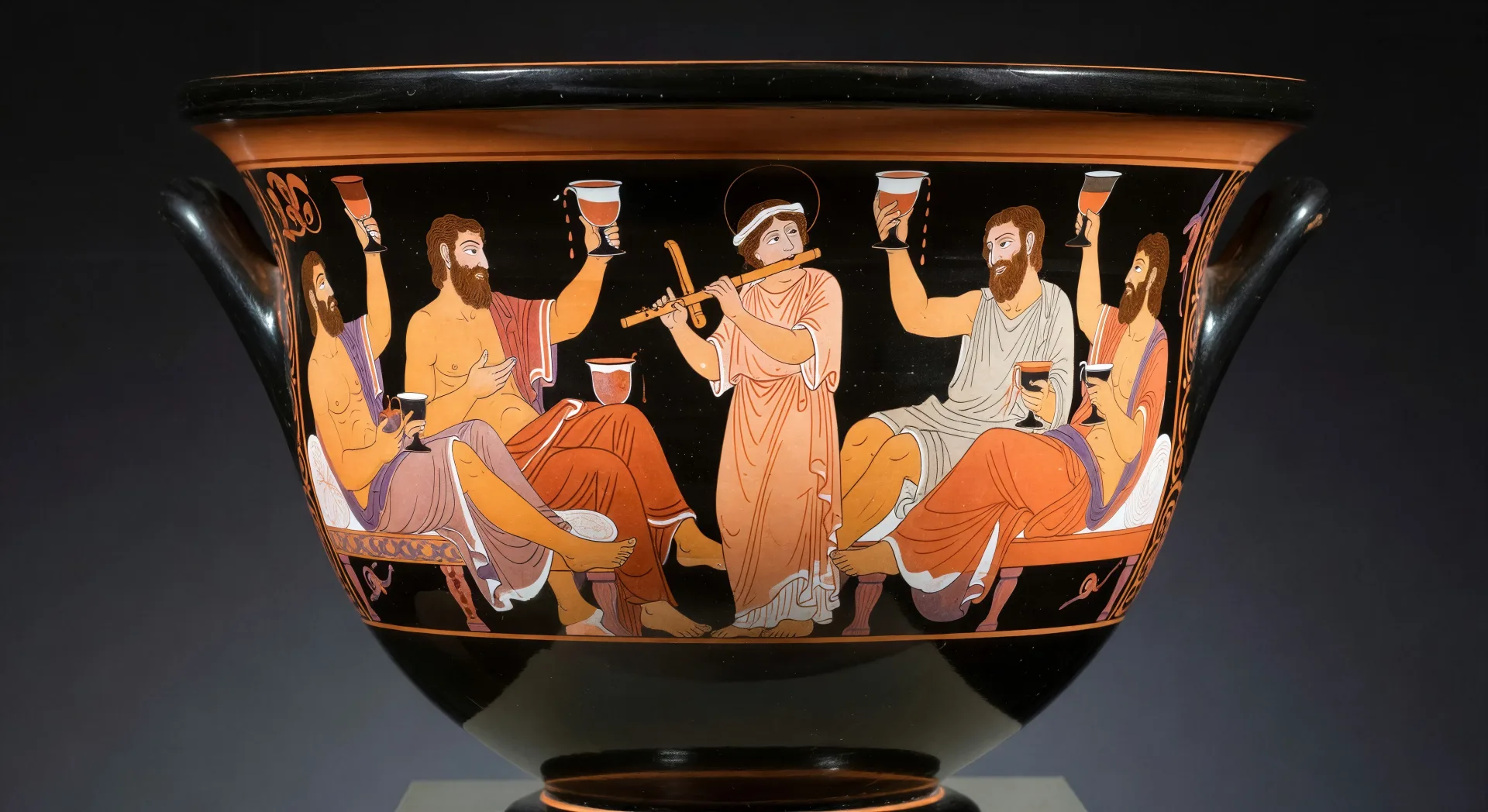
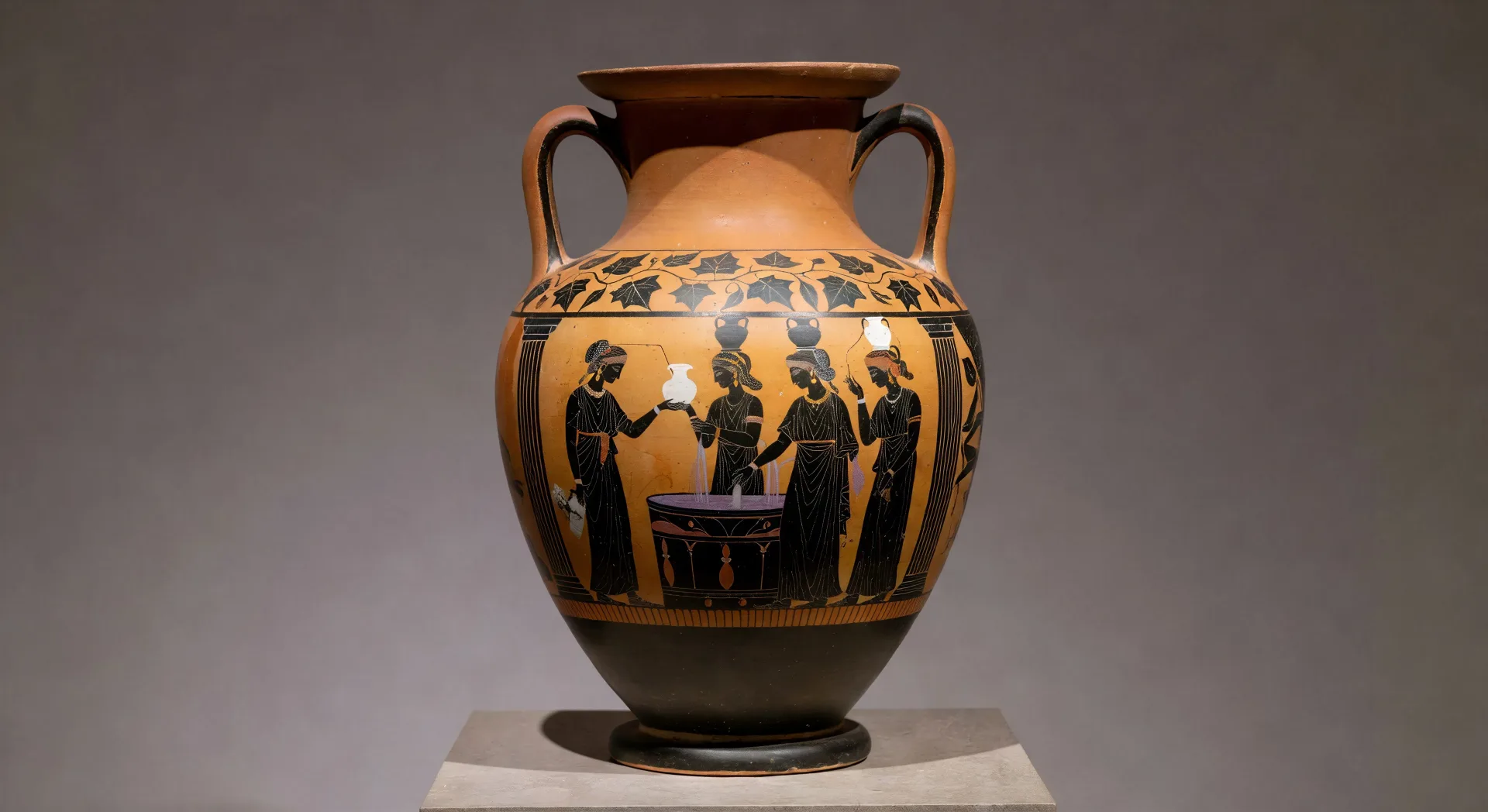
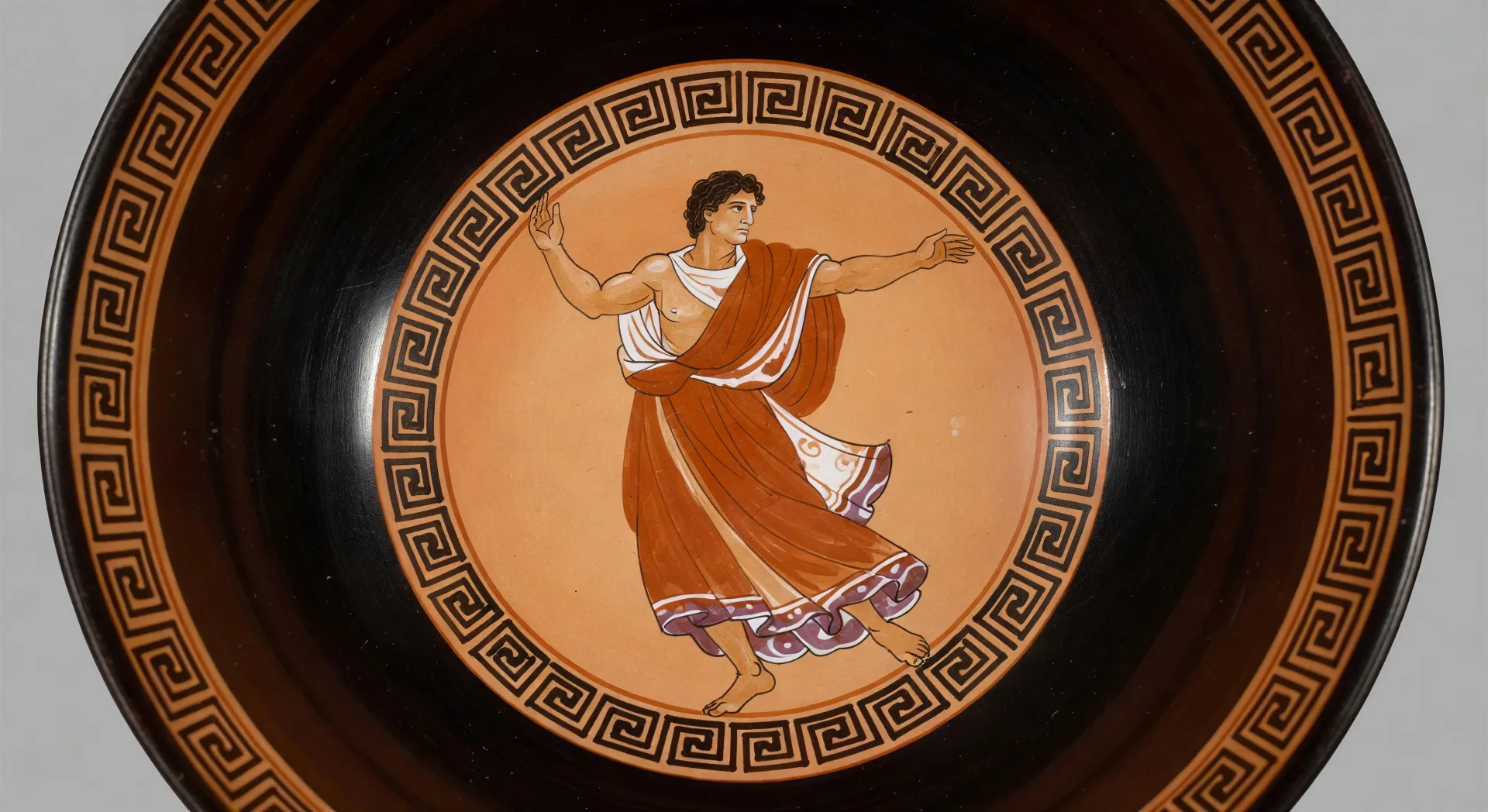
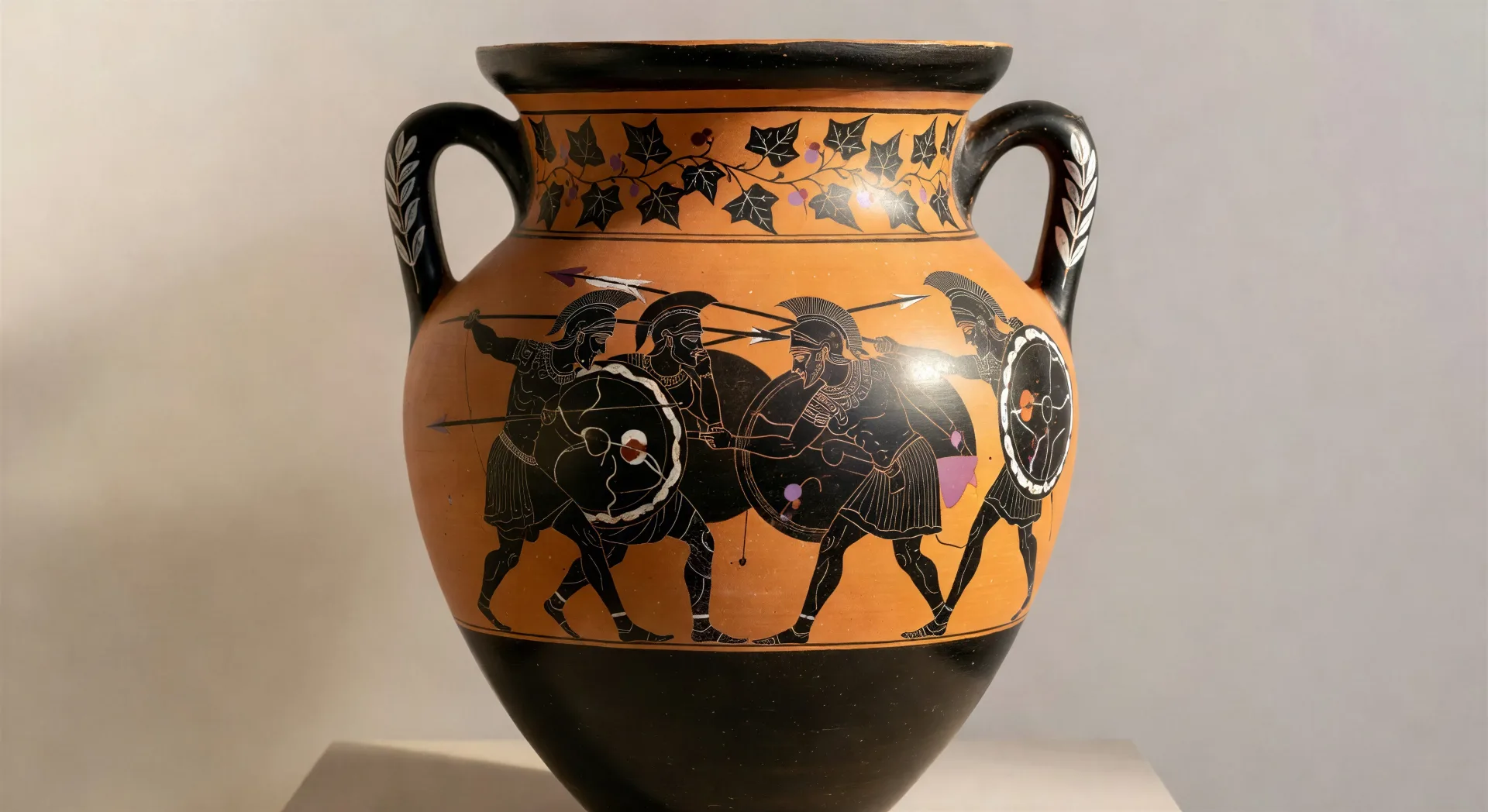
ギリシャ陶器アートを3ステップで作成
- 一
画像を記述
作りたいギリシャ陶器アートを、わかりやすい言葉で記述します。
- 二
画像を生成
Morphicがキャンバス上に公開できる画像を数秒で生成します。
- 三
仕上げて共有
プロンプトを調整して再生成し、気に入った画像を保存・共有します。
アートスタイル転送
参照画像を選択し、そのビジュアルスタイルを自分の写真やアートワークに適用します。
このワークフローを試す
アスペクト比
画像を新しいアスペクト比に変換します。スマートクロップまたはエッジを拡張してフィットさせます。
このワークフローを試す
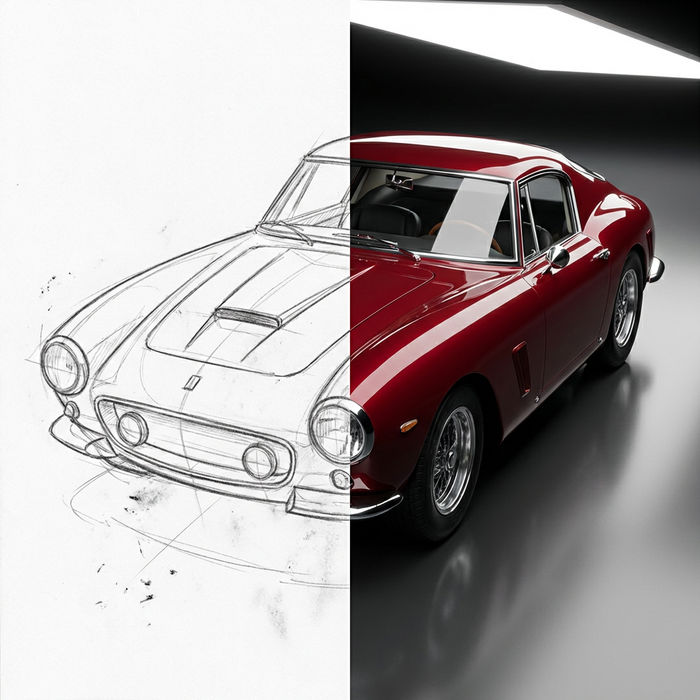
レンダリング用のスケッチ
スケッチや描画をレンダリング済みの完成品に変換します。
このワークフローを試す
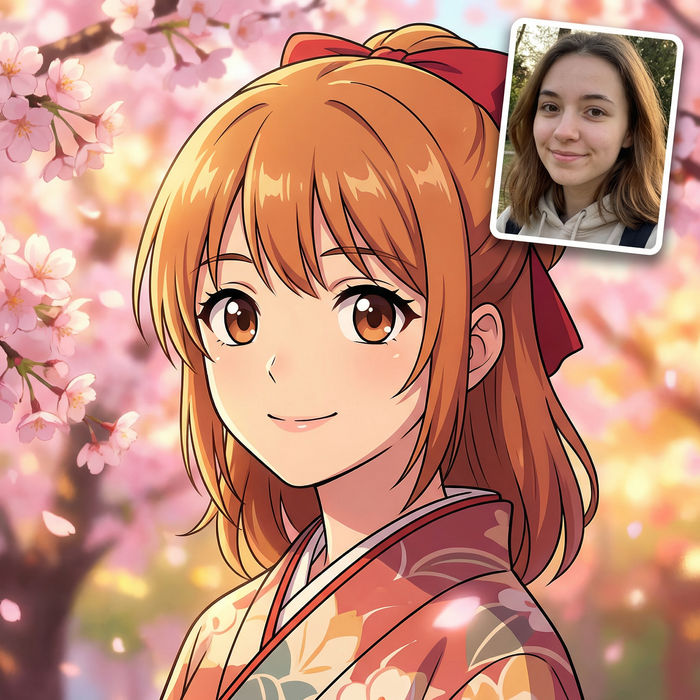
アニメ スタイル トランスファー
アニメのイラストをスタイルガイドとして選び、その見た目を画像に適用してください。
このワークフローを試す
ビデオスタイル変換
あらゆる映像を全く新しいビジュアルスタイルに再構築します。全てのフレームが変容し、全ての動きはそのまま維持されます。
このワークフローを試す
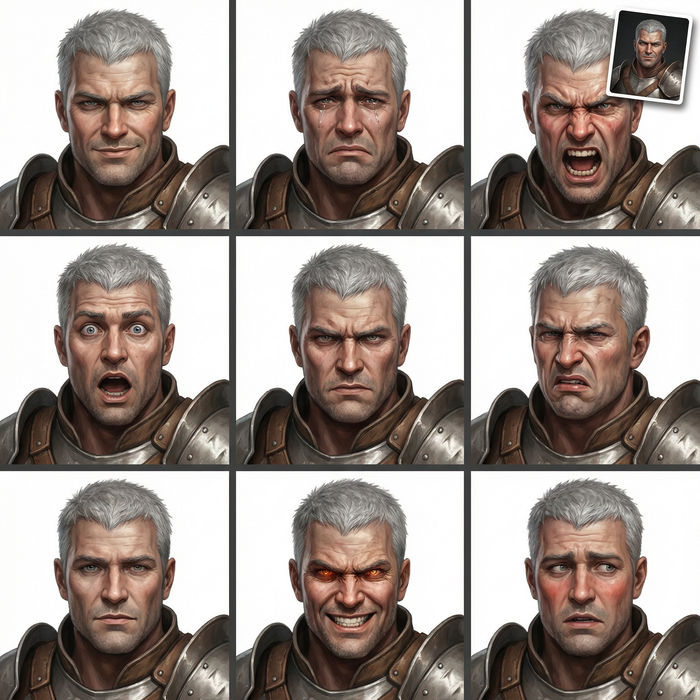
表情
任意のキャラクター画像を元に、1枚のリファレンスシートに6つの異なる表情を生成します。
このワークフローを試す
こちらもおすすめ
古代ギリシャ美術のAI画像
Morphicで古代ギリシャ美術を制作。大理石彫刻、フレスコ、モザイク、建築レリーフのすべてを、平易な言葉のプロンプトから生成します。古典世界の視覚言語を演出しましょう。
コミックブックAI画像
Morphicでコミックブックのパネル、キャラデザイン、フルページを制作。スプラッシュページ、アクションシーケンス、分解した「ビート」、インディ風のスタイルを一度のプロンプトから生成します。
漫画AI画像
Morphicで漫画コマ、キャラクターデザイン、フルページを作成。少年・少女・青年・日常系のスタイルを一度のプロンプトから生成します。
ハイパーリアリズム絵画の AI アート
Morphic でハイパーリアリズム絵画アートを制作。誇張された肌の毛穴、水滴、汗、布の織り目、ガラスのような表面、臨床的に均一な光を、ひとつのプロンプトから生み出します。
シンプルな料金体系
今すぐ無料で始めて、いつでもアップグレードまたはキャンセルできます。
Basic
$19/ 月
請求額は $0 年2400 月 クレジット
1 ユーザーのみ
すべてのモデル
ワークフロー
Standard
$24/ 月
請求額は $0 年3625 月 クレジット
1 ユーザーのみ
すべてのモデル
ワークフロー
Pro
$45/ 月
請求額は $0 年6350 共有 月 クレジット
1 ユーザー
+ 最大 4 名まで追加費用
すべてのモデル
ワークフロー
Max
$170/ 月
請求額は $0 年24650 共有 月 クレジット
1 ユーザー
+ 最大 9 名まで追加費用
すべてのモデル
ワークフロー
Enterprise
より高い制限のために
カスタム
料金と請求条件
大容量クレジット
カスタムシート制限
すべてのモデル
ワークフロー

Free
気軽に試したい方に
$0
ずっと無料
最大20クレジット
1ユーザーのみ
一部のモデル
ワークフロー
よくある質問
AIでギリシャ陶器アートはどこで作れますか?
ギリシャ陶器アートはMorphicのブラウザ上で直接作成できます。Imageツールを開き、技法と器形を人物や構図とともに書き出せば、Morphicが壺絵を生成します。インストールも専門ソフトも不要です。
どんなギリシャ陶器の技法を生成できますか?
正統な四つの技法すべてです。黒絵式(黒い化粧土に線刻で細部を入れた人物)、赤絵式(自然なテラコッタのまま残し筆で細部を描き光沢のある黒地にした人物)、白地式(多くは多色の上塗りを施した葬礼用のレキュトス)、幾何学様式(初期の様式化された人物と雷文の縁取り)。プロンプトの冒頭で技法を指定すれば、Morphicが適切な化粧土とパレットを選びます。
正しい器形を得るにはどうすればいいですか?
形を直接指定します。胴に物語を巻きつける両把手の貯蔵壺ならアンフォラ、口の広い混酒器ならクラテル、三把手の水瓶ならヒュドリア、内部にトンドを描く浅い飲杯ならキュリクス、細身の油瓶ならレキュトス。それぞれの形が文脈と既定の場面の規模を示します。
ギリシャ陶器アートの良いプロンプトはどう書きますか?
技法、器形、人物や構図、縁取りの帯を指定します。例えば「ホプリテスの戦闘場面の黒絵式アンフォラ、口縁に蔦文の帯、把手にパルメット、光沢のある黒いシルエットを通してテラコッタが輝く」。技法と形を指定することが、ギリシャ陶器のプロンプトを一般的な神話の挿絵と分ける点です。
正しいパレットと化粧土の効果を生成できますか?
はい。正統なパレットはテラコッタのオレンジ、光沢のある黒、不透明な白、紫がかった赤、時に金の細部です。時代に忠実な見た目には「鉄分の多いアテナイの土が化粧土を通して輝く」、後期の技法には「赤絵式の細部に薄めた化粧土の筆致」、葬礼用のレキュトスには「白い化粧土の地」と添えてください。
このアートを作るのにギリシャ陶器の予備知識は必要ですか?
いいえ。Morphicはブラウザ上で動き、平易な言葉のプロンプトで指示します。二つの人物技法(黒絵式、赤絵式)と五つの一般的な器形(アンフォラ、クラテル、ヒュドリア、キュリクス、レキュトス)を少し読んでおくと、より具体的なプロンプトを書く助けになりますが必須ではありません。