Photoreal portrait


Editorial headshot of a 35-year-old architect, natural window light, charcoal turtleneck, neutral grey background, shallow depth of field, 35mm photography.
E-commerce product photo
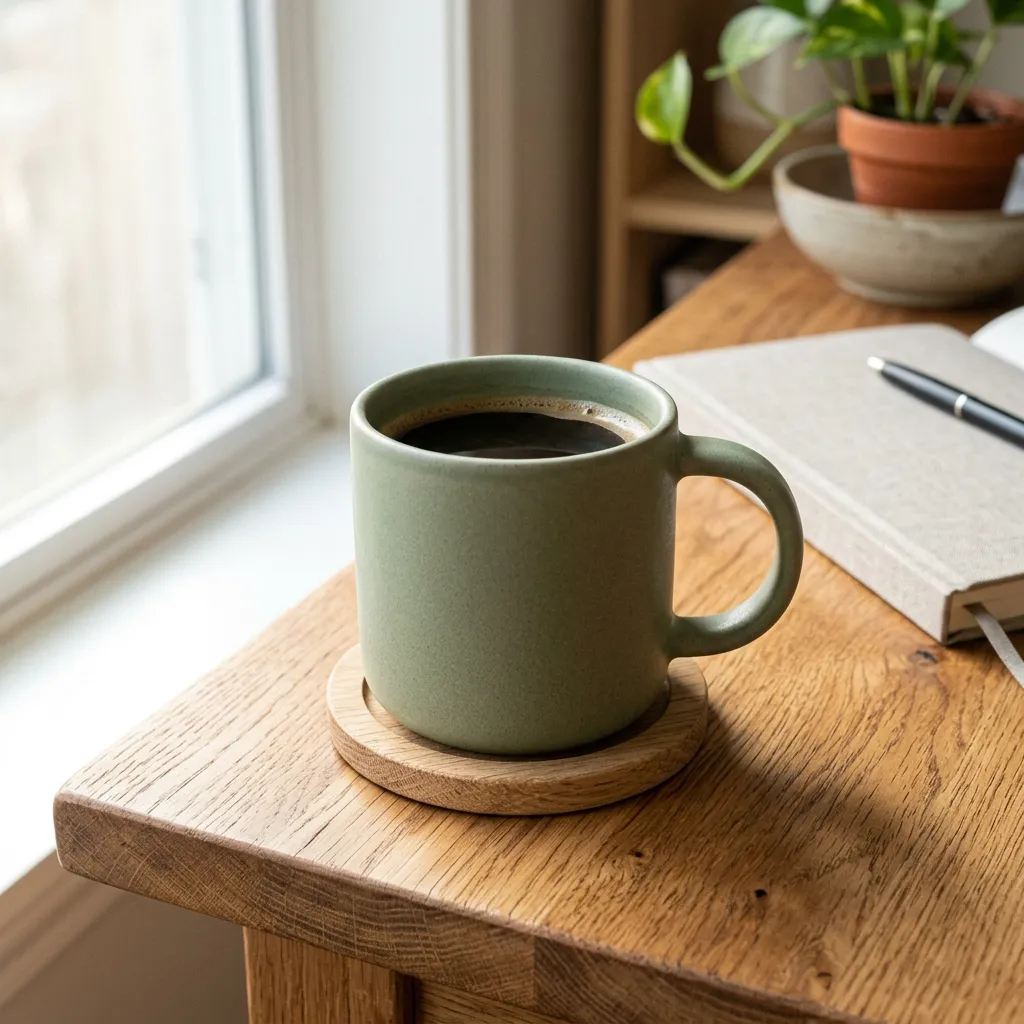

Matte ceramic coffee mug on an oak desk, morning light from the left, soft shadow, minimalist styling, top-front three-quarter angle, 4K product photography.
Text-heavy movie poster
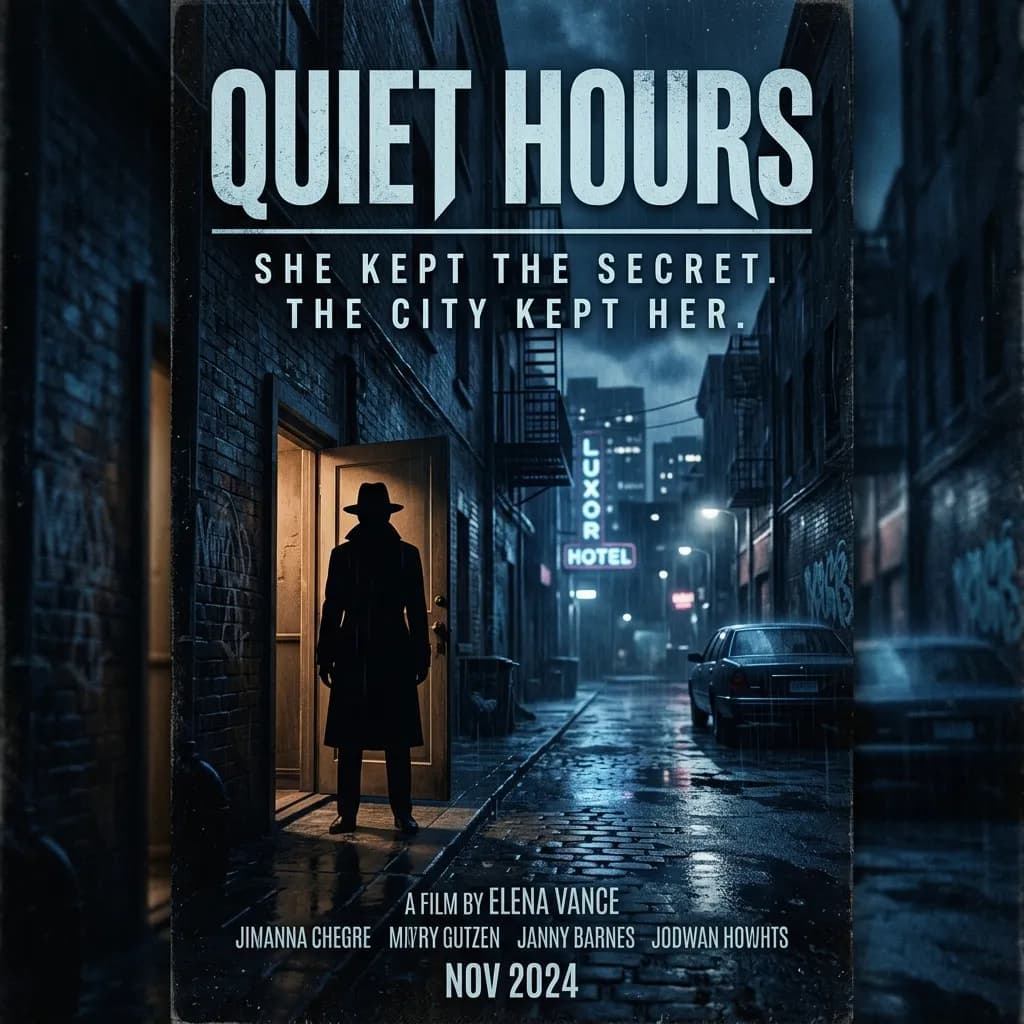
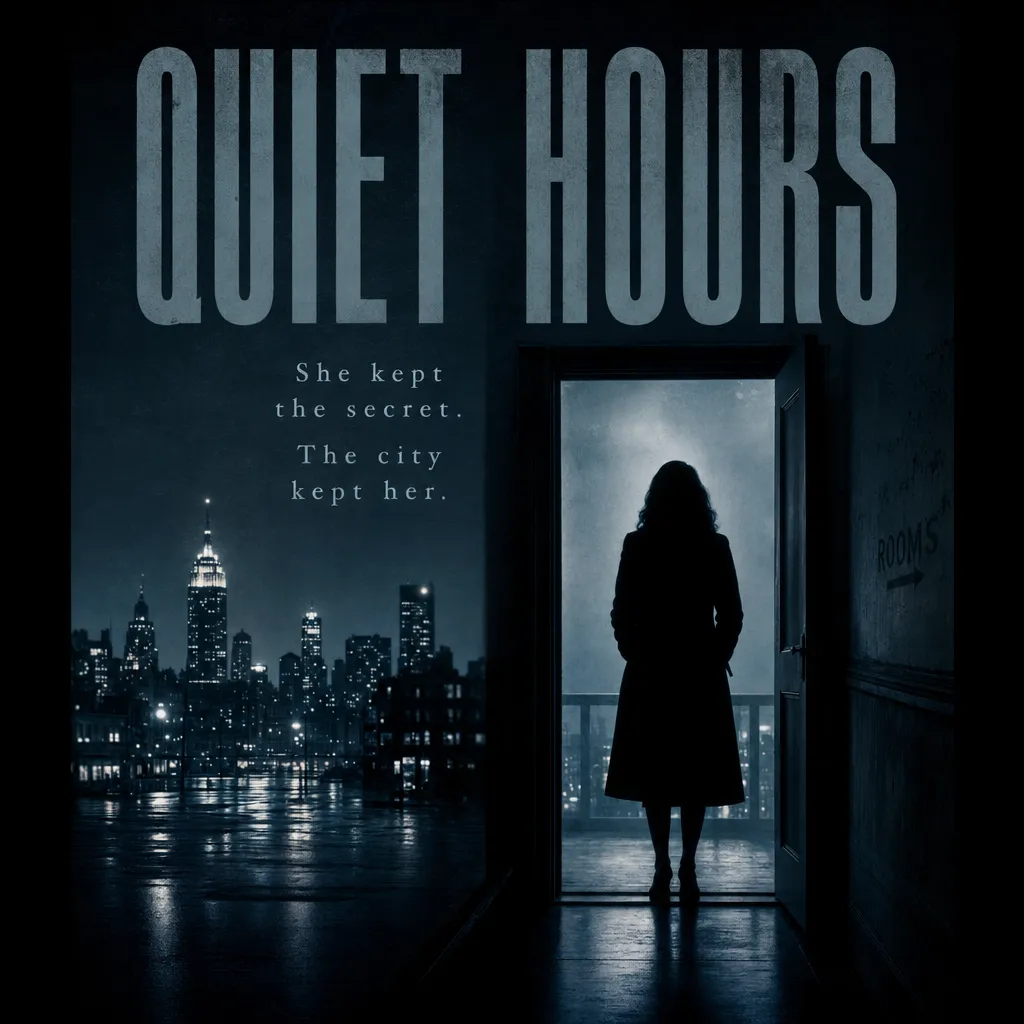
Movie poster for a film called "Quiet Hours," neo-noir aesthetic, large title at top, three-line tagline below reading "She kept the secret. The city kept her.", single silhouette of a figure in a doorway, muted blue palette.
Multilingual signage
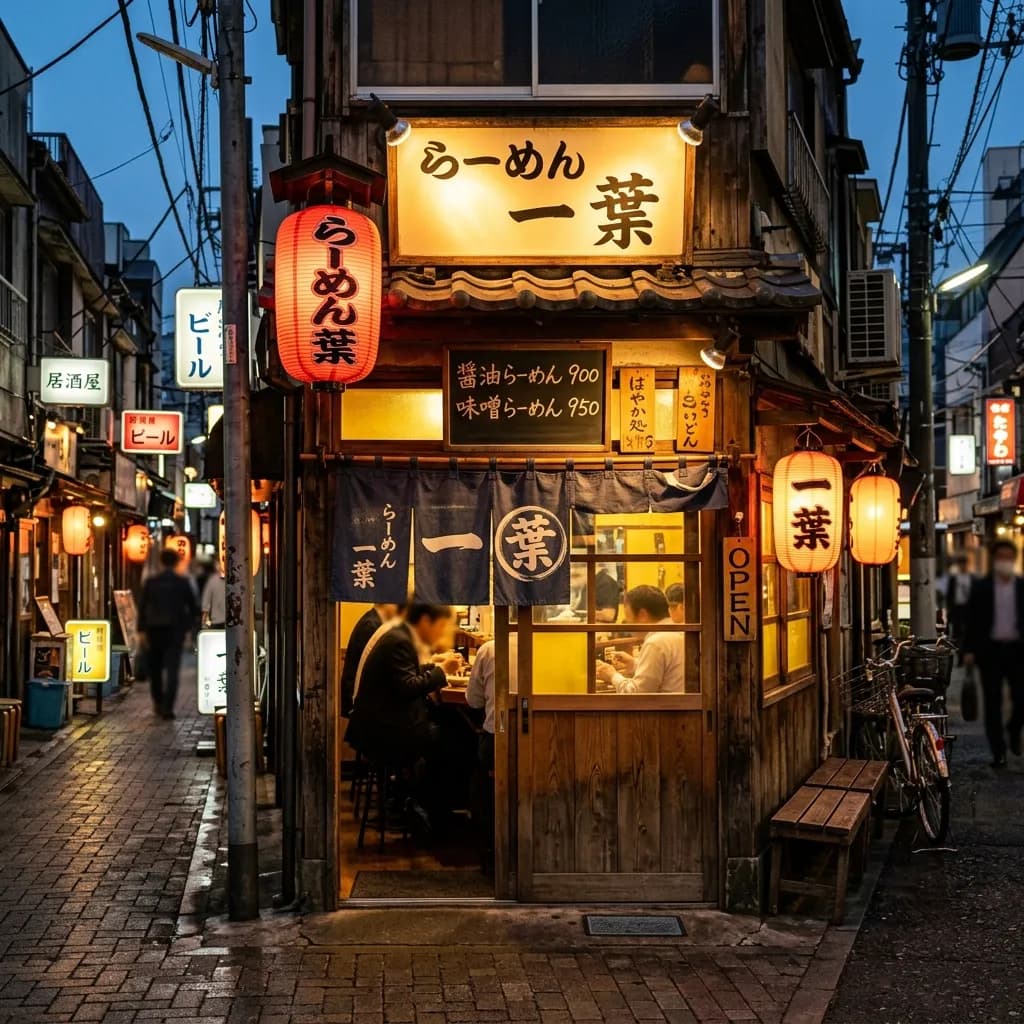
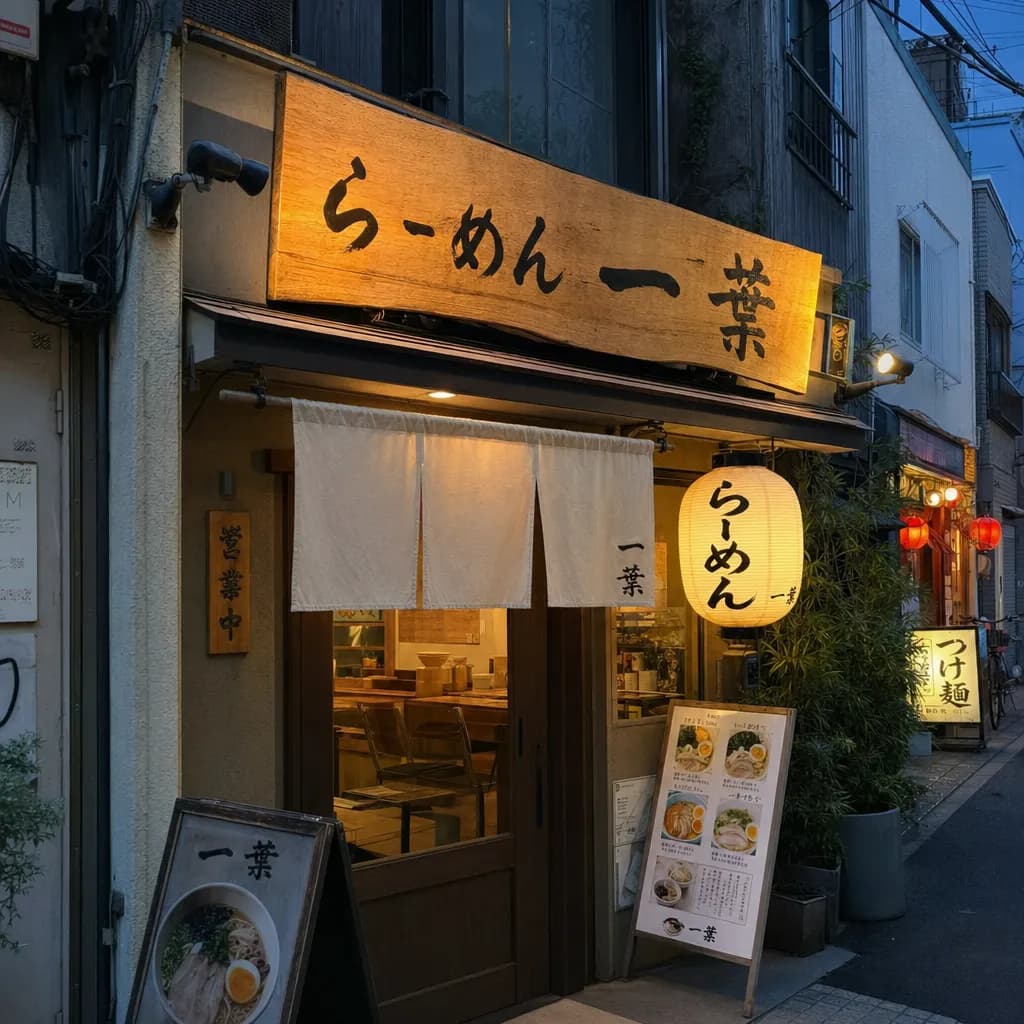
A small ramen shop storefront in Tokyo at dusk, hand-painted Japanese signage reading らーめん 一葉, warm lantern light, narrow alley, photographic.
Multi-panel comic
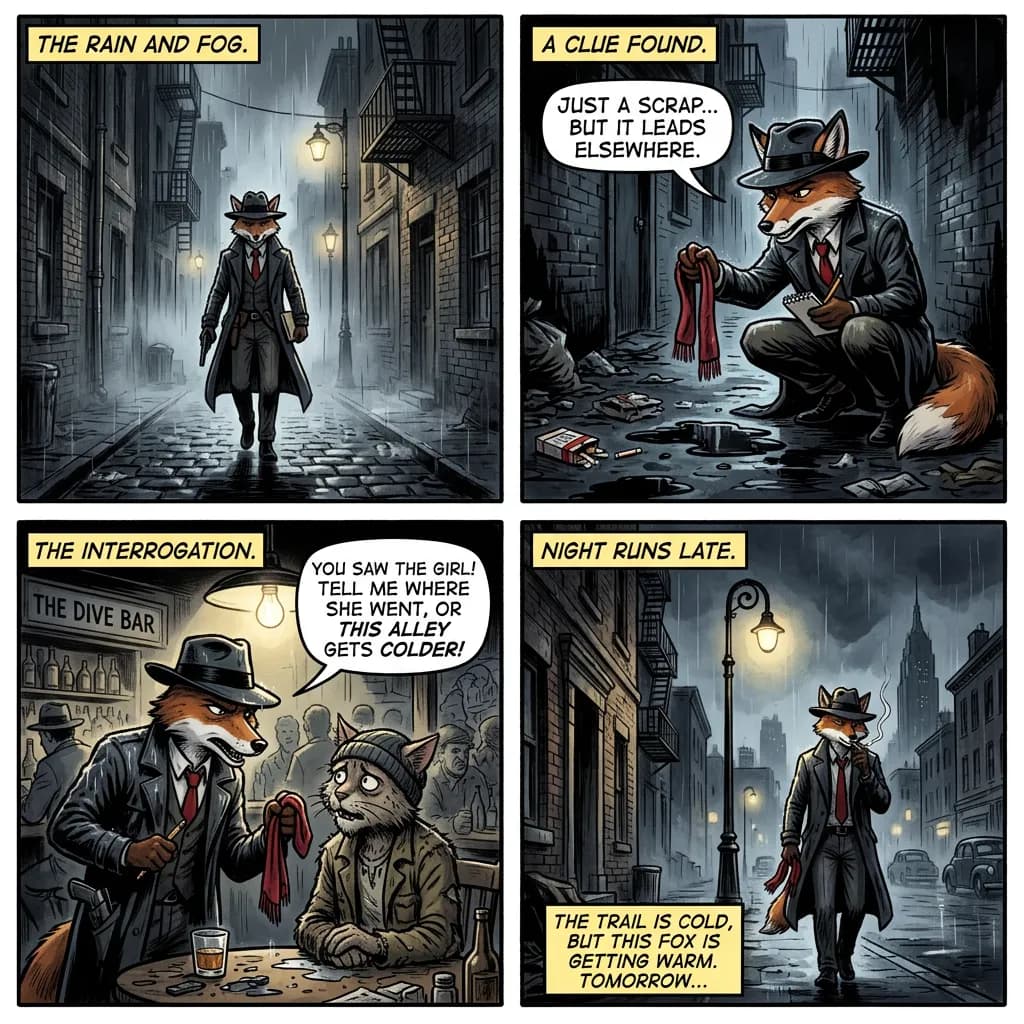
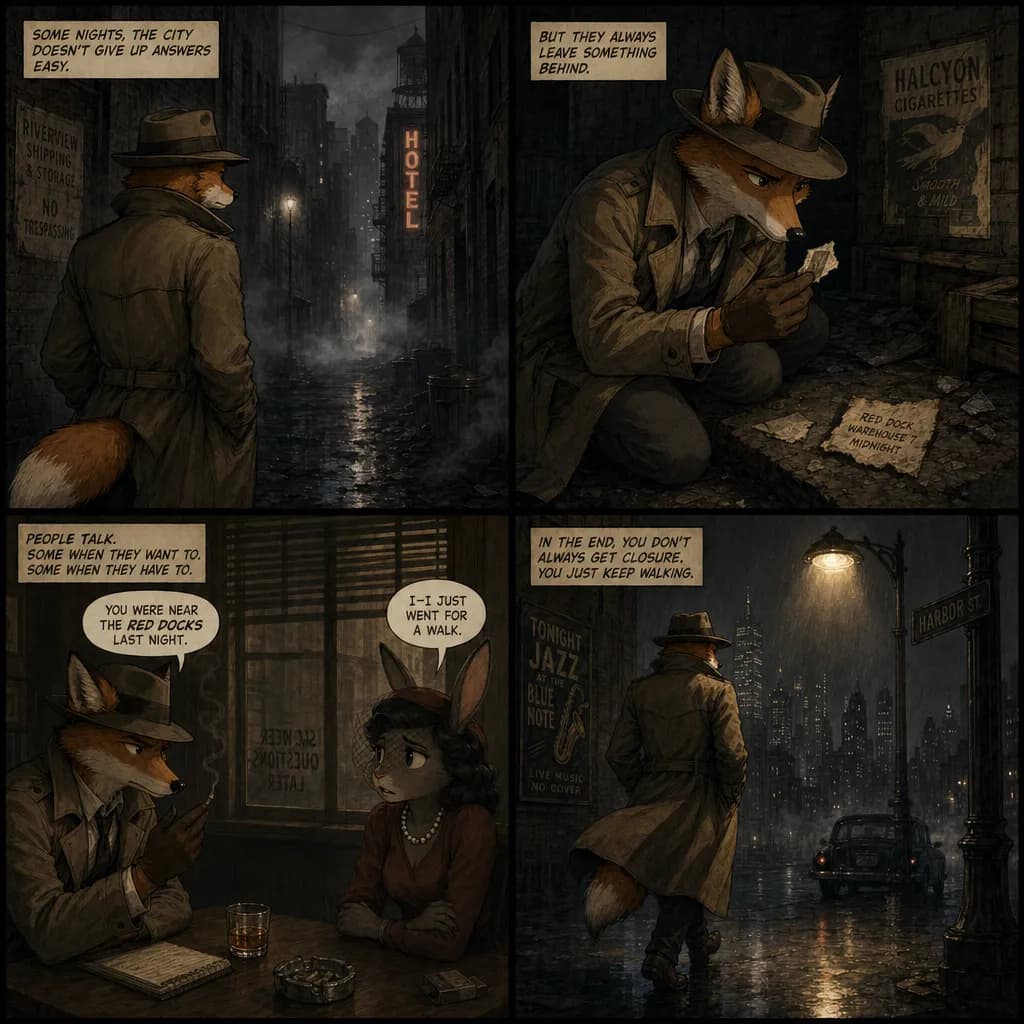
A four-panel comic of a fox detective in a 1940s noir city. Panel 1: walking into a foggy alley. Panel 2: finding a clue. Panel 3: questioning a witness. Panel 4: walking away under a streetlight. Same character throughout, consistent style.
Infographic with annotations
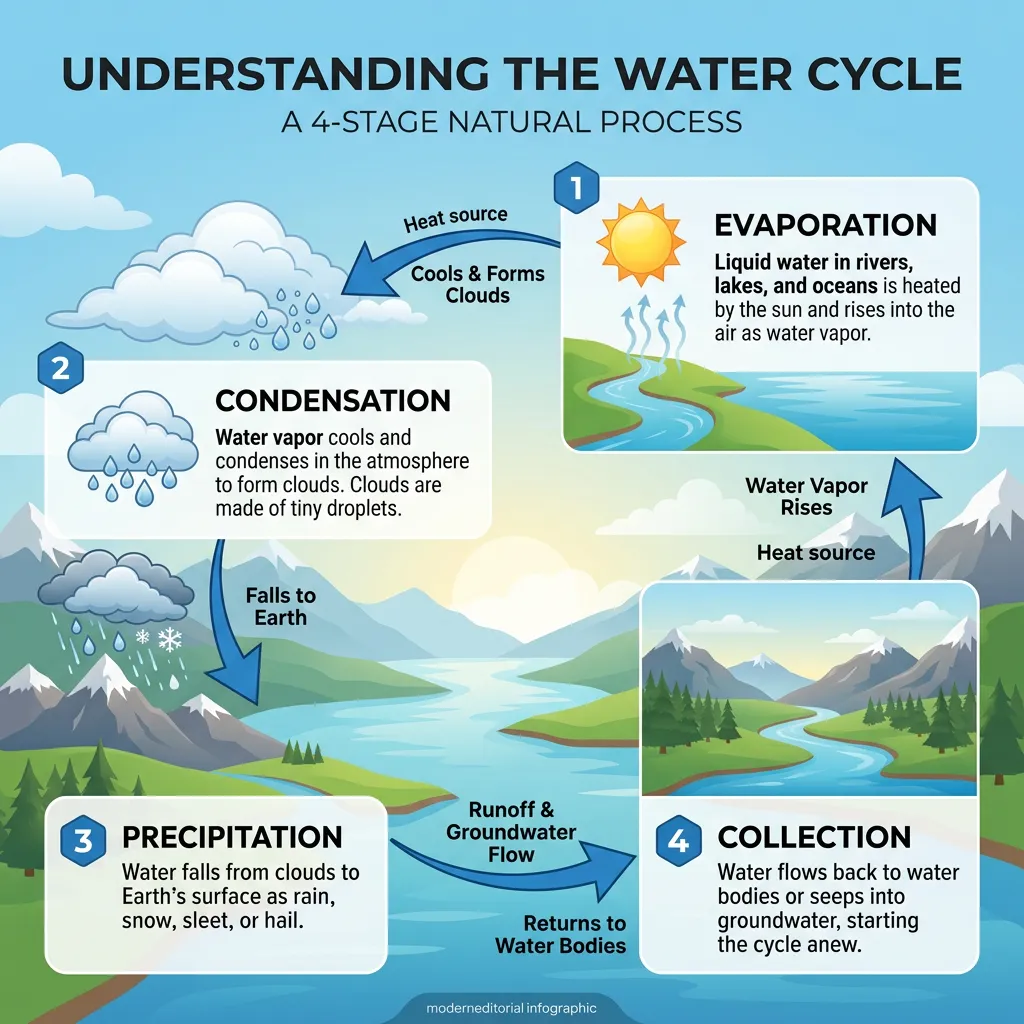
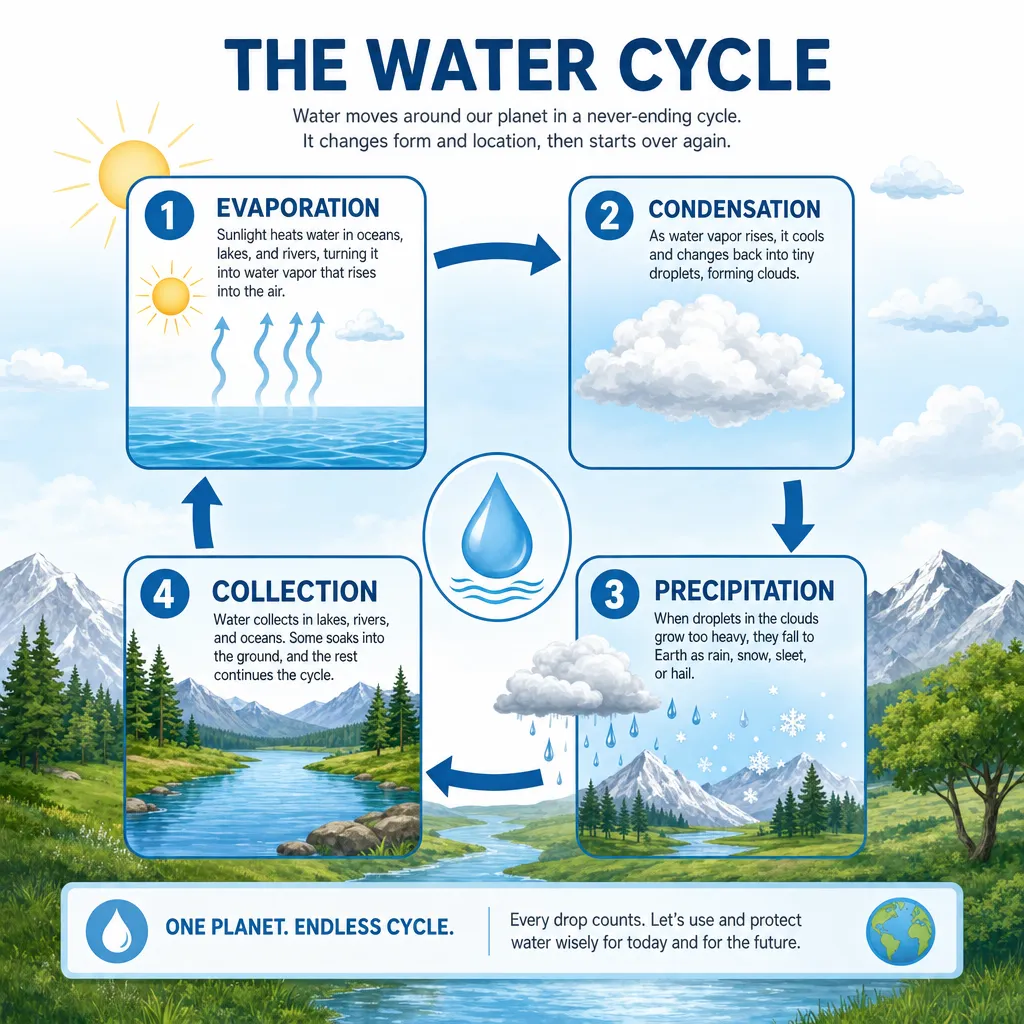
An infographic explaining the water cycle with four labeled stages (evaporation, condensation, precipitation, collection), arrows between stages, illustrated icons for each, clean editorial style.
Brand campaign hero image
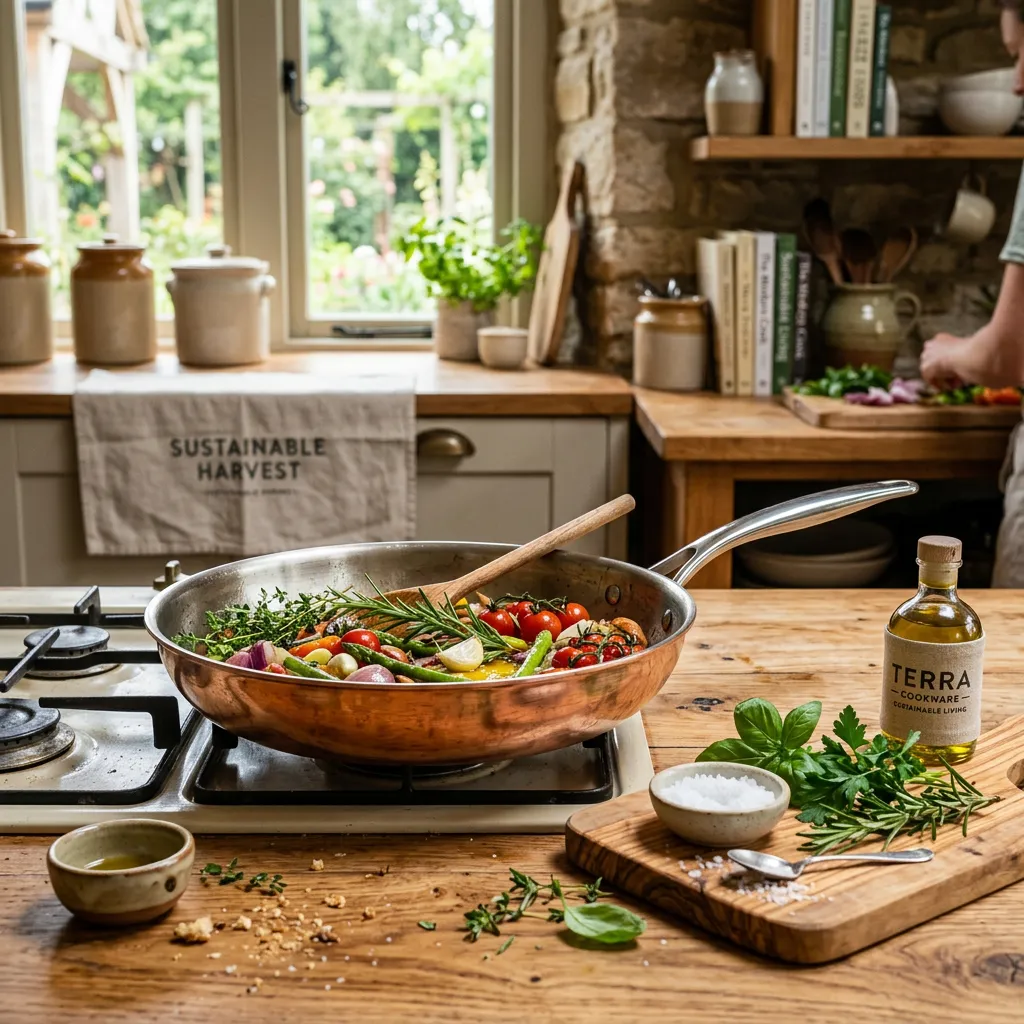
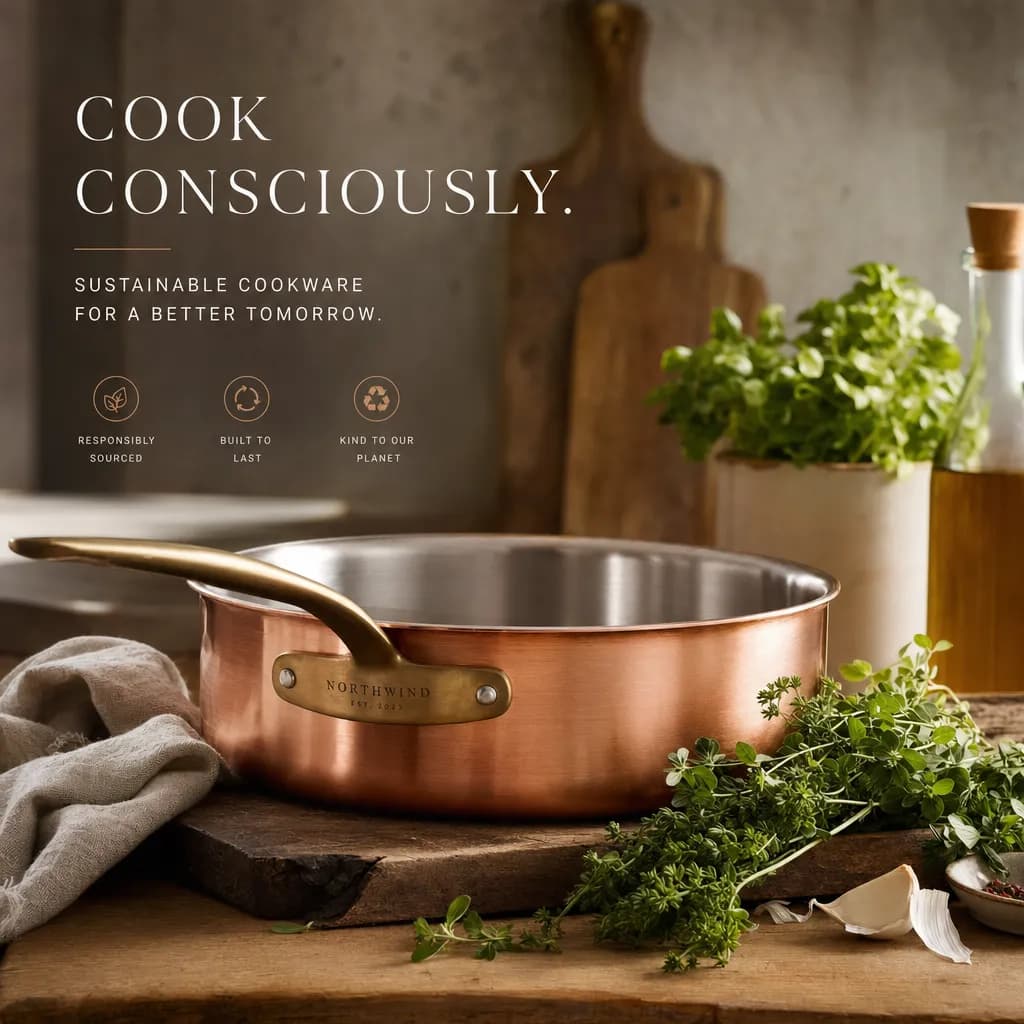
Hero image for a sustainable cookware brand combining a brushed copper pan, fresh herbs, and a warm kitchen background, editorial food photography.
Stylized watercolor illustration
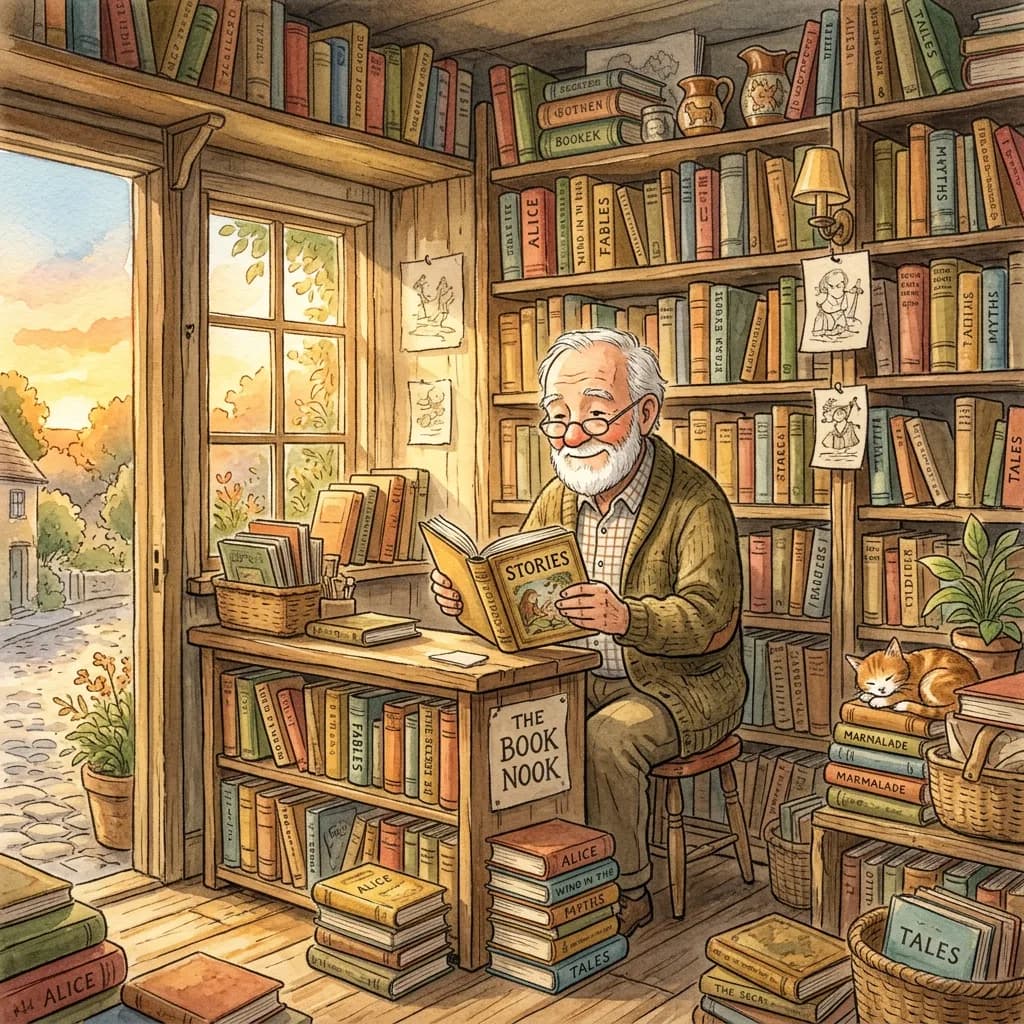
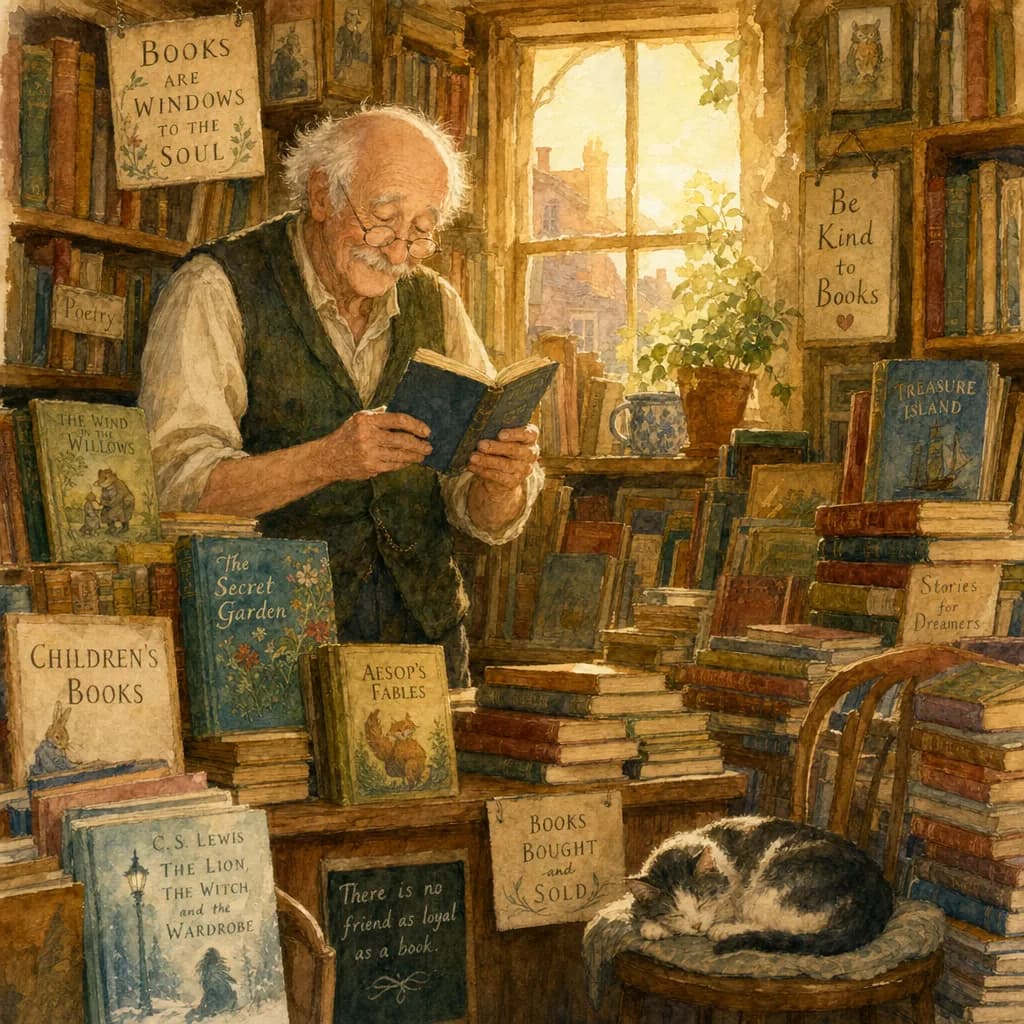
A watercolor illustration of an elderly bookseller in a tiny shop overflowing with books, golden hour light through a small window, hand-painted textures, soft warm palette, children's book illustration style.
How to use this in your work
If a single test settled it for your use case, route that work to the model you saw lead in that category. If your work spans multiple categories (most creative work does), you don't have to commit to one. Pick the model that fits the task, and switch when the task changes.
For projects that move across several categories in one piece, that's what Workflows in Morphic are for. A single Workflow can route the layout step to ChatGPT Images 2.0, the 4K render to Nano Banana 2, and continue into video, music, voice, or character generation as the project needs them. You set the model per step once and run the project end-to-end without leaving Morphic.
FAQs
To isolate the model variable. Changing the prompt to play to each model's strengths would mean comparing prompt engineering, not models. Identical inputs and default settings is the only way to see what each model produces without help.
Single generations. One first-pass output per prompt per model, no re-rolls. Both models have generation variance, especially on creative prompts, so multiple runs would shift specific details. What stays consistent across runs is the overall character of each model: Nano Banana 2's photoreal lean and ChatGPT Images 2.0's reasoning and text-rendering lean.
Different things in different tests. For portraits, skin texture and eye realism. For posters and infographics, text legibility and layout coherence. For comics, character continuity from panel to panel. For stylized illustration, palette warmth and texture authenticity. The strongest signals usually show up in the details, not the overall composition.
The directional differences between the two models (Nano Banana 2 leaning photoreal, ChatGPT Images 2.0 leaning toward layout and text) tend to hold across prompts. The specifics of any single image will vary based on your wording, reference inputs, and chosen aspect ratio. Use these tests as a baseline for which model is likely to fit your kind of work, not as a guarantee of any specific output.