Shoot Ambrotype images in your browser with Morphic's AI image generator. Render the glass-negative look backed with dark varnish so it reads as a positive, all soft milky highlights and gentle low contrast against a velvety black ground. Picture a calm Victorian sitter, a hand-tinted cheek, or a quiet parlor still-life. Hold that muted register across a set with the Style Transfer workflow.

Ambrotype subjects you can create

Ambrotype compositions you can produce

Wide Victorian-portrait establishing

A landscape frame of a composed sitter against a velvety black ground, soft milky highlights and gentle low contrast, the glassy depth of an image on glass, with title space reserved to one side.

Prompt bearbeiten
Wide Victorian-portrait establishing

Hero tinted-detail panel

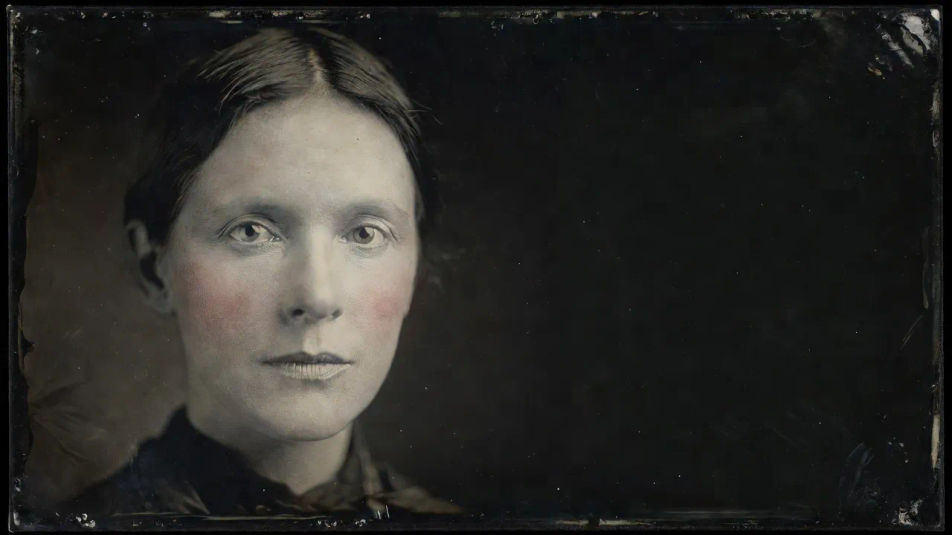
A close landscape composition of a face with a delicate hand-tinted blush, creamy highlights and soft grey glass tones, the background sinking to deep black, room reserved for a caption to one side.

Prompt bearbeiten
Hero tinted-detail panel

Parlor still-life spread

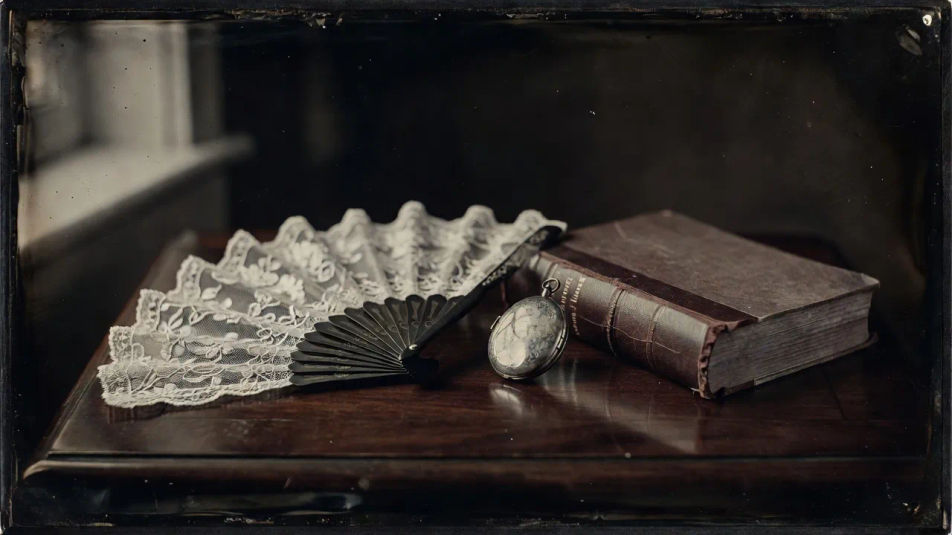
A wide composition of a lace fan, a locket and a book on a table, rendered in soft glassy greys with milky bright spots, the dark varnish backing pooling velvety shadow around the whole group.

Prompt bearbeiten
Parlor still-life spread

Seated-couple establishing shot

An establishing landscape frame of two figures posed close and calm against a plain dark backdrop, matched soft highlights across both faces, gentle low contrast and the quiet keepsake mood of glass.

Prompt bearbeiten
Seated-couple establishing shot

Ambrotype in drei Schritten erstellen

  1. 01

    Beschreiben Sie Ihr Ambrotype

    Beschreiben Sie das Ambrotype, das Sie möchten, in einfachen Worten.

  2. 02

    Bild generieren

    Morphic generiert in Sekunden ein sauberes, veröffentlichungsfertiges Bild auf Ihrer Canvas.

  3. 03

    Ambrotype verfeinern

    Passen Sie den Prompt an, generieren Sie Varianten und laden Sie das Bild herunter oder teilen Sie es.

Verwandte Workflows

Das könnte Ihnen auch gefallen

Einfache Preise

Starten Sie noch heute kostenlos, mit der Option, jederzeit zu upgraden oder zu kündigen.

Basic

$0/ Monat
abgerechnet als $0 pro Jahr

900 monatliche Credits

1 Nutzer

Alle Modelle

Workflows

Standard

$0/ Monat
abgerechnet als $0 pro Jahr

3200 monatliche Credits

1 Nutzer

Alle Modelle

Workflows

Pro

$0/ Monat
abgerechnet als $0 pro Jahr

6200 gemeinsame monatliche Credits

1 Nutzer

+ bis zu 4 weitere gegen Aufpreis

Alle Modelle

Workflows

Pro Max

$0/ Monat
abgerechnet als $0 pro Jahr

24000 gemeinsame monatliche Credits

1 Nutzer

+ bis zu 9 weitere gegen Aufpreis

Alle Modelle

Workflows

Enterprise

Für höhere Limits

Individuell

Preis- und Abrechnungsbedingungen

Unbegrenzte Credits
Individuelle Platzlimits
Alle Modelle
Workflows
Pricing Gradient

Free

Zum Ausprobieren

$0

dauerhaft kostenlos

Bis zu 20 Credits
Nur 1 Nutzer
Eingeschränkte Modelle
Workflows

Häufig gestellte Fragen

What is an Ambrotype?
An Ambrotype is a glass-negative image backed with dark varnish so it reads as a positive. It is known for soft milky highlights, gentle low contrast, and a velvety black ground, giving a quieter, warmer feel than the mirror-bright Daguerreotype.
Where can I make Ambrotype images with AI?
You can create Ambrotype images with AI on Morphic, right in your browser. Open the Image tool, describe the sitter, the milky highlights, and the black backing, and Morphic renders the glass-plate look. No collodion, glass, or varnish needed.
How do I get the milky glass-plate look?
Ask for it plainly: "glass negative on dark backing, soft milky highlights, gentle low contrast, velvety black ground." Naming the creamy highlights and the dark backing is what gives an Ambrotype its softer register, distinct from a reflective silver plate.
How do I keep a set of Ambrotypes consistent?
Use Morphic's Style Transfer workflow to lock the milky highlights, low contrast, and black ground from your first plate, then apply it across the set. Each image can show a different sitter or still-life while the whole series holds one muted register.
Can I add a title or caption to an Ambrotype?
Yes. Generate the plate with open dark-ground space reserved, then open the Canvas to place a title or caption as a layer. Keeping the type separate lets you adjust the wording without regenerating the glass-plate portrait underneath.
Do I need glass plates to make an Ambrotype?
No. Morphic runs in your browser and works from plain-language prompts, so you do not need glass, collodion, or varnish. Describing the milky highlights and dark backing is enough to produce a finished Ambrotype-style image.