Mark the exact frame a scene changes
A swell that stops dead gives an editor a single frame to cut on. It works the same in a game cutscene or an animated title as it does in a trailer.
Editar prompt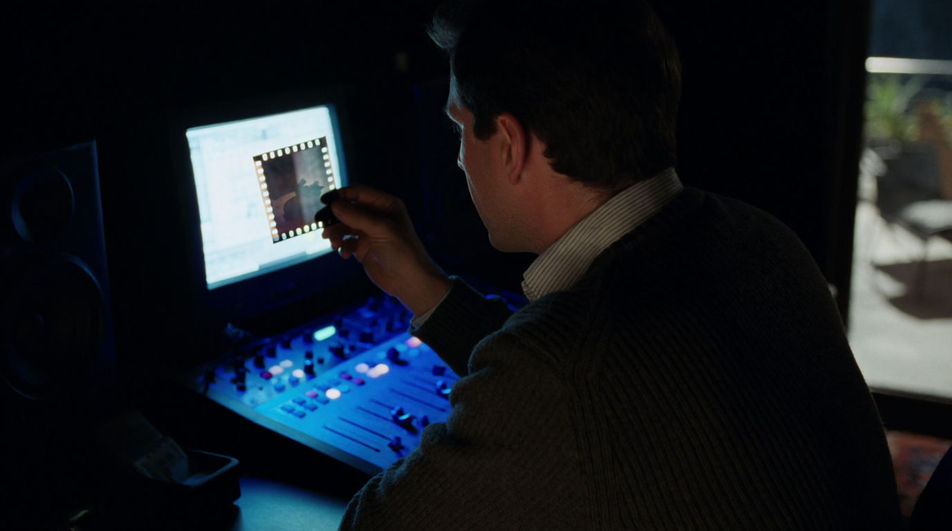
A sound growing out of nothing and stopping on your frame. Say what is running backwards and how long the swell takes, and get it cut to your transition.

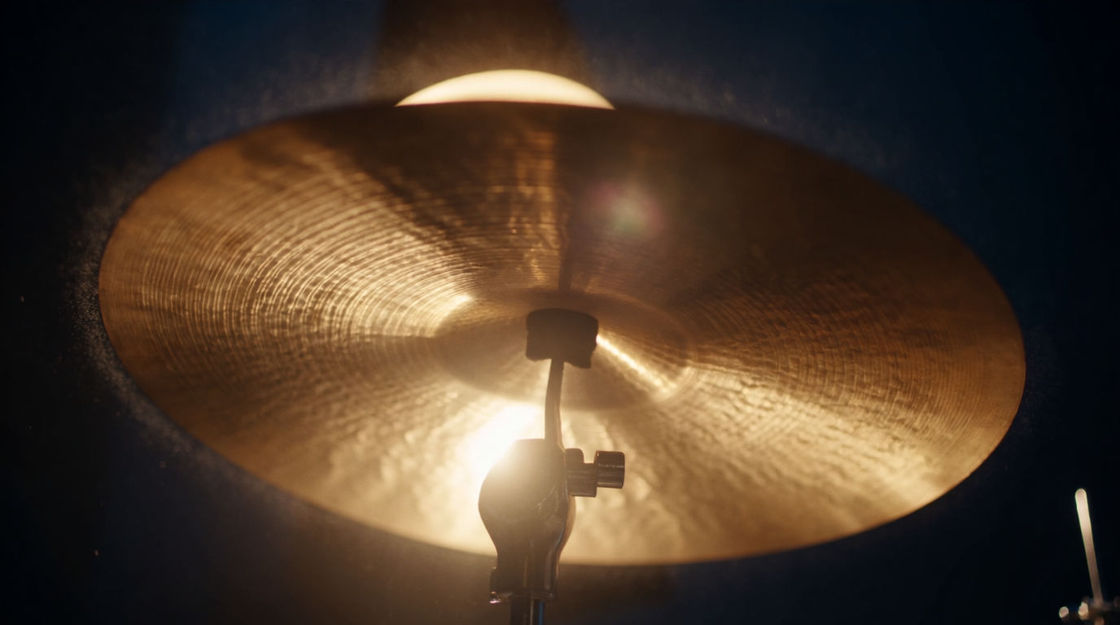
A bright wash gathering out of silence and stopping at its loudest. The card most edits want, because the shimmer is broad enough to sit over almost any picture without arguing with it.
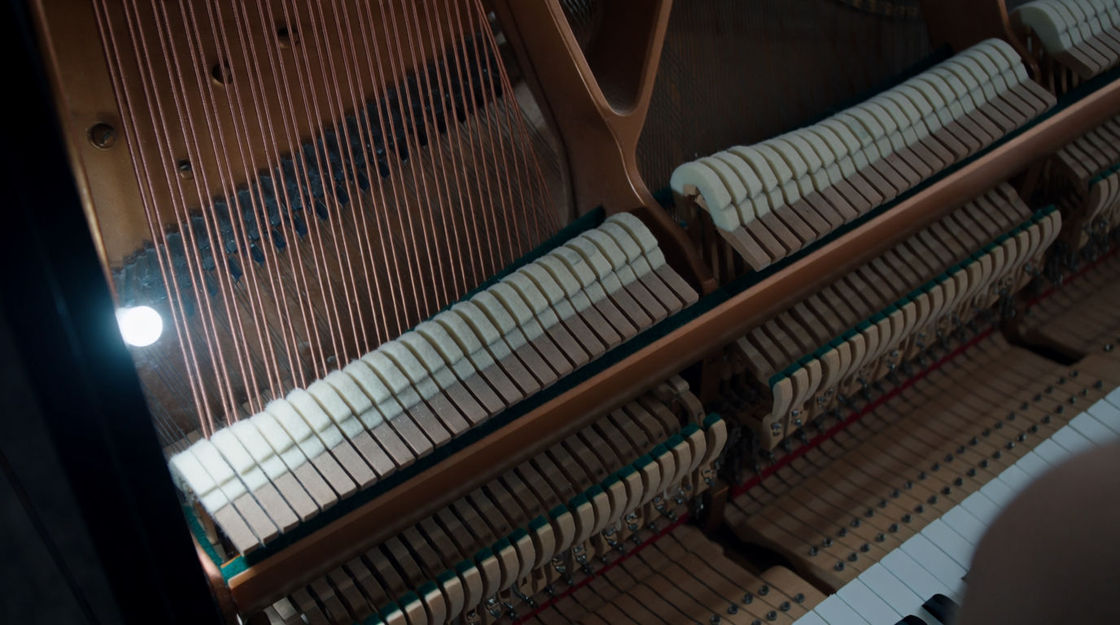
A warm tonal swell that rises evenly and stops instantly. It carries a pitch, so it belongs where the cut has music behind it and a noise wash would clash.

Low weight gathering ahead of the hit that never comes. Reach for it when the cut it leads into is violent and the swell has to feel like pressure rather than shine.

A thin ringing tone swelling upward to a hard stop on the strike. Small and precise, which suits a title card or an interface moment where a cymbal would be far too much.

A human intake played backwards, airy and rising to nothing. It reads as a person rather than an effect, which changes what a cut feels like without adding a voice to it.

Twelve seconds of dense grain building to a hard stop. Long enough to run under an entire opening title sequence, where a three-second swell would have to be joined.
Elige un punto de partida, edita lo que quieras y genéralo en Morphic.
A swell that stops dead gives an editor a single frame to cut on. It works the same in a game cutscene or an animated title as it does in a trailer.
Editar promptTwelve seconds of backwards wash carries an opening on its own. Explainer videos and podcast intros use it where a music bed would commit them to a genre.
Editar prompt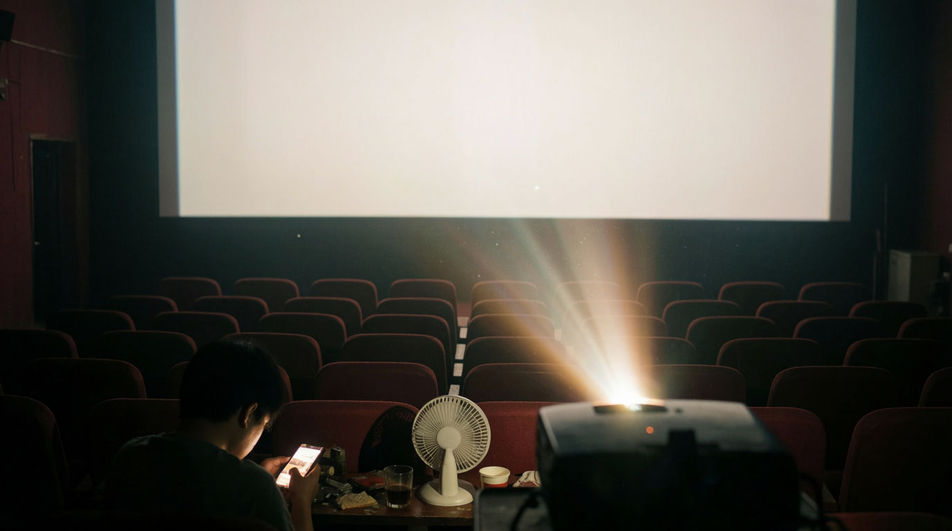
A low backwards swell promises something heavy, a thin bell promises something small. Choosing between them tells an audience how to feel about a cut they have not seen yet.
Editar prompt
A breath running backwards places someone in the scene without a word or a face. Audio drama and first-person game moments lean on that more than film does.
Editar prompt
Fade sound effects
Generate fade sound effects with AI on Morphic. Describe the sound, pick a variation, and download MP3 or WAV for your video, game or podcast.
Fast sound effects
Generate fast sound effects with AI on Morphic. Describe the sound, pick a variation, and download MP3 or WAV for your video, game or podcast.
Fast whoosh sound effects
Generate fast whoosh sound effects with AI on Morphic. Describe the sound, pick a variation, and download MP3 or WAV for your video, game or podcast.
Film burn sound effects
Generate film burn sound effects with AI on Morphic. Describe the sound, pick a variation, and download MP3 or WAV for your video, game or podcast.
Comienza gratis hoy, con la opción de mejorar tu plan o cancelar cuando quieras.
Basic
2400 mensual créditos
1 usuario
Todos los modelos
Workflows
Standard
3625 mensual créditos
1 usuario
Todos los modelos
Workflows
Pro
6350 compartidos mensual créditos
1 usuario
Todos los modelos
Workflows
Max
24650 compartidos mensual créditos
1 usuario
Todos los modelos
Workflows
Enterprise
Para límites más altos
Personalizado
términos de precios y facturación

Free
Para experimentar
$0
gratis para siempre