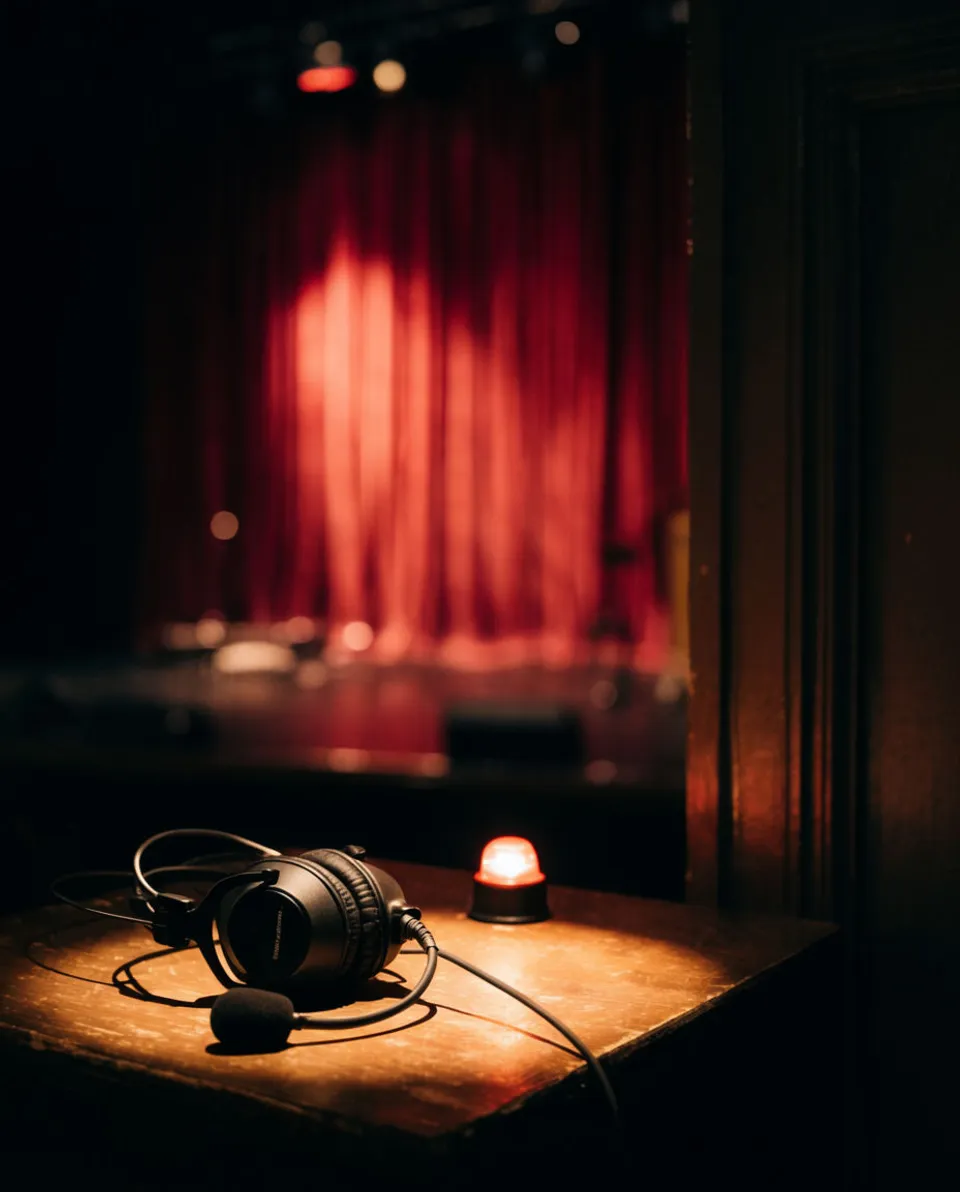

Sound effects for theatre

Stage sound is a cue at a time, fired to the actor's move, so you need the exact effect your script asks for. Morphic generates original cues like a smashing plate, a distant crowd, or an offstage door from a text description. You build the cue sheet you actually need instead of forcing a library clip to fit.

Example for Sound effects for theatre

How it works

  1. 1
    describe it

    Describe the cue on Morphic

    Type the exact effect from the script, like a single dropped glass or a mob heard through a wall, with the space and length it needs. Morphic generates an original cue from the text.

  2. 2

    Load it into your cue system

    Import the file into QLab or your show's playback, place it in the cue list, and set the fire point, level, and any fade so it hits with the action.

  3. 3

    Fire it live in the run

    The operator triggers the cue on the actor's move during the show. Keep your generated cues in the show folder so a remount or a tour has the exact same sound.

Cues for the stage

Four example effects you can fire to an actor's move or an offstage beat.

Dropped crockery

A single sharp smash for a dinner scene or an argument. Fire it exactly on the actor's release.

0:00
0:03

Editar prompt
Dropped crockery for Sound effects for theatre

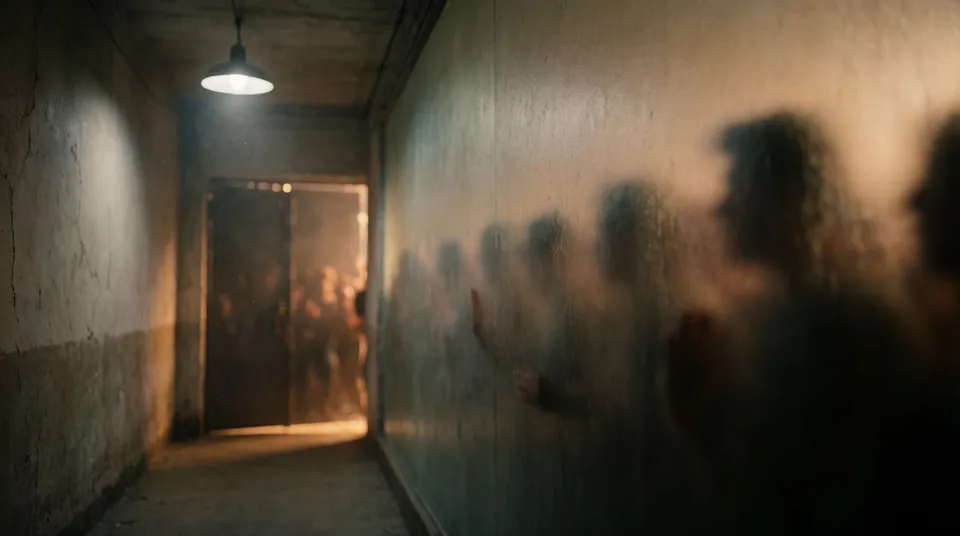
Offstage crowd

A muffled crowd or mob heard through a wall or door, for tension building outside the scene. Bring it up under dialogue.
0:00
0:05
Editar prompt
Offstage crowd for Sound effects for theatre

Glass smash

A window or bottle breaking for a shock beat. Time it to the strike, not a fraction late.

0:00
0:05
Editar prompt
Glass smash for Sound effects for theatre

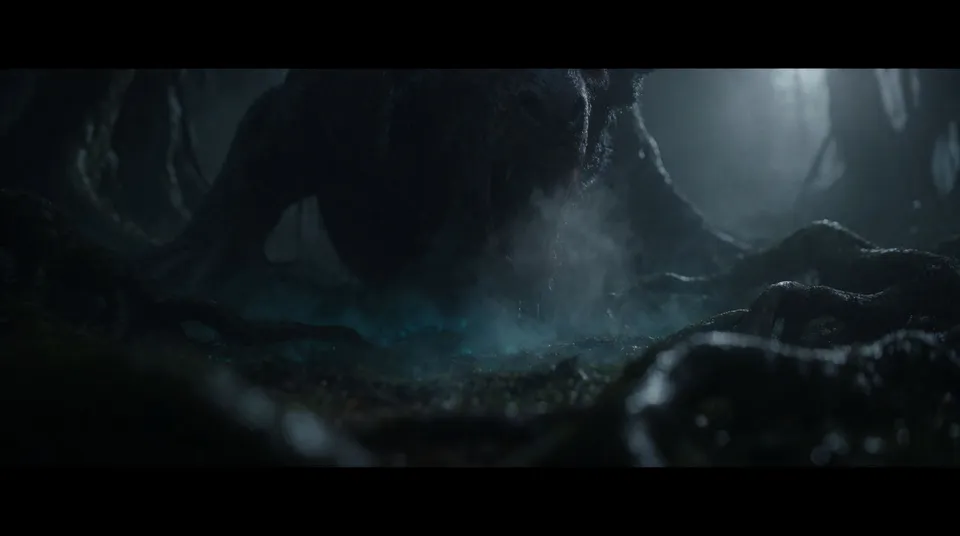
Creature moan

A low, hungry groan for a horror or fantasy staging. Place it offstage and let it grow.
0:00
0:05
Editar prompt
Creature moan for Sound effects for theatre

What it handles, and what to check

Morphic builds the cue; the operator owns the fire point and the level in the room.

What Morphic handles well

  • The exact cue a script names, generated from a plain description
  • Offstage ambiences and one-shot effects built for a specific moment
  • One workspace for effect cues, transition music, and any recorded voice
  • Effects you can use commercially on paid plans, subject to the terms

Where you still want your own ear

  • The fire point, since a live cue must hit on the actor's move every night
  • Level in the actual room, which changes with the house and the acoustics
  • Restraint, because a busy cue sheet distracts from the performance
  • Rights and consistency across a remount, a tour, or a licensed script

Precios simples

Comienza gratis hoy, con la opción de mejorar tu plan o cancelar cuando quieras.

Basic

$9/ mes
facturado como $0 por año

1100 mensual créditos

1 usuario

Todos los modelos

Workflows

Standard

$24/ mes
facturado como $0 por año

3625 mensual créditos

1 usuario

Todos los modelos

Workflows

Pro

$45/ mes
facturado como $0 por año

6350 compartidos mensual créditos

1 usuario

+ hasta 4 más con costo adicional

Todos los modelos

Workflows

Pro Max

$170/ mes
facturado como $0 por año

24650 compartidos mensual créditos

1 usuario

+ hasta 9 más con costo adicional

Todos los modelos

Workflows

Enterprise

Para límites más altos

Personalizado

términos de precios y facturación

Créditos de alto volumen
Límites de asientos personalizados
Todos los modelos
Workflows
Pricing Gradient

Free

Para experimentar

$0

gratis para siempre

Hasta 20 créditos
Solo 1 usuario
Modelos limitados
Workflows

Preguntas frecuentes

Can I build a full theatre cue sheet with these sound effects?
Yes. Generate each cue your script calls for from a description and load them into QLab or your playback system as separate cues. You build the exact sheet the show needs.
Can I use these sound effects in a licensed or ticketed production?
On paid plans the effects you generate are yours to use commercially, which covers a ticketed run. Confirm the details in the current terms, and check any separate rules that come with a licensed script.
How do I fire these cues live during a performance?
Export the effect and import it into your cue system, such as QLab. The operator triggers it on the actor's move. Each cue plays for its generated length rather than looping.
Can Morphic make an ambience that runs under a whole scene?
Describe a longer texture like a storm, a tavern, or a forest at night and you get a sustained bed to run under the scene. It plays for the length you generate; set fades in your cue system.
What if the library clip is close but not exactly the sound in the script?
That is the case Morphic is built for. Describe the precise effect the script names, including the space and length, and generate it instead of forcing a near-miss clip to fit.
Will the same cues work when we remount or tour the show?
Keep your generated cues in the show folder and reuse the exact files on the remount or tour, so the sound design stays identical. You will still re-check levels for each new room.