Punctuate the frame where the animal turns
A snarl that breaks into a bark lands on a single frame and reads instantly. It works on a game encounter or an animated beat as cleanly as on a wildlife cut.
Edit prompt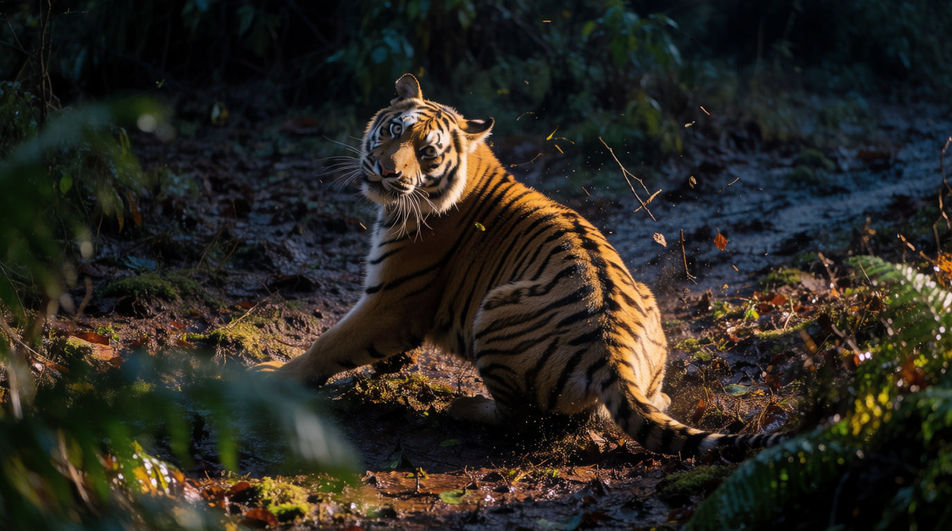
The full range of a large adult tiger, not just the roar. Say whether the animal is greeting, warning, or already committed, and how much air is behind it.

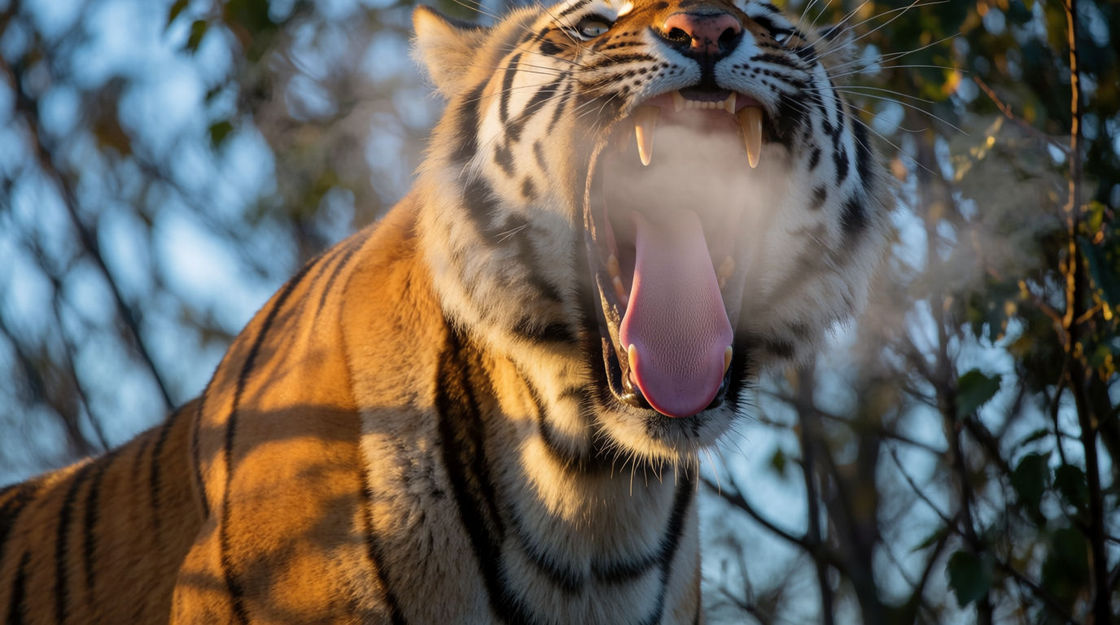
A hard throaty push that opens wide, rasps through the middle and falls away. This is the version most edits want, and the one where the rasp rather than the volume is doing the work.
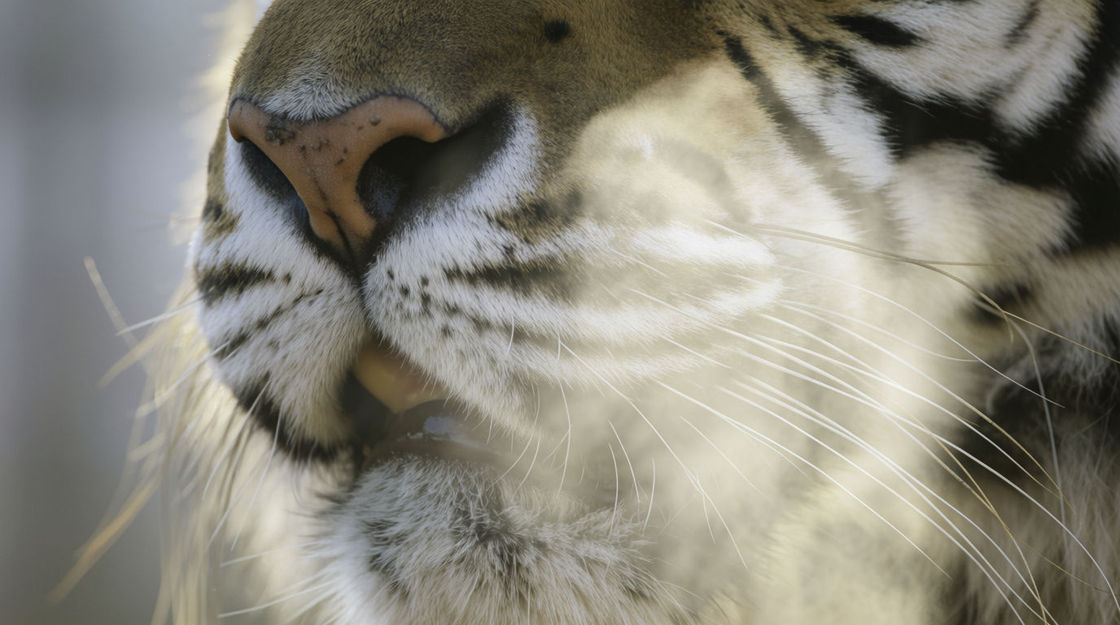
A breathy stuttering puff through the nose and lips with no voice behind it. Tigers make it when they are relaxed, so it is the fastest way to show an animal that is not a threat in this moment.
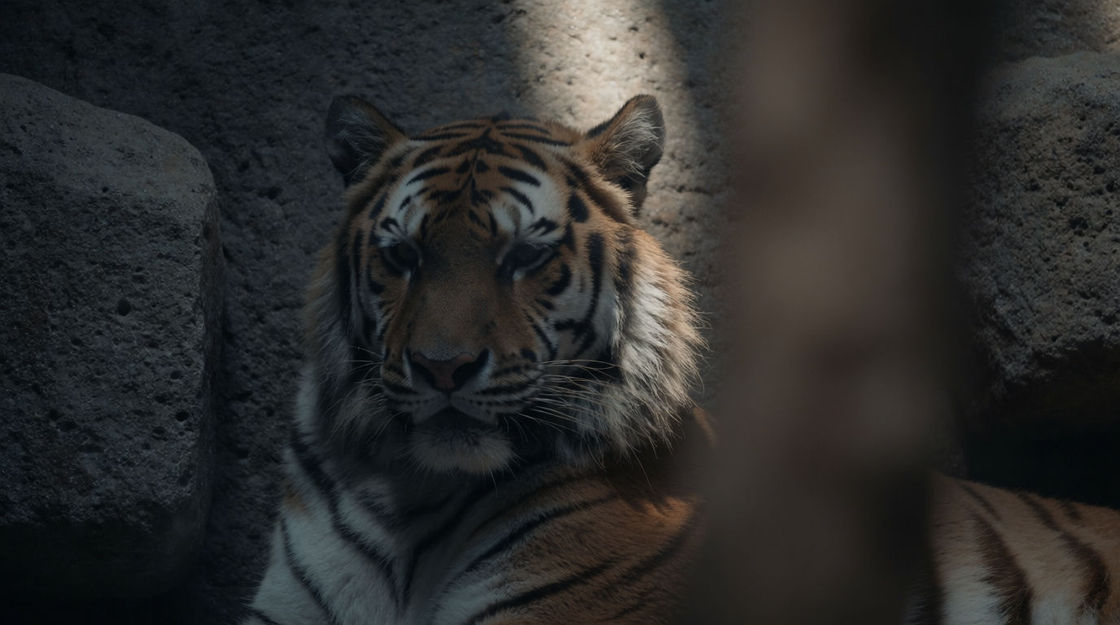
A grinding chest rumble that holds without a break for eight seconds. Because it never opens into a roar, it can run underneath a whole shot while dialogue continues over the top of it.

A rough rising rasp that breaks into a hard bark at the end. The break is what makes it read as a warning, since a snarl that simply fades sounds like an animal losing interest.
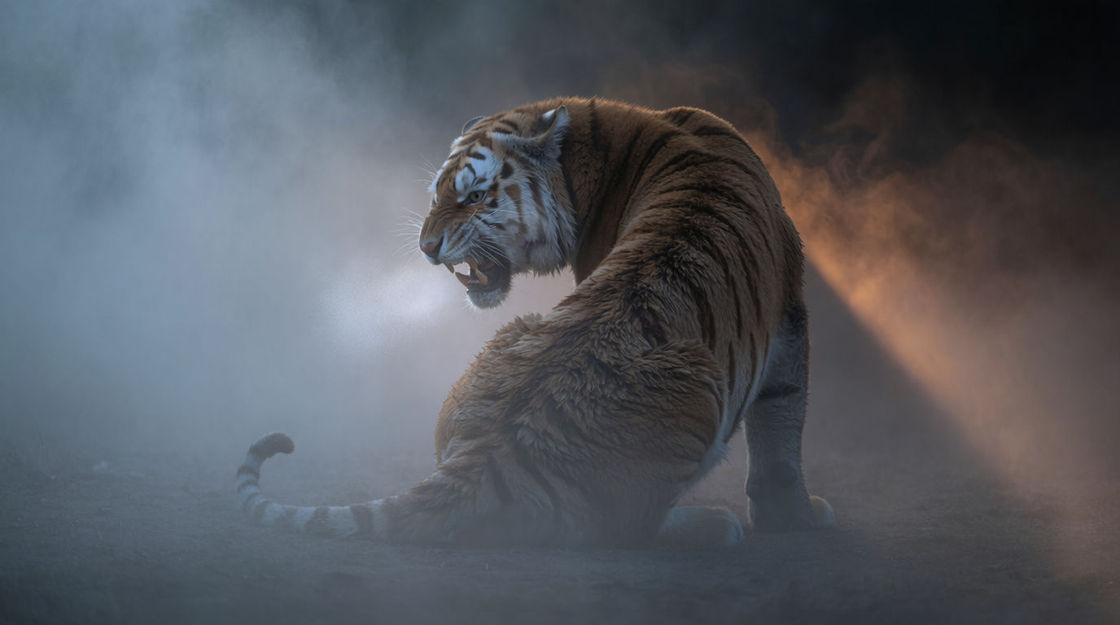
Air forced through bared teeth with a wet crack at the front. It is the shortest sound here and the one that lands hardest on a cut, because the attack arrives before anything else does.

One roar answered by a second with the top edge dulled and a faint echo behind it. The pair tells an audience the territory is occupied by more than the animal it can see.
Pilih titik awal, ubah sesukamu, lalu buat di Morphic.
A snarl that breaks into a bark lands on a single frame and reads instantly. It works on a game encounter or an animated beat as cleanly as on a wildlife cut.
Edit promptA closed-mouth growl runs eight unbroken seconds under a held frame. It gives a slow pan, a menu screen, or a narrated segment tension without a single note of score.
Edit prompt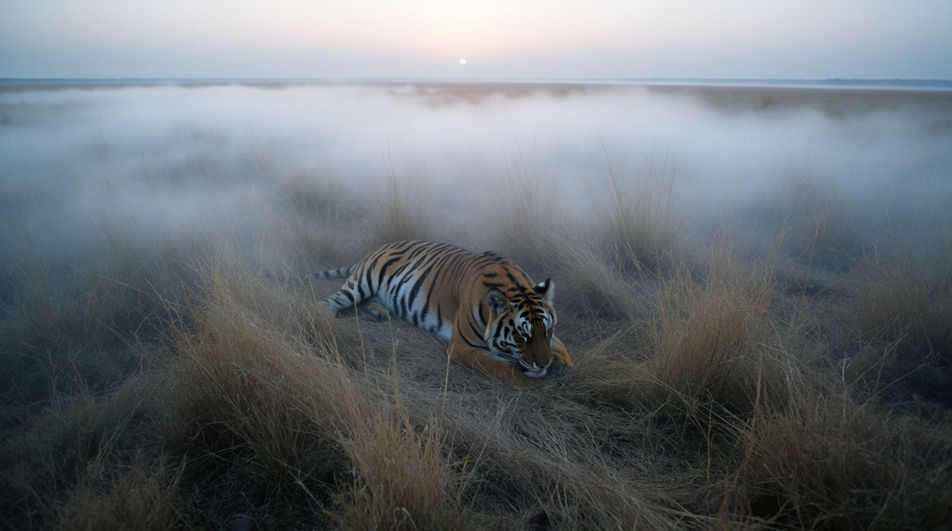
A chuff is a sound you only hear from a few metres away, so it sets the distance the moment it plays. Animation and games use it to say the danger has already arrived.
Edit prompt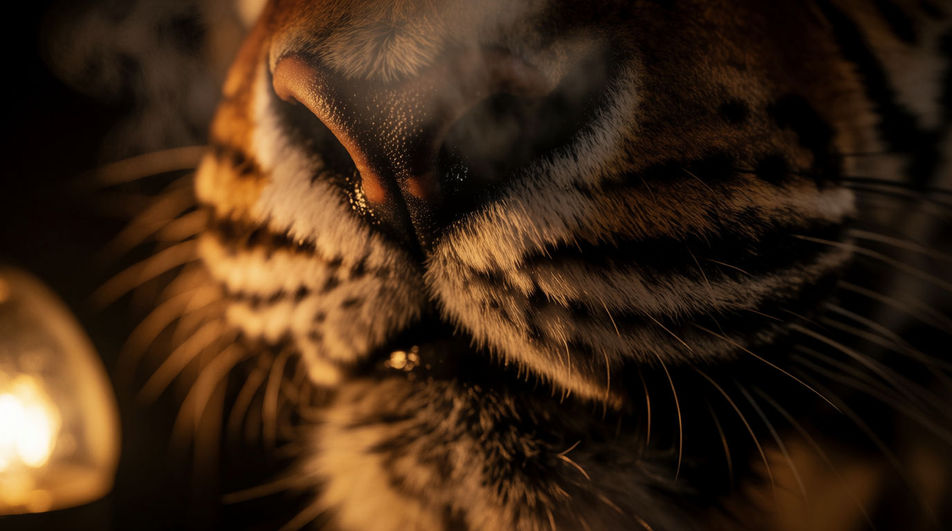
Two roars answering, the second dulled at the top, put a second animal beyond the frame. It builds a whole territory out of one clip in a game level or an animated sequence.
Edit prompt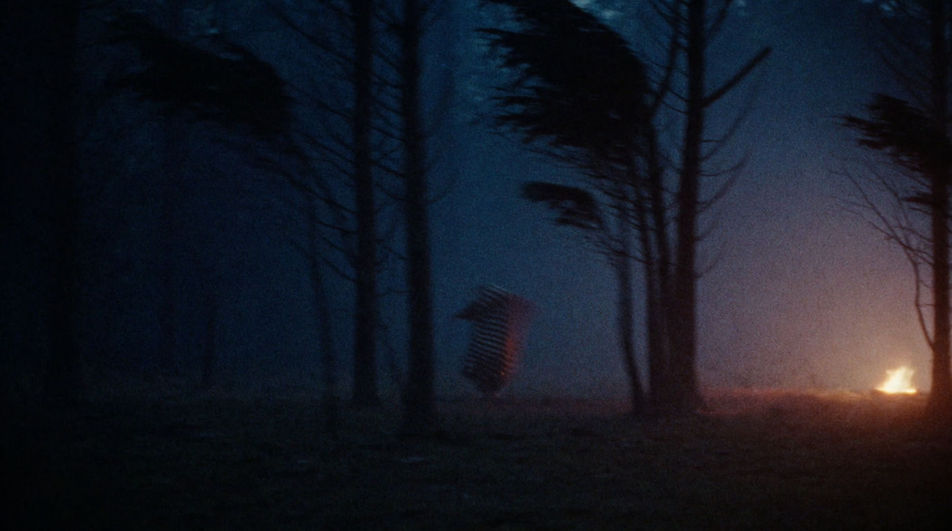
Chicken sound effects
Generate chicken sound effects with Morphic. Describe the exact call, mood, and distance you need and get a clean recording ready for your edit.
Chipmunk sound effects
Morphic creates chipmunk sound effects from a text prompt. Pick the tone and intensity you want, then drop a clean file straight into your timeline.
Cicada sound effects
Generate cicada sound effects with AI on Morphic. Describe the sound, pick a variation, and download MP3 or WAV for your video, game or podcast.
Cow sound effects
Need cow sound effects that fit the shot? Morphic generates them on demand, so you get the right call at the right distance every time.
Mulai gratis hari ini, dengan opsi untuk upgrade atau membatalkan kapan saja.
Basic
2400 bulanan kredit
1 pengguna saja
Semua model
Workflows
Standard
3625 bulanan kredit
1 pengguna saja
Semua model
Workflows
Pro
6350 bersama bulanan kredit
1 pengguna
Semua model
Workflows
Max
24650 bersama bulanan kredit
1 pengguna
Semua model
Workflows
Enterprise
Untuk batas yang lebih tinggi
Khusus
ketentuan harga dan penagihan

Free
Untuk bereksperimen
$0
gratis selamanya