Give a cut a push instead of a bump
Air moving across the join carries the eye from one shot to the next. It does the same job in a game menu or a social edit as in a finished film.
Edit prompt
Whooshes, swells and falls built to the shape of your cut. Say how the sound gathers, where it peaks, and whether it lands on a hit or on silence.

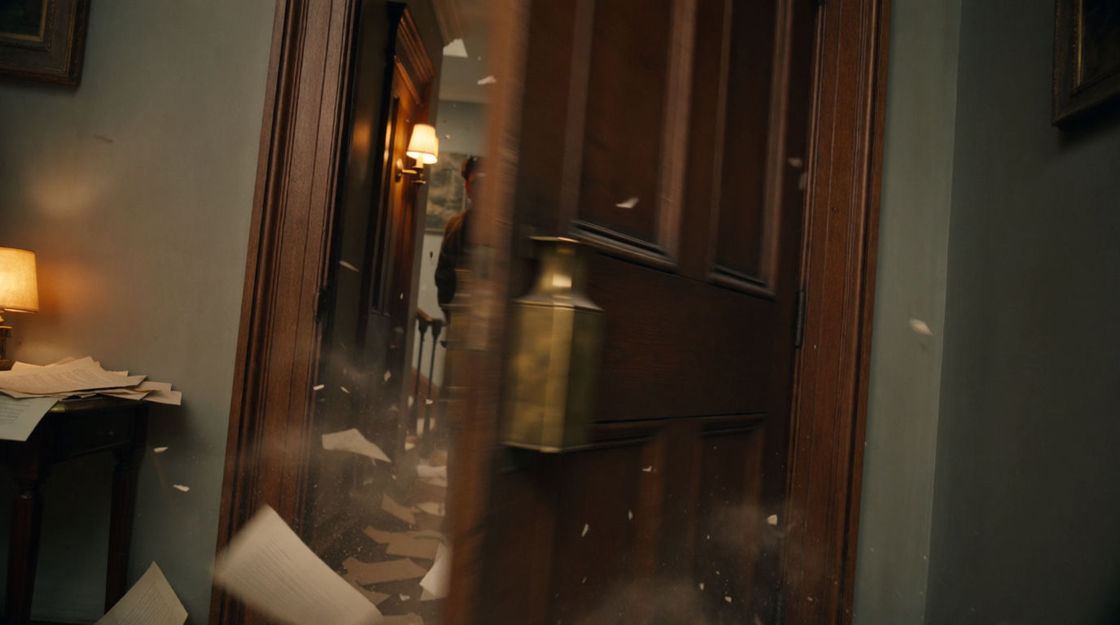
A body of air moving past and away with nothing at the end of it. The version most cuts want, because it can be slid either side of the edit point without committing to a landing.

Noise climbing and thickening until it stops at the top. Reach for it when the audience needs several seconds of warning that something is about to change.

Movement that ends on a landing. The rush belongs before the cut and the hit on the first frame after it, which makes the join feel deliberate rather than abrupt.

A build that cuts out at its loudest point. The hole it leaves is doing the work, so the next shot starts on clean air and feels louder than it is.

A tone sliding down and gaining weight as it goes. It reads as an ending where a rising sound reads as an arrival, which makes it the natural close of a sequence.

A light quick brush of air with no weight behind it. Sized for small elements arriving on screen, where a full rush would sound like far more than a title card moving.
Pilih titik awal, ubah sesukamu, lalu buat di Morphic.
Air moving across the join carries the eye from one shot to the next. It does the same job in a game menu or a social edit as in a finished film.
Edit promptA swell running for five seconds fills dead air before anything happens. A podcast chapter break leans on it as readily as a title sequence does.
Edit prompt
Short swishes read as light and quick, a heavy fall reads as final. The transitions you choose tell an audience how fast the piece intends to move.
Edit prompt
A rush ending on a dull hit implies something arriving from outside the frame. Nothing has to be animated or shot for the audience to feel it land.
Edit prompt
Intro sound effects
Browse ready-made intro sound effects, then generate your own at the length your scene needs. Morphic makes sound, voice, image and video in one workspace.
Joy sound effects
Generate joy sound effects with AI on Morphic. Describe the sound, pick a variation, and download MP3 or WAV for your video, game or podcast.
Logo intro sound effects
Generate logo intro sound effects with AI on Morphic. Describe the sound, pick a variation, and download MP3 or WAV for your video, game or podcast.
Logo Reveal sound effects
Generate logo reveal sound effects with AI on Morphic. Describe the sound, pick a variation, and download MP3 or WAV for your video, game or podcast.
Mulai gratis hari ini, dengan opsi untuk upgrade atau membatalkan kapan saja.
Basic
2400 bulanan kredit
1 pengguna saja
Semua model
Workflows
Standard
3625 bulanan kredit
1 pengguna saja
Semua model
Workflows
Pro
6350 bersama bulanan kredit
1 pengguna
Semua model
Workflows
Max
24650 bersama bulanan kredit
1 pengguna
Semua model
Workflows
Enterprise
Untuk batas yang lebih tinggi
Khusus
ketentuan harga dan penagihan

Free
Untuk bereksperimen
$0
gratis selamanya