

An establishing shot
The frame that opens an episode and sets the world. Generated against the saved location reference so every episode in the season shares the same place rather than drifting between batches.
Edit prompt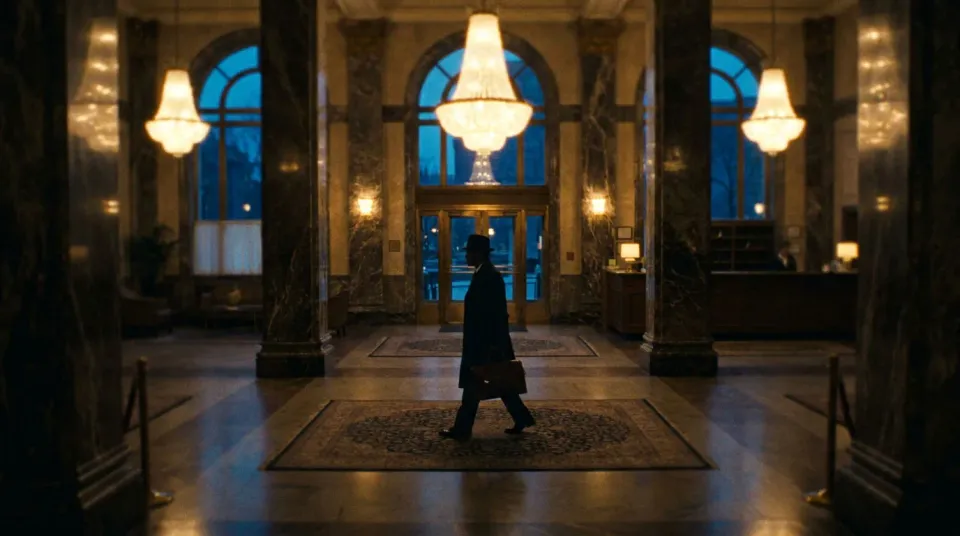
As of October 2026, producing a microdrama at scale means running a 60-episode season as a pipeline rather than sixty one-off shoots. The episodes are grouped into batches, each batch generated against the same saved character and location references so the cast and world hold across the run, and a review gate sits between generation and release. The work that makes it scale is repeatable: a workflow you save once and run per episode, so a small team moves a season through the same pass instead of rebuilding it each time.

Break the season into episodes and the episodes into shots, then save the character and location references the whole run will draw on. This is the setup that lets everything downstream stay consistent: each generation is passed the same saved references rather than a fresh description.
Group the run into batches rather than treating sixty episodes as sixty projects, five batches of about twelve is a workable shape for a 60-episode season. A batch shares its references and its look, so the cast and the world hold inside it, and you draft shots cheaply at preview resolution before rendering only the keepers at full.
Save the per-episode sequence as a workflow, then duplicate it, swap the inputs and run it for the next episode, generating across the batch at once. A review gate between generation and release is where a person checks continuity and quality before anything ships, so throughput never outruns the sign-off.
A microdrama season is assembled from a handful of recurring shot types, an establishing shot, a dialogue beat, an action beat, a cliffhanger, each generated against the same saved references so the look and the cast stay consistent from the first batch to the last.
The frame that opens an episode and sets the world. Generated against the saved location reference so every episode in the season shares the same place rather than drifting between batches.
Edit promptThe two-character exchange a microdrama turns on. The saved character references carry the same faces across every batch, so the leads are recognisable from episode one to the finale.
Edit prompt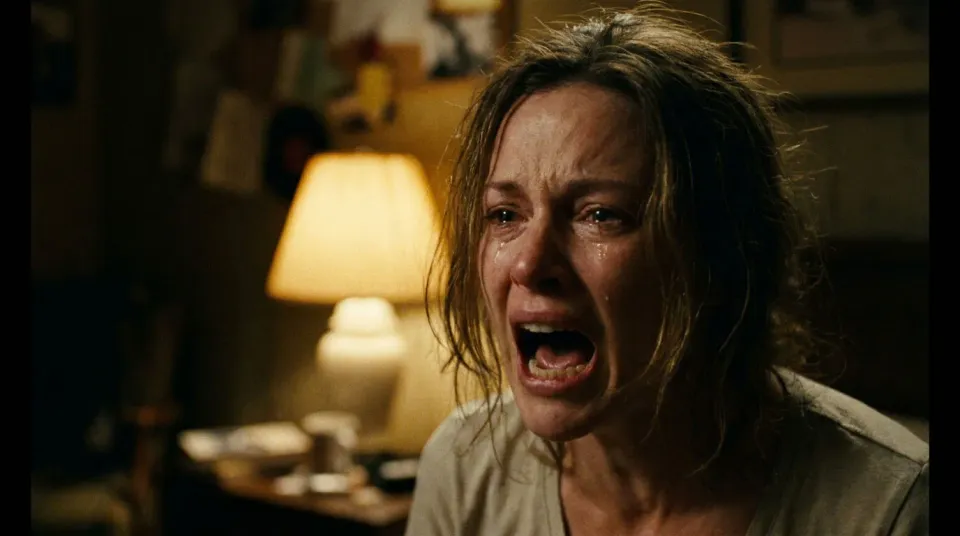
A kinetic moment that raises the stakes mid-episode. Drafted cheaply at preview resolution first, then rendered at full only once the beat is the keeper, so the budget goes to the shots that ship.
Edit prompt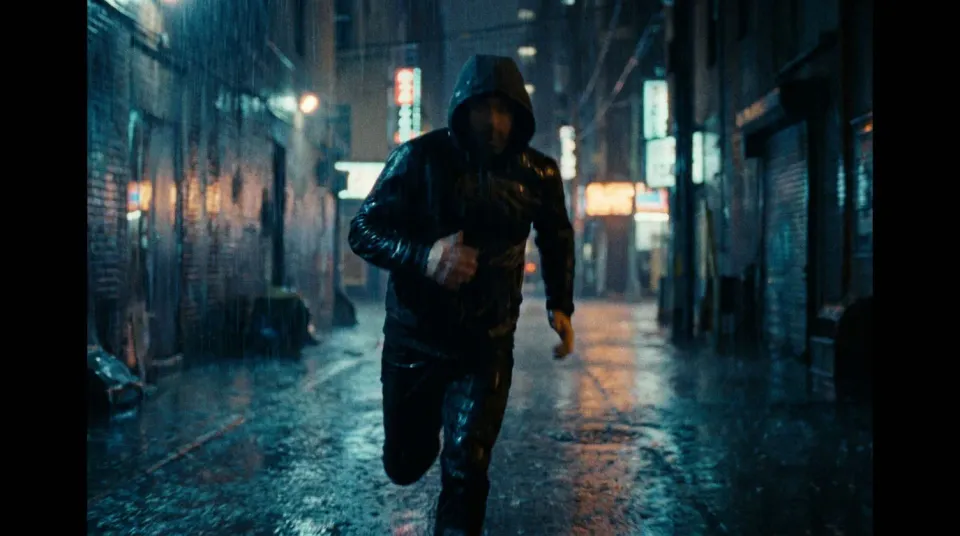
The last frame before the cut, the hook that pulls the next episode. The same character reference lands the reaction so the cliffhanger reads as the same person the viewer has been following all season.
Edit prompt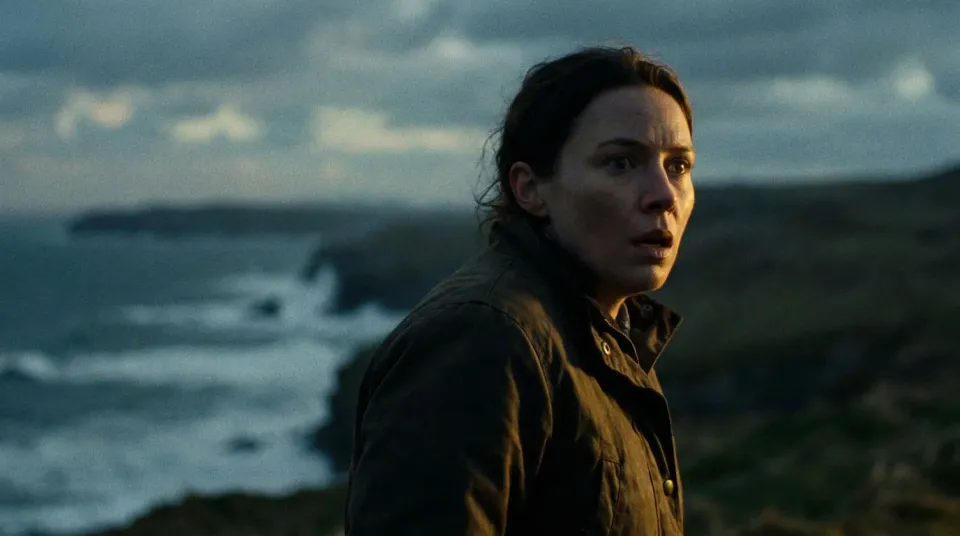
AI covers the mechanical volume of a season, batching, templates, parallel generation, consistency. Creative direction, the review gates and continuity sign-off still want a person, so here is where each one sits.
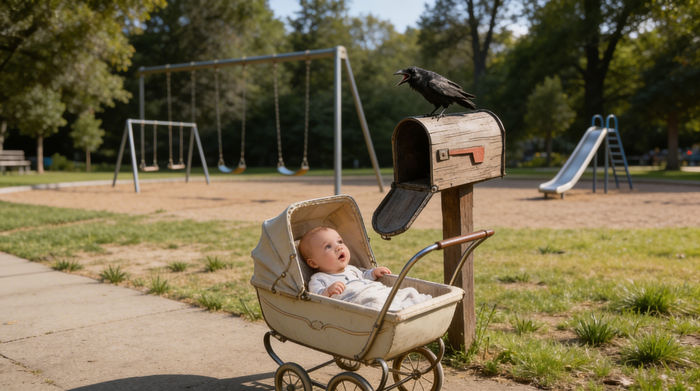
Share a scene description with character references. Get a full storyboard with shot angles and mood.
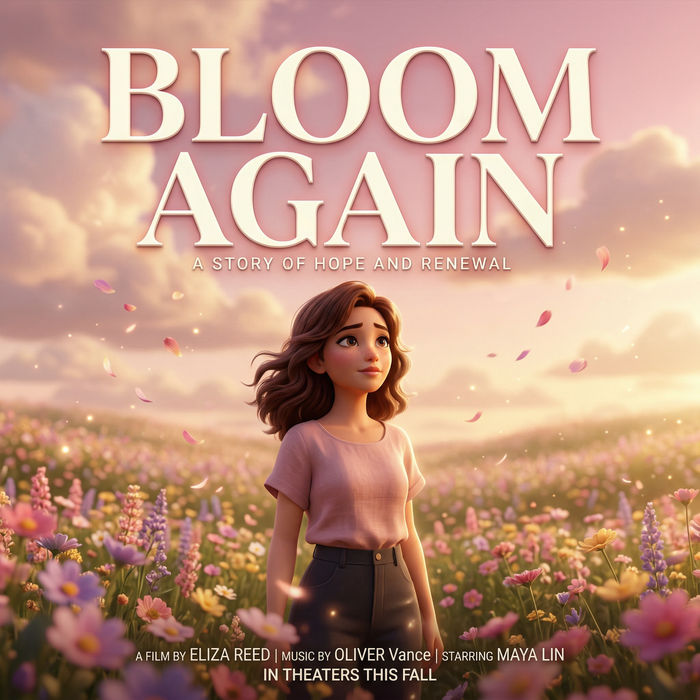
Generate a professional film title card from scratch, with optional cinematic animation.
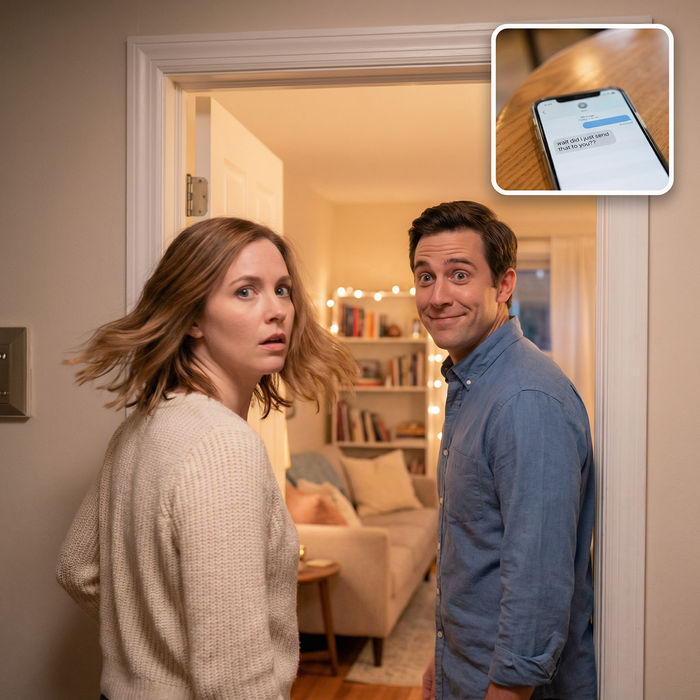
Dramatize any text conversation into a cinematic multi-shot video.
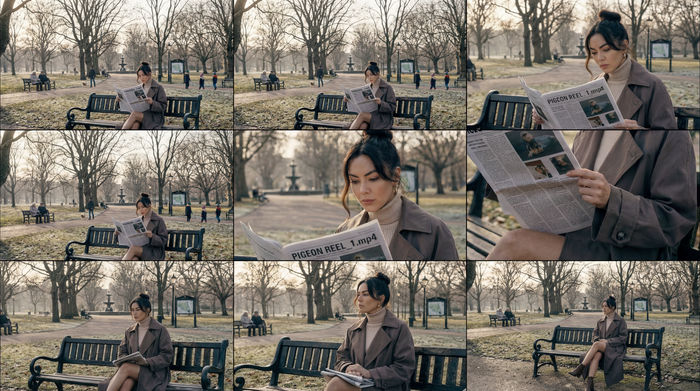
Feed in a single image. Get 9 cinematic beats laid out as a 3x3 storyboard grid.

Turn any photo or description into an animated chibi sprite. Dance, jump, wave, attack, and more.

Describe a first-person scenario. Get sequential POV frames animated into video clips with audio.
Mulai gratis hari ini, dengan opsi untuk upgrade atau membatalkan kapan saja.
Basic
2400 bulanan kredit
1 pengguna saja
Semua model
Workflows
Standard
3625 bulanan kredit
1 pengguna saja
Semua model
Workflows
Pro
6350 bersama bulanan kredit
1 pengguna
Semua model
Workflows
Max
24650 bersama bulanan kredit
1 pengguna
Semua model
Workflows
Enterprise
Untuk batas yang lebih tinggi
Khusus
ketentuan harga dan penagihan

Free
Untuk bereksperimen
$0
gratis selamanya