Experimental fiction AI voices

Try Morphic

Browse AI experimental fiction voices, from fractured stream reads to deadpan collage voices, build one in the generator, then lip sync it to a face on screen.

Experimental fiction voices for experimental fiction, postmodern novels, and prose poetry

Pax

A restless, shifting experimental fiction voice, fractured and unpredictable for stream-of-consciousness passages

Nieve

A flat, ironic experimental fiction voice, deadpan and detached for fragmented collage prose

Orrin

A slow, incantatory experimental fiction voice, hypnotic and circling for repetition-driven texts

Zelia

A cool, analytical experimental fiction voice, clinical and precise for conceptual prose

Hadi

A mercurial, sly experimental fiction voice, playful and unstable for metafictional games

Rune

A hushed, porous experimental fiction voice, spare and lyric for prose poetry

Design your experimental fiction voice

Mix and match the traits below. Your prompt builds as you go.

Archetype
Depth
Texture
Mood

A bottomless, gravelly, menacing overlord experimental fiction voice

Generate

Turn an experimental fiction voice into a talking character

Most voice tools stop at an audio file. Morphic lip syncs the read onto a face so a performance-piece reader or a gallery narrator speaks every line on screen, mouth and timing matched, taking you from a fractured passage to a talking experimental fiction clip.
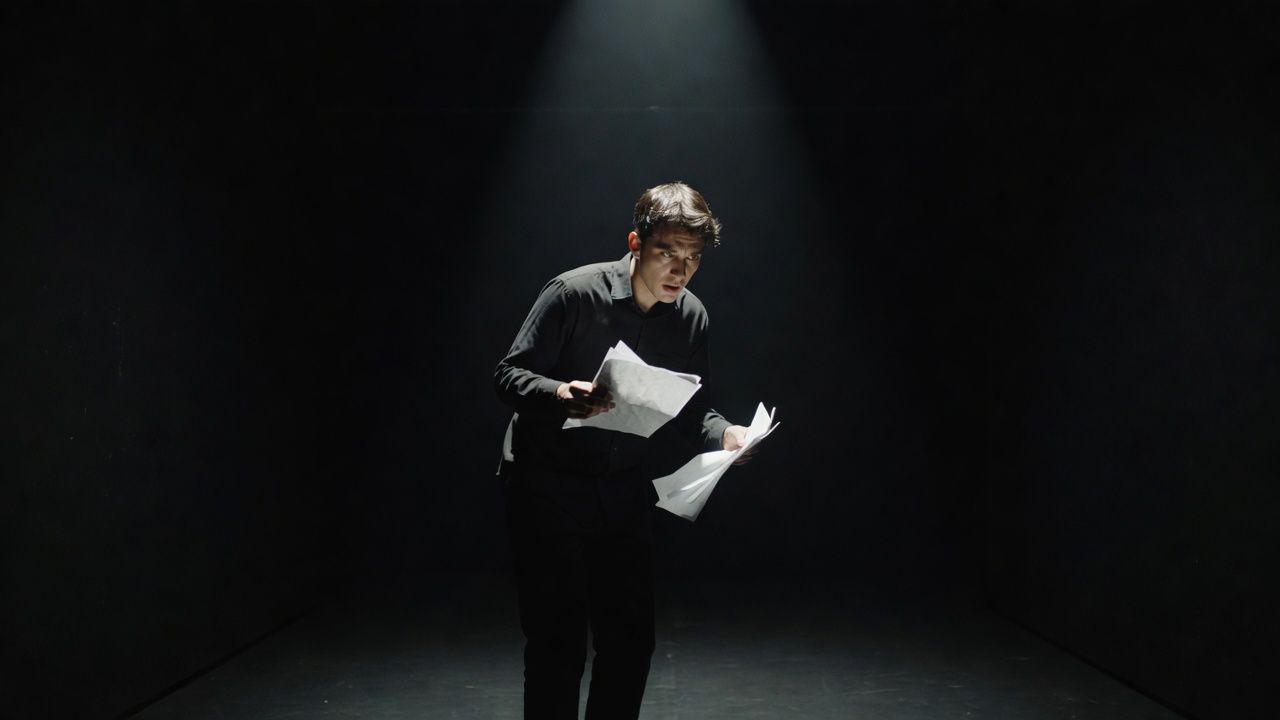
Solo performer reading from loose pages under a single spotlight in a black-box space

Avant-garde voices for experimental fiction, postmodern novels, and prose poetry

Match the form your text refuses to settle into. From fractured stream voices to deadpan collage readers, each narrator is directed from a prompt and ready to carry a postmodern novel, a fragmented prose-poetry sequence, or a metafictional piece through its sudden shifts and ruptures.
Loose typewritten pages scattered across a table with handwritten margins

Experimental fiction voice text to speech for chapters and readings

Paste a section and turn it into finished narration in seconds, no recording booth. Morphic converts your manuscript into an unconventional, shifting read for full audiobooks, online journal features, and live-reading rehearsals, with rhythm and rupture you direct in plain English.
Annotated draft pages with cut-and-pasted fragments on a cluttered desk

An experimental fiction voice generator you direct in plain English

Describe the reader you want, name the fragmentation, the irony, the loops and silences, and the generator builds the performance. Re-voice the same section as a different avant-garde reader anytime by editing the prompt, a whole cast of readers from one workspace.
Abstract arrangement of paper strips and ink marks on a pale surface

More voice styles

Simple pricing

Get started for free today, with the option to upgrade or cancel anytime.

Basic

$0/ month
billed as $0 per year

900 monthly credits

1 user only

All models

Workflows

Standard

$0/ month
billed as $0 per year

3200 monthly credits

1 user only

All models

Workflows

Pro

$0/ month
billed as $0 per year

6200 shared monthly credits

1 user

+ up to 4 more at extra cost

All models

Workflows

Pro Max

$0/ month
billed as $0 per year

24000 shared monthly credits

1 user

+ up to 9 more at extra cost

All models

Workflows

Enterprise

For higher limits

Custom

pricing and billing terms

Unlimited credits
Custom seat limits
All models
Workflows
Pricing Gradient

Free

For playing around

$0

forever free

Up to 20 credits
1 user only
Limited models
Workflows

FAQs

What is an AI experimental fiction voice?
An AI experimental fiction voice is a read shaped around an unconventional persona rather than a single fixed model. You describe the narrator, such as a fractured stream voice or a deadpan collage reader, then direct the shifts, ruptures, and silences so the performance honours how the text breaks its own rules. In Morphic the same section can be re-voiced as a different narrator without re-recording anything.
How do I make a custom experimental fiction voice in Morphic?
Open the speech tool, paste a section of your text, and describe the narrator in plain English. Name the register shifts, the deadpan or hypnotic quality, and where the rhythm should fracture, then generate, listen, and adjust the prompt until the read matches the form. The configurator on this page composes that direction for you and carries it straight into Studio.
Can I turn an experimental fiction voice into a talking presenter?
Yes. After you render the narration, the lip sync tool maps the audio onto a face so the mouth and timing match the read. That takes you from a fragmented passage to a talking experimental fiction clip for performance pieces and gallery installations, the step a voice-only generator cannot complete.
Can I use experimental fiction voices commercially?
Yes, voices generated on paid Morphic plans can be used in commercially distributed audiobooks, literary-journal audio features, and installation soundtracks. Review the Morphic terms for full licensing detail before publishing on retailer platforms.
How many experimental fiction voices can I create?
There is no fixed roster. Because each narrator is directed from a prompt, you can build a whole spectrum of unstable readers, the fractured, the clinical, the incantatory, and revise any of them by editing the direction. A full cast of avant-garde readers from one workspace.
What languages and accents do experimental fiction voices support?
The Morphic speech tool supports English plus a growing set of languages and accents. For experimental work you can specify a particular regional inflection, a flattened neutral tone, or shifting accents across a single piece, all named directly in the prompt.