Latin AI voices

Try Morphic

Browse Latin AI voices from ecclesiastical narrators to trailer reads, build your own with the Latin voice generator, then lip sync any line to a talking host.

Latin voices for documentary, liturgy, and trailers

Cassius

A resonant classical latin voice, grave and stately, with hard restored-pronunciation consonants for oratory and inscriptions

Aurelia

A lucid latin narrator voice, measured and even, ideal for history documentary and museum audio

Benedictus

A reverent ecclesiastical latin voice, warm and soft, with Italianate church pronunciation for liturgy and choral intros

Livia

An unhurried latin reader voice, clear and gentle, suited to long-form classical texts and poetry

Marcus

A monumental latin trailer voice, dark and weighty, for epic titles, mottos, and inscriptions

Flavia

A poised latin host voice, articulate and steady, for classroom explainers and language teaching

Design your latin voice

Mix and match the traits below. Your prompt builds as you go.

Archetype
Depth
Texture
Mood

A bottomless, gravelly, menacing overlord latin voice

Generate

Turn a Latin voice into a talking host

Most tools leave you with a bare audio file. Morphic maps the read onto a face so a presenter speaks the line on screen, mouth and timing matched, carrying you from a script to a talking Latin clip for a history segment or a trailer card.

Photorealistic 16:9 medium close-up of a stern middle-aged man in a plain draped

Classical Latin voices for documentary, liturgy, and trailers

Cast a grave classical orator for a museum film, a reverent cantor for a choral intro, or an unhurried reader for a classical audiobook. Drop a measured history narrator, a monumental trailer voice, or a poised lecture host into factual films, liturgical pieces, and epic titles.
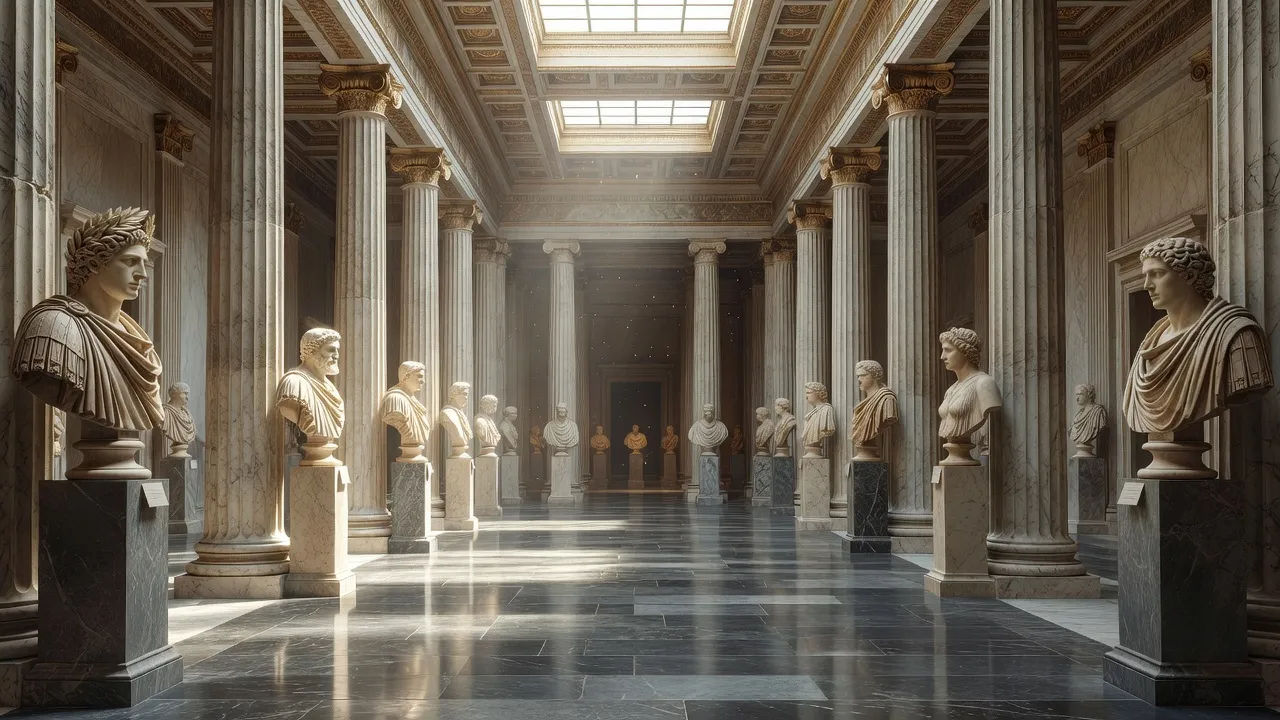
Photorealistic 16:9 wide interior of a grand classical museum gallery of Roman antiquities

Latin voice text to speech for narration and mottos

Paste a passage or a single inscription and turn it into a Latin voiceover in seconds, no booth required. Choose restored classical or Italianate ecclesiastical pronunciation, and direct the gravity, the tempo, and the reverence in plain English.

Photorealistic 16:9 close-up of a hand with a reed-style pen writing on plain

A Latin voice generator you direct in plain English

Describe the read you want, name the register, the weight, and the mood, and the generator builds it. Re-voice the same line from a classical orator to a soft ecclesiastical cantor by editing the prompt, a whole cast of Latin reads from one workspace.
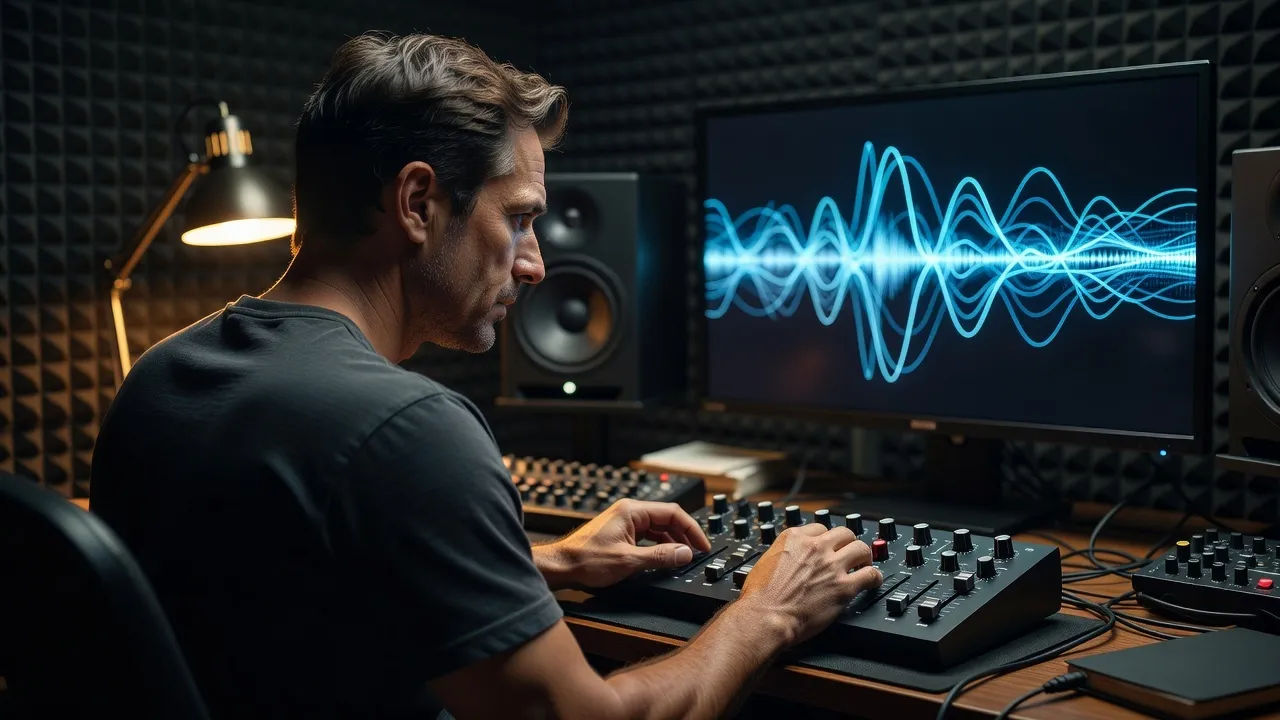
Photorealistic 16:9 over-the-shoulder shot of a male audio producer in a dim studio

More voice styles

Simple pricing

Get started for free today, with the option to upgrade or cancel anytime.

Basic

$9/ month
billed as $0 per year

900 monthly credits

1 user only

All models

Workflows

Standard

$24/ month
billed as $0 per year

3200 monthly credits

1 user only

All models

Workflows

Pro

$45/ month
billed as $0 per year

6200 shared monthly credits

1 user

+ up to 4 more at extra cost

All models

Workflows

Pro Max

$170/ month
billed as $0 per year

24000 shared monthly credits

1 user

+ up to 9 more at extra cost

All models

Workflows

Enterprise

For higher limits

Custom

pricing and billing terms

High-volume credits
Custom seat limits
All models
Workflows
Pricing Gradient

Free

For playing around

$0

forever free

Up to 20 credits
1 user only
Limited models
Workflows

FAQs

What is an AI Latin voice?
An AI Latin voice is a generated voiceover that speaks Latin, shaped around a persona rather than one fixed reader. You describe the voice you want, such as a grave classical orator or a reverent ecclesiastical cantor, then direct tempo, gravity, and pronunciation so it fits the scene. In Morphic the same passage can be re-voiced as a different Latin character without recording anyone.
How do I make a custom Latin voice in Morphic?
Open the speech tool, paste your Latin text, and describe the voice in plain English. Name the register, the weight, and whether you want restored classical or ecclesiastical pronunciation, then generate, listen, and adjust. The voice designer on this page composes that direction and carries it into Studio.
Can I turn a Latin voice into a talking video?
Yes. Once the voiceover renders, the lip sync tool maps the audio onto a face so mouth and timing match the read. That takes you from a script to a talking Latin narrator or orator in one workflow, the step a voice-only generator cannot finish.
Can I use these Latin voices commercially?
Yes, voices generated on paid Morphic plans can be used in commercial documentaries, museum installations, and branded film. Latin classical texts are public domain, so the source material is clear, and you should review the Morphic terms for full licensing detail before release.
How many Latin voices can I create?
There is no fixed roster. Because each voice is directed from a prompt, you can build as many Latin voices as a project needs and revise any of them by editing the direction. Assemble a full cast, from a classical orator to a soft cantor, from one workspace.
What pronunciation and styles do Latin voices support?
You can steer between restored classical pronunciation, with hard consonants and long vowels for oratory, and Italianate ecclesiastical pronunciation for liturgy and choral work. Specify the register and formality in the prompt, then pair it with the timbre and mood the scene needs.