Esperanto AI voices
Try MorphicBrowse Esperanto AI voices from neutral narrators to course hosts, build your own with the Esperanto voice generator, then lip sync any line to a talking host.
Esperanto voices for courses, explainers, and community media
Zameno
A clear esperanto narrator voice, even and neutral, with the language's regular one-sound-per-letter pronunciation for documentary and explainers
Klara
A patient esperanto host voice, warm and encouraging, pacing each phrase for language learners
Petro
A plain esperanto reporter voice, direct and grounded, for community media and news bulletins
Helena
A bright esperanto explainer voice, precise and light, for tutorials and how-to reads
Teodoro
A thoughtful esperanto narrator voice, measured and calm, for documentary about the language movement
Sofia
A gentle esperanto reader voice, steady and unhurried, for long-form text and children's readers
Design your esperanto voice
Mix and match the traits below. Your prompt builds as you go.
A bottomless, gravelly, menacing overlord esperanto voice
GenerateTurn an Esperanto voice into a talking host
Most tools stop at an audio file. Morphic maps the read onto a face so your host speaks the line on screen, mouth and timing matched, taking you from a script to a talking Esperanto clip for a lesson or a community explainer.

Neutral Esperanto voices for courses, explainers, and community media
Cast a patient course host for a lesson, a plain community reporter for a bulletin, or a bright explainer for a tutorial. Drop an even neutral narrator, a thoughtful documentary voice, or a gentle audiobook reader into learning videos, local media, and long-form reads.

Esperanto voice text to speech for lessons and explainers
Paste your script and turn it into an Esperanto voiceover in seconds, no booth needed. The language reads one sound per letter, so pronunciation stays clean, and you direct the pace, the pitch, and the warmth in plain English.
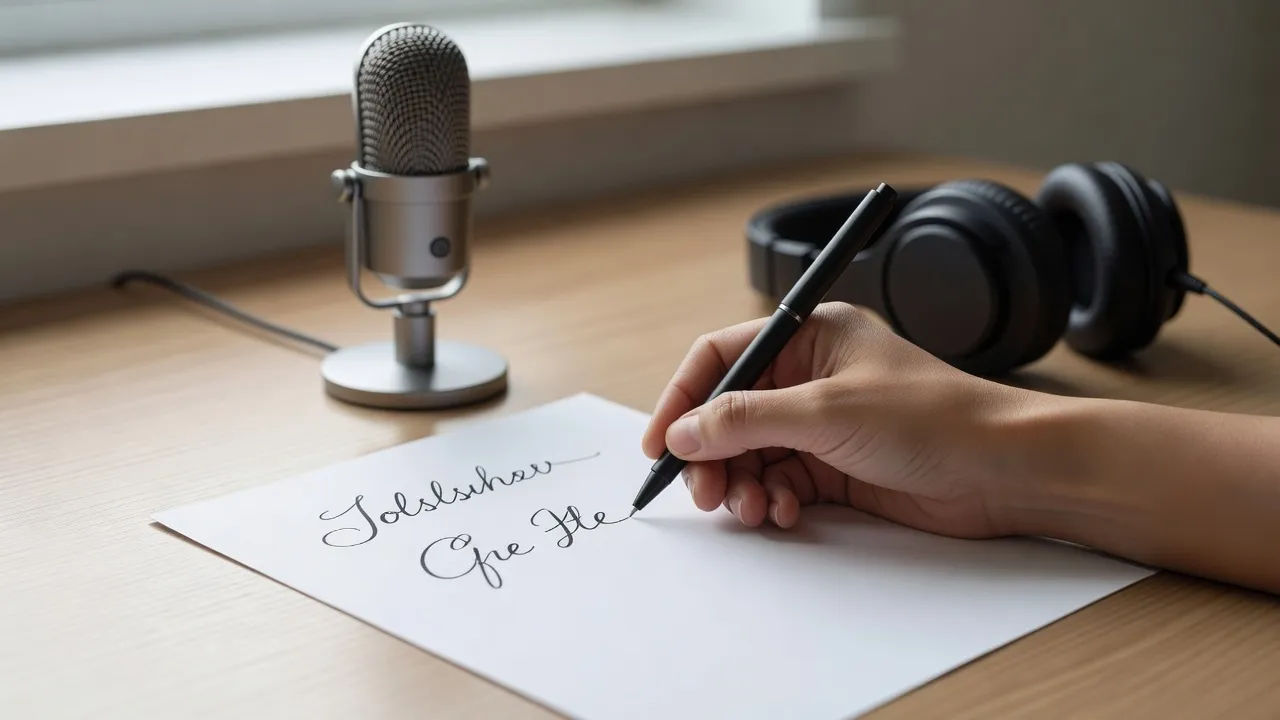
An Esperanto voice generator you direct in plain English
Describe the voice you want, name the clarity, the tempo, and the mood, and the generator builds the read. Re-voice the same line from a neutral narrator to an encouraging course host by editing the prompt, a whole cast of Esperanto reads from one workspace.
More voice styles
Simple pricing
Get started for free today, with the option to upgrade or cancel anytime.
Basic
2400 monthly credits
1 user only
All models
Workflows
Standard
3625 monthly credits
1 user only
All models
Workflows
Pro
6350 shared monthly credits
1 user
All models
Workflows
Max
24650 shared monthly credits
1 user
All models
Workflows
Enterprise
For higher limits
Custom
pricing and billing terms

Free
For playing around
$0
forever free