Old-time radio AI voices
Try MorphicBrowse AI old-time radio voices, from a velvet announcer to a crackling drama lead, build your own in the generator, then lip sync the broadcast to a face on screen.
Old-time radio voices for radio dramas, audio theater, and nostalgia broadcasts
Marlon
A velvet, resonant old-time radio voice, warm and mid-century for the station announcer between segments
Vera
A bright, poised old-time radio voice, theatrical and crisp for the leading lady of a serial drama
Clyde
A clipped, weary old-time radio voice, hard-boiled and lean for the lead of a mystery serial
Bess
A cheery, lively old-time radio voice, inviting and bright for a variety program host
Floyd
A solemn, hushed old-time radio voice, ominous and measured for a suspense anthology host
Opal
A smooth, charming old-time radio voice, sweet and upbeat for the sponsor and jingle reads
Design your old-time radio voice
Mix and match the traits below. Your prompt builds as you go.
A bottomless, gravelly, menacing overlord old-time radio voice
GenerateTurn an old-time radio voice into a talking character
Most voice tools stop at an audio file. Morphic maps the broadcast onto a face so an announcer at a vintage microphone speaks every line on screen, mouth and timing matched by lip sync, taking you from a typed script to a talking old-time radio clip.
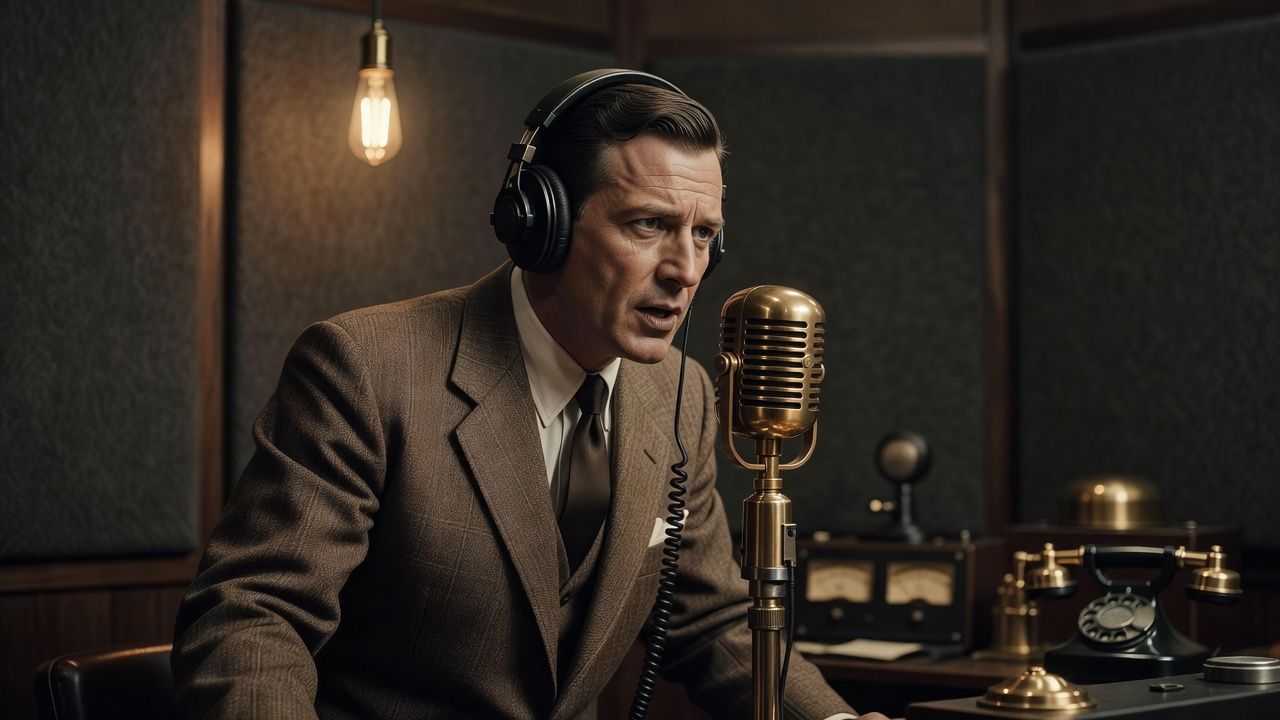
Vintage voices for radio dramas, audio theater, and nostalgia broadcasts
Cast a full mid-century lineup. Browse voices from a velvet announcer to a hard-boiled serial lead, each directed from a prompt and ready to carry a rain-soaked mystery drama, a variety hour, or a warm nostalgia broadcast that sounds straight off the dial.
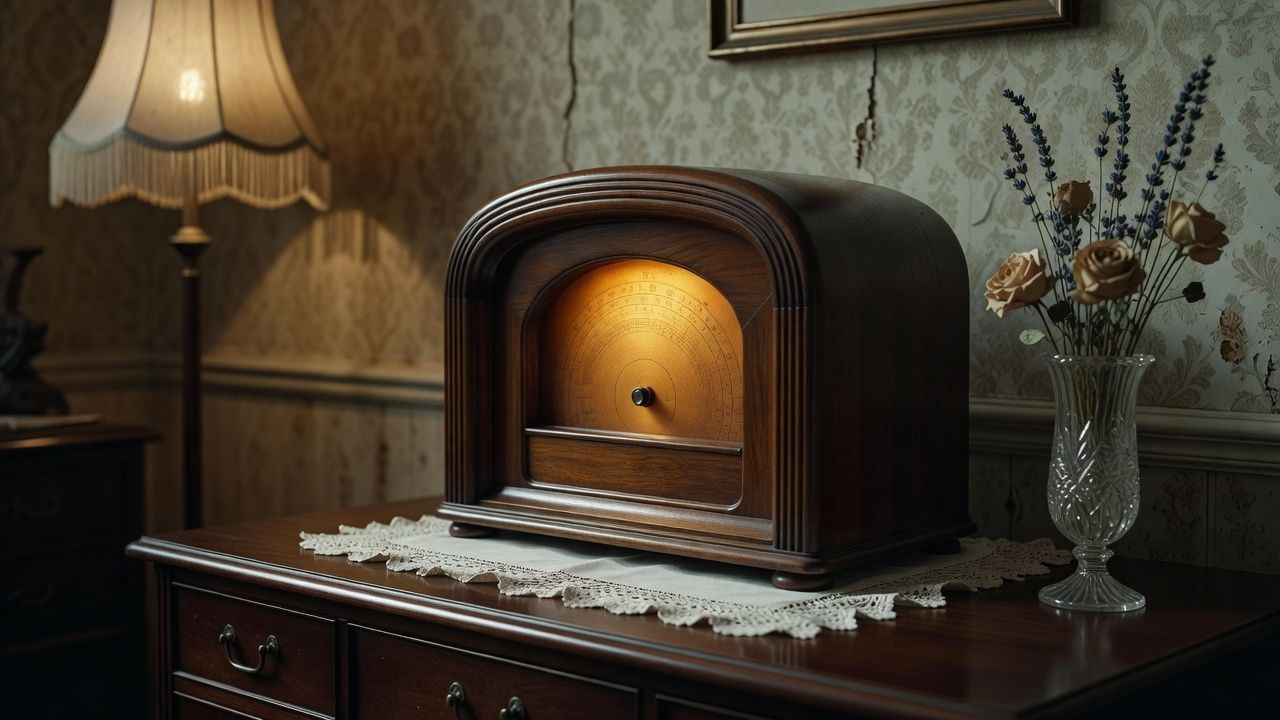
Old-time radio voice text to speech for serials and sponsor reads
Paste a script and turn it into a finished broadcast in seconds, no recording booth. Morphic converts your pages into a warm, period read for episodic serials, audio theater, and sponsor segments, with cadence and resonance you direct in plain English.
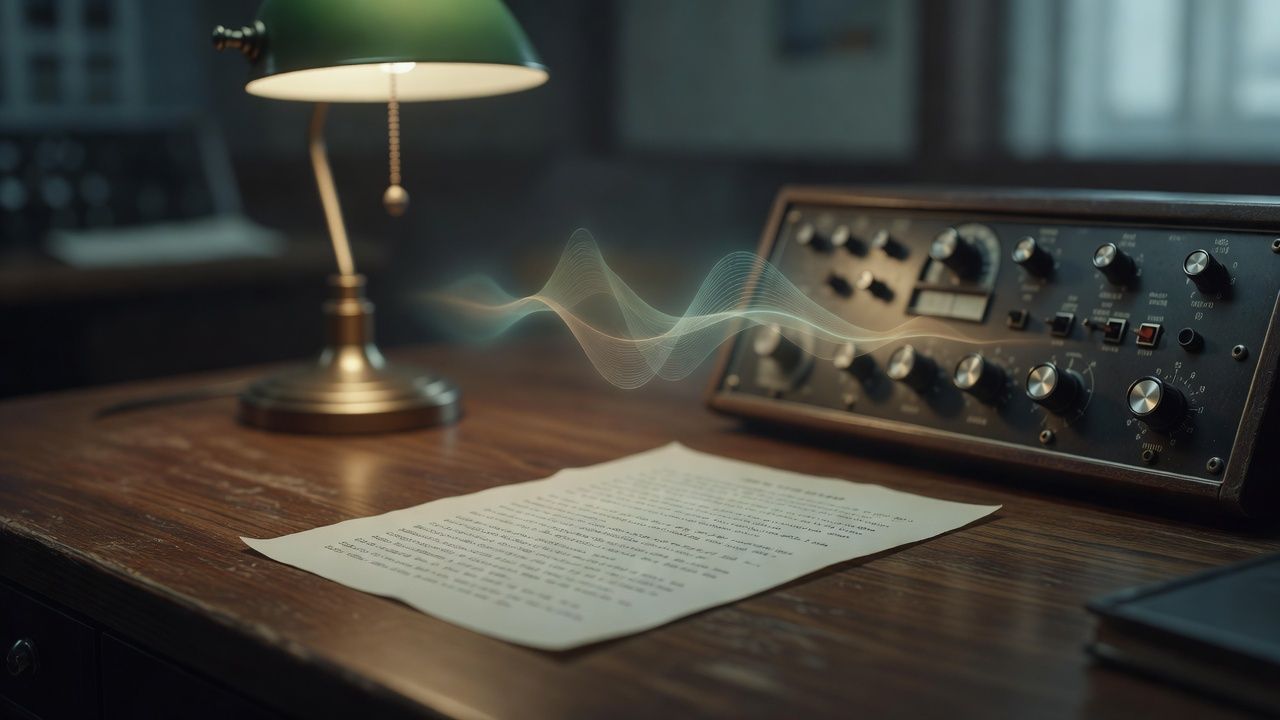
An old-time radio voice generator you direct in plain English
Describe the broadcaster you want, name the warmth, the clip, and the mid-century polish, and the generator builds the read. Re-voice the same scene as a different vintage performer anytime by editing the prompt, a whole studio cast from one workspace.
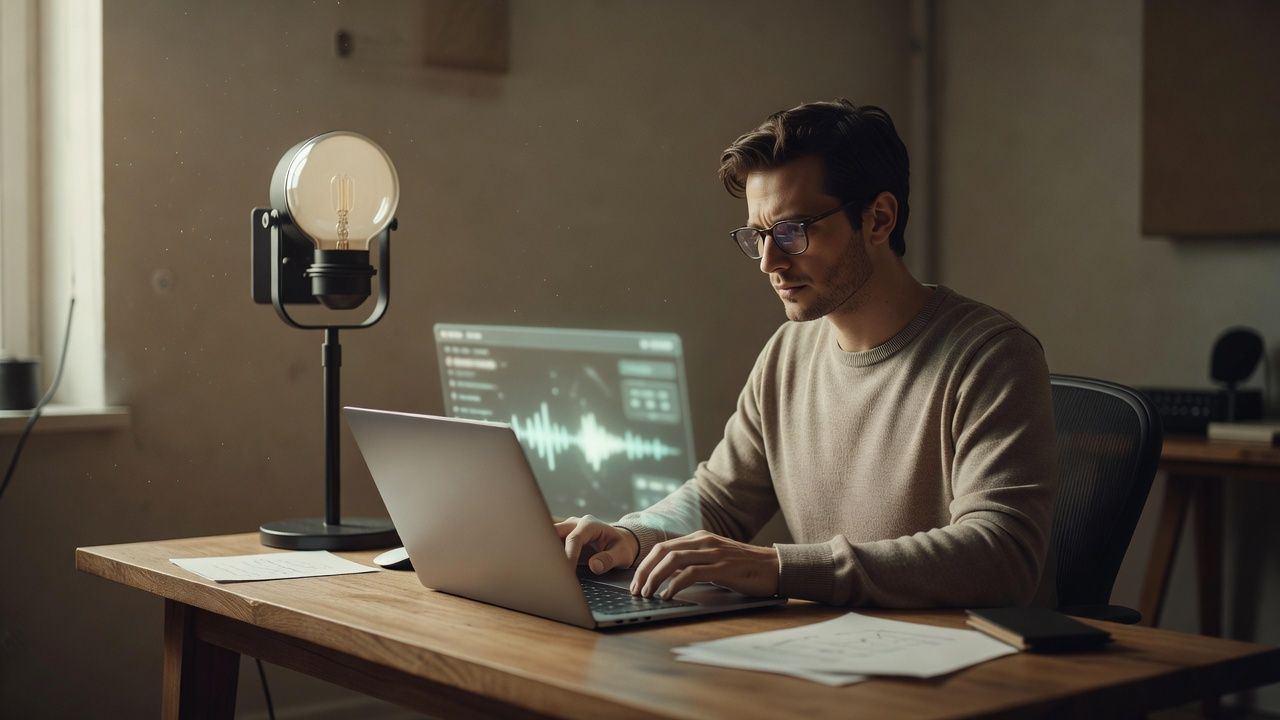
More voice styles
Simple pricing
Get started for free today, with the option to upgrade or cancel anytime.
Basic
2400 monthly credits
1 user only
All models
Workflows
Standard
3625 monthly credits
1 user only
All models
Workflows
Pro
6350 shared monthly credits
1 user
All models
Workflows
Max
24650 shared monthly credits
1 user
All models
Workflows
Enterprise
For higher limits
Custom
pricing and billing terms

Free
For playing around
$0
forever free