



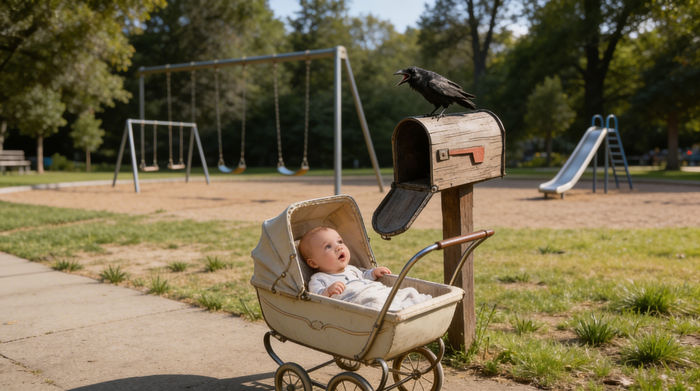
An establishing shot
The frame that opens an episode and sets the world. Generated against the saved location reference so every episode in the season shares the same place rather than drifting between batches.
프롬프트 편집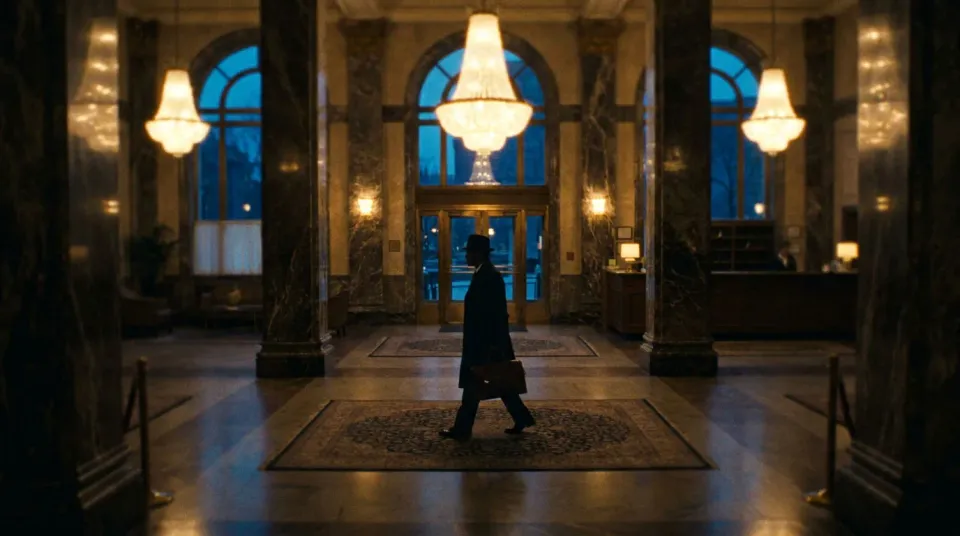
As of October 2026, producing a microdrama at scale means running a 60-episode season as a pipeline rather than sixty one-off shoots. The episodes are grouped into batches, each batch generated against the same saved character and location references so the cast and world hold across the run, and a review gate sits between generation and release. The work that makes it scale is repeatable: a workflow you save once and run per episode, so a small team moves a season through the same pass instead of rebuilding it each time.

Break the season into episodes and the episodes into shots, then save the character and location references the whole run will draw on. This is the setup that lets everything downstream stay consistent: each generation is passed the same saved references rather than a fresh description.
Group the run into batches rather than treating sixty episodes as sixty projects, five batches of about twelve is a workable shape for a 60-episode season. A batch shares its references and its look, so the cast and the world hold inside it, and you draft shots cheaply at preview resolution before rendering only the keepers at full.
Save the per-episode sequence as a workflow, then duplicate it, swap the inputs and run it for the next episode, generating across the batch at once. A review gate between generation and release is where a person checks continuity and quality before anything ships, so throughput never outruns the sign-off.
A microdrama season is assembled from a handful of recurring shot types, an establishing shot, a dialogue beat, an action beat, a cliffhanger, each generated against the same saved references so the look and the cast stay consistent from the first batch to the last.
The frame that opens an episode and sets the world. Generated against the saved location reference so every episode in the season shares the same place rather than drifting between batches.
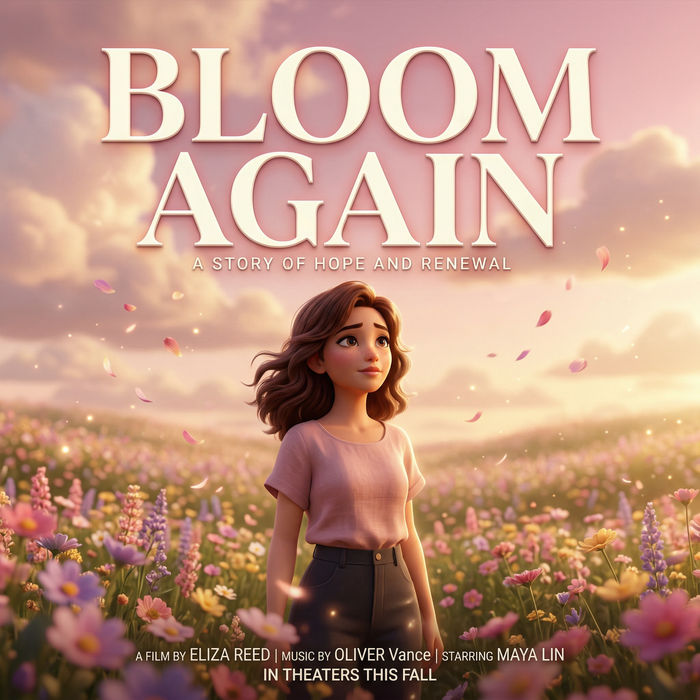
프롬프트 편집The two-character exchange a microdrama turns on. The saved character references carry the same faces across every batch, so the leads are recognisable from episode one to the finale.
프롬프트 편집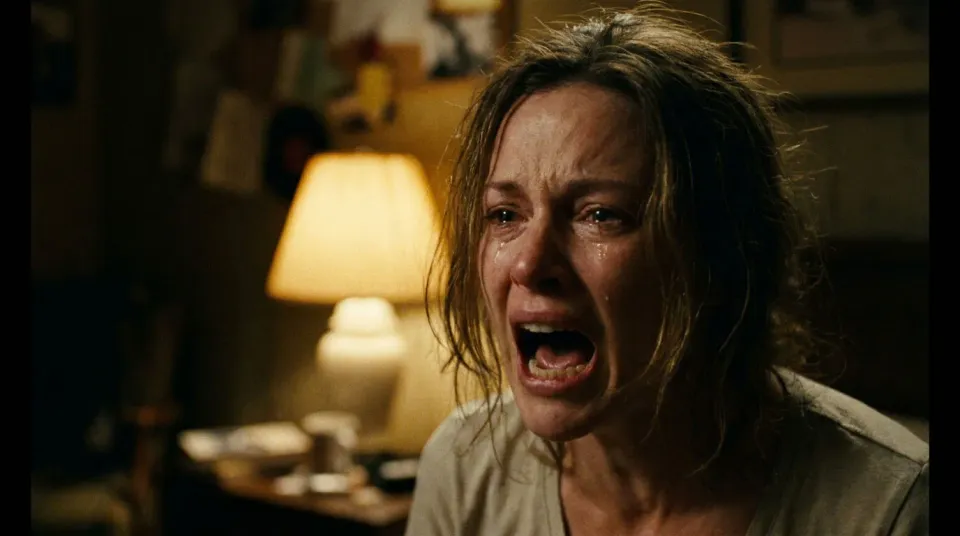
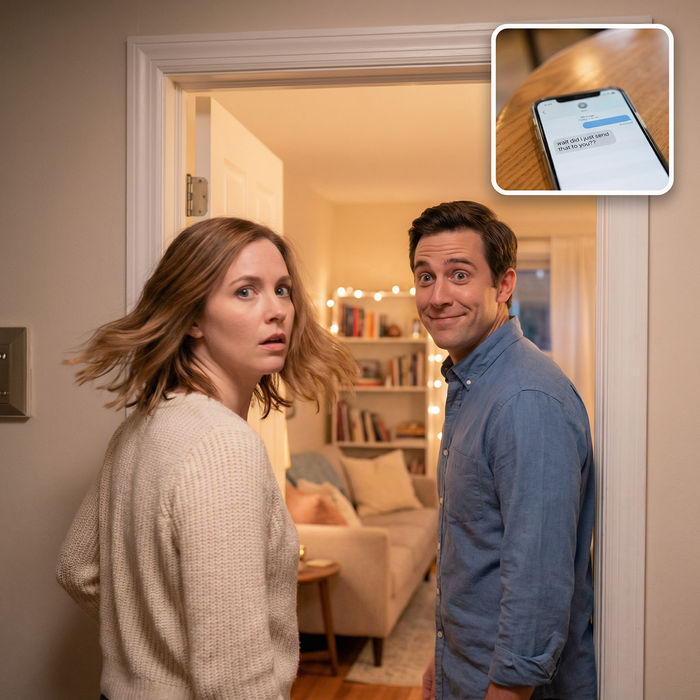
A kinetic moment that raises the stakes mid-episode. Drafted cheaply at preview resolution first, then rendered at full only once the beat is the keeper, so the budget goes to the shots that ship.
프롬프트 편집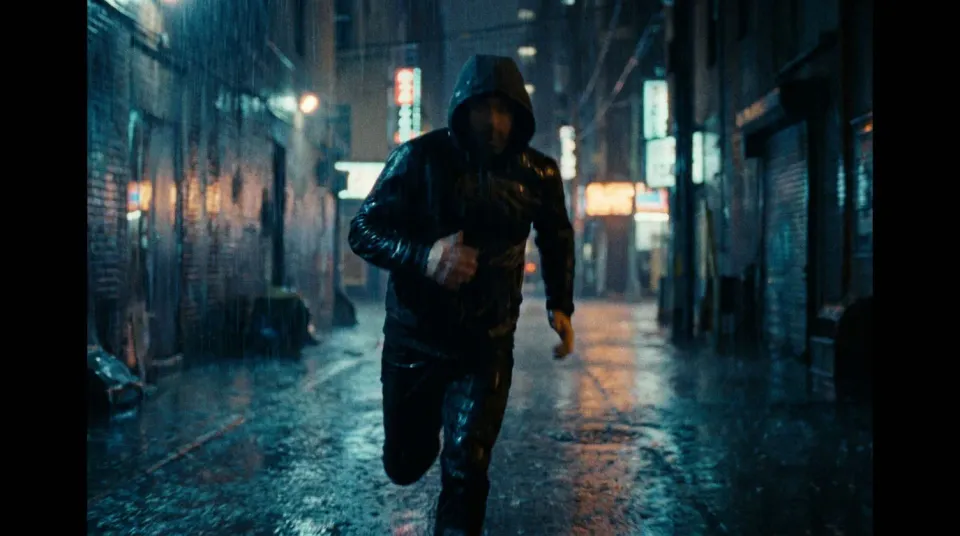
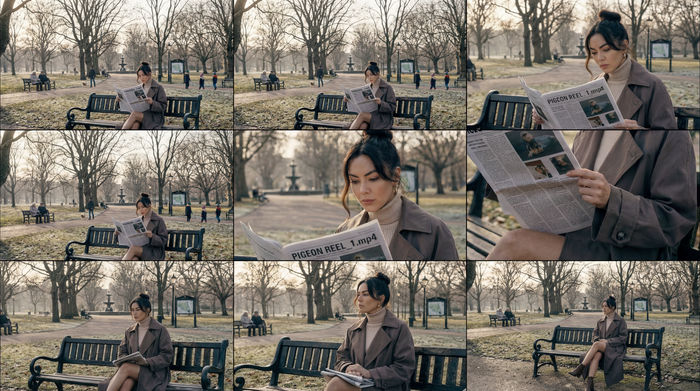
The last frame before the cut, the hook that pulls the next episode. The same character reference lands the reaction so the cliffhanger reads as the same person the viewer has been following all season.
프롬프트 편집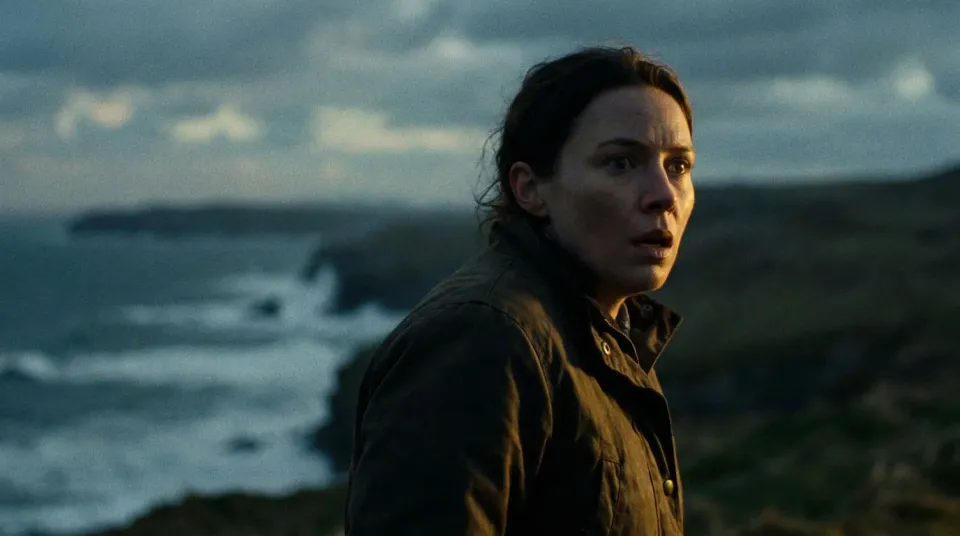
AI covers the mechanical volume of a season, batching, templates, parallel generation, consistency. Creative direction, the review gates and continuity sign-off still want a person, so here is where each one sits.
캐릭터 참조가 포함된 장면 설명을 공유하세요. 촬영 각도와 분위기가 포함된 전체 스토리보드를 받으세요.
선택적인 영화 애니메이션과 함께 처음부터 전문적인 영화 타이틀 카드를 생성합니다.
모든 텍스트 대화를 영화 같은 멀티샷 비디오로 각색하세요.
단일 이미지를 입력하세요. 3x3 스토리보드 그리드로 구성된 9개의 시네마틱 비트를 얻으세요.

사진이나 설명을 애니메이션 치비 스프라이트로 변환하세요. 춤추고, 점프하고, 손 흔들고, 공격하는 등 다양한 동작을 할 수 있습니다.

1인칭 시나리오를 설명합니다. 순차적인 POV 프레임을 오디오와 함께 비디오 클립으로 애니메이션화합니다.
오늘 무료로 시작하고 언제든지 업그레이드하거나 취소할 수 있습니다.
Basic
2400 월간 크레딧
1 명 전용
모든 모델
워크플로
Standard
3625 월간 크레딧
1 명 전용
모든 모델
워크플로
Pro
6350 공유 월간 크레딧
1 사용자
모든 모델
워크플로
Max
24650 공유 월간 크레딧
1 사용자
모든 모델
워크플로
Enterprise
더 높은 제한
사용자 정의
가격 및 청구 조건

Free
가볍게 사용해보기
$0
영구 무료