
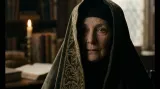
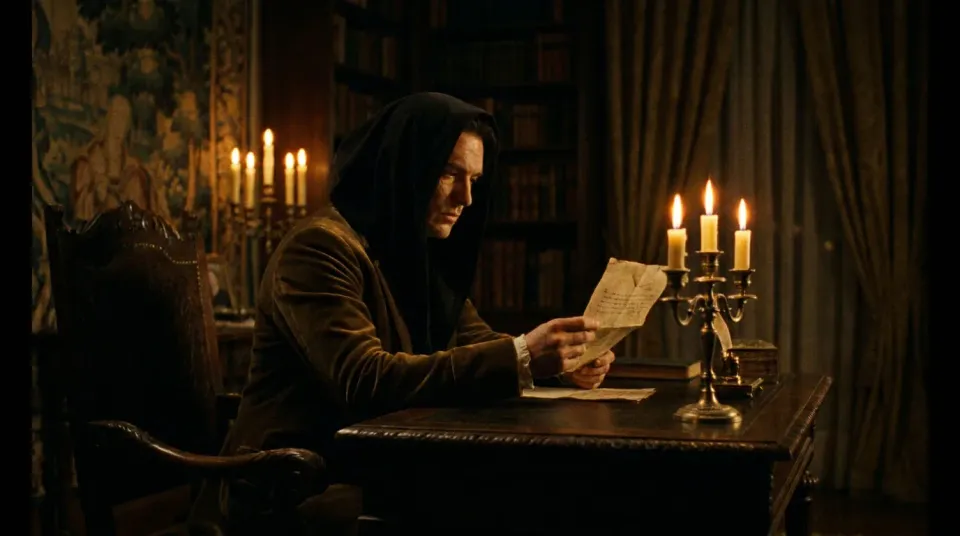
A chapter opening
The frame that opens the episode and sets the chapter in motion. Generated against the saved location reference so a recurring setting looks the same each time the series returns to it.
프롬프트 편집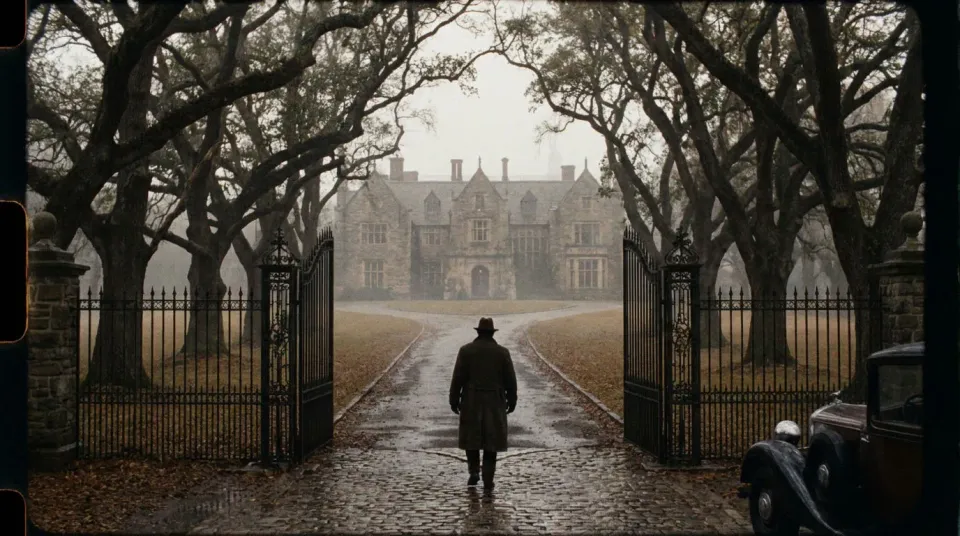
As of October 2026, a publisher can turn one web-novel chapter into a single 90-second vertical episode as a repeatable pass rather than a bespoke production. The chapter text becomes a beat sheet, the recurring characters are cast once as saved references, and the scenes are generated against them and assembled on the timeline. The adaptation choices, the casting approval and the review gates stay manual, because what makes a chapter land on screen is editorial judgement, not throughput.
The chapter is broken down into its beats, the scenes, the turns and the moment the episode should end on. This is where the adaptation is shaped: what a 90-second episode keeps, what it compresses and where it cuts, which is an editorial call the breakdown makes visible before anything is generated.
The recurring characters are cast once as saved references, a face and a look per character, and a saved voice to pair with it. A saved reference beats a worded description and nothing is trained, so once a character is approved, every scene and every later episode is passed the same reference and the cast stays recognisable across the series.
The scenes are generated against the saved cast and assembled on the timeline in one workspace, drafted cheaply at preview resolution and rendered at full only once a scene is the keeper. A review gate sits before release, where the editorial team checks the adaptation against the chapter before the episode ships.
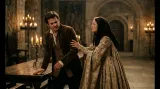
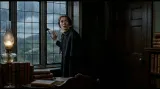
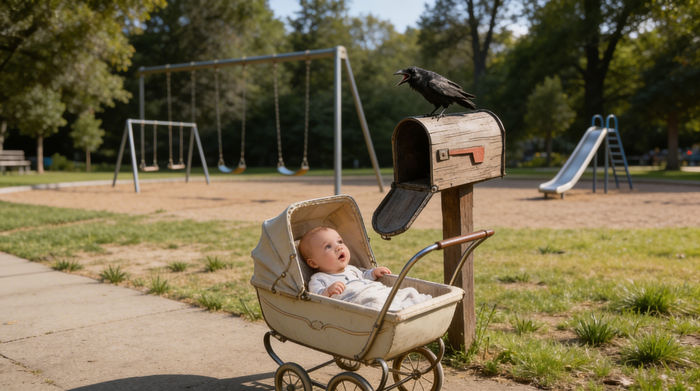
A chapter adapts into a handful of recurring frame types, a chapter opening, a character reveal, a dramatic turn, a cliffhanger, each generated against the cast saved from the text so the characters stay the same person from the first episode to the last.
The frame that opens the episode and sets the chapter in motion. Generated against the saved location reference so a recurring setting looks the same each time the series returns to it.
프롬프트 편집The moment a key character is introduced on screen. The saved reference casts them once from the text, so the reveal matches the reader’s mental image and stays consistent across every later episode.
프롬프트 편집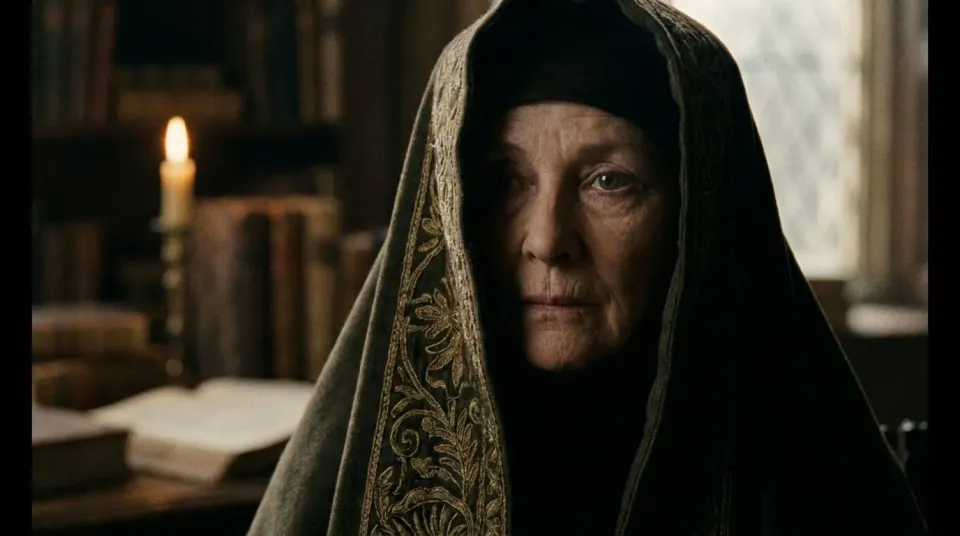
The beat where the chapter pivots. Drafted cheaply at preview resolution first, then rendered at full once the turn is the keeper, so the budget follows the scenes that make the episode.
프롬프트 편집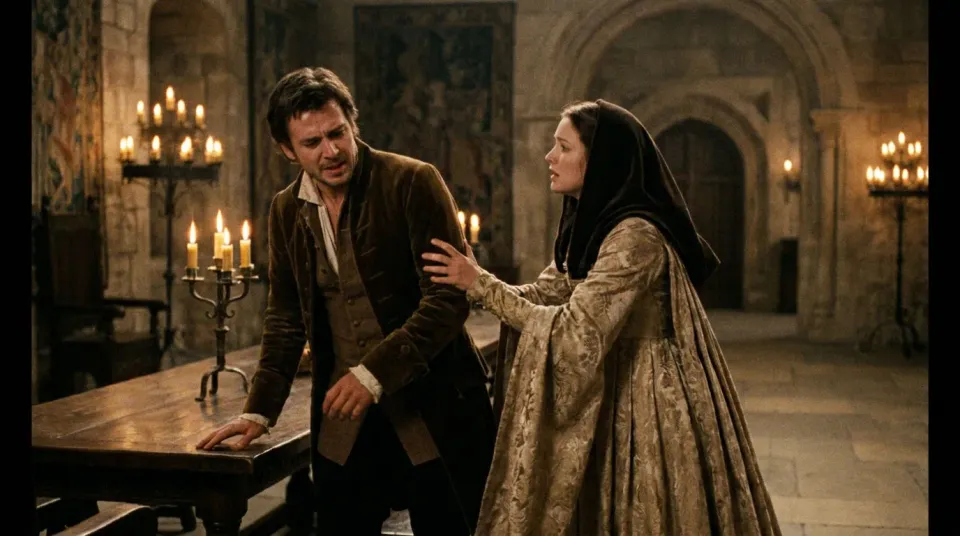
The last frame before the cut, the hook the chapter ends on. The saved cast lands the reaction so the cliffhanger reads as the same character the reader has been following.
프롬프트 편집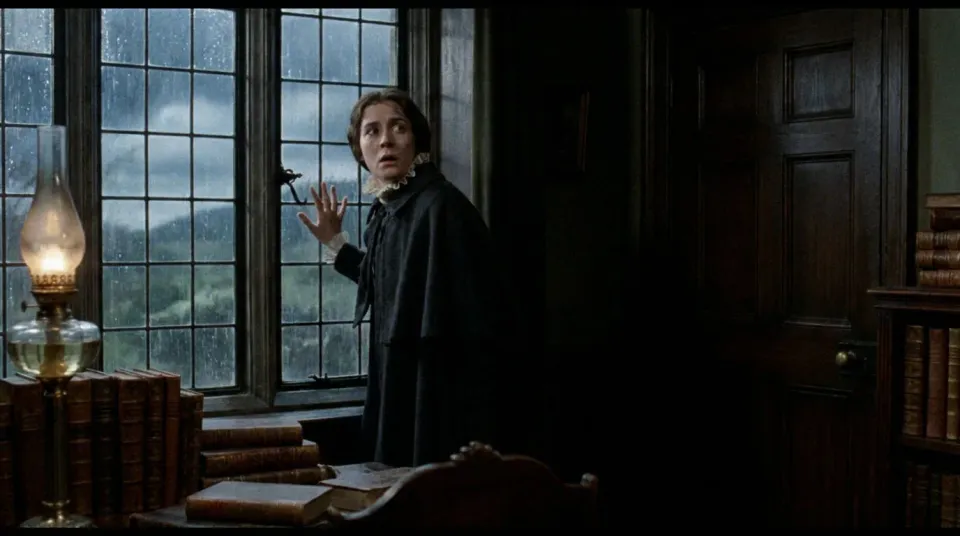
AI covers the breakdown, the casting and the generation. Adaptation choices, casting approval, the review gates and the rights to the source novel stay with a person, so here is where each one sits.
캐릭터 참조가 포함된 장면 설명을 공유하세요. 촬영 각도와 분위기가 포함된 전체 스토리보드를 받으세요.
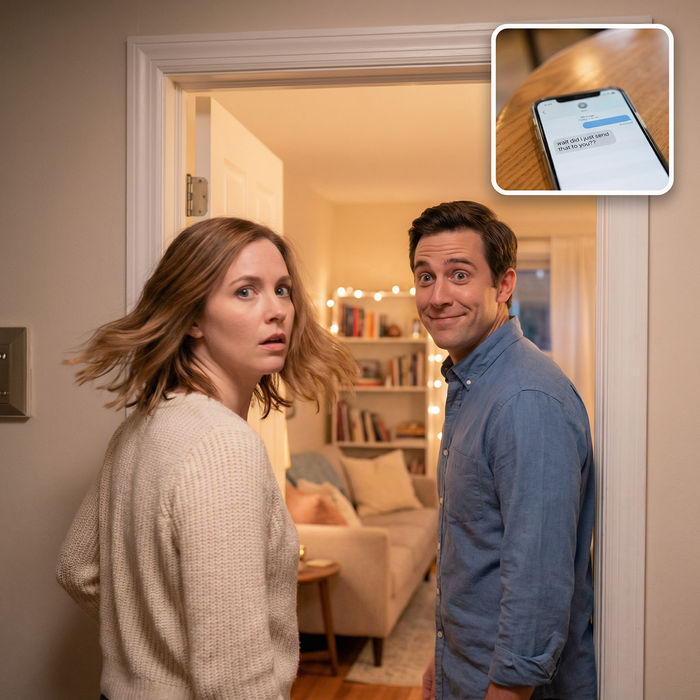
모든 텍스트 대화를 영화 같은 멀티샷 비디오로 각색하세요.
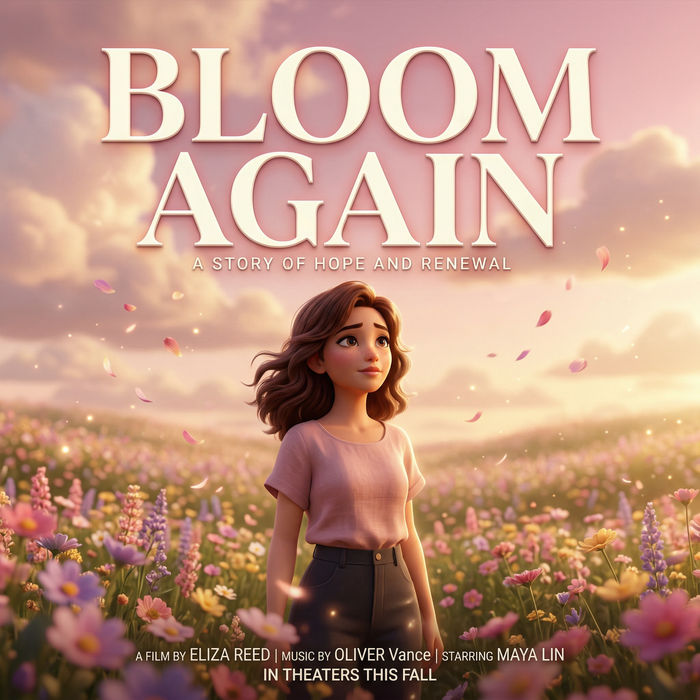
선택적인 영화 애니메이션과 함께 처음부터 전문적인 영화 타이틀 카드를 생성합니다.

사진이나 설명을 애니메이션 치비 스프라이트로 변환하세요. 춤추고, 점프하고, 손 흔들고, 공격하는 등 다양한 동작을 할 수 있습니다.
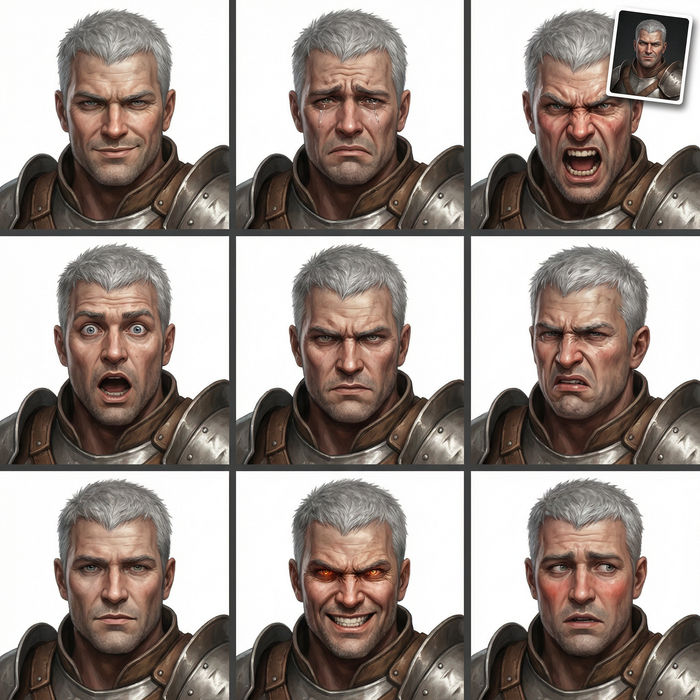
어떤 캐릭터 이미지든 가져와서 단일 참조 시트에 6가지의 뚜렷한 표정을 생성하세요.
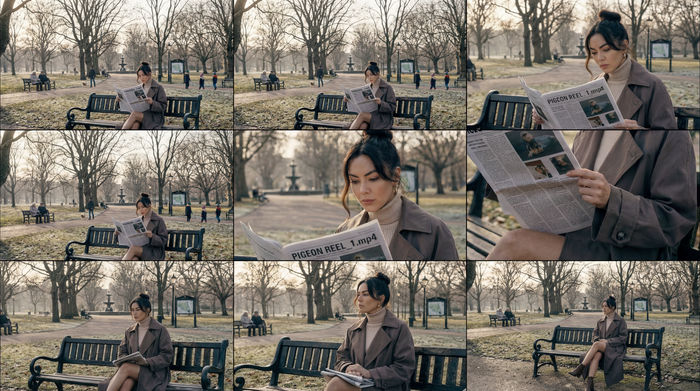
단일 이미지를 입력하세요. 3x3 스토리보드 그리드로 구성된 9개의 시네마틱 비트를 얻으세요.
오늘 무료로 시작하고 언제든지 업그레이드하거나 취소할 수 있습니다.
Basic
2400 월간 크레딧
1 명 전용
모든 모델
워크플로
Standard
3625 월간 크레딧
1 명 전용
모든 모델
워크플로
Pro
6350 공유 월간 크레딧
1 사용자
모든 모델
워크플로
Max
24650 공유 월간 크레딧
1 사용자
모든 모델
워크플로
Enterprise
더 높은 제한
사용자 정의
가격 및 청구 조건

Free
가볍게 사용해보기
$0
영구 무료