Akbar holds darbar at Fatehpur Sikri
A wide shot of the great pillared hall at sunset. Akbar on the marble throne, the Navaratnas seated to either side, jali screens casting lattice shadows across the carpets.
Edit prompt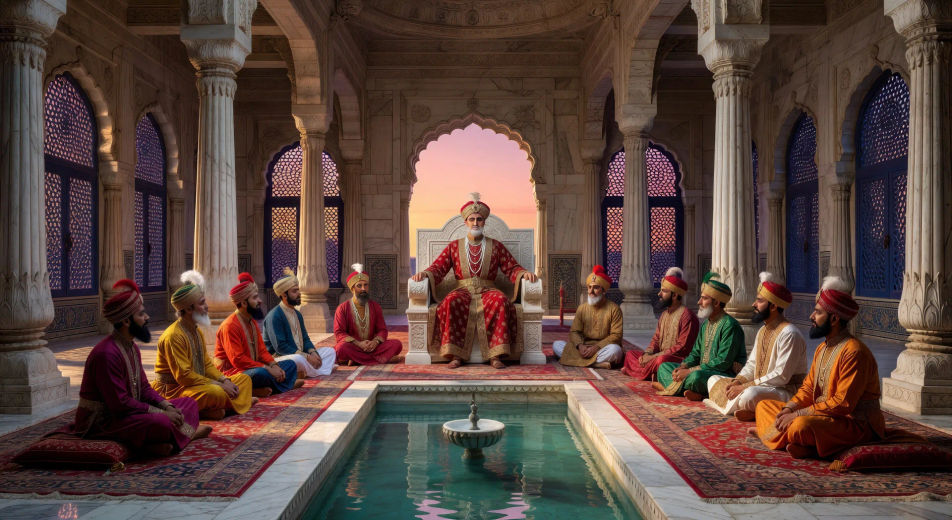
Direct the Mughal court in your browser with Morphic's Akbar and Birbal AI video generator. Generate darbar at Fatehpur Sikri, Birbal's chalk line solving the riddle, or qawwali by the marble fountain. Voice and score with Speech and Music, then lock the duo with Character Lineup.
A wide shot of the great pillared hall at sunset. Akbar on the marble throne, the Navaratnas seated to either side, jali screens casting lattice shadows across the carpets.
Edit promptA village woman in plain cotton stands before the throne, hands folded. Akbar leans forward, courtiers murmur, Birbal watches from the side with a small private smile.
Edit prompt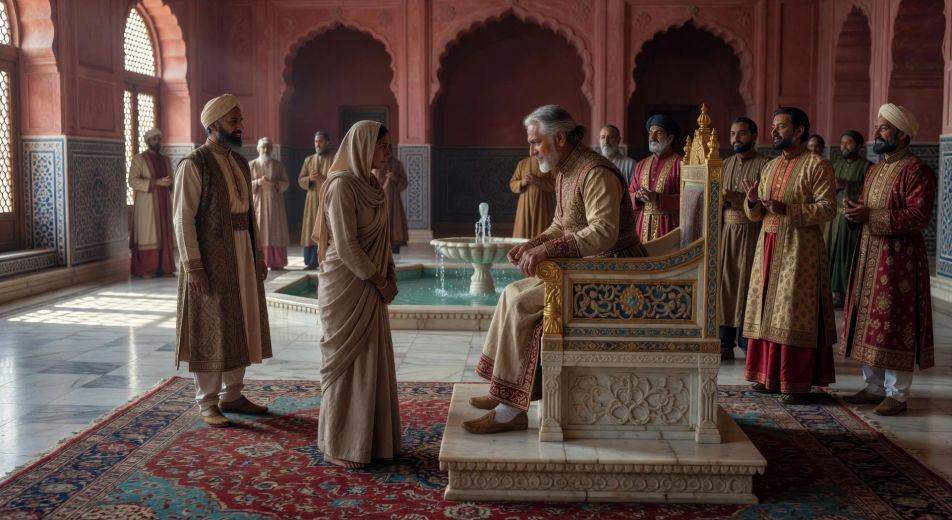
Birbal steps forward in the centre of the hall. Sweeps his hand across the floor with a chalk line or holds up a single object, and the answer to the impossible riddle becomes obvious to everyone present.
Edit prompt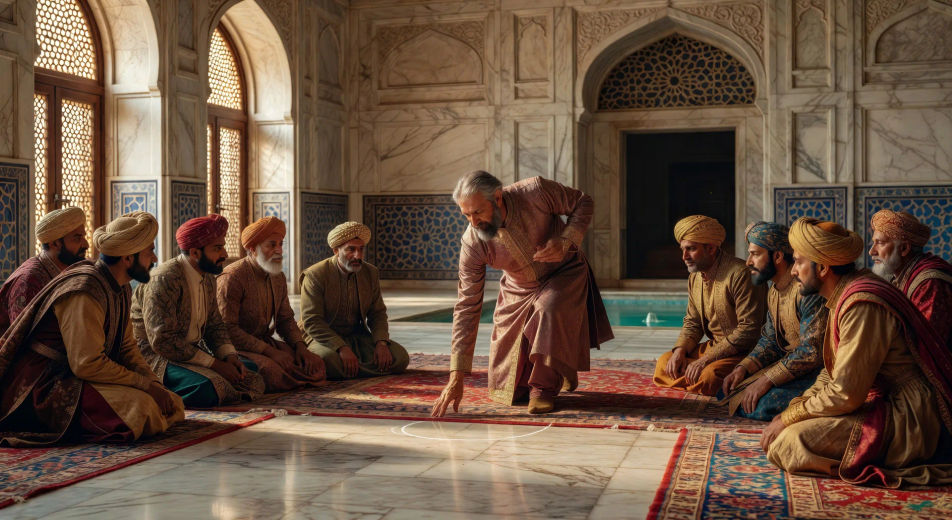
Akbar throws his head back laughing, courtiers join in the laughter, the visiting envoy bows in defeated admiration, Birbal allows himself the smallest tilt of the head.
Edit prompt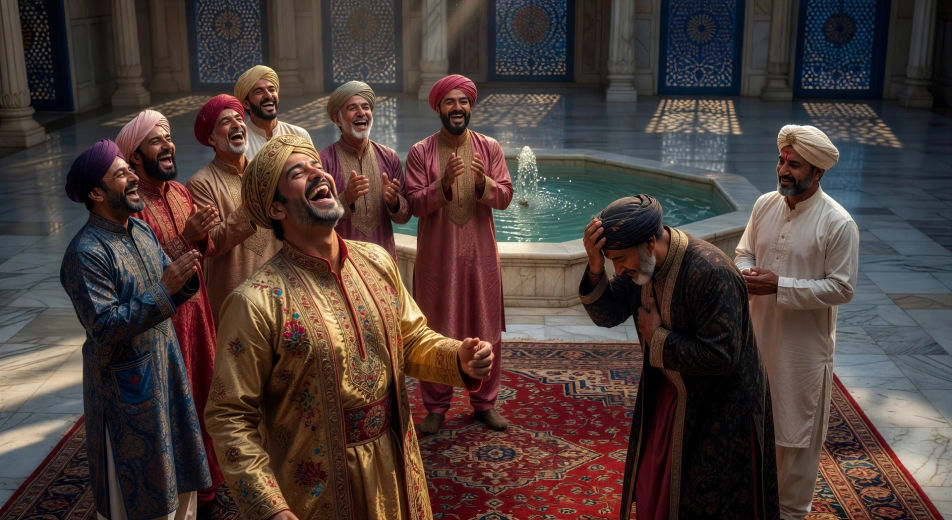
Write the Akbar and Birbal scene you want, in plain words.
Morphic generates a cinematic, frame-ready clip on your canvas in seconds.
Tweak the prompt, regenerate variations, then download or share the shot.
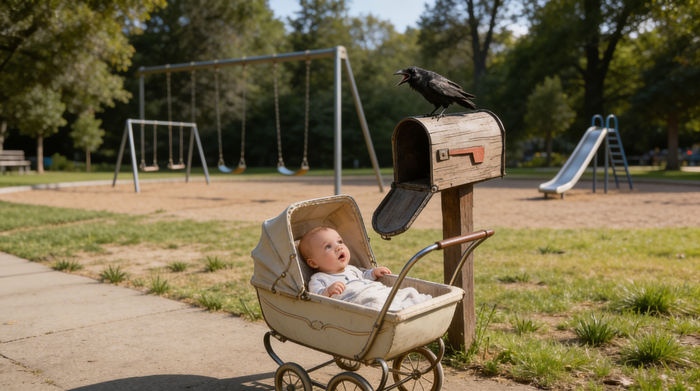
Share a scene description with character references. Get a full storyboard with shot angles and mood.
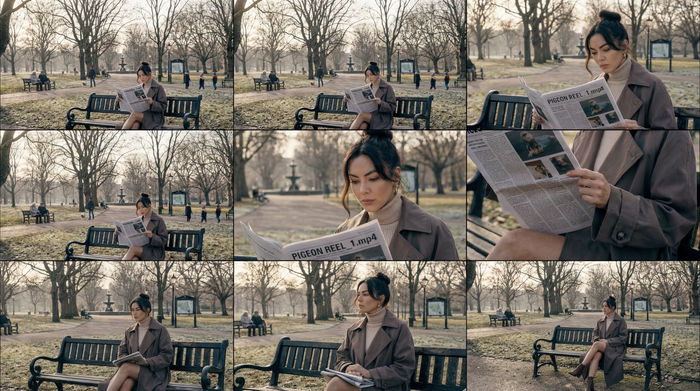
Feed in a single image. Get 9 cinematic beats laid out as a 3x3 storyboard grid.
One image to a 9-scene cinematic video.
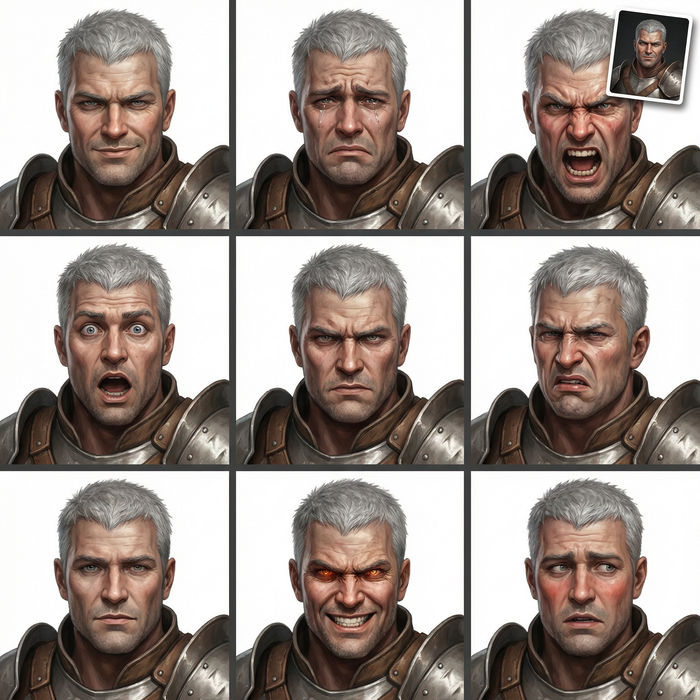
Take any character image and generate 6 distinct facial expressions on a single reference sheet.
Cinematic time-freeze short film for any scene
Drop in a photo of yourself. Get a 12-second cinematic movie with animation and a matched soundtrack.
Vikram and Betal AI Videos
Create Vikram and Betal scenes, riddle episodes, and full Vetala Panchavimshati shorts with Morphic. Generate, narrate, and score Vikram Betal videos from a single prompt.
Mahabharata AI Videos
Create Mahabharata battle scenes, character portraits, and full mythology episodes with Morphic. Generate, narrate, and score videos from a single prompt.
Ramayana AI Videos
Create Ramayana scenes, character portraits, and full episodes with Morphic. Generate, narrate, and score Ramayana videos from a single prompt.
Krampus AI Videos
Create powerful AI Krampus videos with our Krampus video generator. Find unique, cinematic Krampus scenes for any project in seconds.
Get started for free today, with the option to upgrade or cancel anytime.
Basic
2400 monthly credits
1 user only
All models
Workflows
Standard
3625 monthly credits
1 user only
All models
Workflows
Pro
6350 shared monthly credits
1 user
All models
Workflows
Max
24650 shared monthly credits
1 user
All models
Workflows
Enterprise
For higher limits
Custom
pricing and billing terms

Free
For playing around
$0
forever free