How to make Kitsune videos with AI

Kitsune are the fox spirits of Japanese folklore. They live a thousand years, gain a tail with each century, and at nine tails reach their final, most powerful form. They shapeshift into beautiful figures, light foxfire from the ends of their tails, and serve the goddess Inari at her vermillion shrines.

They are the most-told yokai in Japan, and the most photogenic on screen.

Kitsune are the fox spirits of Japanese folklore: shapeshifters, illusionists, and messengers of the rice goddess Inari. Morphic lets you direct them in the browser. Pick a form, a scene, or a workflow below and start now.

Kitsune forms you can create

Kitsune scenes you can direct

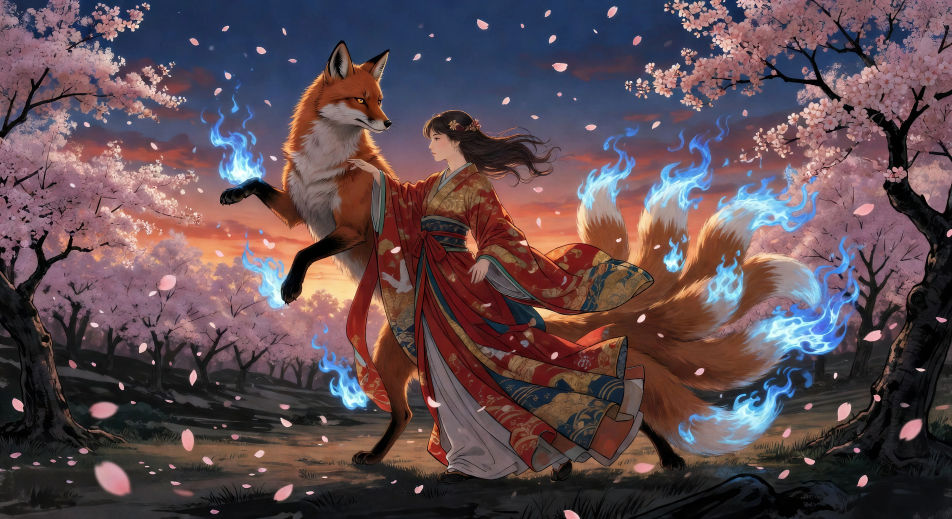
Kitsune transformation at twilight

Under cherry blossoms at dusk, a russet fox rises onto her hind legs and shifts into a young woman in court robes, foxfire kindling at her trailing tails.

Try this prompt
Kitsune transformation at twilight

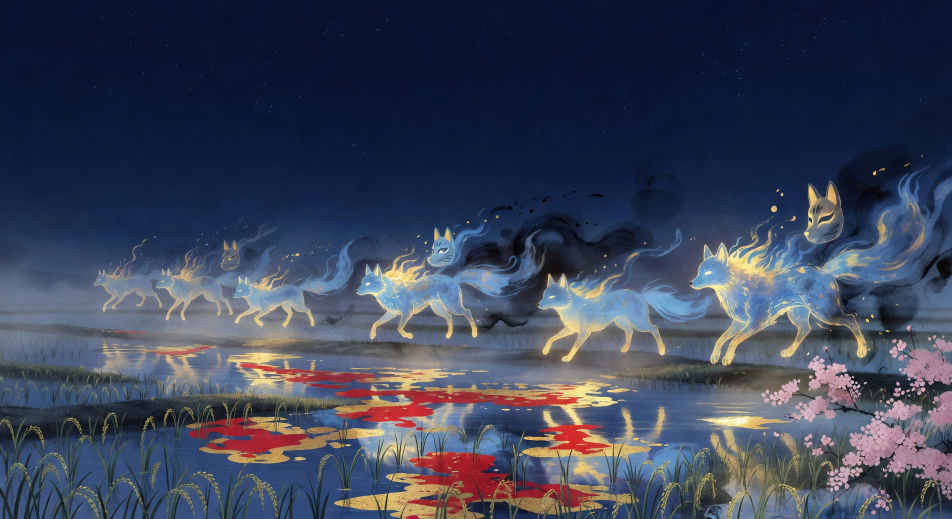
Foxfire procession across the rice paddy

A line of cool blue and gold lights drifts across a flooded rice paddy at night. The shapes of foxes appear and vanish at the edges of the lights.

Try this prompt
Foxfire procession across the rice paddy

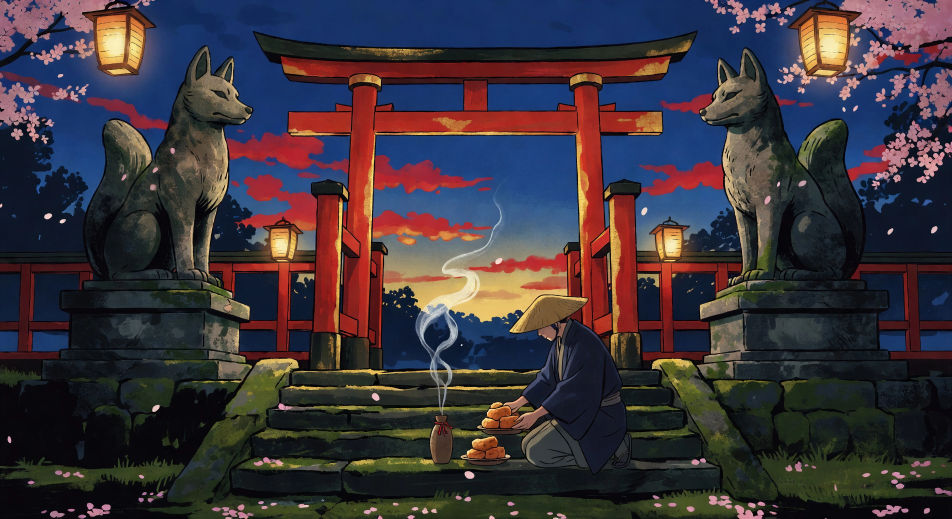
Inari shrine offering

At a vermillion Inari shrine, a worshipper places offerings of fried tofu and sake before the paired stone foxes. Lanterns above, dusk approaching.

Try this prompt
Inari shrine offering

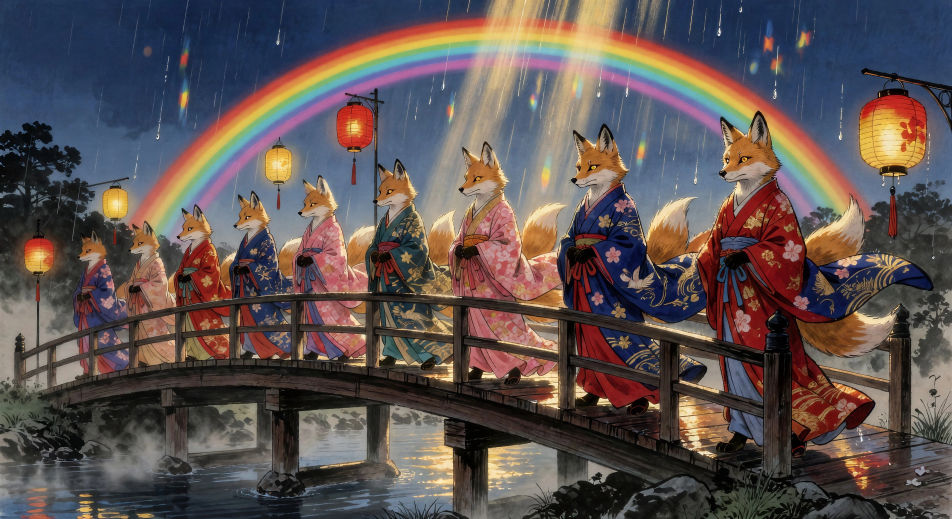
Fox wedding under the rainbow

In a sun-shower at noon, a procession of kitsune dressed in wedding robes crosses a wooden bridge as a rainbow arches overhead. Lanterns swinging at the front.

Try this prompt
Fox wedding under the rainbow

Nine-tail manifestation

In a clearing of moonlit pines, a kitsune unfolds her nine tails one by one, gold light pulsing from each tip, the pines bending in the wind.

Try this prompt
Nine-tail manifestation

Tamamo-no-Mae unmasked

In the Heian court at night, lantern light catches a fox shadow against the paper screen behind a court beauty. The exorcist looks up. The illusion breaks.

Try this prompt
Tamamo-no-Mae unmasked

How to make it on Morphic

  1. 01

    Open the Video tool on Morphic

    Sign in to Morphic in your browser and head straight to the entry point below. No installs, no setup, and any device with a connection picks up where you left off.

    Open Video
  2. 02

    Set the scene in your own words

    Write the kitsune scene you want to see in your own words. Be specific about the moment, the lighting, the figure in frame, and the camera direction. The more concrete the description, the closer the result lands to what you pictured.

    A nine-tail kitsune unfolding her tails one by one in a clearing of moonlit pines, gold foxfire pulsing from each tip, slow camera arc around her.
  3. 03

    Generate, refine, and publish

    Morphic returns a clip to your canvas. Refine the prompt for variations, regenerate to fix what missed, or remix into a longer sequence. Download or share when the shot lands.

Related workflows

A short guide to Kitsune for video creators

Folklore divides kitsune into two broad kinds. Zenko are the holy foxes who serve the goddess Inari, the kami of rice and harvests, posted in pairs at the entrances of her thousands of shrines across Japan. They are protective, benign, and often shown carrying a sacred jewel or a key in their mouths. Yako are the wild foxes: tricksters, shapeshifters, sometimes lovers, sometimes thieves. The most famous yako of all is Tamamo-no-Mae, a nine-tail kitsune who took the form of a court beauty in the Heian period and was undone only when an exorcist saw her shadow on the screen.

A kitsune gains a new tail every hundred years and reaches her final form at nine. The nine-tail kitsune (kyubi no kitsune) is gold or white-furred, vast in size, and able to hear and see anything in the country. Foxfire (kitsunebi) is the cool blue or gold flame they kindle from their tails or breath, and it appears in many tellings as a row of lights drifting across a moonlit field. The hoshi-no-tama, the kitsune’s star ball, holds part of her power and can be bargained for.

For video, lean into the visual rhymes folklore has already worked out: the transformation at twilight, the foxfire procession across the rice paddy, the wedding under a sun-shower rainbow, the vermillion torii gates of an Inari shrine. Anchor each kitsune scene to a specific moment, a specific composition, and a specific quality of light. The more concrete the prompt, the closer the result lands to the figures Hokusai and Kuniyoshi drew.

You might also like

Frequently asked questions

Where can I make kitsune videos with AI?
You can create kitsune scenes directly in your browser on Morphic. Open the Text to Video tool, describe the scene you want, and Morphic produces the clip. No installs and no specialist software needed.
What kinds of kitsune scenes work best with AI video?
Single-shot moments with strong composition tend to work best: the transformation at twilight, the foxfire procession, the Inari shrine offering, the fox wedding under a sun-shower rainbow, and the nine-tail manifestation. Anchor each kitsune scene to a specific moment, location, time of day, and mood.
How do I keep my kitsune consistent across scenes?
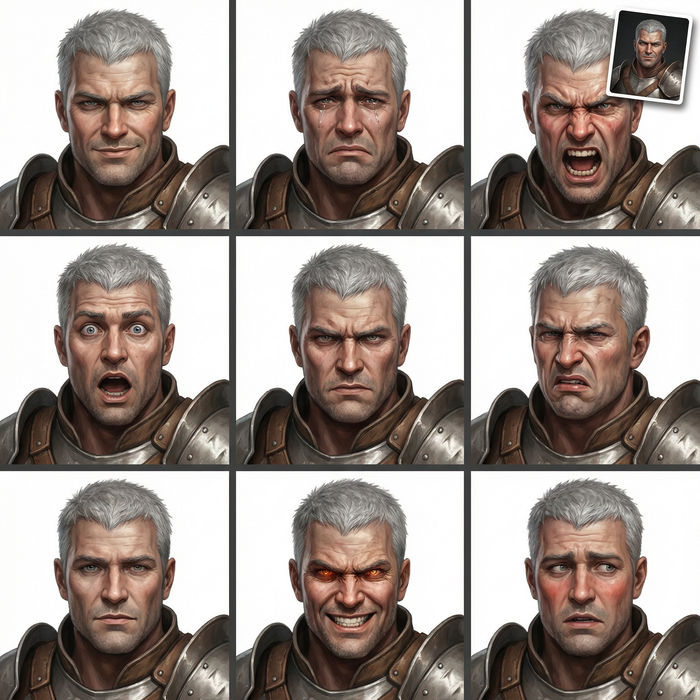
Use the Character Lineup workflow to lock the kitsune’s look, then reference that character card in every prompt. Morphic preserves fur tone, tail count, and the foxfire colour from scene to scene so a kitsune series feels continuous.
How do I write a good prompt for a kitsune scene?
Name the moment, the location, the time of day, the lighting, and the camera direction. Lean on the folklore palette: vermillion torii, gold and blue foxfire, rice-paper screens, cherry blossom and pine. For example: "A nine-tail kitsune unfolding her tails in a moonlit pine clearing, gold foxfire pulsing from each tip, slow camera arc." The more specific your imagery, the closer the output matches your imagination.
Can I add narration and music to my kitsune videos?
Yes. The Speech tool generates a voiceover from your script in the voice you choose, and the Music tool produces an original soundtrack to score the scene. Shakuhachi and koto sit beautifully under kitsune footage.
What visual style works best for a kitsune video?
Ukiyo-e woodblock in the Hokusai and Kuniyoshi tradition is the iconic choice. Painterly photoreal with vermillion, gold, and blue accents lands hardest for the foxfire and shrine scenes. Cinematic anime film-still works for the transformation beats. Name the style in the prompt.