Warmes Rollstuhl-Studio
Eine erfundene Person in einem eleganten Rollstuhl unter warmem, gleichmäßigem Studiolicht, ein selbstbewusster gerader Blick, der Rollstuhl als Teil einer souveränen, selbstbestimmten Pose inszeniert.
Prompt bearbeiten
Erstellen Sie Porträts mit Behinderungsrepräsentation direkt im Browser mit Morphics KI-Bildgenerator. Gestalten Sie eine Person im Rollstuhl in warmem Licht, eine Person mit Armprothese, inszeniert als Stärke, oder eine gebärdende Person mit ausdrucksstarken Händen. Fixieren Sie den Look mit Style Transfer und animieren Sie ihn mit Image to Video.
Eine erfundene Person in einem eleganten Rollstuhl unter warmem, gleichmäßigem Studiolicht, ein selbstbewusster gerader Blick, der Rollstuhl als Teil einer souveränen, selbstbestimmten Pose inszeniert.
Prompt bearbeitenEin nahes Porträt, das einen matten Carbon-Prothesenarm neben einem ruhigen, stolzen Gesicht feiert, scharfes Seitenlicht und eine Schiefer-Palette, die Prothese als Stärke gezeigt.
Prompt bearbeiten
Ein Halbporträt einer gehörlosen Person mitten in der Gebärde mit ausdrucksstarken Händen, weiches Tageslicht und eine warme neutrale Palette, ein engagierter, lebendiger Ausdruck.
Prompt bearbeiten
Ein sanftes Weitwinkelporträt einer blinden Person, die eine Hand auf einen ruhigen Blindenführhund legt, weiches Fensterlicht und eine erdige Palette, eine heitere, vertrauensvolle Stimmung.
Prompt bearbeiten
Beschreiben Sie das Disability representation portrait, das Sie möchten, in einfachen Worten.
Morphic generiert in Sekunden ein sauberes, veröffentlichungsfertiges Bild auf Ihrer Canvas.
Passen Sie den Prompt an, generieren Sie Varianten und laden Sie das Bild herunter oder teilen Sie es.
Fix plastic-looking AI skin. Adds natural texture, pores, and imperfections for realism.
One selfie becomes a set of professional headshots. Studio-quality, multiple styles.
Convert any image to a new aspect ratio. Smart crop or extend the edges to fit.
Full model photoshoot from one photo of you
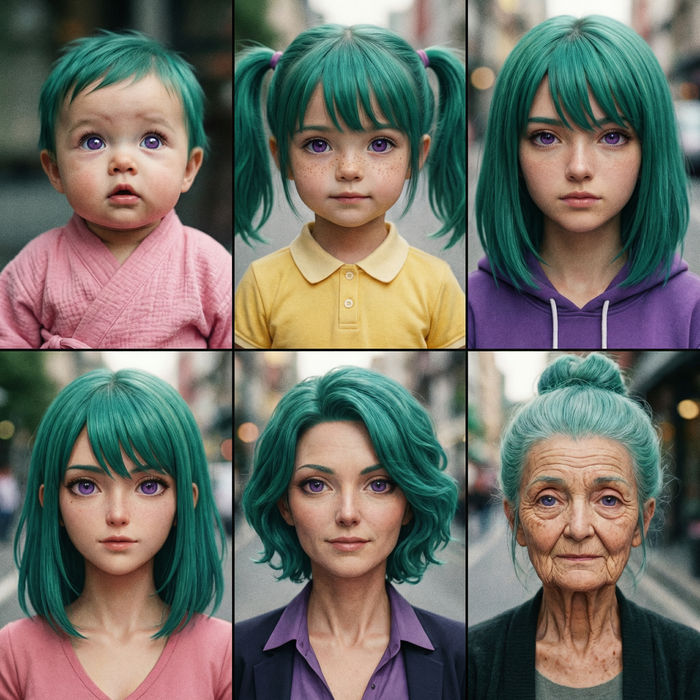
Upload a photo of a person or character and get a single grid image showing them at different life stages, from baby to elderly.
Choose your viewing angles and get precise perspective shifts of any image with full camera control.
Plus-Size-Porträt-KI-Bilder
Plus-Size-Porträt-KI-Bilder im Browser erstellen: selbstbewusste Kurven, mutiges Styling, warmes Licht. Jetzt starten.
Glamour-Porträts für Senioren mit KI
Glamour-Porträts für Senioren mit KI: silbernes Haar, roter Lippenstift, Samt, strahlende Gesichtszüge. Jetzt ausprobieren.
Athletenporträt KI-Bilder
Athletenporträt KI-Bilder im Browser erstellen: Sprinter, Boxer, Schwimmer, Schweiß und hartes Licht. Jetzt ausprobieren.
Non-binäre Porträt-KI-Bilder
Non-binäre Porträt-KI-Bilder im Browser erstellen: genderneutraler Look, ruhiges Licht, selbstbewusste Personen. Jetzt Porträt gestalten.
Starten Sie noch heute kostenlos, mit der Option, jederzeit zu upgraden oder zu kündigen.
Basic
2400 monatliche Credits
1 Nutzer
Alle Modelle
Workflows
Standard
3625 monatliche Credits
1 Nutzer
Alle Modelle
Workflows
Pro
6350 gemeinsame monatliche Credits
1 Nutzer
Alle Modelle
Workflows
Max
24650 gemeinsame monatliche Credits
1 Nutzer
Alle Modelle
Workflows
Enterprise
Für höhere Limits
Individuell
Preis- und Abrechnungsbedingungen
Free
Zum Ausprobieren
$0
dauerhaft kostenlos