Centered greeting layout
A balanced card with a short greeting centered in calligraphy-style type, a thin border, and a single motif anchoring the bottom corner.
Prompt bearbeiten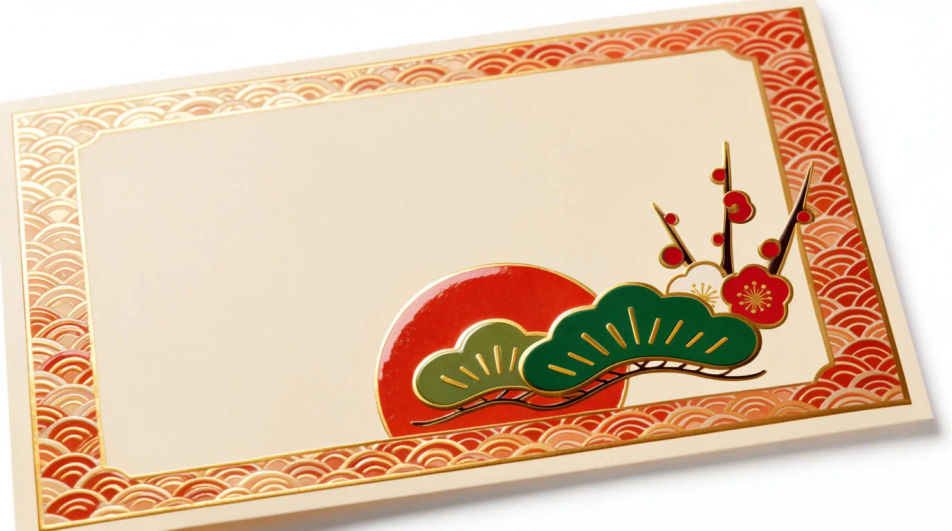
Nengajō are the postcards exchanged across Japan every New Year, traditionally timed to land in mailboxes on January 1st and carrying a short greeting alongside that year's zodiac animal. Design one in Morphic by naming the layout, the motif, and the palette you want, from a washi-paper rising-sun card to a minimal typographic one, and 2027 brings the Year of the Sheep, so wool texture and pastoral motifs sit naturally alongside the usual pine, bamboo, and crane imagery.
Design a nengajō, Japan's New Year's greeting postcard, in the Image tool on Morphic by describing the style you want for 2027, the Year of the Sheep. Choose a traditional washi-paper look, a clean minimal layout, or a photo-led card, then generate options and download artwork sized to print and mail.
A balanced card with a short greeting centered in calligraphy-style type, a thin border, and a single motif anchoring the bottom corner.
Prompt bearbeitenA card with a motif band running across the top third and the greeting text sitting in the open space below it.
Prompt bearbeiten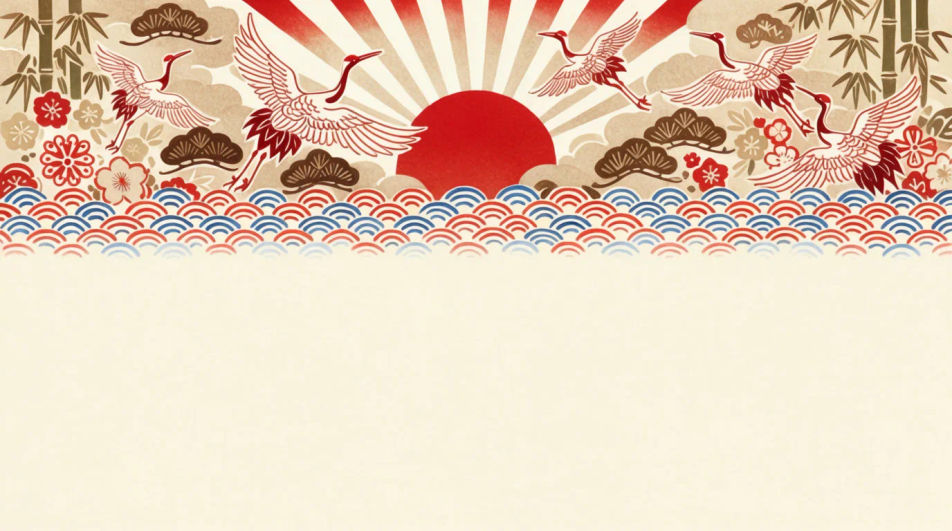
A framed photo set slightly off-center with a patterned border running around the full edge of the card.
Prompt bearbeiten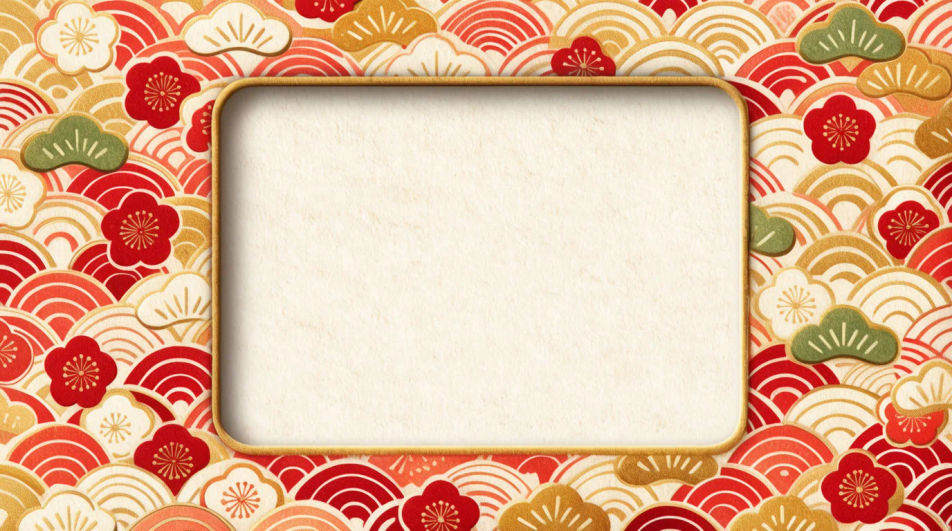
A narrow decorative column of motifs running down one side of the card with the greeting and open space filling the rest.
Prompt bearbeiten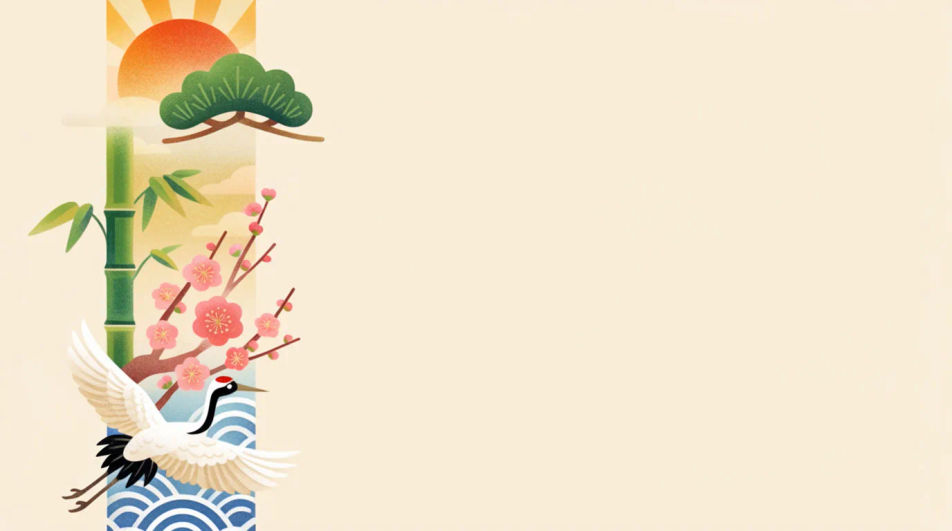
Beschreiben Sie das nengajō design, das Sie möchten, in einfachen Worten.
Morphic generiert in Sekunden ein sauberes, veröffentlichungsfertiges Bild auf Ihrer Canvas.
Passen Sie den Prompt an, generieren Sie Varianten und laden Sie das Bild herunter oder teilen Sie es.
Convert any image to a new aspect ratio. Smart crop or extend the edges to fit.
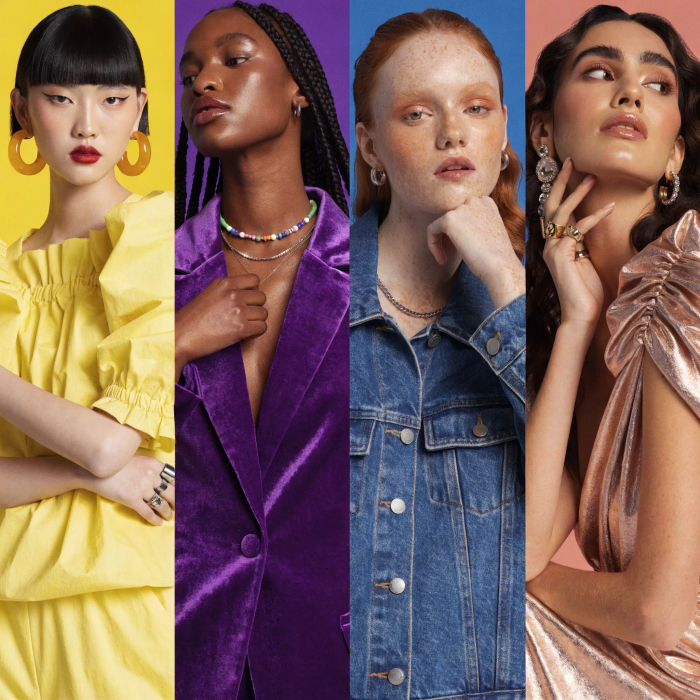
Generate a female AI influencer. Vertical output, ready for socials.

Dramatize any text conversation into a cinematic multi-shot video.
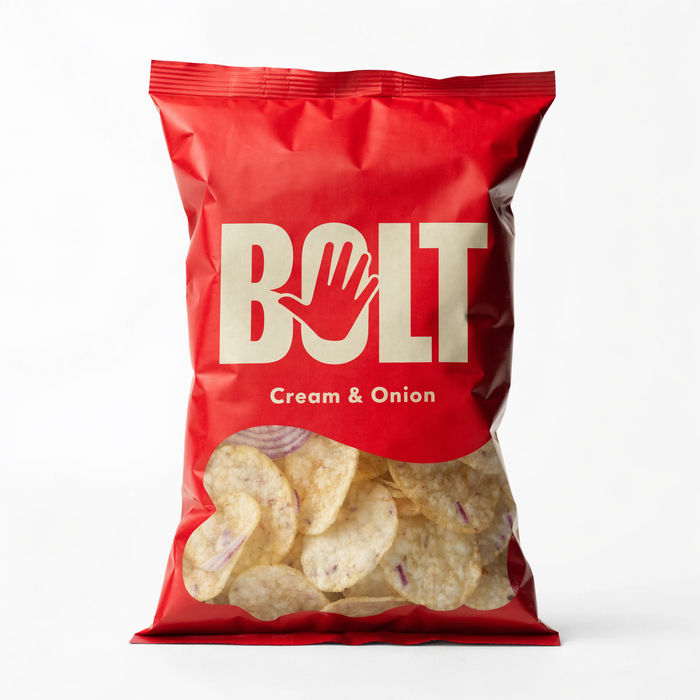
Dramatic 5-second product reveal video with audio.
Cinematic time-freeze short film for any scene
Pair a character image with a reference video. Your character picks up that exact motion.
Happy new year AI images
Create AI happy new year images with our happy new year image generator. Find festive happy new year images for any project in seconds.
Neujahr-Hintergrund KI-Bilder
Neujahr-Hintergrund für die Festtage. KI-generierte Designs in HD, sofort herunterladbar mit Morphic.
Postcard Design AI Images
Produce postcard design in any style you need. Produce artwork that survives being blown up to full size. No stock licence needed.
Year of the Sheep illustration generator
Generate Year of the Sheep illustrations for 2027 in Morphic. Create cute, traditional Japanese, or watercolor sheep artwork for New Year cards and posts.
Starten Sie noch heute kostenlos, mit der Option, jederzeit zu upgraden oder zu kündigen.
Basic
2400 monatliche Credits
1 Nutzer
Alle Modelle
Workflows
Standard
3625 monatliche Credits
1 Nutzer
Alle Modelle
Workflows
Pro
6350 gemeinsame monatliche Credits
1 Nutzer
Alle Modelle
Workflows
Max
24650 gemeinsame monatliche Credits
1 Nutzer
Alle Modelle
Workflows
Enterprise
Für höhere Limits
Individuell
Preis- und Abrechnungsbedingungen
Free
Zum Ausprobieren
$0
dauerhaft kostenlos