

What is a microdrama? The vertical drama format explained

A microdrama is a vertical series built for a phone: episodes run 60 to 120 seconds, shot 9:16, with a season spanning 60 to 100 of them and a cliffhanger on almost every cut. The format, also called a short drama, mini drama or vertical drama, grew out of serialised web novels and now anchors its own apps; Omdia puts global microdrama revenue at roughly $14 billion projected for 2026. This page is the map of the format, how an episode is structured, how a series is made today, and how to make your own, with the rest of the cluster linked from each section.

Workflow ausprobieren
Example for What is a microdrama? The vertical drama format explained

How the format works, and how a series gets made

  1. 1
    drop image

    How the format works

    Each episode runs a hook, a turn, then a cliffhanger on the last line, so a viewer taps straight into the next one. The first episodes are free; a paywall usually lands around episode 8 to 15, and from there platforms monetise with coin bundles you spend per episode, ad-unlocks, or a subscription. The season runs long, 60 to 100 episodes, because the economics reward bingeing, not a tidy arc.

  2. 2

    How microdramas are made today

    Three ways. Live-action shoots a vertical season fast and cheap with a small cast and a few sets. An AI pipeline generates the episodes from a script against saved character and location references. A hybrid shoots the leads live and uses AI for coverage, localisation or scenes that are expensive to stage. Which route fits depends on budget, cast and how many markets a series needs to reach.

  3. 3

    How to make your own

    Write the season as a beat sheet, one cliffhanger per episode, then build it in one workspace: save a reference sheet for each character and location so they hold across every episode, draft shots cheaply at preview resolution, render the keepers at full res, and assemble on the timeline. Dub and lip sync the finished season into each market as a repeatable per-episode pass.

The genres a microdrama runs on

A handful of genres carry the format, billionaire romance, revenge, the supernatural, period costume drama, and an episode in each one is built from the same beats: a hook, a turn, and a cliffhanger line. These are invented sample frames, one per genre.

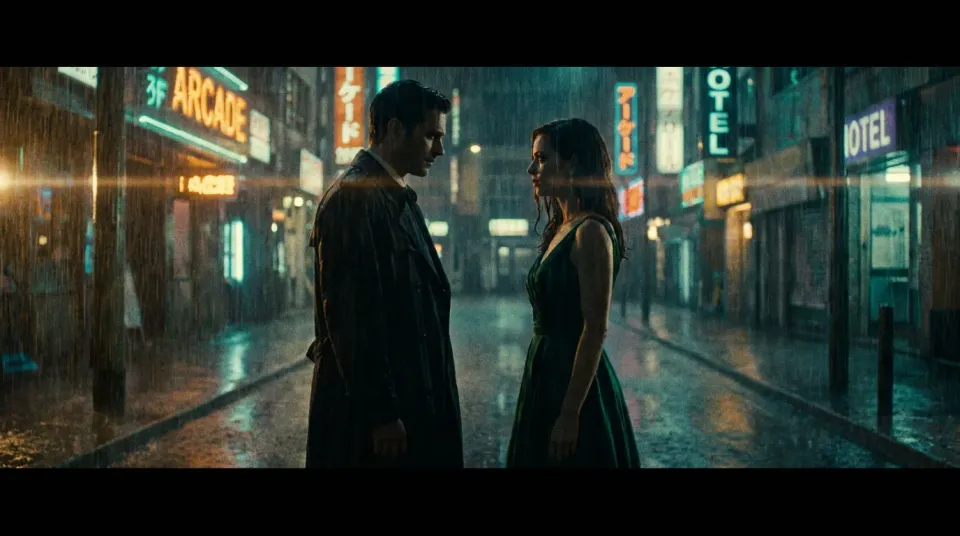
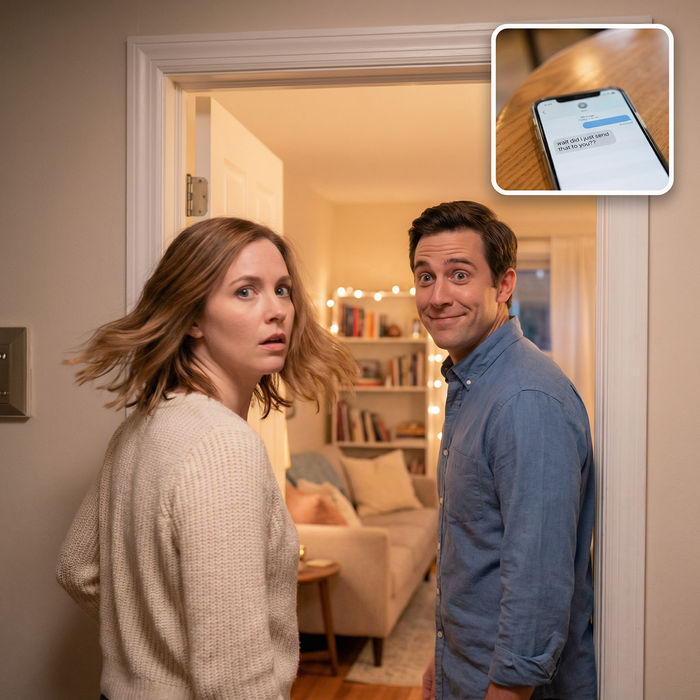
Billionaire romance

The genre that defines the format, a working-class lead, a cold heir, a contract that throws them together. A charged two-hander shot 9:16, the kind of beat a romance microdrama turns on episode after episode.

Prompt bearbeiten

Billionaire romance for What is a microdrama? The vertical drama format explained

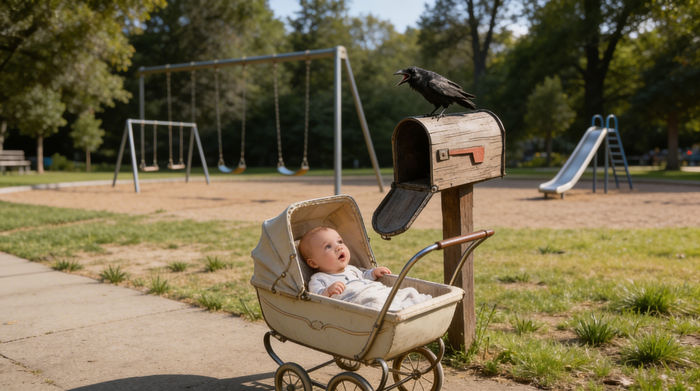
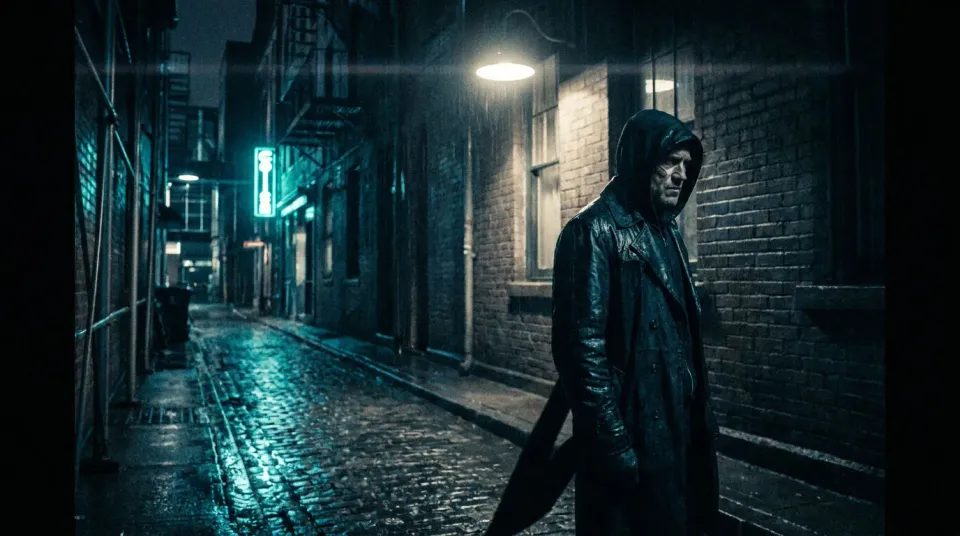
Revenge

A wronged lead returns with the upper hand, the slow-burn comeuppance microdramas run on. A confrontation framed vertical, the tension carried by the reveal rather than the staging.

Prompt bearbeiten
Revenge for What is a microdrama? The vertical drama format explained

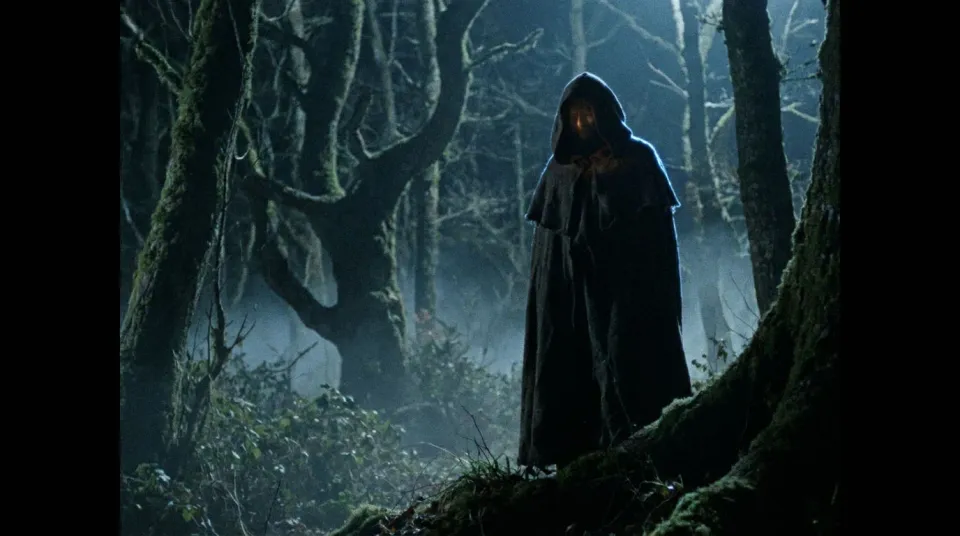
Supernatural

A hidden lineage, a second identity, a power that changes the stakes, the fantasy register that lets a microdrama escalate fast. A reveal frame with the mood doing the work.

Prompt bearbeiten
Supernatural for What is a microdrama? The vertical drama format explained

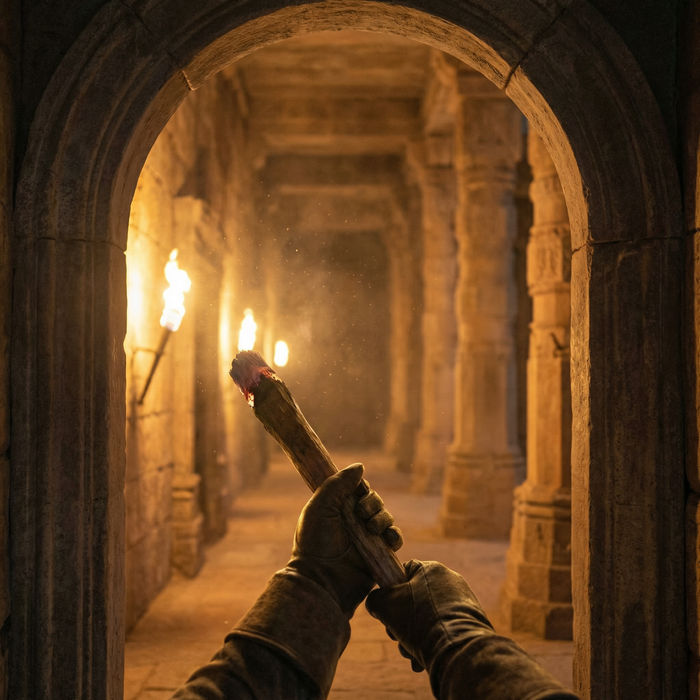
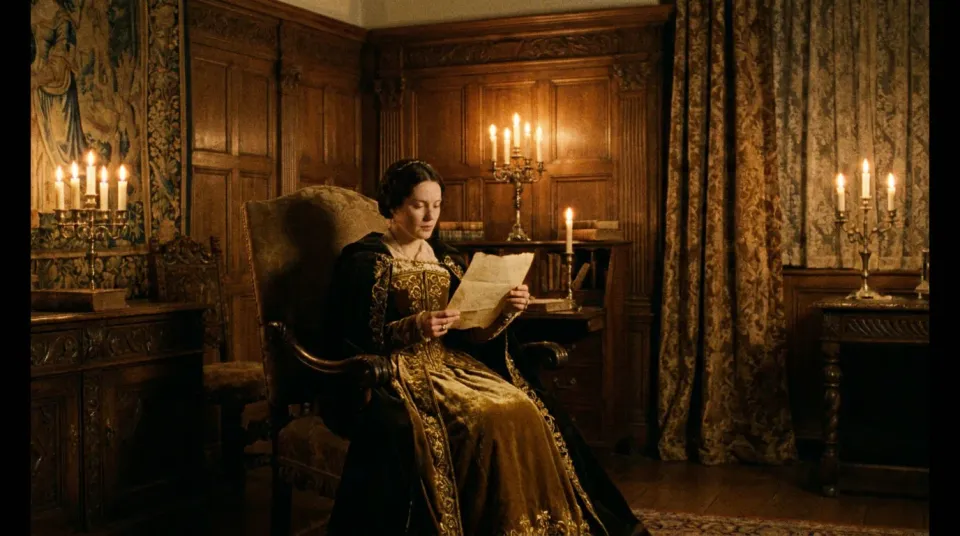
Period

A palace intrigue or a past-life romance in costume, the period strand that reads expensive at a glance. A costumed close-up framed vertical, where the wardrobe and light carry the scene.

Prompt bearbeiten
Period for What is a microdrama? The vertical drama format explained

What AI handles in a microdrama, and what still needs people

AI can carry the mechanical weight of an episode, from reference-matched shots to a localised dub. Performance direction, taste and the final sign-off still want a human, so here is where each one sits.
What AI handles well

  • Episodes generated from a script against saved character and location reference sheets, so the cast holds across the season
  • A cheap draft at preview resolution first, then a full-res render of only the keeper shot
  • Script, shots, assembly and dubbing in one workspace, with nothing exported or re-uploaded between steps
  • A repeatable per-episode pass you can duplicate across a long season and into each market

Where you still want a person

  • Performance direction and the emotional read of a scene, which a model cannot judge for you
  • A QC pass on character drift across a long season, so a face or a wardrobe does not wander
  • A native-speaker check on idiom and emotion before a dub ships, and a test scene in each new language first
  • The taste calls: which cliffhanger lands, which episode to cut, and the final sign-off before release

Einfache Preise

Starten Sie noch heute kostenlos, mit der Option, jederzeit zu upgraden oder zu kündigen.

Basic

$19/ Monat
abgerechnet als $0 pro Jahr

2400 monatliche Credits

1 Nutzer

Alle Modelle

Workflows

Standard

$24/ Monat
abgerechnet als $0 pro Jahr

3625 monatliche Credits

1 Nutzer

Alle Modelle

Workflows

Pro

$45/ Monat
abgerechnet als $0 pro Jahr

6350 gemeinsame monatliche Credits

1 Nutzer

+ bis zu 4 weitere gegen Aufpreis

Alle Modelle

Workflows

Max

$170/ Monat
abgerechnet als $0 pro Jahr

24650 gemeinsame monatliche Credits

1 Nutzer

+ bis zu 9 weitere gegen Aufpreis

Alle Modelle

Workflows

Enterprise

Für höhere Limits

Individuell

Preis- und Abrechnungsbedingungen

High-Volume-Credits
Individuelle Platzlimits
Alle Modelle
Workflows
Pricing Gradient

Free

Zum Ausprobieren

$0

dauerhaft kostenlos

Bis zu 20 Credits
Nur 1 Nutzer
Eingeschränkte Modelle
Workflows

Häufig gestellte Fragen

What is a microdrama?
A microdrama is a vertical drama series made for a phone: episodes run 60 to 120 seconds, shot 9:16 full-screen, strung into a long season of 60 to 100 episodes with a cliffhanger on almost every cut. It is the same format people mean by short drama, mini drama or vertical drama, and it grew out of serialised web novels before moving onto its own apps.
How long is a microdrama episode?
Usually 60 to 120 seconds, which is where the "micro" comes from. The length is a feature, not a constraint: a one-to-two-minute episode ends on a cliffhanger fast enough that the next tap feels automatic, which is what the whole format is built around. A single shot or scene inside an episode is often only a few seconds long.
How many episodes are in a microdrama series?
A typical season runs 60 to 100 episodes, far more than a conventional show, because the economics reward a long binge rather than a tight arc. Episodes are short enough that a whole season can total only a couple of hours of runtime, released at once or in quick drops so viewers keep unlocking the next one.
How do microdramas make money?
The opening episodes are free to hook the viewer, then a paywall lands around episode 8 to 15. From there platforms monetise three ways: coin bundles a viewer buys and spends to unlock each episode, ads that unlock the next episode for free, and a flat subscription for unlimited access. Microtransactions per episode are the engine for most of the big apps.
Can AI make a microdrama?
Yes. You can write the season as a beat sheet, save a reference sheet for each character and location so they stay consistent, generate the episodes from the script, assemble them on a timeline, and dub the finished season into other markets, all in one workspace. Teams increasingly run a hybrid, shooting leads live and using AI for coverage, localisation or expensive scenes.
What are the limitations of making a whole microdrama with AI?
The honest ones are performance and consistency. A model does not direct emotion, so the read of a scene still needs a human, and character drift across a 100-episode season needs a QC pass so a face or wardrobe does not wander. Dubbing handles the mechanical localisation, but idiom and emotion want a native-speaker check, and non-English dialogue is worth testing on one scene before a whole season.
What does it cost to produce a microdrama?
It depends on route and scale: a live-action vertical season, an AI pipeline, or a hybrid of the two each carry different costs, and the number of episodes and target markets drive the total. The useful way to budget is per episode, then per language for localisation, since each market is its own dubbing pass. The production-cost guide in this cluster breaks the pieces down.
How big is the microdrama market?
Large and growing fast. Omdia, reported by Variety from Content Americas 2026, puts global microdrama revenue at roughly $14 billion projected for 2026, up from about $11 billion in 2025 (https://variety.com/2026/tv/global/microdramas-online-video-growth-global-media-omdia-1236635447/). The growth has been led by short-drama apps, and the format is expanding well beyond its original market into English and other languages.