Alligator study sheet
One animal drawn four times in technical pen, the full body, the head from above, a front foot and a section of tail, with hand-ruled margins.
Editar prompt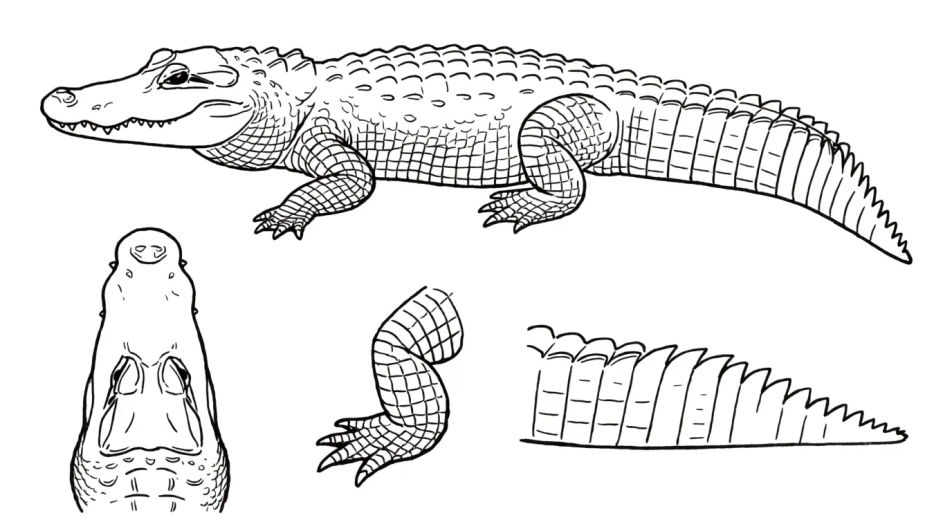
Describe the alligator you want in Morphic's Image tool, from a single head study to the whole animal stretched out on a bank, and get a finished drawing back. Set the pose, the scute detail, the medium, the line weight and the paper, refine it on the Canvas, then download it in HD.
One animal drawn four times in technical pen, the full body, the head from above, a front foot and a section of tail, with hand-ruled margins.
Editar promptAn alligator hauled out on a muddy bank in ink line, reeds ruled in behind it and a flat grey wash marking the shadow under the body.
Editar prompt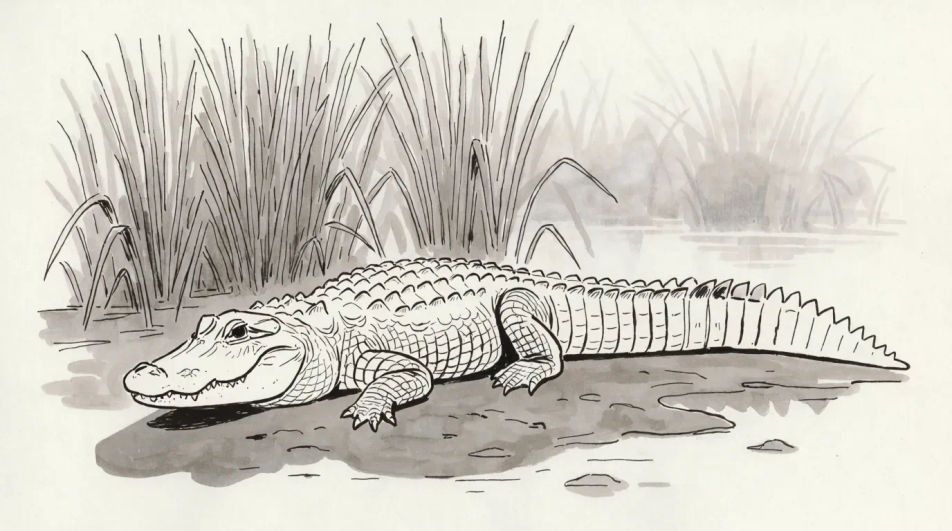
A top-down view of still water in graphite, only the eye ridges and nostrils breaking the surface with faint ripple rings spreading out.
Editar prompt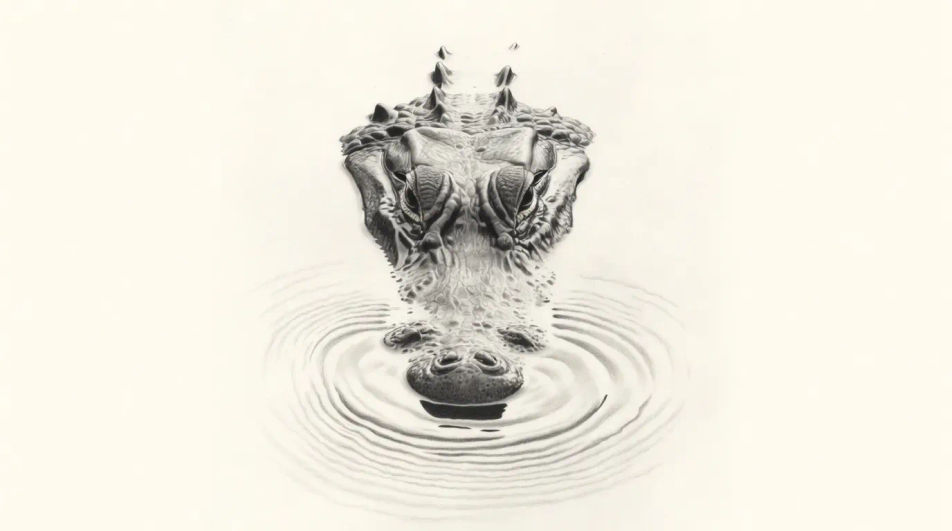
Five young alligators lined along a half-sunk log in coloured pencil, each one a different length and angle so the row reads as a group.
Editar prompt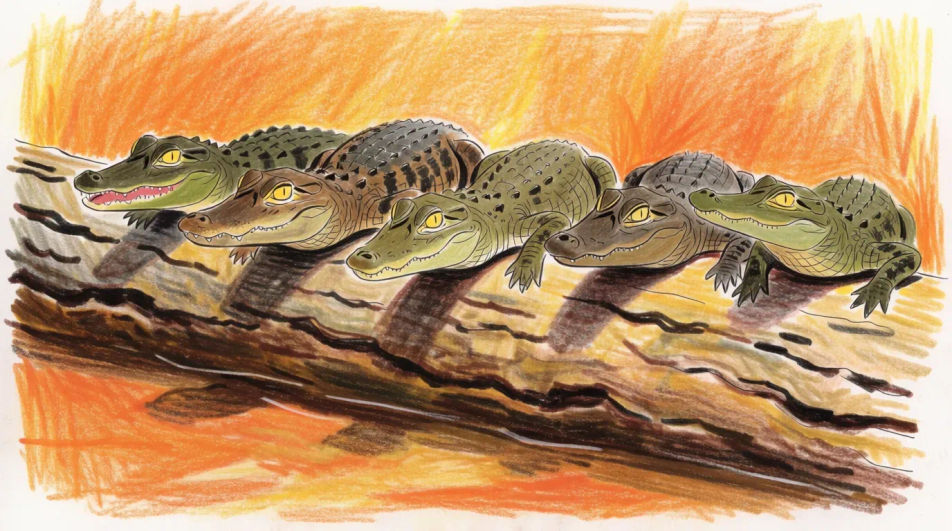
Describe el Alligator drawing que quieres, en palabras simples.
Morphic genera una imagen limpia y lista para publicar en tu canvas en segundos.
Ajusta el prompt, regenera variaciones y luego descarga o comparte el fotograma.
Pick a reference image, apply its visual style to your own photo or artwork.
Convert any image to a new aspect ratio. Smart crop or extend the edges to fit.
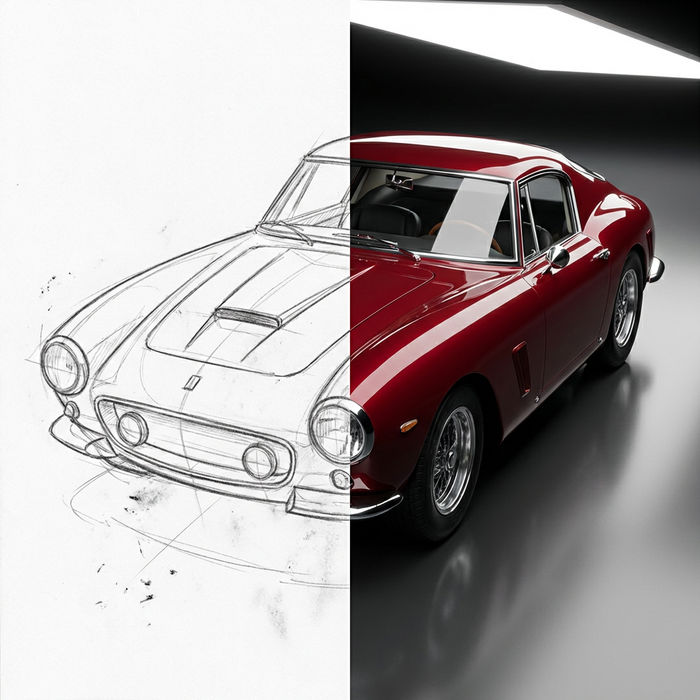
Turn any sketch or drawing into a finished render.
Restyle any video in a completely new visual style. Every frame transforms, all motion stays intact.
Reimagine any anime character as a photorealistic, high-fashion live-action portrait.
One selfie becomes a set of professional headshots. Studio-quality, multiple styles.
American alligator drawing maker
Turn an American alligator drawing idea into a finished image in Morphic. Describe the line work and style, generate variations, then refine it on the canvas.
Lizard drawings from line art to full study
Turn a lizard drawing idea into a finished image in Morphic. Describe the line work and style, generate variations, then refine it on the canvas.
Turtle drawing
Turn a turtle drawing idea into a finished image in Morphic. Describe the line work and style, generate variations, then refine it on the canvas.
Chocolate cake drawing maker
Turn a chocolate cake drawing idea into a finished image in Morphic. Describe the line work and style, generate variations, then refine it on the canvas.
Comienza gratis hoy, con la opción de mejorar tu plan o cancelar cuando quieras.
Basic
2400 mensual créditos
1 usuario
Todos los modelos
Workflows
Standard
3625 mensual créditos
1 usuario
Todos los modelos
Workflows
Pro
6350 compartidos mensual créditos
1 usuario
Todos los modelos
Workflows
Max
24650 compartidos mensual créditos
1 usuario
Todos los modelos
Workflows
Enterprise
Para límites más altos
Personalizado
términos de precios y facturación
Free
Para experimentar
$0
gratis para siempre