Sharpen a cut with one hard tick
A single tap with a fast attack marks a frame cleanly and gets out of the way. Visual novels and animated shorts use it as punctuation exactly as often as drama does.
Modifier le prompt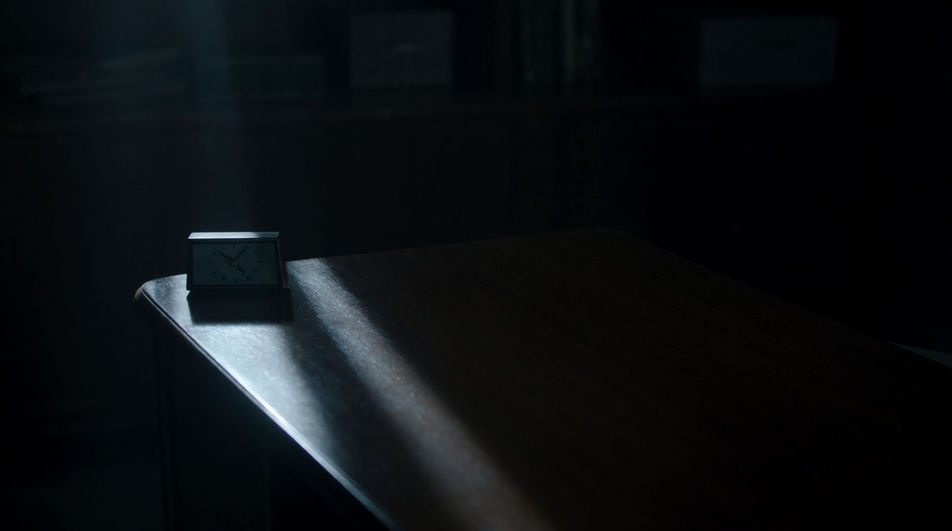
Time made audible, at the weight your scene needs. A tiny watch against the microphone, a dry wall clock, or a deep wooden knock with a case behind it.
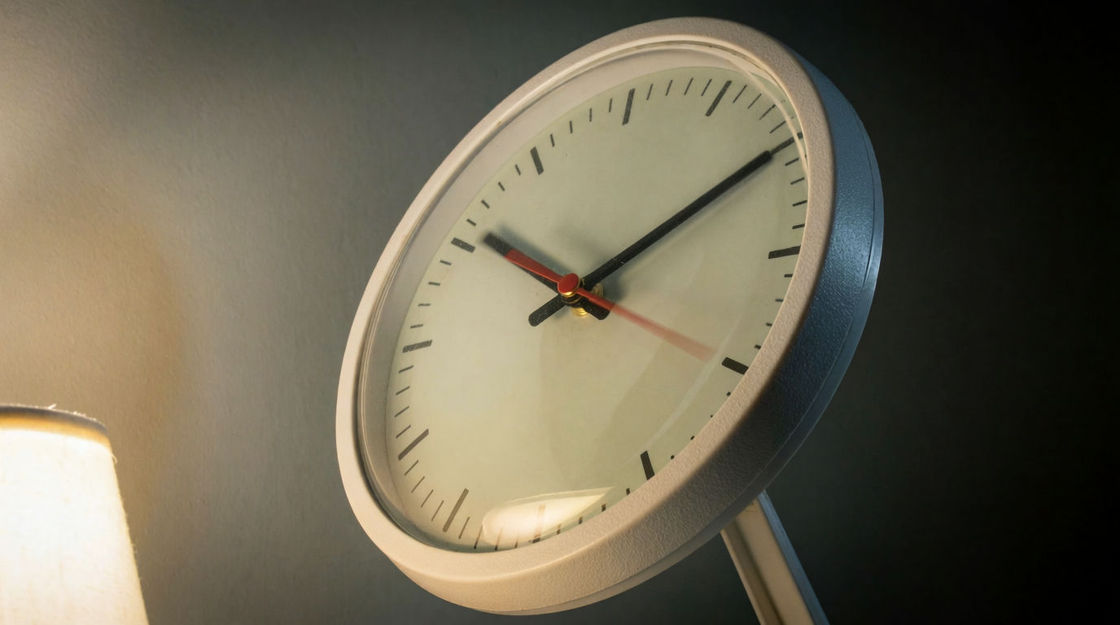
A dry clipped tap with a tiny hollow tail, once a second, held perfectly even. This is the take most scenes need, because it is the clock people have actually lived with.
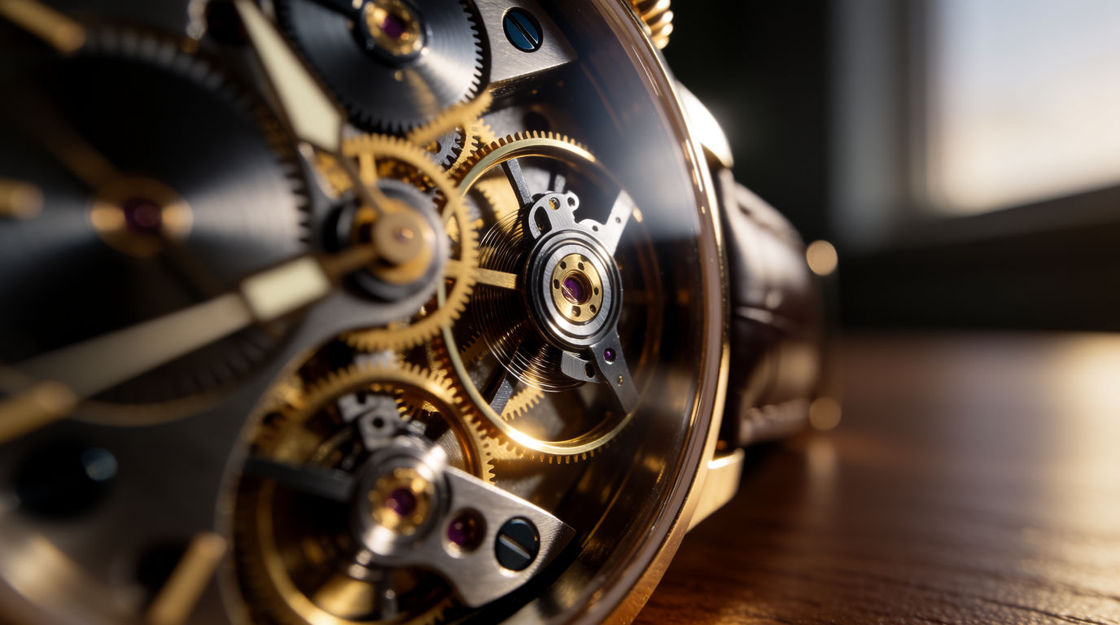
Tiny high clicks running fast, with a faint whirr underneath. The speed is what changes the meaning: the same idea reads as urgency rather than patience.
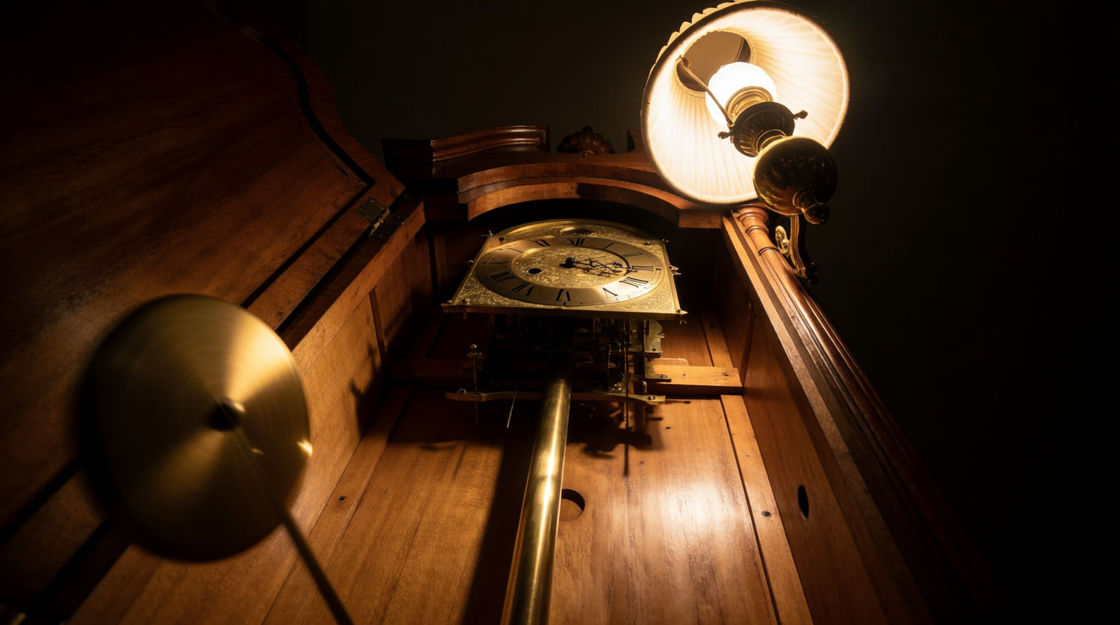
A deep wooden knock alternating with a duller one, unhurried and resonant. The alternation is the detail that makes it read as an old mechanism rather than a sampled tap.
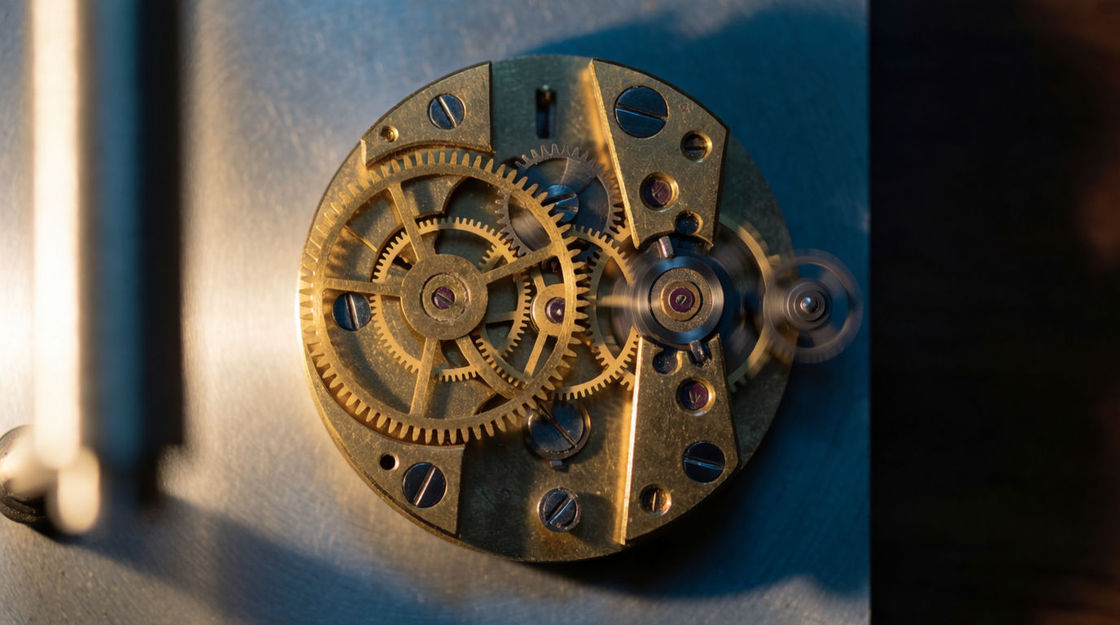
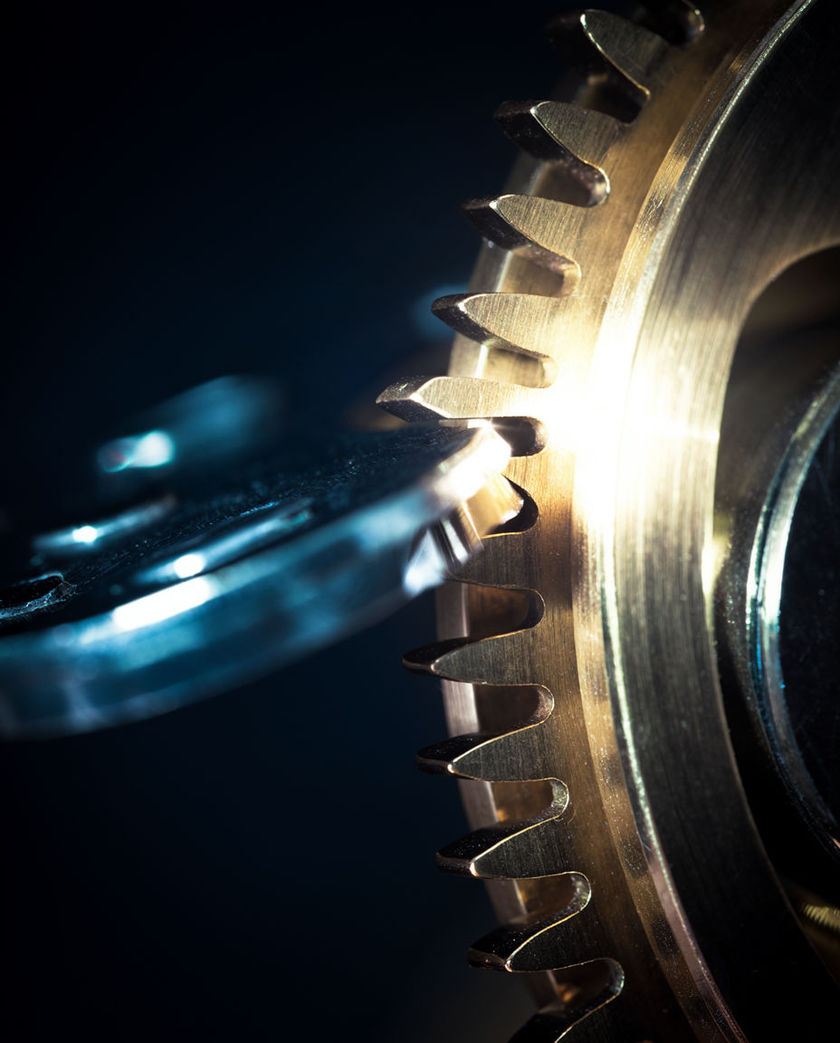
Metallic taps with fine brass gears whirring between them. Reach for it when the clock is on screen in close-up and the audience can see there is no case to muffle anything.
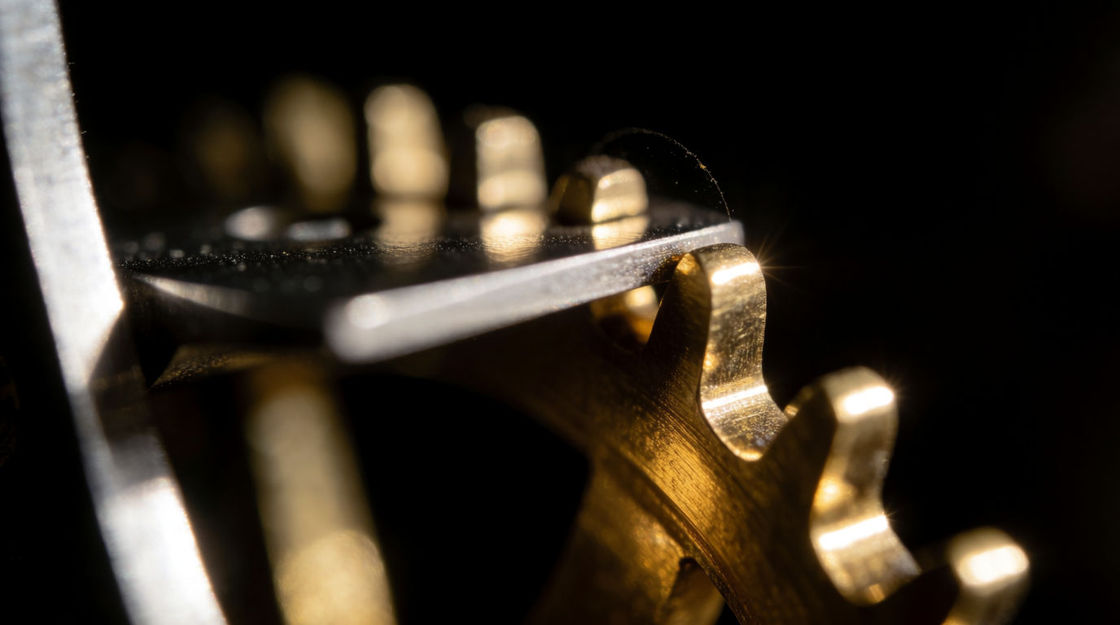
One isolated tap with a hard front edge. It punctuates a cut on its own, and layered over a bed it gives one second more weight than the rest of the minute.
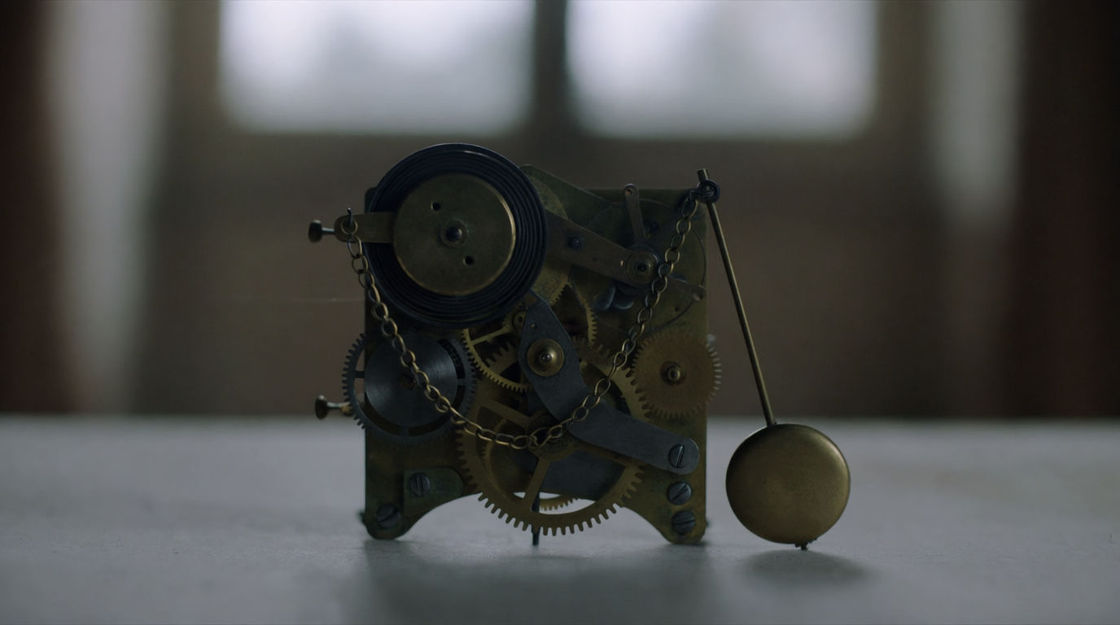
Taps arriving later and weaker until they stop altogether. The slowing pulse does something no steady tick can: it tells the audience the time is running out, not passing.
Choisissez un point de départ, modifiez ce que vous voulez, puis générez dans Morphic.
A single tap with a fast attack marks a frame cleanly and gets out of the way. Visual novels and animated shorts use it as punctuation exactly as often as drama does.
Modifier le promptTen unbroken seconds of even ticking keeps a silent scene from going dead. It holds a pause in an interview edit or a game menu just as well as a held shot.
Modifier le prompt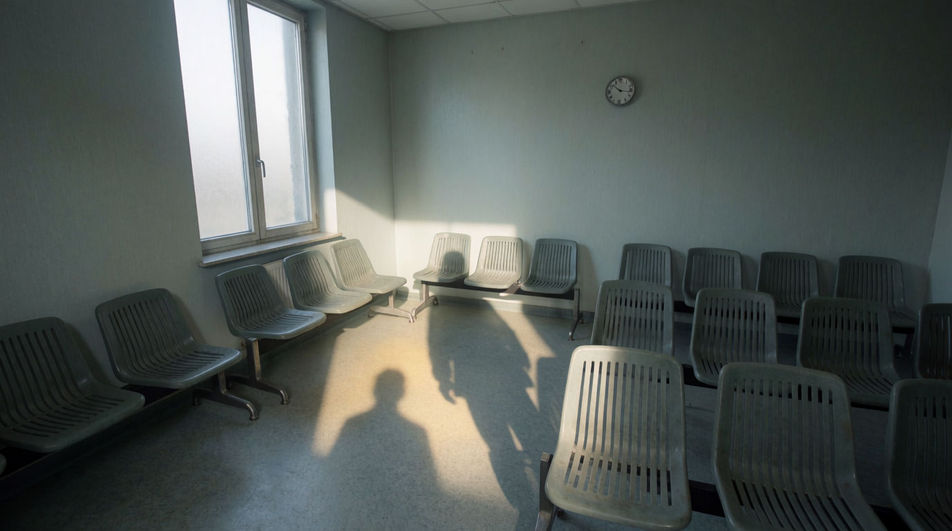
A deep wooden knock at an unhurried pace ages a scene by decades. Nothing in the frame has to be dressed for period, which is why it is such cheap production value.
Modifier le prompt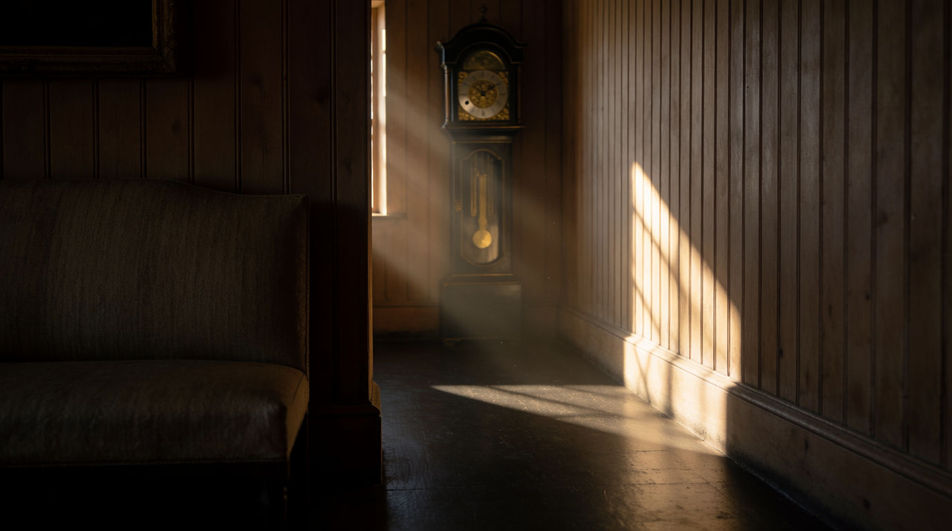
A rapid watch tick, or one slowing to a stop, tells an audience how much time is left without a line of dialogue or a countdown anywhere on screen.
Modifier le prompt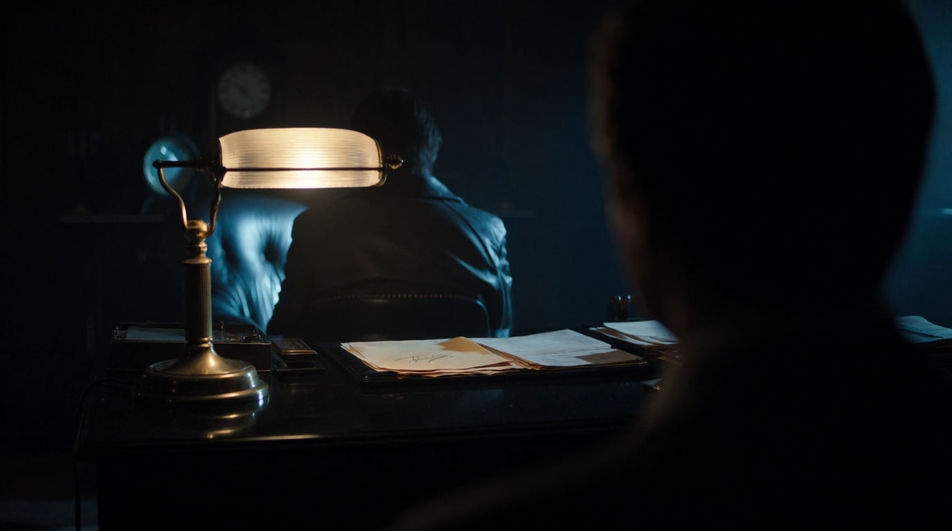
Door closing sound effects
Door closing sound effects, soft clicks, firm pushes, hard slams, metal, car and screen doors, recorded clean for film scenes, games and animation.
Door knock sound effects
Door knock sound effects, soft taps, polite doubles, firm triples, urgent pounding and metal bangs, recorded clean for film, games and podcasts.
Door opening sound effect
Need door opening sound effects for a scene? Morphic generates them to your spec without hunting through general purpose libraries.
Door sound effects
Generate door sound effects with AI on Morphic. Describe the sound, pick a variation, and download MP3 or WAV for your video, game or podcast.
Commencez gratuitement dès aujourd'hui, avec la possibilité de mettre à niveau ou d'annuler à tout moment.
Basic
2400 mensuel crédits
1 utilisateur uniquement
Tous les modèles
Workflows
Standard
3625 mensuel crédits
1 utilisateur uniquement
Tous les modèles
Workflows
Pro
6350 partagé mensuel crédits
1 utilisateur
Tous les modèles
Workflows
Max
24650 partagé mensuel crédits
1 utilisateur
Tous les modèles
Workflows
Enterprise
Pour des limites plus élevées
Personnalisé
conditions de tarification et de facturation
Free
Pour expérimenter
$0
gratuit pour toujours