Land the moment somebody finally breaks
A single sob marks the exact frame a character gives way, and stops before it becomes a scene of its own. It plays the same over animation as over a close-up.
Modifier le prompt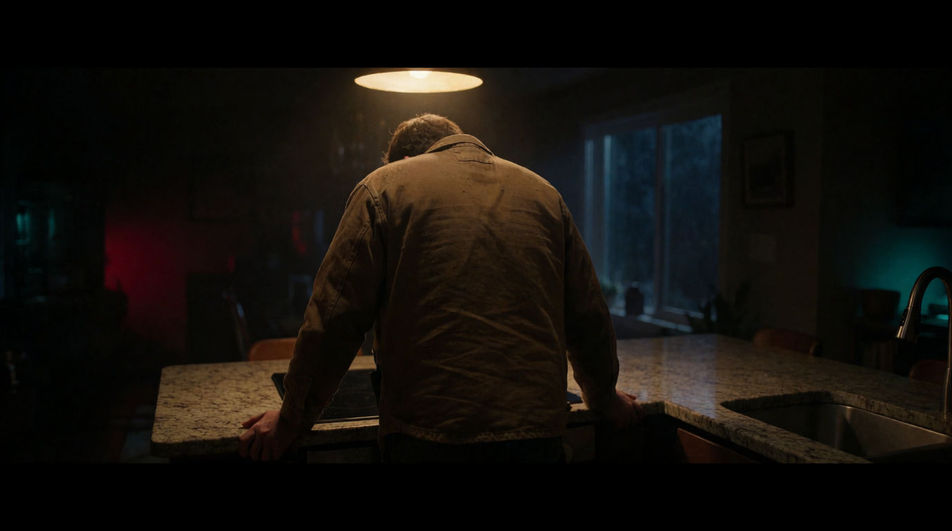
From one caught sob to somebody coming apart. Describe the breathing and the weight, and the performance arrives matched to the face on screen.


Thin and wavering with the breath catching underneath it, running long. The take most scenes reach for first, because it sits under dialogue instead of stopping it.
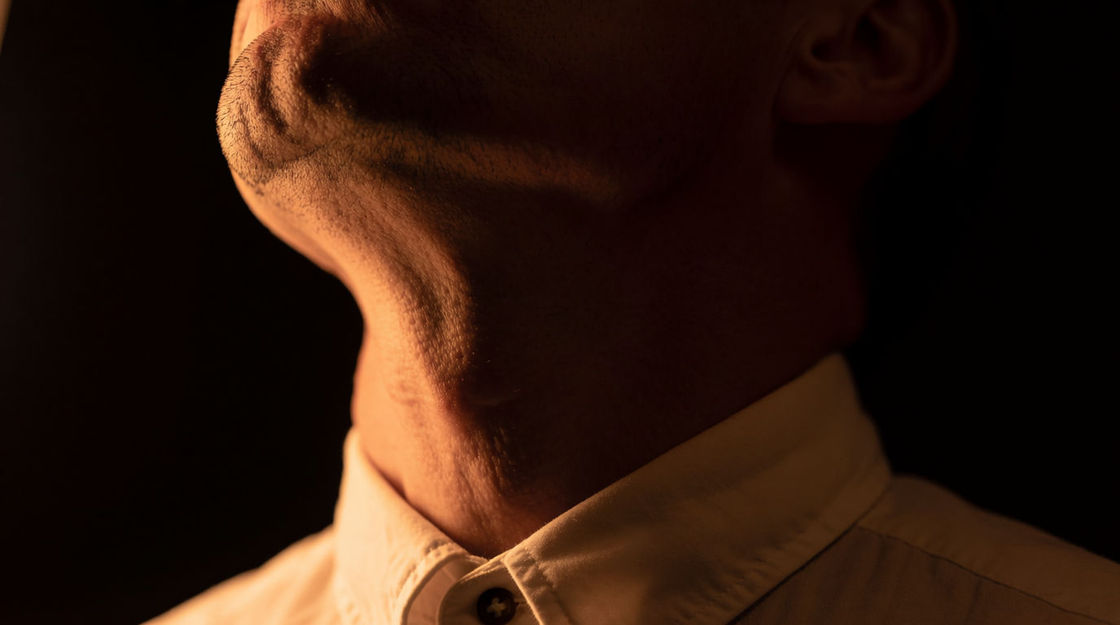
One breath in, one broken cry out, then nothing. A single sob is often more affecting than a long take, since it lets an audience imagine the rest for themselves.

Ragged in, broken out, over and over with no room between. The unevenness is what makes it read as real: sobbing that arrives on a steady rhythm sounds performed.
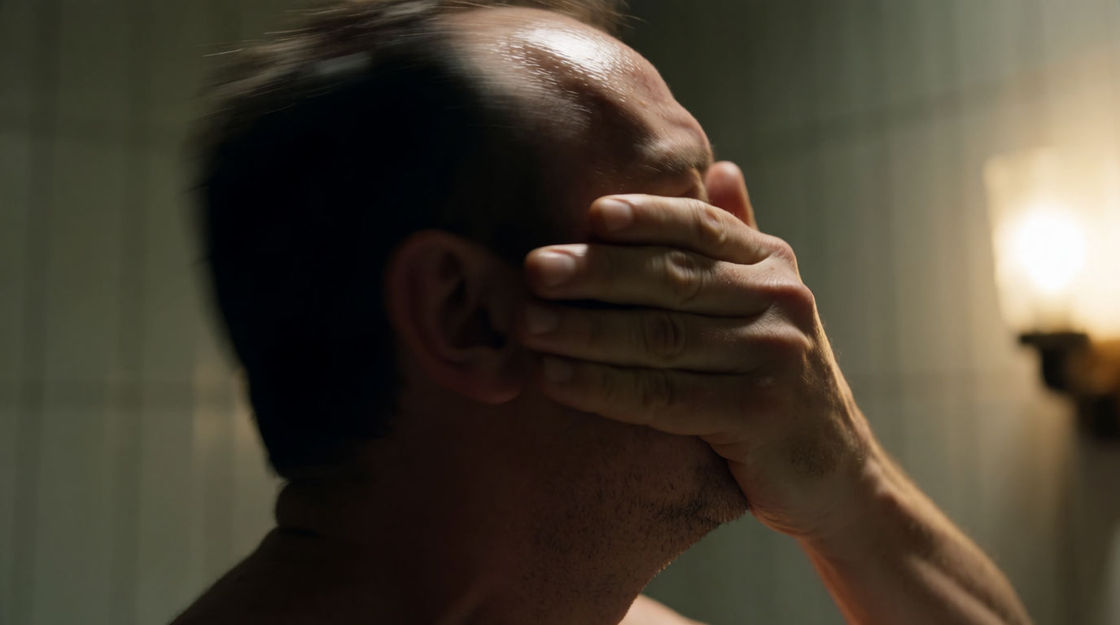
Held in and escaping in small shakes. It reads as somebody trying not to be heard, which is a completely different beat from anybody crying openly.

A school-age voice, higher and gulping between cries. Register changes everything an audience assumes about the situation before they see who is in the room.

Wet sniffs and unsteady breath with the crying over. This is the layer that makes a recovery scene work, and it is the one most edits forget to lay in.
Choisissez un point de départ, modifiez ce que vous voulez, puis générez dans Morphic.
A single sob marks the exact frame a character gives way, and stops before it becomes a scene of its own. It plays the same over animation as over a close-up.
Modifier le promptContinuous weeping carries a long still shot on its own, which keeps a drama, a game cutscene or a documentary segment from leaning on a score to do the feeling.
Modifier le prompt
Sniffs and unsteady breathing tell an audience where they are in the arc, so a scene can open after the crying without a line explaining what happened.
Modifier le prompt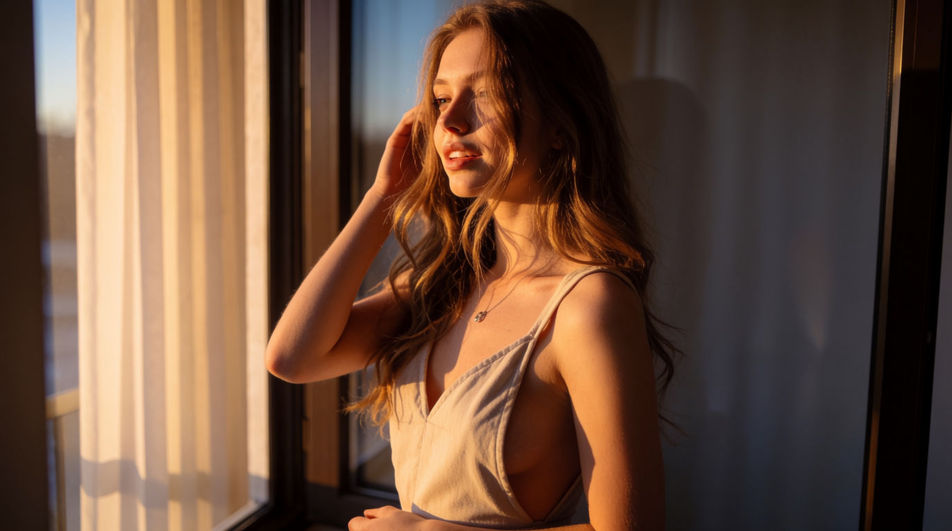
Crying from beyond the frame gives a scene a child nobody has to cast, direct or animate, and it raises the stakes of whatever is happening in shot.
Modifier le prompt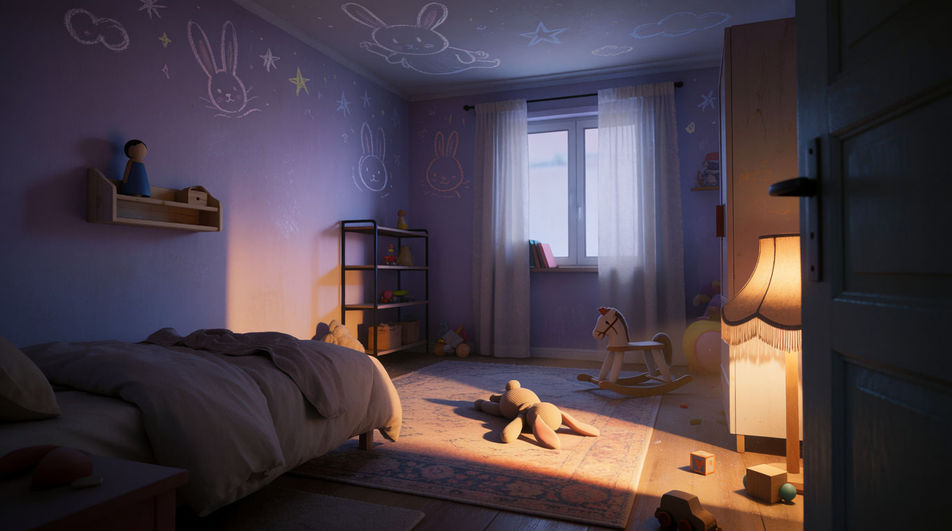
Kids cheering sound effect
Kids cheering sound effect in six takes, a full playground roar, a small group yay, claps, squeals and a single delighted child, ready for your timeline.
Kids sound effects
Generate kids sound effects with AI on Morphic. Describe the sound, pick a variation, and download MP3 or WAV for your video, game or podcast.
Kiss sound effects
Kiss sound effects for edits that need the moment heard: a quick peck, a big smooch, an air kiss, a blown kiss and a bright cartoon mwah in six clean takes.
Laugh track sound effects
Morphic builds laugh track sound effects from a prompt. Set the performance and the space, then drop a clean file into your mix.
Commencez gratuitement dès aujourd'hui, avec la possibilité de mettre à niveau ou d'annuler à tout moment.
Basic
2400 mensuel crédits
1 utilisateur uniquement
Tous les modèles
Workflows
Standard
3625 mensuel crédits
1 utilisateur uniquement
Tous les modèles
Workflows
Pro
6350 partagé mensuel crédits
1 utilisateur
Tous les modèles
Workflows
Max
24650 partagé mensuel crédits
1 utilisateur
Tous les modèles
Workflows
Enterprise
Pour des limites plus élevées
Personnalisé
conditions de tarification et de facturation

Free
Pour expérimenter
$0
gratuit pour toujours