Make an injury land on the exact frame
A dry snap on the frame of the break sells damage the picture never has to show. Games and animation depend on it, since neither can film the moment for real.
Modifier le prompt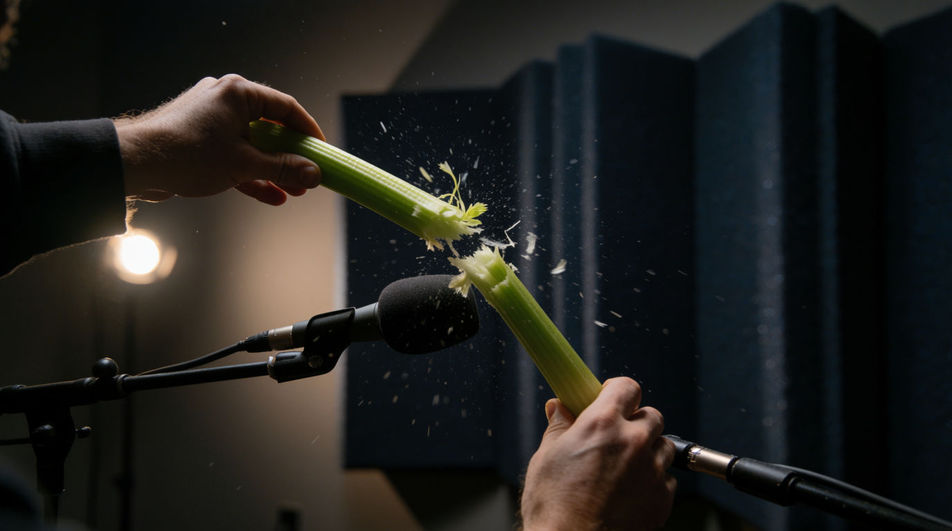
This page covers mature themes for adult audiences making film, games and other creative work.
The practical layer a horror feature runs on: bone, blood, bodies, and stairs. Generate each element to spec rather than hunting a library for the one that nearly fits.
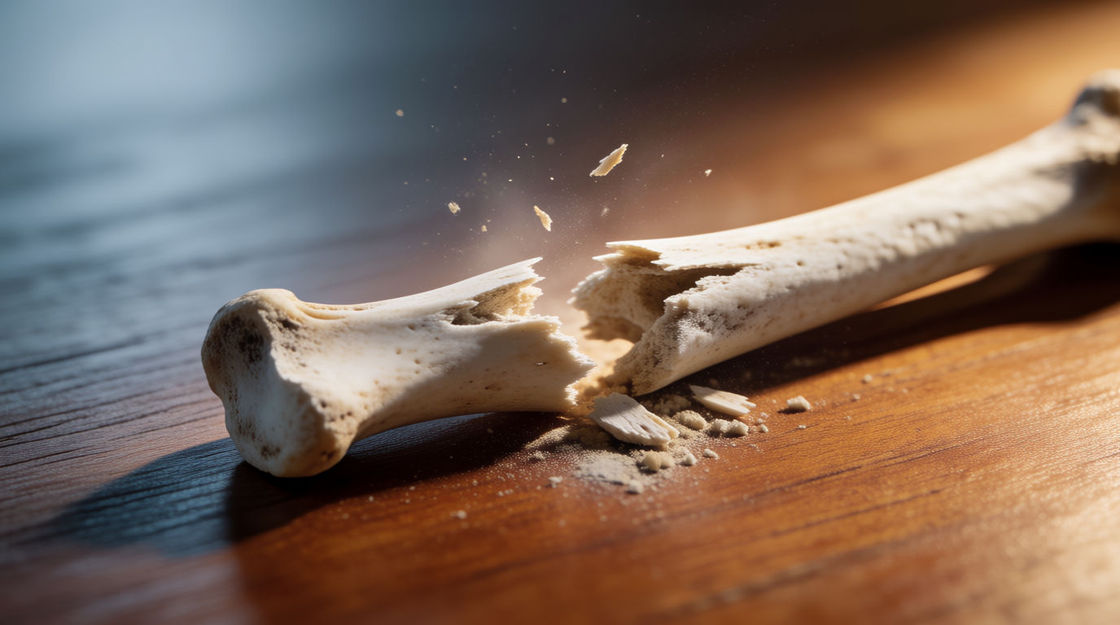
A single splintering crack with a brittle scatter behind it. The card most horror cuts want first, because the scatter after the break is the part an audience actually flinches at.
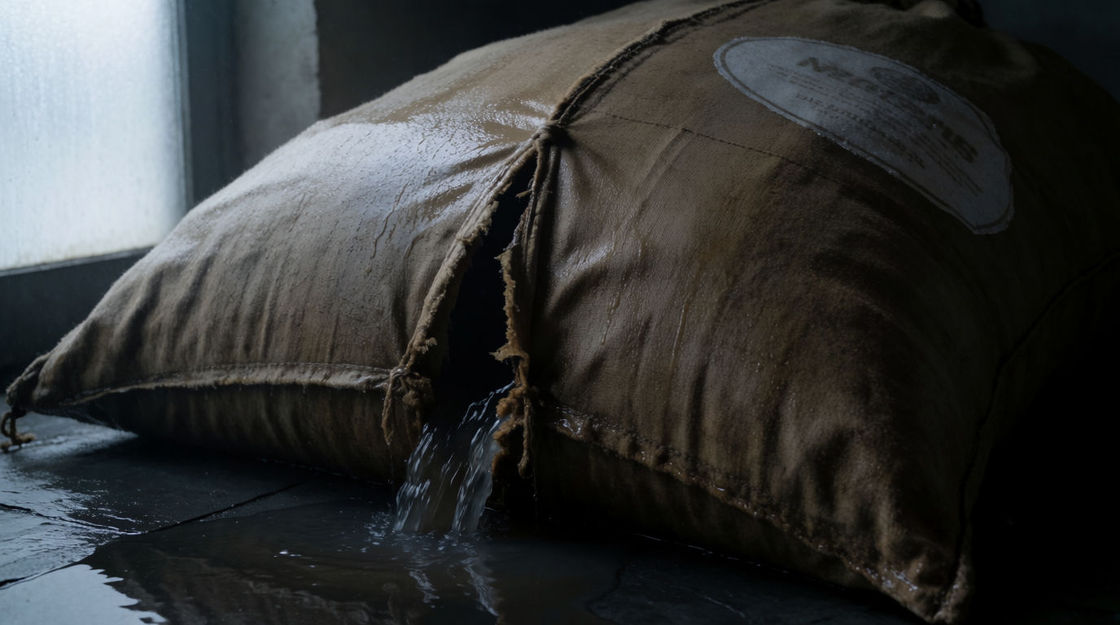
Four seconds of thick ripping that gives way in stages rather than all at once. Staged tearing reads as resistance, and resistance is what makes it sound like a body rather than cloth.
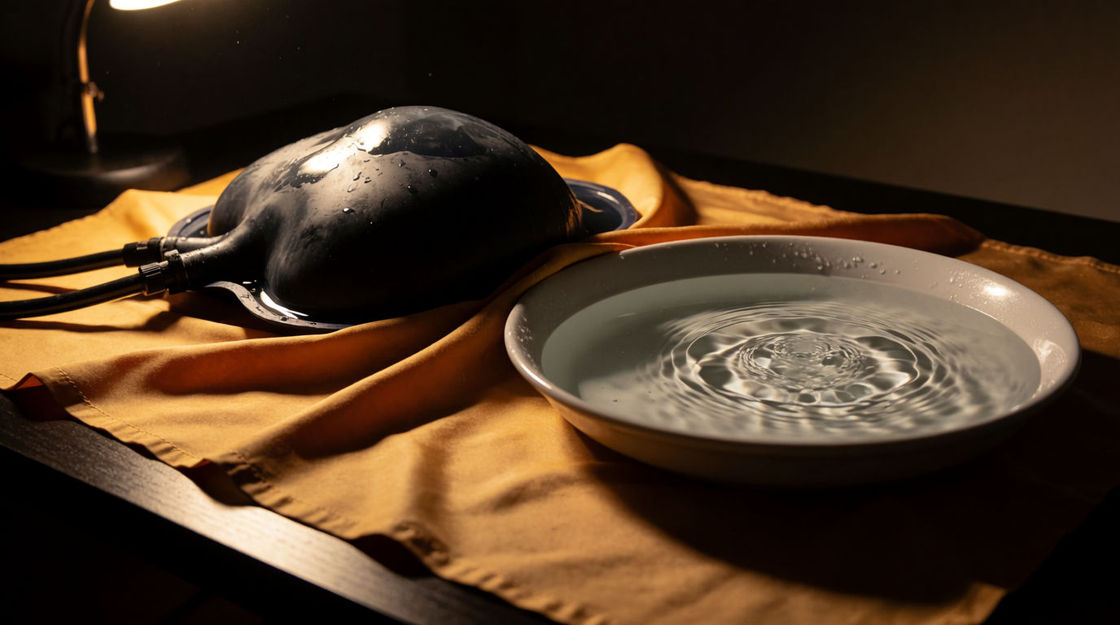
A slow double thud that gradually gains pace across twelve seconds. The acceleration does the tension by itself, so a scene can build with nothing else added to the track.
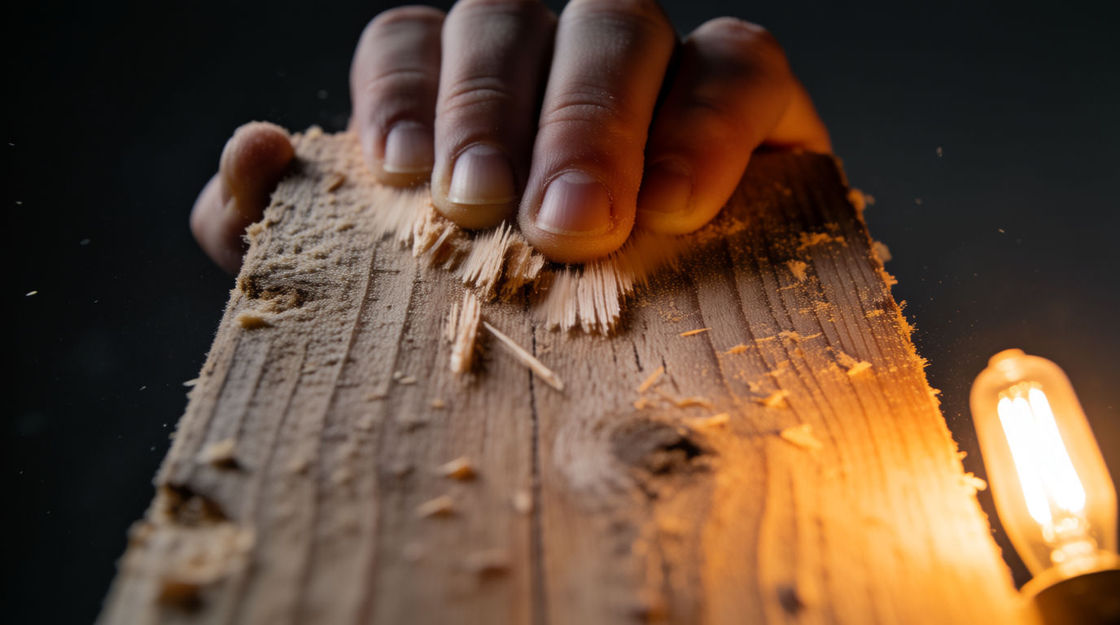
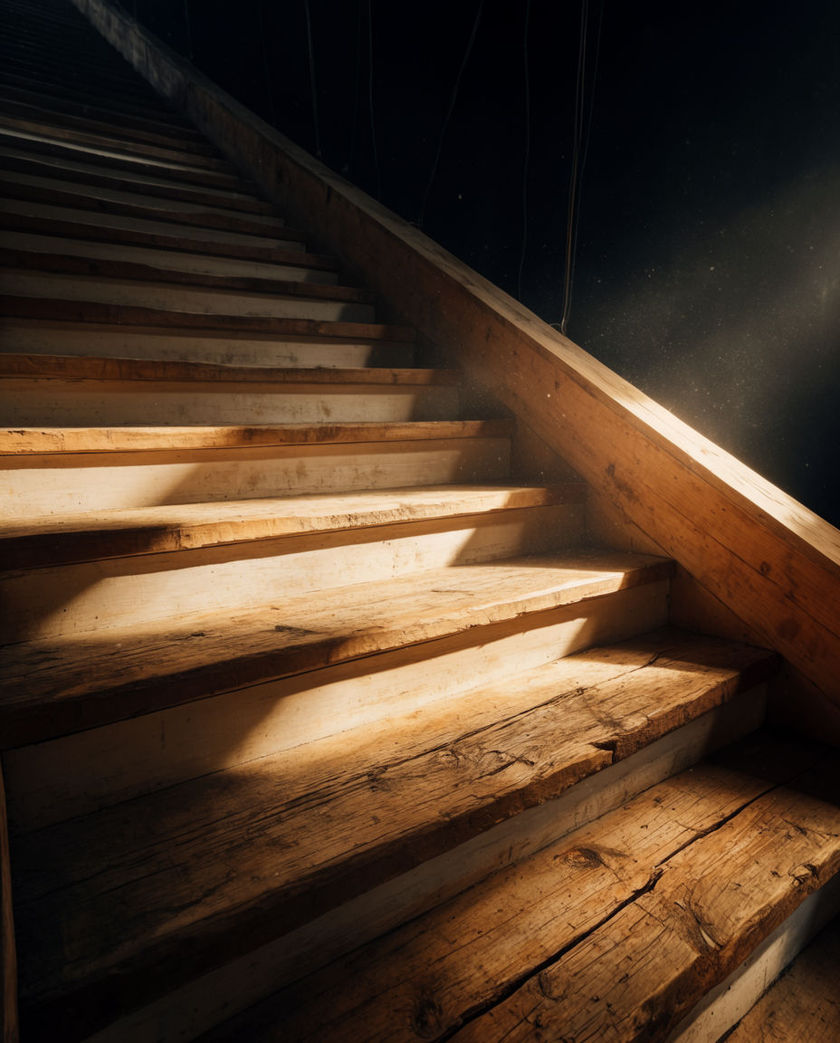
Four fingernails dragged down dry timber, catching as they go. It is thin and bright, so it cuts through a dense track at low level where the heavier cards would need space cleared.
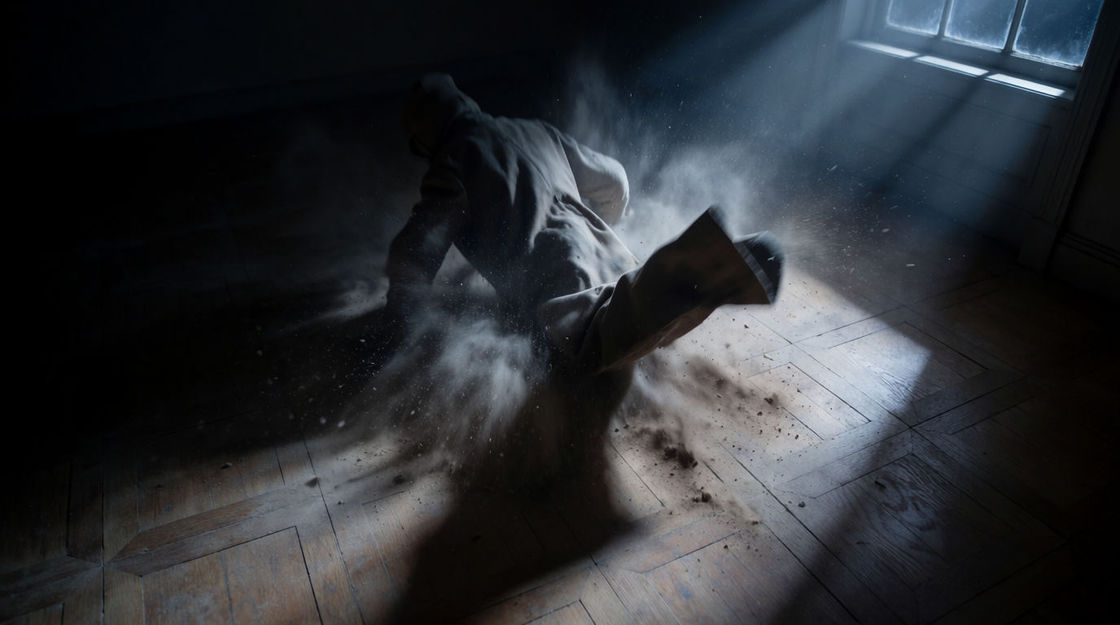
A full adult weight dropping onto boards, with the floor answering afterwards. That secondary rattle is what separates a body from a sack, and it is worth asking for explicitly.
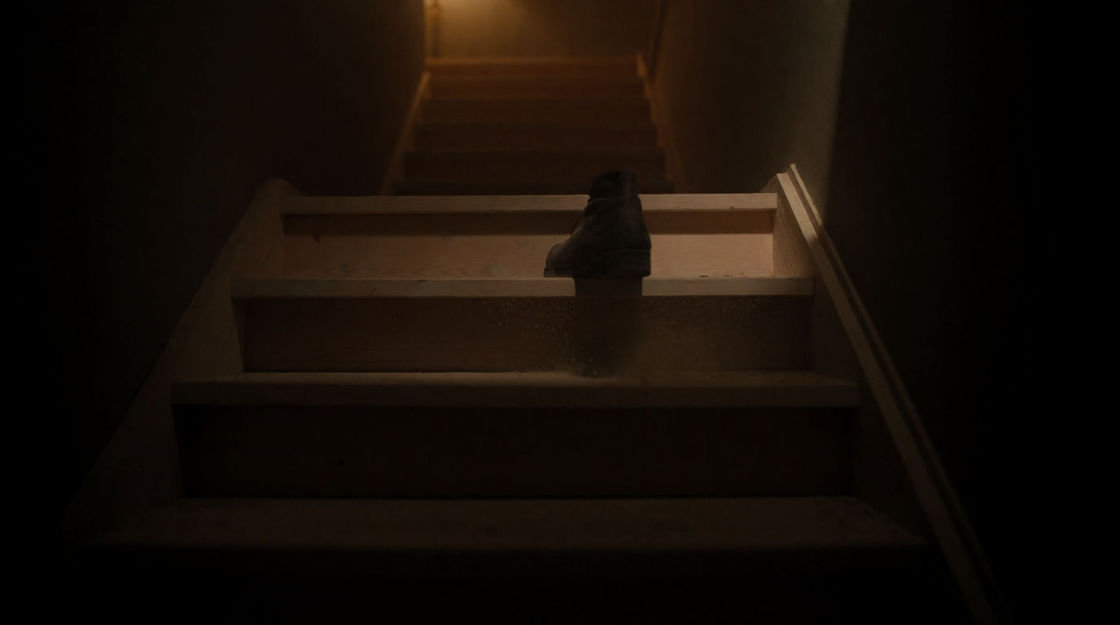
Six dulled footfalls with a faint echo, each closer than the last. Distance is written as tone here rather than volume, which is why it still works after a mixer levels the track.
Choisissez un point de départ, modifiez ce que vous voulez, puis générez dans Morphic.
A dry snap on the frame of the break sells damage the picture never has to show. Games and animation depend on it, since neither can film the moment for real.
Modifier le promptTwelve seconds of quickening heartbeat carry a held frame with no score at all. It does the same job in an audio series or a slow game corridor as it does on film.
Modifier le prompt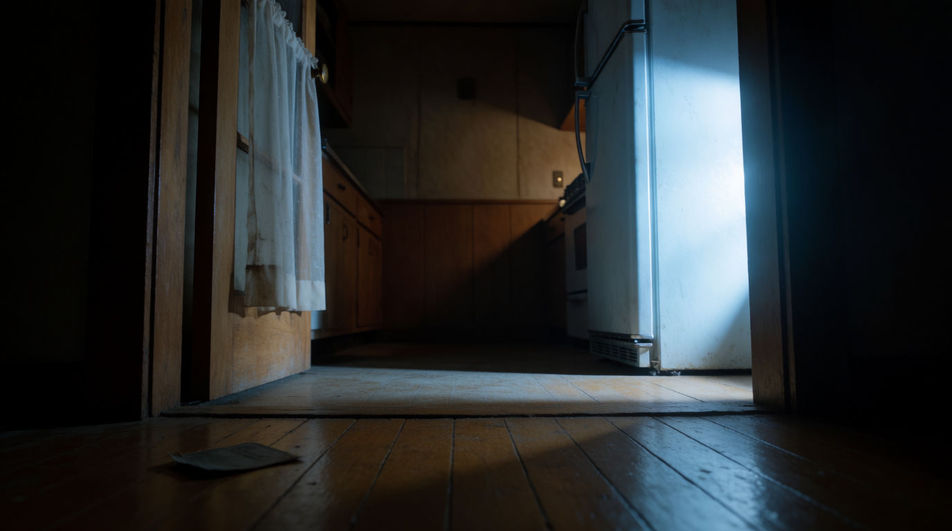
Nails catching on unfinished timber say bare wood, no plaster, nobody maintaining it. One texture sets the condition of a whole location before the camera has moved.
Modifier le prompt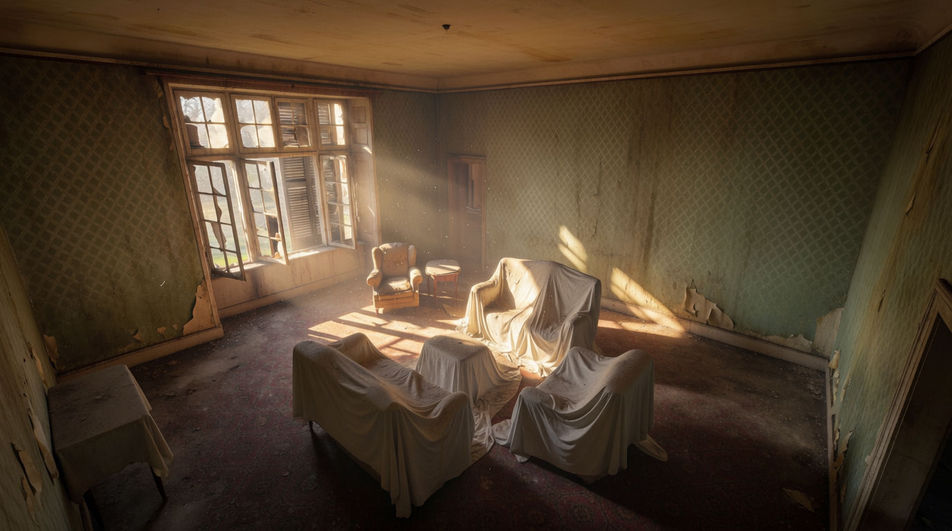
Six dulled footfalls arriving closer put an intruder in the scene while the camera stays on a face. It is the oldest trick in the genre and still the cheapest to build.
Modifier le prompt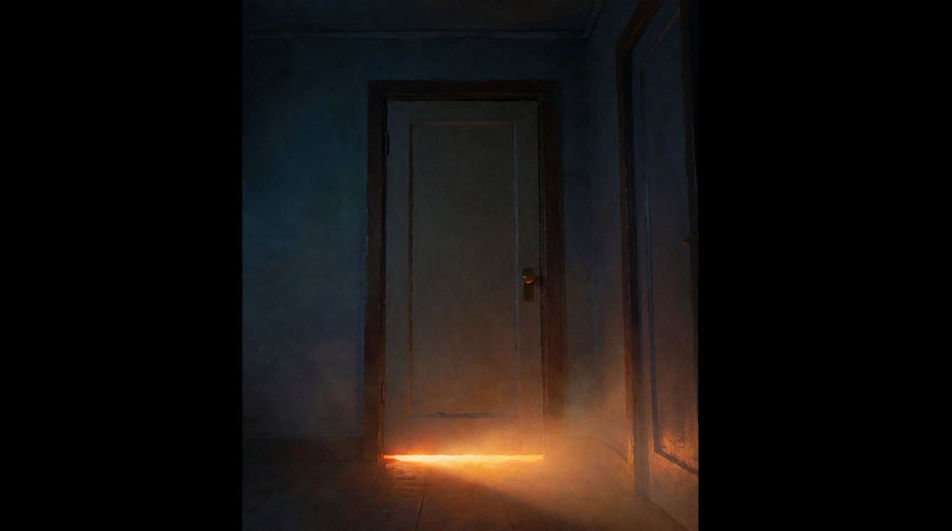
Graveyard sound effects
Graveyard sound effects: a rusted gate creaking open, a shovel biting into earth, crows overhead, and heavy stone dragging on stone long after dark.
Halloween sound effects
Generate Halloween sound effects with Morphic. Set the tension, the texture and the length you need to land the moment without stock cliches.
Haunted house sound effects
Haunted house sound effects for creaking floors, slamming doors and whispers in empty rooms, clean recordings you can place under any scary scene.
Help me sound effects
Browse ready-made help me sound effect clips, then generate your own at the length your scene needs. Morphic makes sound, voice, image and video in one workspace.
Commencez gratuitement dès aujourd'hui, avec la possibilité de mettre à niveau ou d'annuler à tout moment.
Basic
2400 mensuel crédits
1 utilisateur uniquement
Tous les modèles
Workflows
Standard
3625 mensuel crédits
1 utilisateur uniquement
Tous les modèles
Workflows
Pro
6350 partagé mensuel crédits
1 utilisateur
Tous les modèles
Workflows
Max
24650 partagé mensuel crédits
1 utilisateur
Tous les modèles
Workflows
Enterprise
Pour des limites plus élevées
Personnalisé
conditions de tarification et de facturation
Free
Pour expérimenter
$0
gratuit pour toujours
Everything on this page is fictional depiction for film, games and creative work. It does not depict real events, and does not place real, identifiable people in them.
Results vary by model. Some models apply stricter content policies than others, so a shot one model declines may generate on another.