Idea to short film in three steps
- 01
Open Morphic
Sign up and start on a free-flowing, infinite visual canvas.
- 02
Bring your idea or script
A one-line premise or a full script. Morphic breaks it into shots you can generate.
- 03
Generate, assemble, export
Route each shot to the right model, assemble the cut on the timeline, and export in 9:16 or 16:9.
Making a whole microdrama series?
Tell us your budget, volume and use case and our team builds a custom workflow around it, so an entire vertical season runs on one repeatable setup.
Short films you can generate
What you can make
A short film from a script
Paste a script, break it into shots, and generate each one with your characters attached. Assemble the cut on the built-in timeline and export a finished film without leaving the workspace.
One idea, two aspects
Render the same story vertically for phones and in widescreen for everywhere else. A 9:16 cut for short-video platforms and a 16:9 cut for YouTube, from one set of shots.
A consistent cast
Save each character as a reference and reuse it across every shot, so the lead looks like the lead from the first frame to the last. The same method scales to a whole series.
From short film to vertical series
Start with one short film, then turn the workflow into an episodic microdrama. Duplicate the sequence, swap the script, and run it per episode.
How it works
A short film in Morphic is built shot by shot and assembled on one timeline. You bring an idea or a script, develop it into shots, and generate each shot with a character reference attached so the cast stays consistent. Because the whole roster of video, image, and audio models lives in one workspace, you route each shot to the engine that handles it best instead of forcing one model to do everything. Dialogue, voiceover, and music are generated in the same place and cut together, so the film comes together without exporting between apps.
What you can make
Genres from drama to thriller to comedy, in vertical 9:16 for short-video platforms or 16:9 for widescreen. Shorts of a minute or two are the common case, and the same approach scales up: more shots make a longer film, and a reusable workflow turns one film into an episodic series.
From short film to episodic microdrama
A short film and a microdrama episode are built the same way, the difference is that a series reuses the cast and the workflow across dozens of episodes. If a vertical series is where you are headed, the AI microdrama walkthrough takes the same pipeline and shows how to keep a season of characters, voices, and looks consistent.
Scène cinématique
Une image pour une vidéo cinématographique en 9 scènes.

Storyboard cinématographique
Partagez une description de scène avec des références de personnages. Obtenez un storyboard complet avec des angles de prise de vue et une ambiance.
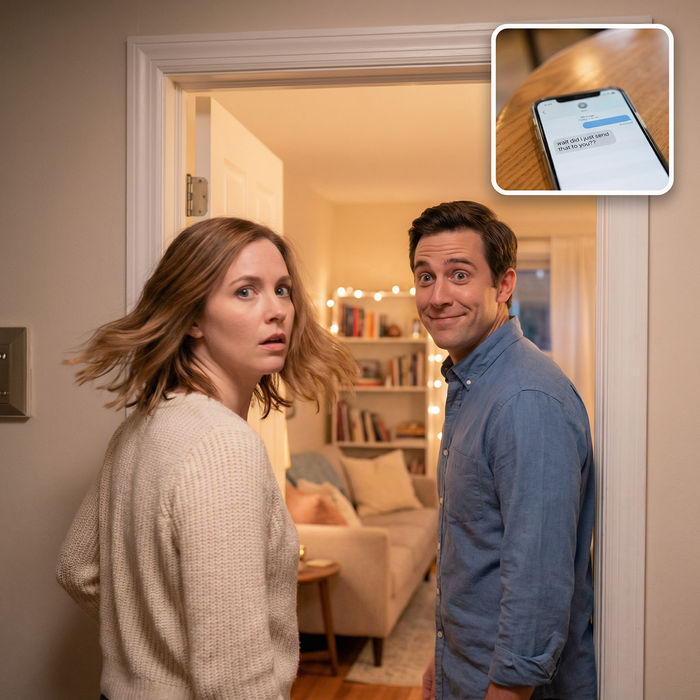
Messages à la scène cinématique
Dramatiser toute conversation textuelle en une vidéo cinématographique multi-plans.
Effet de gel du temps
Court-métrage cinématographique avec effet de gel du temps pour toute scène
Mettez-vous dans un film
Déposez une photo de vous. Obtenez un film cinématique de 12 secondes avec animation et une bande sonore assortie.
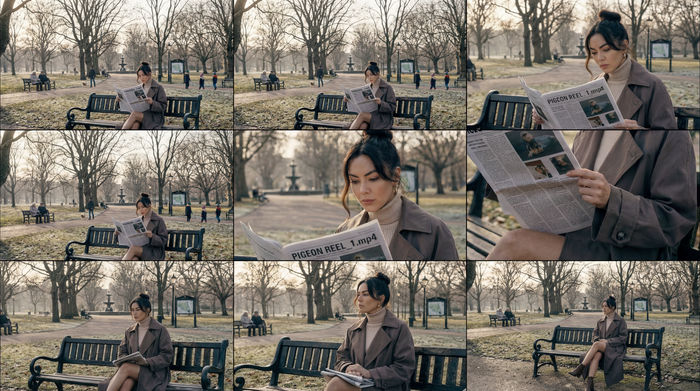
storyboard 3x3
Fournissez une seule image. Obtenez 9 plans cinématographiques présentés sous forme de grille de storyboard 3x3.
Keep going
Related toolsMake an AI microdrama
Turn the short-film workflow into an episodic vertical series with a consistent cast across a whole season.
Lip sync a character
Match a character's mouth to new audio for dialogue scenes and dubbed lines.
Best AI models for microdrama
Which model to route each shot to, dialogue, motion, establishing, casting.
Make a microdrama
The format-level guide to building a vertical drama from premise to published season.