Full-frame static held clean
A flat, edge-to-edge field of grey analogue static with fine scan lines and no bezel, the noise changing every frame, built to lay over a cut.
Modifier le prompt
Generate TV static stock video in Morphic's AI video generator: full-frame snow with scan lines, or a roll bar climbing a dark screen. Lay it over the cut as a texture layer on Compose.
A flat, edge-to-edge field of grey analogue static with fine scan lines and no bezel, the noise changing every frame, built to lay over a cut.
Modifier le promptA television on the floor of an empty room at night, facing the lens, its static reflected in the polished boards and flickering up the far wall.
Modifier le prompt
A stacked wall of old televisions all showing static, each screen at a slightly different phase and brightness, the camera drifting slowly across.
Modifier le prompt
Seen from a wet street at night, a television showing static in a dark shop window, its flicker breaking up through rain running down the glass.
Modifier le prompt
Écrivez la scène TV static stock que vous voulez, en mots simples.
Morphic génère votre clip cinématographique en quelques secondes.
Ajustez le prompt, régénérez des variantes, téléchargez ou partagez le plan.
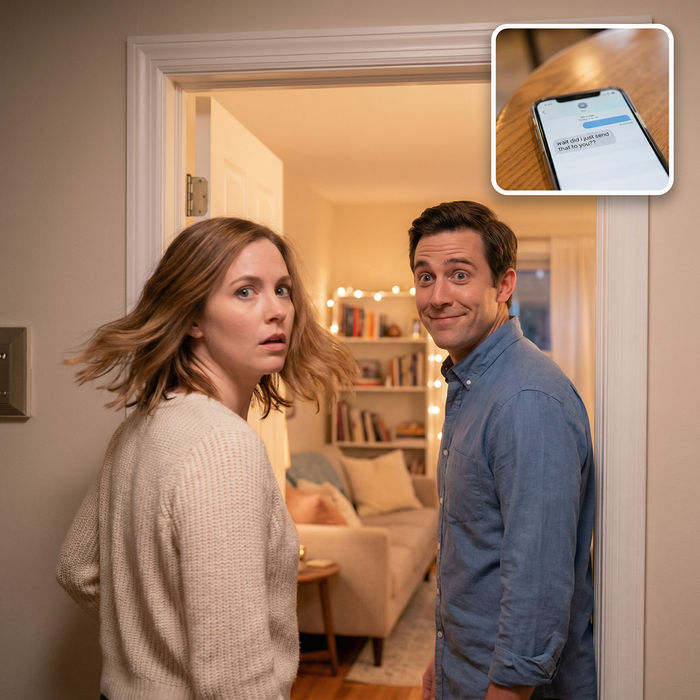
Dramatiser toute conversation textuelle en une vidéo cinématographique multi-plans.
Court-métrage cinématographique avec effet de gel du temps pour toute scène

Générer une carte de titre de film professionnelle à partir de zéro, avec animation cinématographique optionnelle.
Photo of any real-estate becomes a cinematic renovation timelapse video with construction SFX and music.
Une image pour une vidéo cinématographique en 9 scènes.
Déposez une photo de vous. Obtenez un film cinématique de 12 secondes avec animation et une bande sonore assortie.
AI digital stock footage
Browse digital stock footage and generate your own shots at the exact length, ratio and look the cut needs. Morphic makes video, image, voice and sound.
Vidéos IA animation glitch art
Vidéos d'animation glitch art avec l'IA sur Morphic. Datamosh, séparation de canaux RVB, scanlines déchirées, pixel-sort et artéfacts VHS. Commencez.
Vidéos d'effet de scanlines CRT IA
Générez des vidéos de scanlines CRT IA avec Morphic. Verre incurvé, scanlines luisantes, floraison de phosphore et prompts d'écran rétro prêts à l'emploi qui tournent dans votre navigateur.
Vidéos d'effet de tracking VHS IA
Générez des vidéos d'effet de tracking VHS IA avec Morphic. Barres de tracking, bruit de commutation de têtes, bavure chromatique et artefacts analogiques déformés à partir d'un simple prompt.
Commencez gratuitement dès aujourd'hui, avec la possibilité de mettre à niveau ou d'annuler à tout moment.
Basic
2400 mensuel crédits
1 utilisateur uniquement
Tous les modèles
Workflows
Standard
3625 mensuel crédits
1 utilisateur uniquement
Tous les modèles
Workflows
Pro
6350 partagé mensuel crédits
1 utilisateur
Tous les modèles
Workflows
Max
24650 partagé mensuel crédits
1 utilisateur
Tous les modèles
Workflows
Enterprise
Pour des limites plus élevées
Personnalisé
conditions de tarification et de facturation
Free
Pour expérimenter
$0
gratuit pour toujours