


Dub and localise a microdrama series into any language with AI

A finished microdrama becomes a release in another market without generating it again. Dubbing transcribes the episode, translates it, re-voices it timed to the original, and lip sync matches each mouth to the new track, so the market you ship to sees a native performance. It runs as a repeatable pipeline you can take from one episode to a whole season, one target language at a time.

Example for Dub and localise a microdrama series into any language with AI

The dubbing pipeline, step by step

  1. 1
    drop image

    Transcribe and translate

    The spoken audio becomes a timed transcript, then a translation in the target market’s language, both reviewable before anything is voiced. Getting the words right here is what keeps the voice and the sync honest.

  2. 2

    Re-voice, timed to the original

    The translated lines are re-voiced and timed to the original performance, returning a dubbed audio track. Use speech-to-speech to keep the original delivery in a new voice, or text-to-speech to perform the translated line fresh.

  3. 3

    Lip sync and deliver

    Lip sync re-times each character’s mouth to the dubbed track, then the episode is assembled and exported for the market. One source episode ships to several languages, one target language per pass.

The scenes a studio localises

The dialogue-driven moments a microdrama is built from, a confrontation, a reveal, a romance beat, a cliffhanger line, each one dubbed and lip-synced into every market with the character’s voice held across languages.

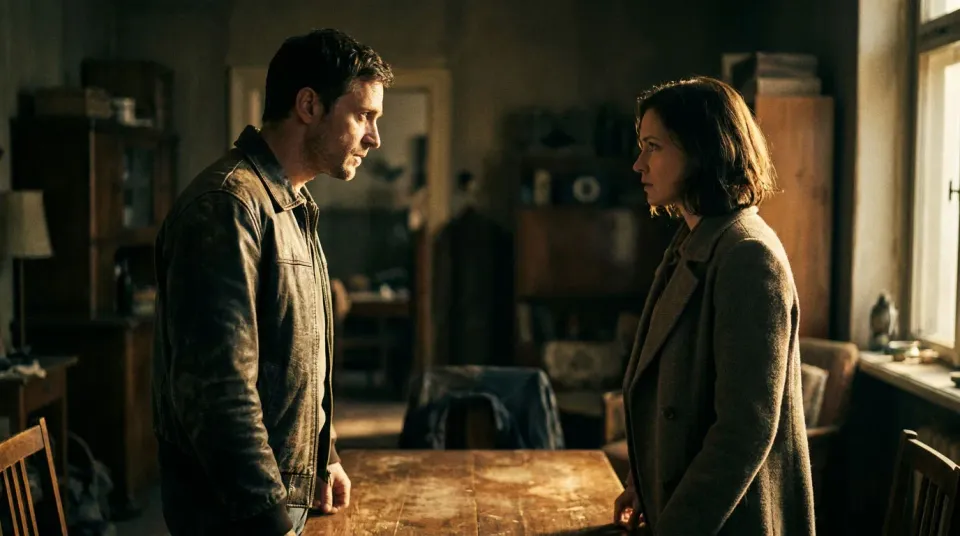
A confrontation

A two-character standoff, the kind of charged dialogue beat a microdrama turns on. Dubbed and lip-synced, the tension has to survive the new language, which is why the original delivery is worth keeping.

프롬프트 편집
A confrontation for Dub and localise a microdrama series into any language with AI

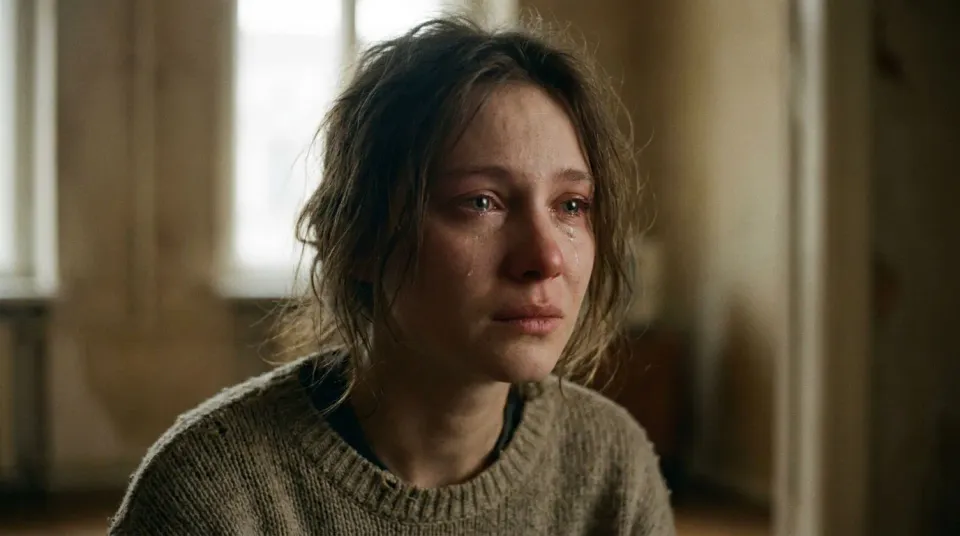
A tearful reveal

An emotional reveal where the read is the whole scene. Re-voicing with speech-to-speech keeps that performance in the new voice rather than performing the line cold.

프롬프트 편집
A tearful reveal for Dub and localise a microdrama series into any language with AI

A romance beat

A quiet two-hander, the intimate register a romance drama lives in. One voice per character, held across every market, so the lead sounds like the lead everywhere.

프롬프트 편집

A romance beat for Dub and localise a microdrama series into any language with AI

A cliffhanger line

The last line before the cut, the hook that pulls the next episode. The lip sync has to land it in the target language so the cliffhanger still works in every market.

프롬프트 편집

A cliffhanger line for Dub and localise a microdrama series into any language with AI

What AI dubbing handles, and where a person still earns their keep

AI covers the mechanical passes of localisation. Emotion, idiom and the final sign-off still want a human ear before an episode ships, so here is where each one sits.

What Morphic handles well

  • Transcription, translation, re-voicing and lip sync in one workspace, no vendor hand-offs
  • One voice per character carried across every language, so the cast is recognisable everywhere
  • A repeatable pipeline you can take from one episode to a 100-episode season
  • A reviewable checkpoint at the transcript and the translation before anything is voiced

Where you still want a person

  • Emotion and delivery, which is why keeping the original performance with speech-to-speech matters
  • Idiom and cultural nuance in the translation, checked by a native speaker before it is voiced
  • A test scene in each new language before committing a whole season to it
  • Final sign-off on the dubbed cut before the episode ships to the market

간단한 가격

오늘 무료로 시작하고 언제든지 업그레이드하거나 취소할 수 있습니다.

Basic

$19/ 월
청구 금액 $0 년

2400 월간 크레딧

1 명 전용

모든 모델

워크플로

Standard

$24/ 월
청구 금액 $0 년

3625 월간 크레딧

1 명 전용

모든 모델

워크플로

Pro

$45/ 월
청구 금액 $0 년

6350 공유 월간 크레딧

1 사용자

+ 최대 4 명 추가 비용으로 추가 가능

모든 모델

워크플로

Max

$170/ 월
청구 금액 $0 년

24650 공유 월간 크레딧

1 사용자

+ 최대 9 명 추가 비용으로 추가 가능

모든 모델

워크플로

Enterprise

더 높은 제한

사용자 정의

가격 및 청구 조건

대용량 크레딧
맞춤형 시트 제한
모든 모델
워크플로
Pricing Gradient

Free

가볍게 사용해보기

$0

영구 무료

최대 20 크레딧
1명 전용
일부 모델
워크플로

자주 묻는 질문

What is the best AI dubbing tool for microdramas?
The one that keeps dubbing next to the rest of production. Morphic transcribes, translates, re-voices and lip-syncs in one workspace, carrying each character’s voice across languages, so a series localises without shipping files between a transcription service, a translator, a voice vendor and an editor. The honest practice is to test one scene in a new language before a whole season.
Can AI dub 50 episodes into 5 languages?
Yes, as a pipeline rather than a single button. Each episode is dubbed one target language at a time, and the same sequence, transcribe, translate, re-voice, lip sync, repeats across episodes and languages. Because it is a repeatable process you run rather than rebuild, a season into several markets becomes throughput, with the character voices held consistent across all of them.
Is AI lip sync realistic for dubbing?
It is what stops a dub from reading as a dub. After the line is re-voiced in the target language, lip sync re-times the character’s mouth to the new audio so the picture matches the words. Results are best on clear, front-facing dialogue shots, and non-English dialogue is worth testing on one scene first rather than assuming it.
How much does AI dubbing cost per episode?
Localisation is a small fraction of what producing the original episode costs, and the figure scales with episode length and the number of target languages, since each language is its own pass. The useful way to budget it is per target language per episode; the production cost guide breaks down where localisation sits against the rest of a season.
Should I dub or subtitle a microdrama?
Dub. A microdrama plays full-screen vertical on a phone, which leaves no room for burned-in subtitles to sit without fighting the composition, and viewers of this format expect a native-language performance rather than reading along. Subtitles still have a place as an export alongside the dub, but the dubbed, lip-synced version is what carries the episode in a new market.
How do studios keep acting emotion after AI dubbing?
By re-voicing with speech-to-speech, which keeps the original delivery, pacing and emotion of the take and carries it into the new voice, rather than performing the translated line cold. Where a line needs a specific read, a native speaker directs it. Emotion is the part to protect, which is why the original performance is the thing worth keeping.