Foggy harbour at dawn
A wide foggy harbour at dawn rendered as a lith print, warm peachy highlights dissolving into grain, boats and pilings dropping to gritty coal-black shadow.
Edit prompt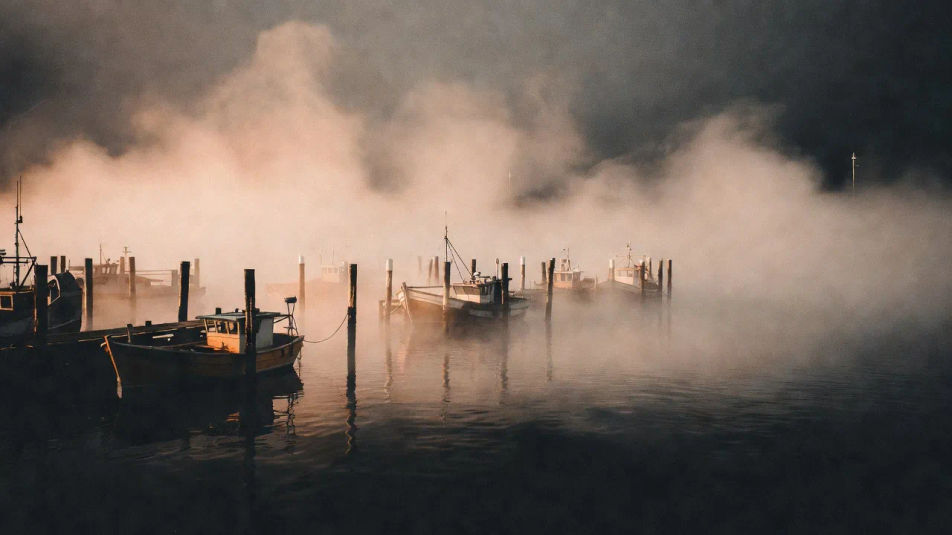
Build lith printing images in your browser with Morphic's AI image generator. Generate a portrait with peachy midtones and coal-black shadows, a misty grainy landscape, or an architectural study with glowing shadows. Pair each print with Style Transfer, then animate with Image to Video.
A wide foggy harbour at dawn rendered as a lith print, warm peachy highlights dissolving into grain, boats and pilings dropping to gritty coal-black shadow.
Edit promptA wide grand hall interior in warm ochre midtones with deep sooty shadows in the corners, soft grainy shafts of light, the whole frame reading like a lith print.
Edit prompt
A wide windswept moor under low cloud, warm grain across the sky, heavy black foreground rocks, delicate pink highlights, split-toned lith mood throughout.
Edit prompt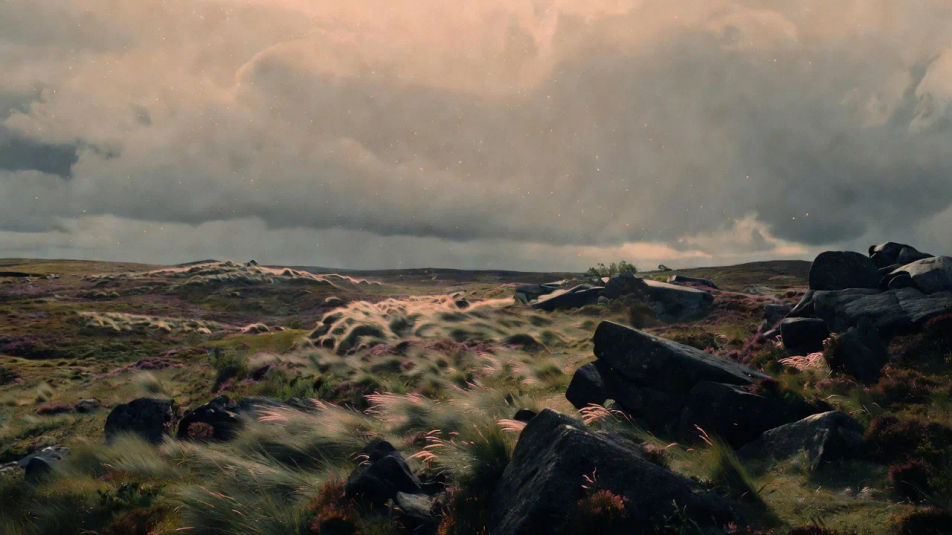
A wide backlit forest clearing where trees drop to dense black silhouettes and a warm apricot glow floods the grainy midtones, coarse pepper grain in the darks.
Edit prompt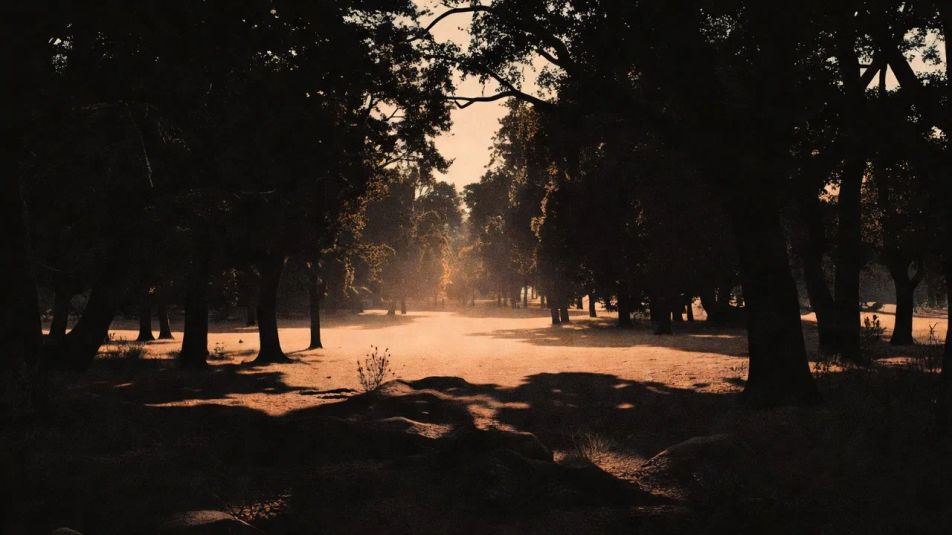
Describe the Lith printing you want, in plain words.
Morphic generates a clean, ready-to-publish image on your canvas in seconds.
Tweak the prompt, regenerate variations, then download or share the frame.
Fix plastic-looking AI skin. Adds natural texture, pores, and imperfections for realism.
One selfie becomes a set of professional headshots. Studio-quality, multiple styles.
Convert any image to a new aspect ratio. Smart crop or extend the edges to fit.
Set the look with one reference image. Apply that exact grade to any scene or batch.
Choose your viewing angles and get precise perspective shifts of any image with full camera control.
Bring back any damaged, blurry, or low-res image. Get a sharp, detailed 4K version with natural clarity restored.
Bromoil print AI images
Make bromoil print AI images in your browser: dabbed oil pigment, broken painterly texture, warm ink tone, soft pictorialist look. Build one. Start creating.
Carbon transfer print AI images
Make carbon transfer print AI images in your browser: deep pigment blacks, subtle surface relief, glossy gelatin depth. Build from a prompt. Start creating.
Salt print AI images
Make salt print AI images in your browser: matte russet-brown tones, soft low contrast, visible paper fibers, irregular coating edges. Start creating.
Gum bichromate AI images
Make gum bichromate AI images in your browser: brushed pigment edges, matte layered color, watercolor-paper texture. Build a painterly print. Start creating.
Get started for free today, with the option to upgrade or cancel anytime.
Basic
2400 monthly credits
1 user only
All models
Workflows
Standard
3625 monthly credits
1 user only
All models
Workflows
Pro
6350 shared monthly credits
1 user
All models
Workflows
Max
24650 shared monthly credits
1 user
All models
Workflows
Enterprise
For higher limits
Custom
pricing and billing terms

Free
For playing around
$0
forever free