Audio generation

Lyria 3.5

by Google DeepMind

Google's best‑sounding music model.
Full songs with structure, vocals, and lyrics.
Lyria 3.5

Key features

Technical specifications

Google

Built by the DeepMind team behind the Lyria music models.

44.1 kHz

High-fidelity stereo, delivered as MP3 or WAV.

About 2 min

Full-length songs, with duration steered from the prompt.

Up to 10

Compose from a set of reference images alongside the text.

Use cases
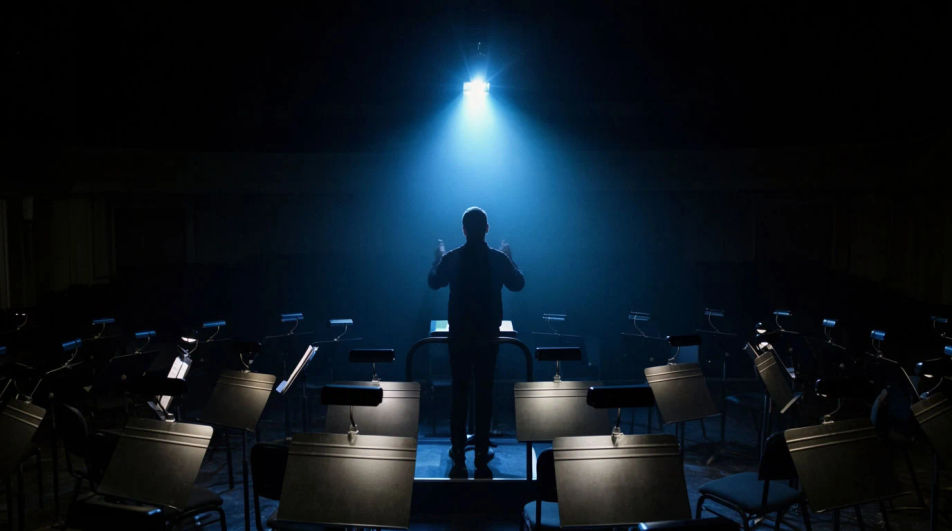
A darkened scoring stage with a conductor in silhouette under a single overhead light

Film and trailer score

A cue that builds where the picture builds. Write the timeline into the prompt and the swell lands on the cut instead of near it.
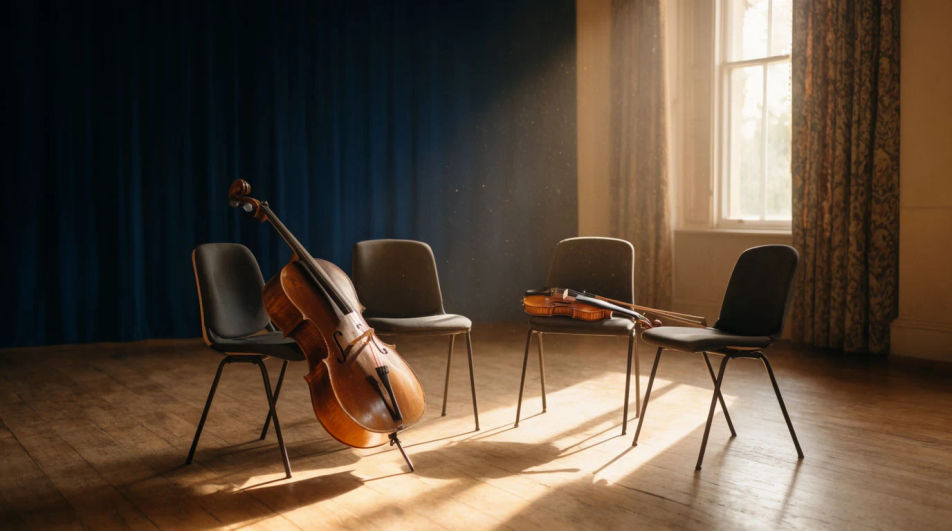
A rehearsal room with empty chairs, a cello and a violin resting in afternoon light

Game soundtracks

Instrumental beds for menus, exploration, and combat, generated in the same palette so a whole level sounds like one score.
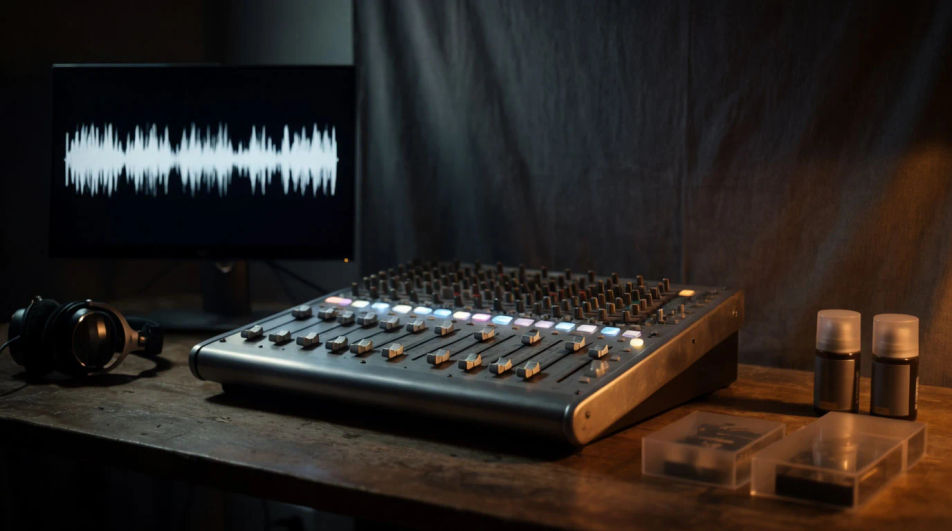
A dim studio desk with a mixing surface and a bright waveform on a dark monitor

Ad and promo beds

A 30-second idea tested on Clip, then rendered as the full track once the direction is right.
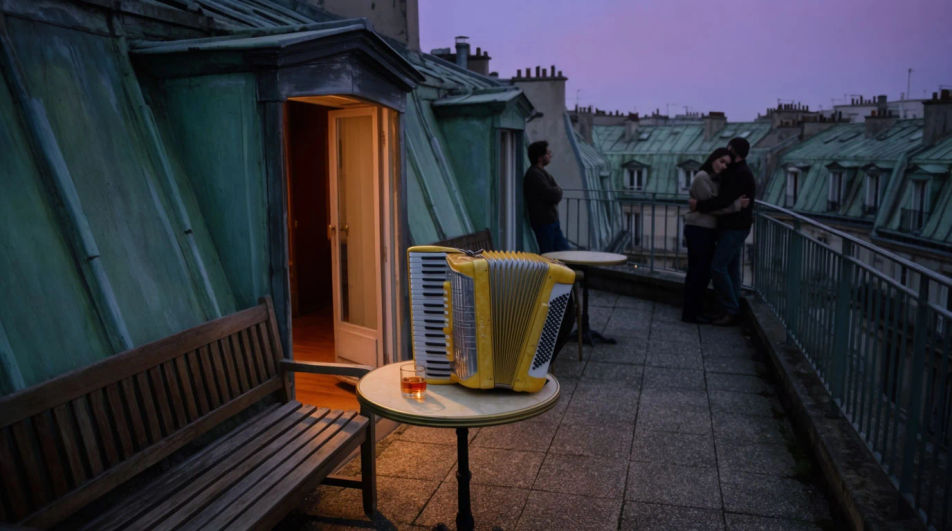
A Paris rooftop terrace at dusk with an accordion resting on a cafe table

Short-form and social

Original music for a channel, so a video ships without a licensing question attached to the audio.
A row of worn cassette tapes on a dark shelf under a hard raking light

Podcast themes and stingers

A theme, a transition, and a sign-off written to the same motif, so an episode sounds like a series rather than a folder of clips.
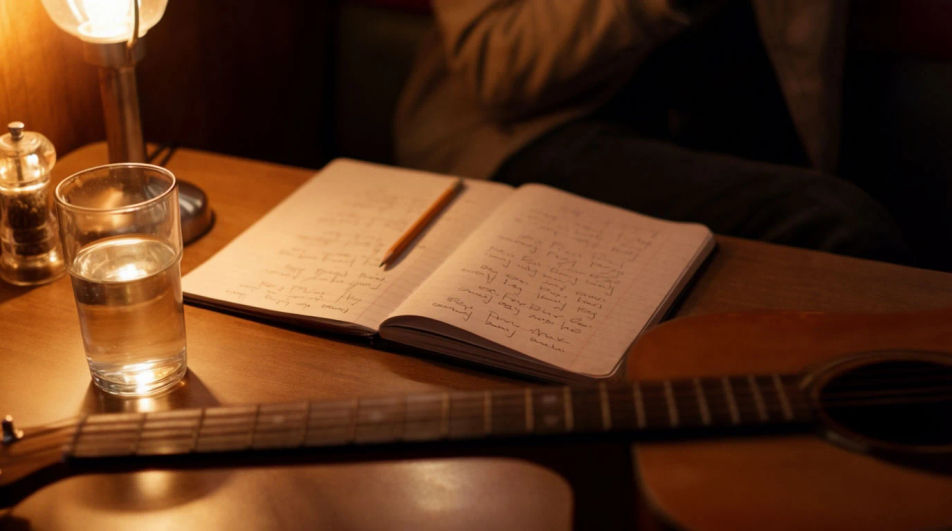
A handwritten lyric notebook open beside an acoustic guitar in warm lamplight

Songwriting demos

Hear lyrics you wrote as a finished arrangement before booking a room, with the structure marked out verse by verse.

Prompt examples
A vintage record player with the needle resting on a spinning vinyl in warm lamplight

Lo-fi instrumental

A lo-fi hip hop beat, vinyl crackle, Rhodes chords, 85 BPM. Instrumental.

0:00
0:12
Edit prompt
A row of studio mixer faders set at descending heights, amber indicator lights glowing

Timestamped build

[0:00-0:10] Intro: soft piano. [0:10-0:30] Verse: Rhodes and vocals.
0:00
0:12
Edit prompt
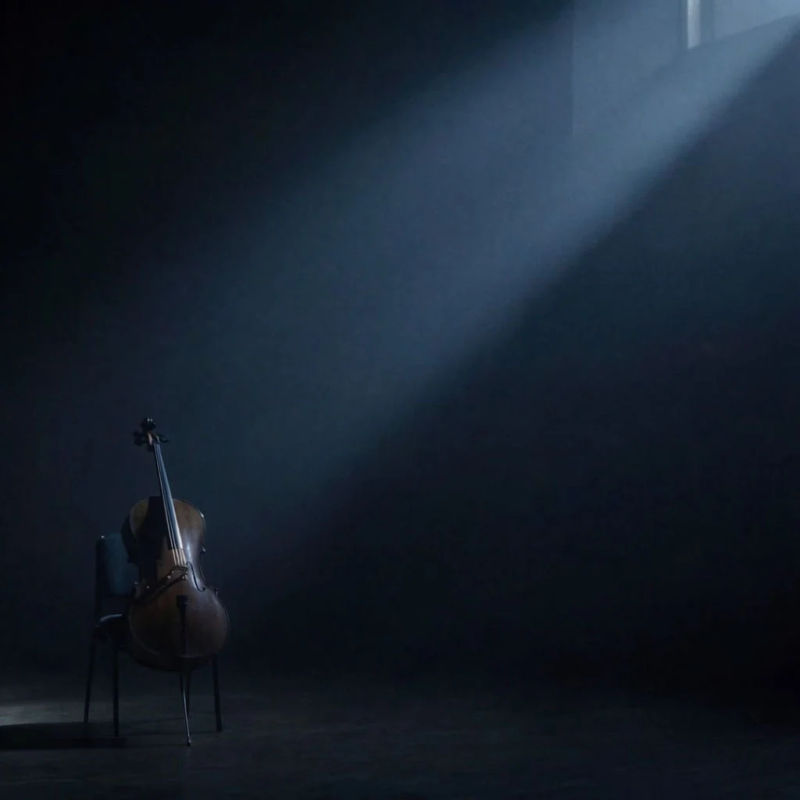
A cello alone in a vast dark hall under a single shaft of cool light

Cinematic orchestral

An epic orchestral piece: solo piano intro, strings, a brass climax.

0:00
0:12
Edit prompt
An open notebook with a pen laid across a blank page beside a small lamp

Song with your lyrics

A dreamy indie pop song. [Verse 1] Walking through the neon glow.

0:00
0:12
Edit prompt

Simple pricing

Get started for free today, with the option to upgrade or cancel anytime.

Basic

$9/ month
billed as $0 per year

1100 monthly credits

1 user only

All models

Workflows

Standard

$24/ month
billed as $0 per year

3625 monthly credits

1 user only

All models

Workflows

Pro

$45/ month
billed as $0 per year

6350 shared monthly credits

1 user

+ up to 4 more at extra cost

All models

Workflows

Pro Max

$170/ month
billed as $0 per year

24650 shared monthly credits

1 user

+ up to 9 more at extra cost

All models

Workflows

Enterprise

For higher limits

Custom

pricing and billing terms

High-volume credits
Custom seat limits
All models
Workflows
Pricing Gradient

Free

For playing around

$0

forever free

Up to 20 credits
1 user only
Limited models
Workflows

FAQs

What is Lyria 3.5?
Lyria 3.5 is Google DeepMind's music generation model. It writes and performs full-length songs from a text prompt, with an arrangement it reasons out first, vocals and lyrics, and 44.1 kHz stereo output. It is the successor to Lyria 3, improved across musicality, lyric quality, vocal expression, and control over tempo and duration.
When was Lyria 3.5 released?
It arrived in two stages. Google rolled it out inside Flow Music on 29 July 2026, then made it available more broadly on 4 September 2026 through Google AI Studio, the Gemini API, and the Gemini app. Coverage that gives only one of those dates is describing half the launch.
How is Lyria 3.5 different from Lyria 3 Clip?
Clip is the short form. It always returns exactly 30 seconds, which makes it the right way to test a prompt cheaply. Lyria 3.5 generates full-length songs of around two minutes with distinct verses, choruses, and bridges, and it is the only one of the two that can return WAV. The usual working pattern is to iterate on Clip, then render the keeper on 3.5.
Can I use my own lyrics with Lyria 3.5?
Yes. Write them into the prompt and mark the sections with tags like [Verse], [Chorus], and [Bridge] so the model knows the shape of the song. Keep your musical direction separate from the lyrics themselves, which is the single biggest factor in the model singing what you wrote rather than paraphrasing it.
Can Lyria 3.5 generate instrumental music with no vocals?
Yes. Ask for it directly in the prompt, as in 'instrumental only, no vocals'. It is the normal approach for game audio, background beds, and anything the dialogue has to sit on top of.
What languages can Lyria 3.5 sing in?
The prompt language sets the lyric language. Write the prompt in French and the song comes back in French, with the model adapting its vocal style and pronunciation to match. There is no separate language setting to change.
Is Lyria 3.5 audio watermarked?
Yes. Every track carries a SynthID audio watermark so it can be identified as AI-generated. The watermark is inaudible and does not change how the track sounds.
Can I edit a track after Lyria 3.5 generates it?
Not by prompting it again. Generation is single-turn, so you cannot refine an existing track through a follow-up instruction. Adjust the prompt and regenerate instead, which is why testing the idea on Clip first saves time. Results also vary between runs, so the same prompt will not return an identical track twice.