A sliding color-bar build
A clean colored rectangular strip wipes in from the side and settles across the lower third in one confident smooth move on a flat palette, holding steady with clear room above for a name to sit.
Edit prompt
Direct a lower thirds animation in your browser with Morphic's lower thirds animation AI generator, the clean strip that slides into the lower frame to name a speaker. Generate a colored bar wiping in, an abstract mark settling beside a thin underline, or a soft panel easing up from the edge. Score it with Music, then drop the strip onto your interview on Compose.
A clean colored rectangular strip wipes in from the side and settles across the lower third in one confident smooth move on a flat palette, holding steady with clear room above for a name to sit.
Edit promptA small abstract geometric mark eases into the lower frame beside a thin underline that draws itself across in soft accent color, the motion minimal and tidy so the strip anchors a speaker cleanly.
Edit prompt
A translucent rounded panel floats up from the bottom edge and settles with a gentle blur behind it, the frosted surface reading soft against footage as it holds in place with quiet modern motion.
Edit prompt
Two colored bars slide in one after the other and stack across the lower third in a crisp graphic rhythm on a bold flat palette, the build leaving clean space for a name and a role.
Edit prompt
Write the lower thirds animation scene you want, in plain words.
Morphic generates a cinematic, frame-ready clip on your canvas in seconds.
Tweak the prompt, regenerate variations, then download or share the shot.

Generate a professional film title card from scratch, with optional cinematic animation.
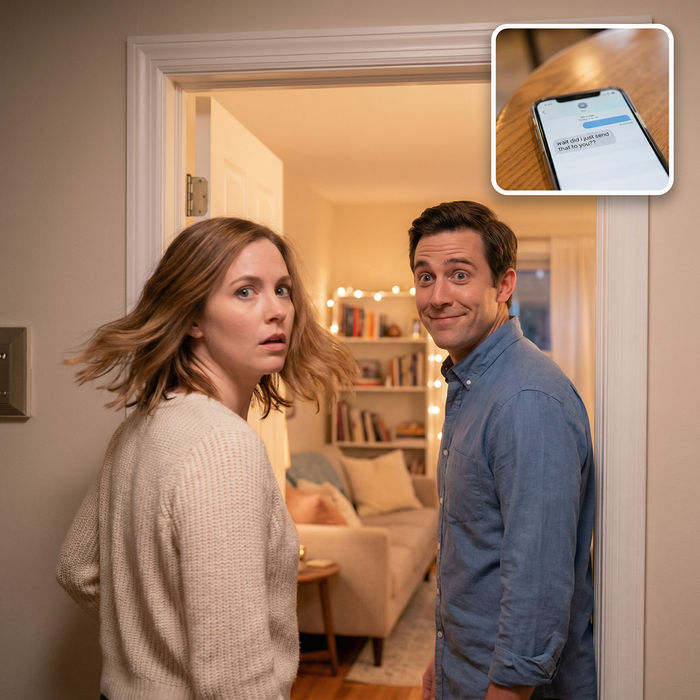
Dramatize any text conversation into a cinematic multi-shot video.
Cinematic time-freeze short film for any scene
Drop in a photo of yourself. Get a 12-second cinematic movie with animation and a matched soundtrack.
Pair a character image with a reference video. Your character picks up that exact motion.
Photo of any real-estate becomes a cinematic renovation timelapse video with construction SFX and music.
Intro animation maker with AI
Make an intro animation in Morphic. Abstract mark builds, light-sweep reveals, shape morphs, and particle assembles that open a video without a title card.
End card animation maker
Make an end card animation in Morphic. Brand-color fields, abstract mark reveals, forward iris-outs, and pointer motion to the next watch.
AI Motion graphics package
Make a motion graphics package from a description. Build the sequence shot by shot and hold the look across the cut. Export and publish the same day.
AI interview b roll generator
Generate interview b roll in Morphic. Subject-at-work shots, detail close-ups, establishing frames, and reaction beats that cover edits and carry a story.
Get started for free today, with the option to upgrade or cancel anytime.
Basic
2400 monthly credits
1 user only
All models
Workflows
Standard
3625 monthly credits
1 user only
All models
Workflows
Pro
6350 shared monthly credits
1 user
All models
Workflows
Max
24650 shared monthly credits
1 user
All models
Workflows
Enterprise
For higher limits
Custom
pricing and billing terms

Free
For playing around
$0
forever free