Expression study sheet
One mouth drawn several times in fine ink across a range of expressions, each small study ruled into its own box.
Modifier le prompt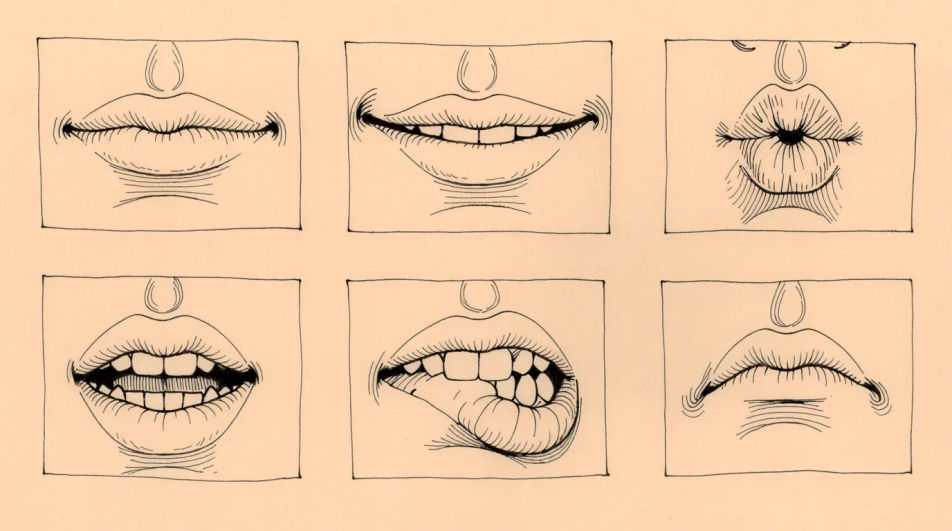
Describe the mouth you want in Morphic's Image tool, from a bare contour study to a fully modelled close crop, and get a finished drawing back. Set the angle, the expression, the medium, the line weight and the paper, adjust it on the Canvas, then download it in HD.
One mouth drawn several times in fine ink across a range of expressions, each small study ruled into its own box.
Modifier le promptThe same lips drawn from several angles in graphite, so the corner placement changes across the row.
Modifier le prompt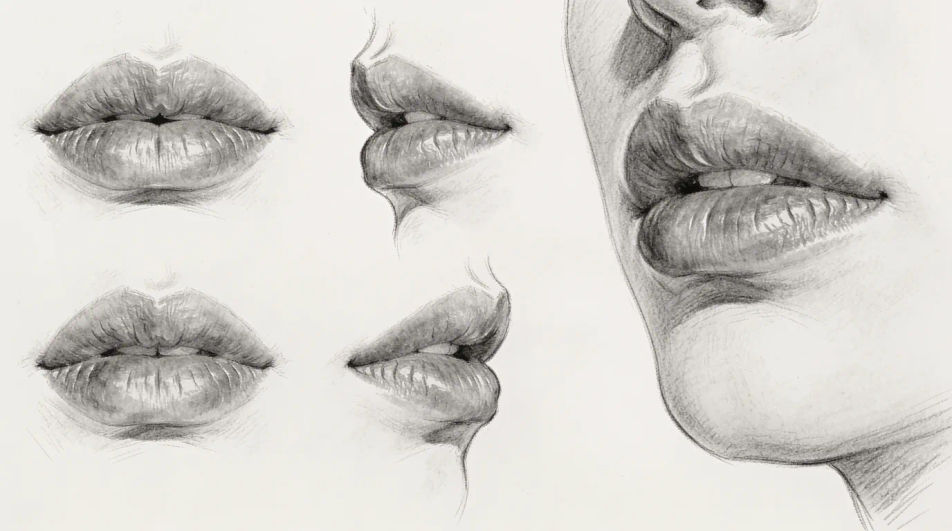
A cropped lower face in ink and wash, the mouth fully drawn and the nose and chin reduced to contour, with a flat grey wash under the jaw.
Modifier le prompt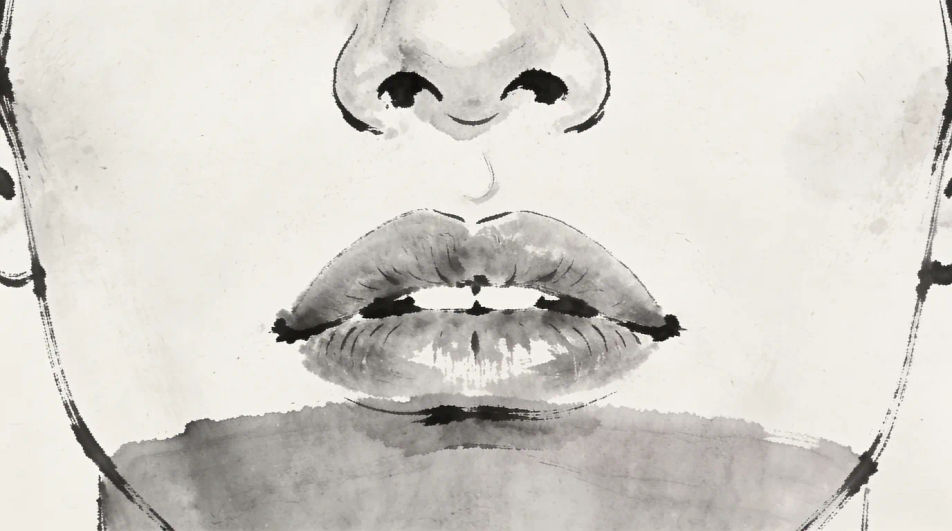
Four versions of one mouth in marker, from a bare uniform outline to a heavy weighted line, showing what weight alone does to the form.
Modifier le prompt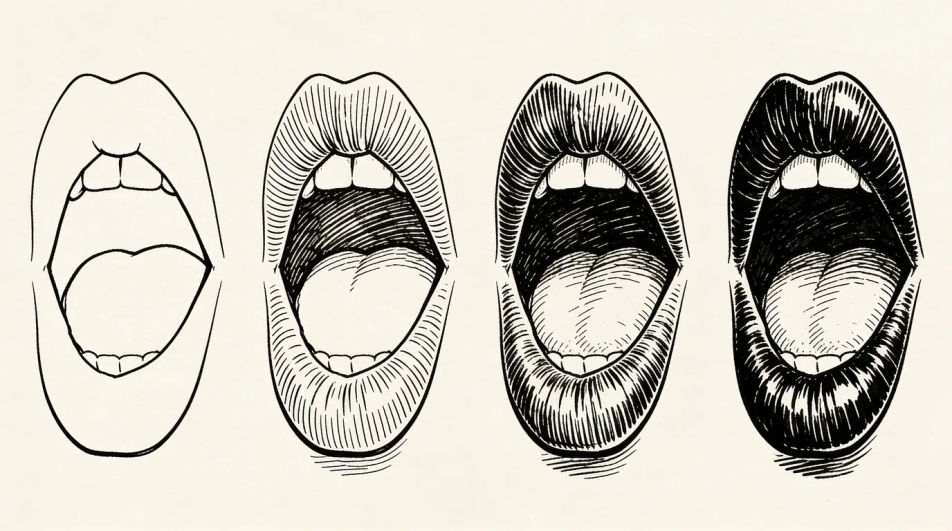
Décrivez le Lips drawing que vous voulez, en mots simples.
Morphic génère votre image prête à publier en quelques secondes.
Ajustez le prompt, régénérez des variantes, téléchargez ou partagez l’image.
Choisissez une image de référence, appliquez son style visuel à votre propre photo ou œuvre d'art.
Convertir n'importe quelle image à un nouveau rapport hauteur/largeur. Recadrer intelligemment ou étendre les bords pour s'adapter.
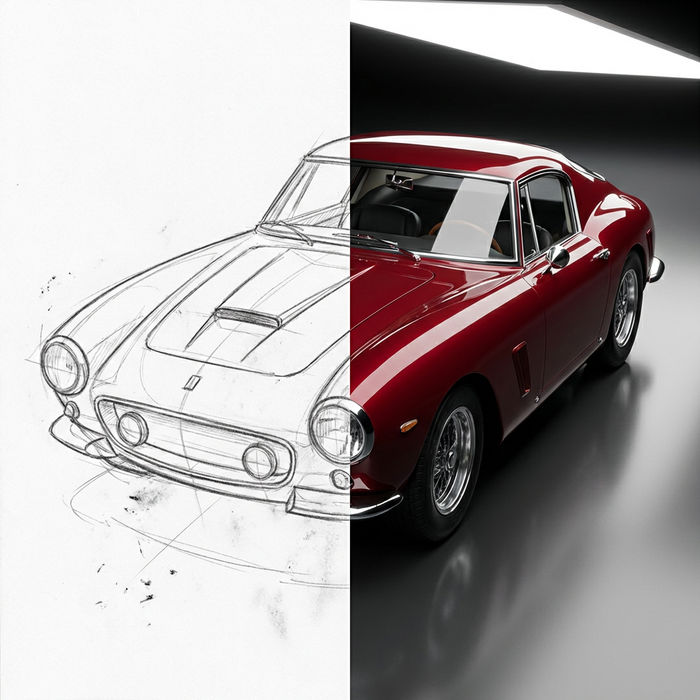
Transformez n'importe quel croquis ou dessin en un rendu fini.
Restyle any video in a completely new visual style. Every frame transforms, all motion stays intact.
Réimaginez n'importe quel personnage d'anime comme un portrait photoréaliste, haute couture en live-action.
Une seule selfie devient une série de portraits professionnels. Qualité studio, styles multiples.
Dessin de visage IA
Générez des dessins de visage IA détaillés : mine de plomb, fusain, encre. Étudiez proportions et expressions en quelques secondes sur Morphic.
Eye AI Drawings
Create AI eye drawings in your browser with Morphic's eye drawing generator. Make realistic eyes, expressive gazes, anime studies, and shaded pencil references in any style, perfect for practice or character design, and download in seconds.
Nose drawing generator
Turn a nose drawing idea into a finished image in Morphic. Describe the line work and style, generate variations, then refine it on the canvas.
Radha Krishna sketch maker
Create Radha Krishna sketch images in Morphic. Describe the subject and the line work you want, generate versions.
Commencez gratuitement dès aujourd'hui, avec la possibilité de mettre à niveau ou d'annuler à tout moment.
Basic
2400 mensuel crédits
1 utilisateur uniquement
Tous les modèles
Workflows
Standard
3625 mensuel crédits
1 utilisateur uniquement
Tous les modèles
Workflows
Pro
6350 partagé mensuel crédits
1 utilisateur
Tous les modèles
Workflows
Max
24650 partagé mensuel crédits
1 utilisateur
Tous les modèles
Workflows
Enterprise
Pour des limites plus élevées
Personnalisé
conditions de tarification et de facturation

Free
Pour expérimenter
$0
gratuit pour toujours