The ceiling gives, right on the cut
A concrete slab hitting the floor gives an impact its aftermath, whether the shot is a stunt sequence, an animated panel or a level cutscene.
Modifier le prompt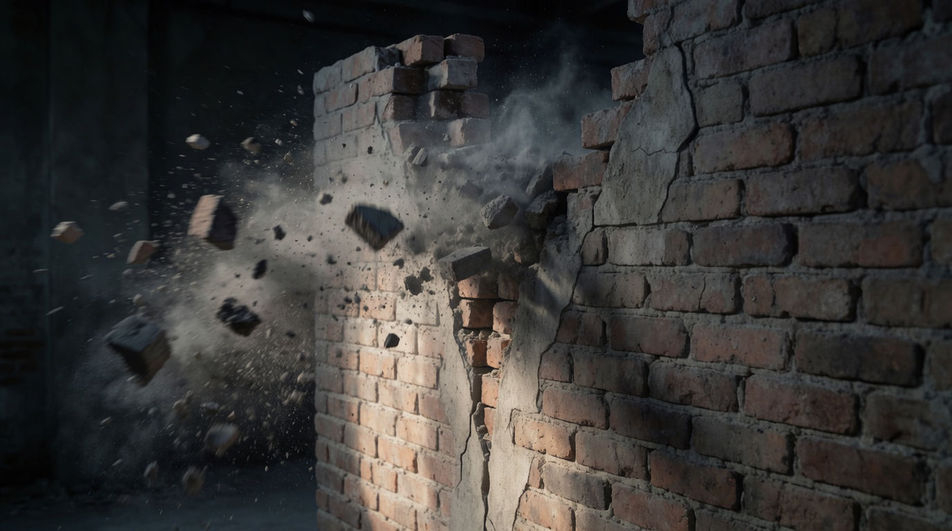
The scatter and settle of broken material after something gives way: tumbling rubble, clattering splinters, and grit sifting down. Describe the debris your shot needs and Morphic generates it in seconds.
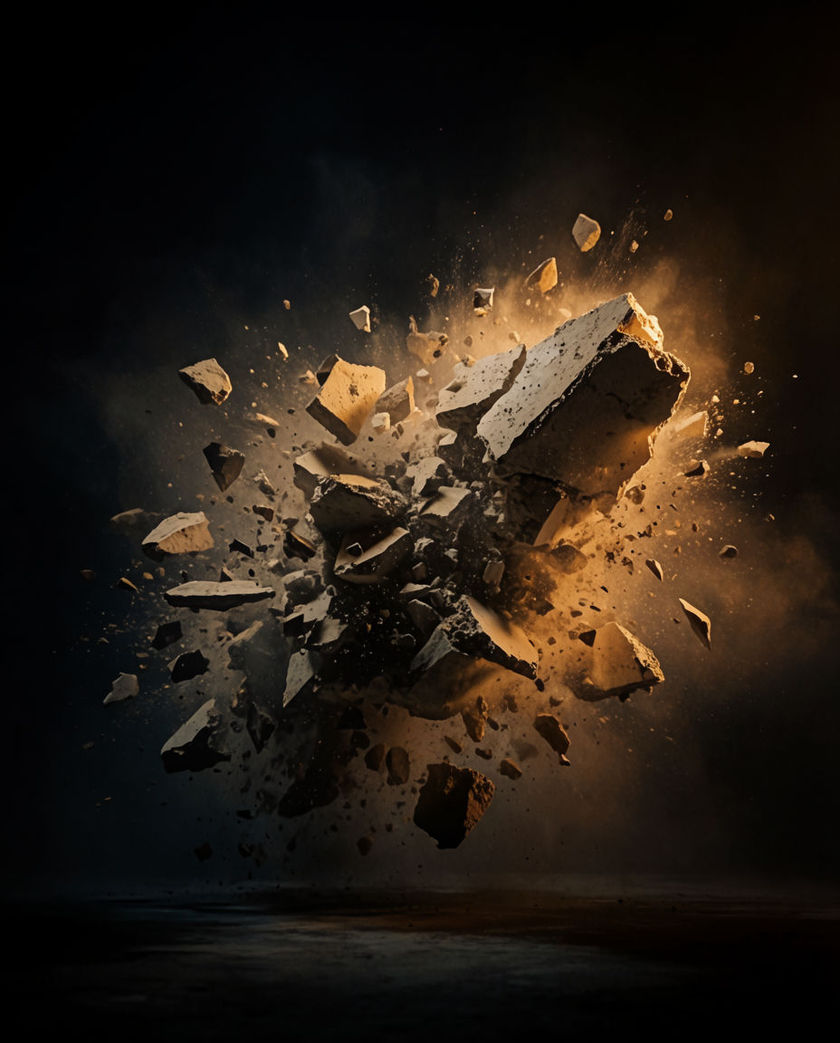
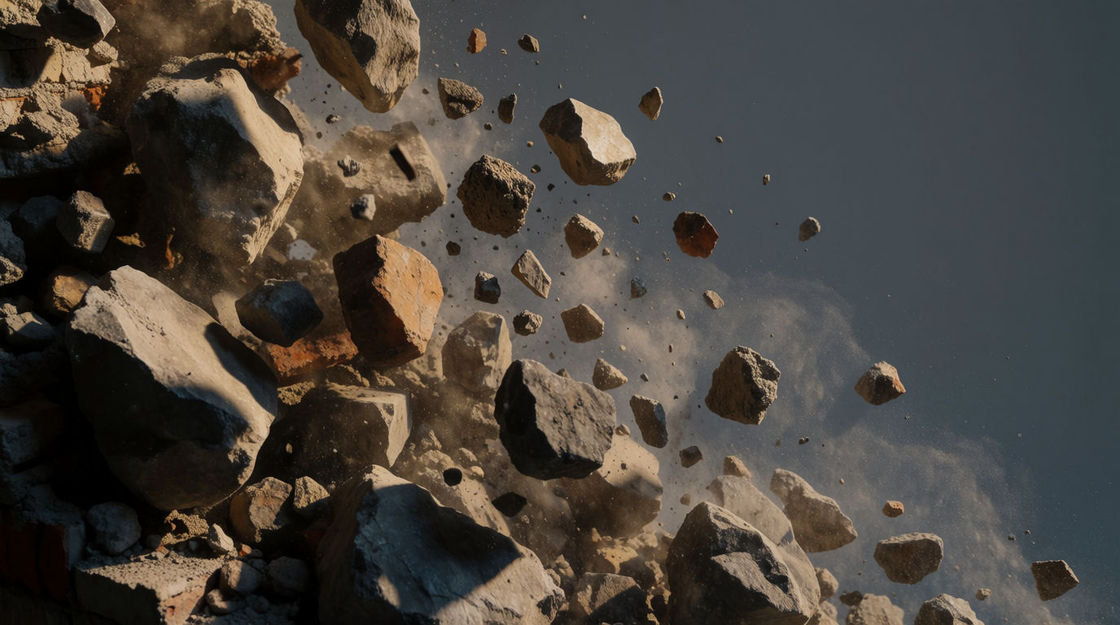
A sustained cascade of broken concrete and brick, the main body of any collapse, dense enough to carry several seconds on its own.
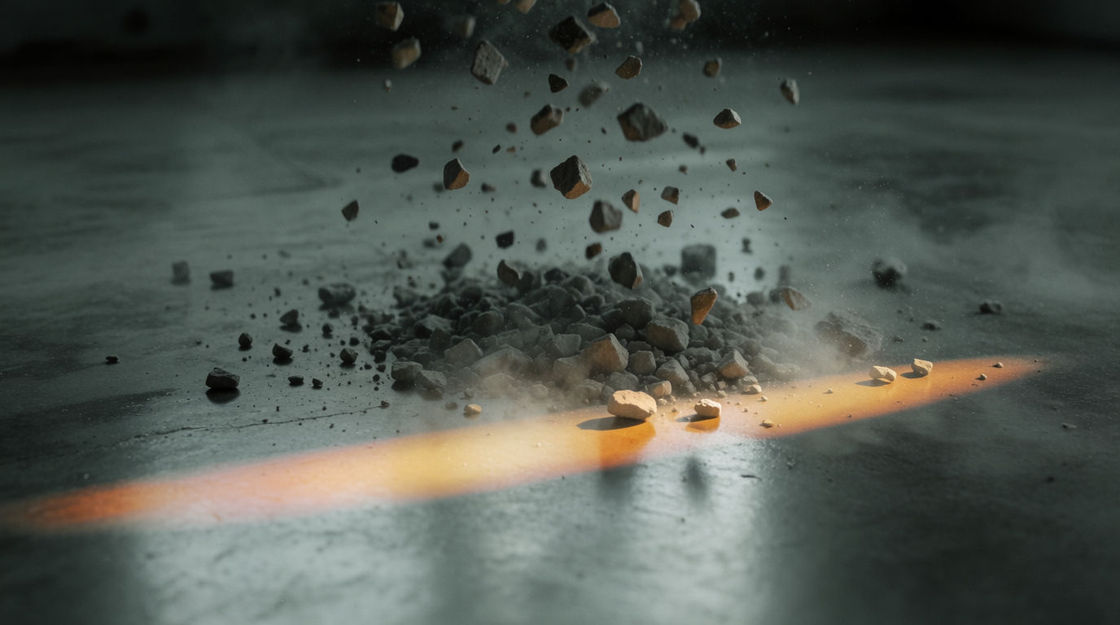
The quieter aftermath: small pieces sliding, tipping and finding their rest once the big fall is over.
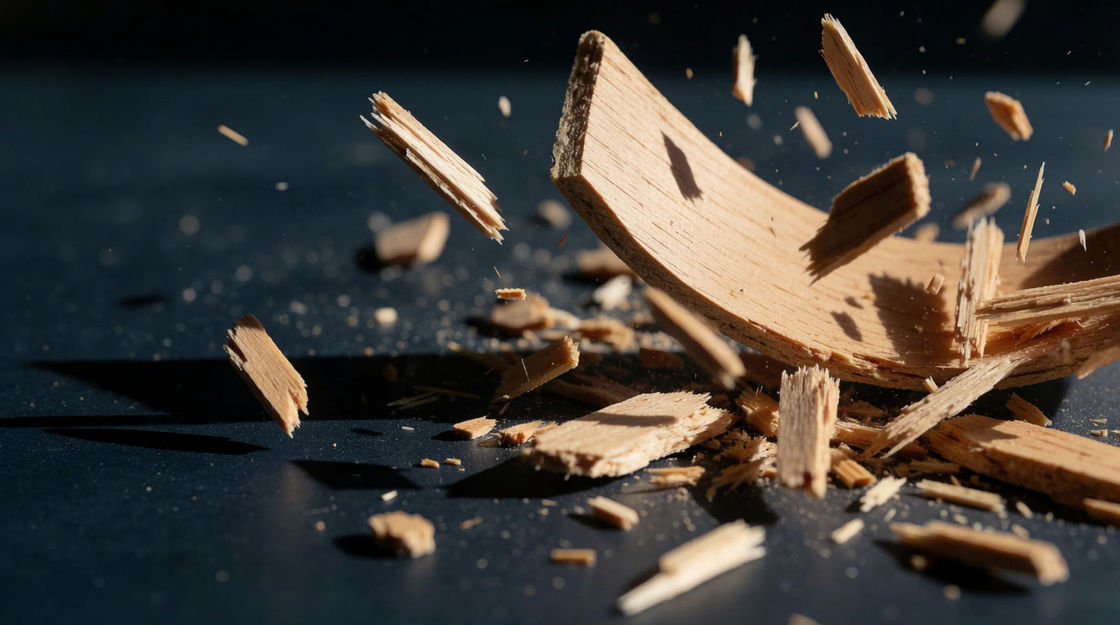
Dry timber cracking and shedding sharp fragments, right for barns, floorboards and anything old giving up.

Bright shards mixed with fine dust, the scatter you get from a blown-out window rather than a stone wall.
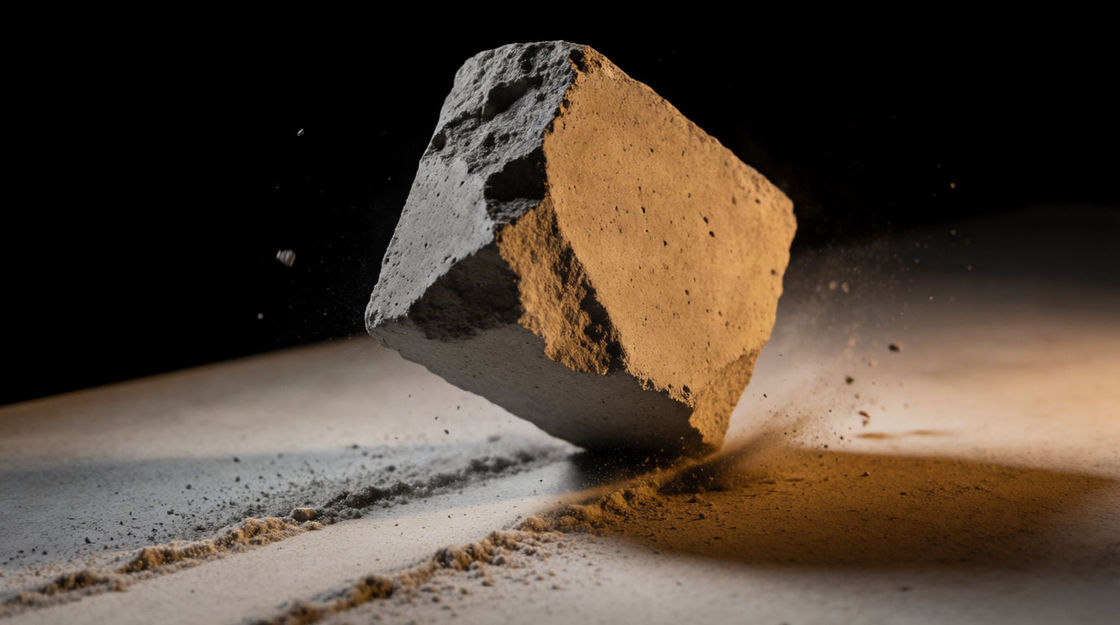
One isolated lump landing with a thud. Place it late, after everything else has stopped, for a jolt.
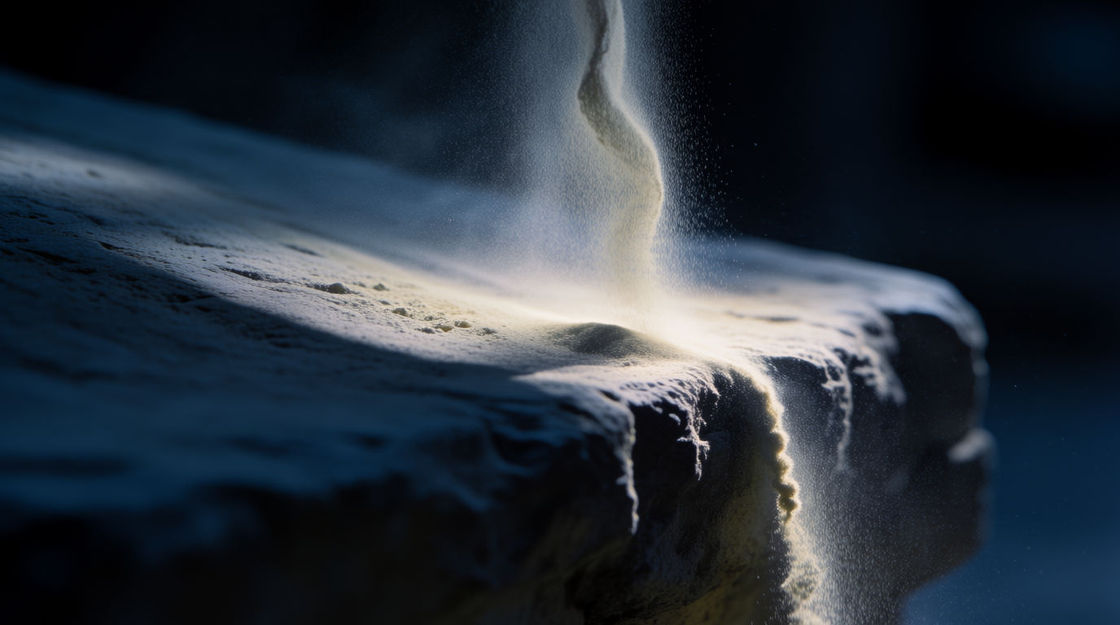
A thin, almost delicate stream of dust and small stones, barely there, and easy to keep under dialogue.
Choisissez un point de départ, modifiez ce que vous voulez, puis générez dans Morphic.
A concrete slab hitting the floor gives an impact its aftermath, whether the shot is a stunt sequence, an animated panel or a level cutscene.
Modifier le promptBlasts end abruptly; a slow trickle of grit keeps the moment alive for a few more seconds in trailers, audio drama and horror walkthroughs.
Modifier le prompt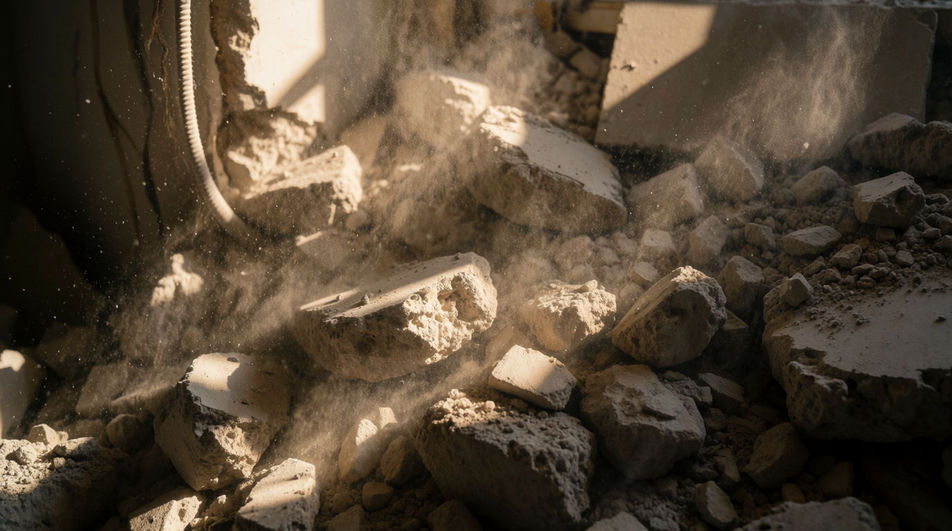
Loose fragments shifting on their own paint a derelict factory or a bombed-out street, doing more for a location than a wide shot usually can.
Modifier le prompt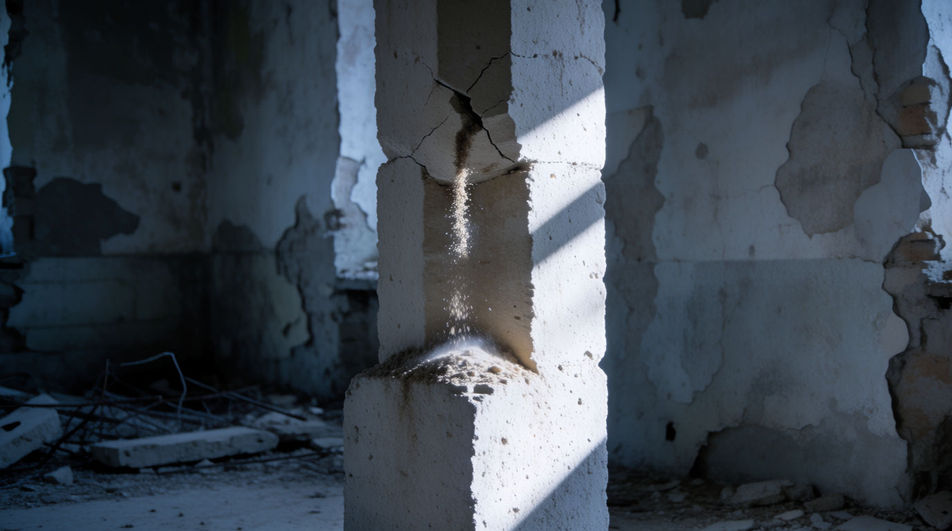
Rubble tumbling somewhere out of frame tells listeners the disaster is spreading, a cheap and convincing way to widen a scene in film or radio.
Modifier le prompt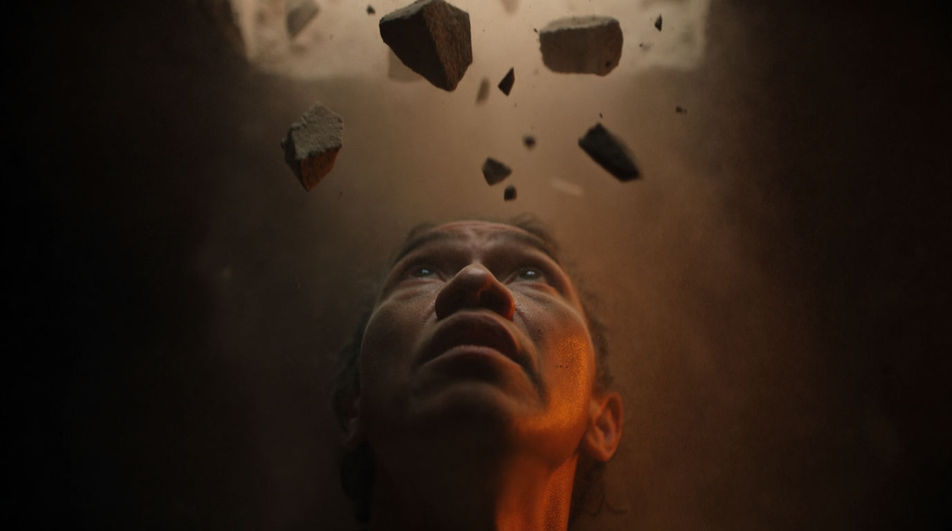
Snap sound effect
Morphic creates snap sound effects from a text prompt. Choose the heft and texture your cut needs instead of layering three stock hits together.
Splat sound effect
Need a splat sound effect with real weight? Morphic generates it to your spec, so the impact sits right against the picture.
Stomp sound effects
Stomp sound effects: boots on concrete, marching lines, giant footfalls and crowd stomps for film trailers, animation, game design and percussive edits.
Sword clash sound effects
Sword clash sound effects: parries, scraping steel, fast flurries, draws, and shield impacts, ready for your fight scene or combat animation.
Commencez gratuitement dès aujourd'hui, avec la possibilité de mettre à niveau ou d'annuler à tout moment.
Basic
2400 mensuel crédits
1 utilisateur uniquement
Tous les modèles
Workflows
Standard
3625 mensuel crédits
1 utilisateur uniquement
Tous les modèles
Workflows
Pro
6350 partagé mensuel crédits
1 utilisateur
Tous les modèles
Workflows
Max
24650 partagé mensuel crédits
1 utilisateur
Tous les modèles
Workflows
Enterprise
Pour des limites plus élevées
Personnalisé
conditions de tarification et de facturation

Free
Pour expérimenter
$0
gratuit pour toujours