Change the temperature of a scene
Contented gurgling softens a moment instantly, and it is the sound most edits forget exists because crying is easier to find.
プロンプトを編集
A newborn cry, contented gurgling, a first laugh, and the fussing that comes before real crying. Age changes a baby completely, so name it.


Thin and insistent with a rasping catch between cries. That catch is what makes it a newborn rather than an older infant.

Wet burbling with no distress in it. It changes the temperature of a scene entirely, and it is far rarer in stock libraries than crying.

Breathy chuckles building into an open giggle. The build is what makes it real, because a laugh that starts at full size sounds performed.

Grizzling complaints with rising frustration and no full cry yet. It creates tension, because everyone knows where it is heading.

Repeated consonant sounds with real intent behind them. It reads as an older infant working toward speech.

Muffled with the top gone. It puts a baby in the next room, which is a very specific and common kind of scene.
出発点を選び、好きなように編集して、Morphicで生成しましょう。
Contented gurgling softens a moment instantly, and it is the sound most edits forget exists because crying is easier to find.
プロンプトを編集Grizzling that has not become crying yet puts a clock on a scene, because everyone can hear where it is going.
プロンプトを編集
A newborn cry, babbling and a laugh place three different ages, which is otherwise hard to establish without showing the child.
プロンプトを編集
Muffled crying through a wall tells the audience someone else is in the house, in a shot that never leaves the room.
プロンプトを編集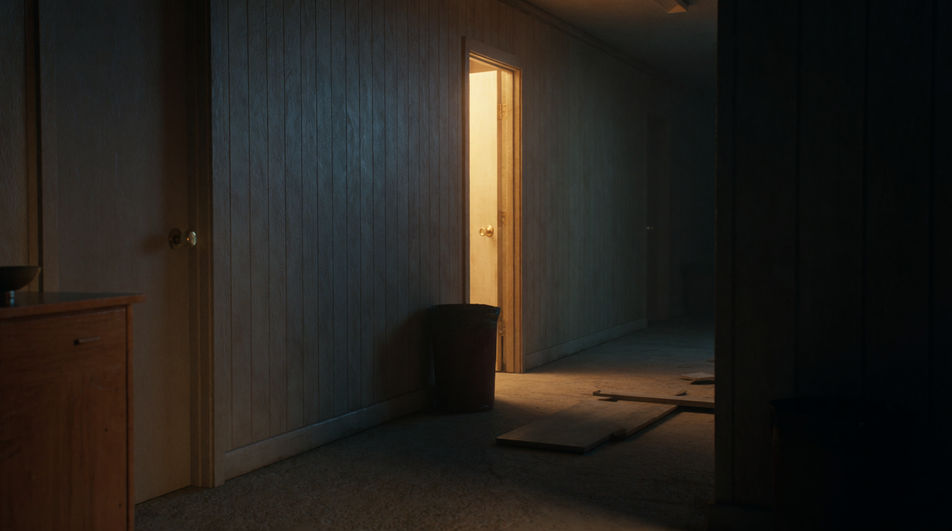
Hiccup sound effects
Generate hiccup sound effects with AI on Morphic. Describe the sound, pick a variation, and download MP3 or WAV for your video, game or podcast.
Hmm sound effects
Generate hmm sound effects with AI on Morphic. Describe the sound, pick a variation, and download MP3 or WAV for your video, game or podcast.
Ho ho ho sound effects
Generate ho ho ho sound effects with AI on Morphic. Describe the sound, pick a variation, and download MP3 or WAV for your video, game or podcast.
Hola sound effects
Generate hola sound effects with AI on Morphic. Describe the sound, pick a variation, and download MP3 or WAV for your video, game or podcast.
今すぐ無料で始めて、いつでもアップグレードまたはキャンセルできます。
Basic
2400 月 クレジット
1 ユーザーのみ
すべてのモデル
ワークフロー
Standard
3625 月 クレジット
1 ユーザーのみ
すべてのモデル
ワークフロー
Pro
6350 共有 月 クレジット
1 ユーザー
すべてのモデル
ワークフロー
Max
24650 共有 月 クレジット
1 ユーザー
すべてのモデル
ワークフロー
Enterprise
より高い制限のために
カスタム
料金と請求条件

Free
気軽に試したい方に
$0
ずっと無料