Punctuate a cut with something unexpected
A chirp from a big cat surprises an audience because they expect a roar. That mismatch does the work a louder sound would not.
プロンプトを編集
Cheetahs chirp like birds, purr continuously, and yelp to find each other. They cannot roar, and these are the sounds they actually make.
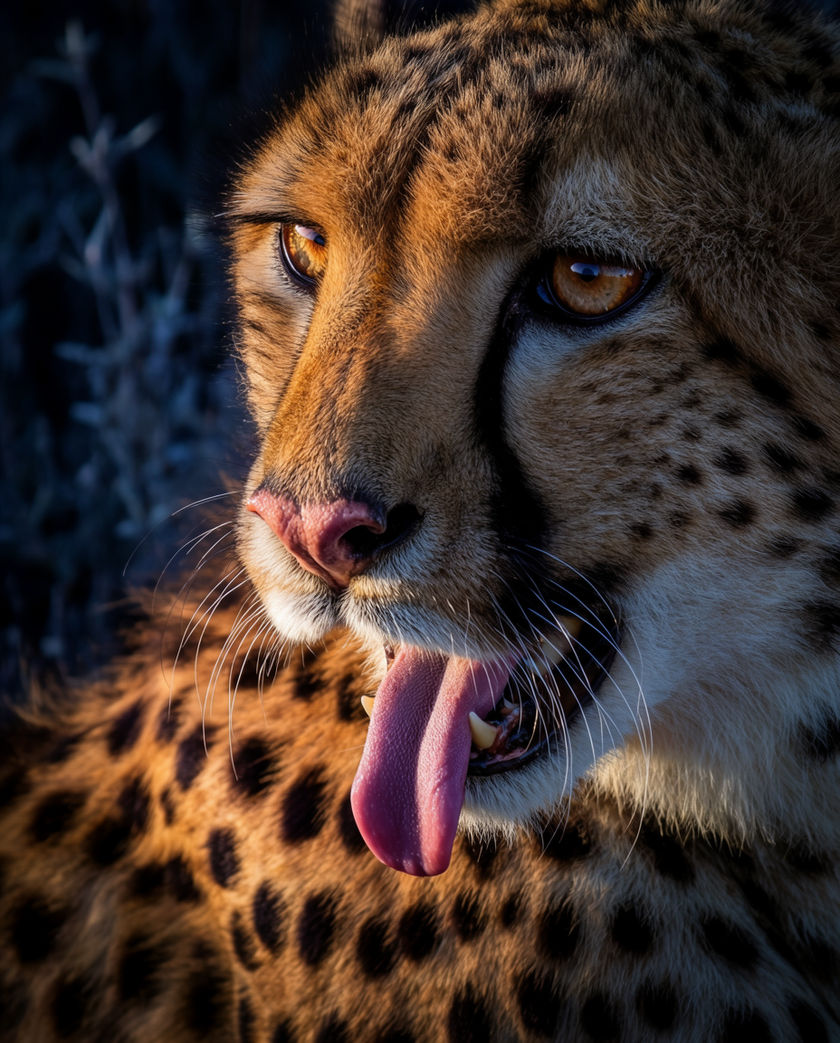
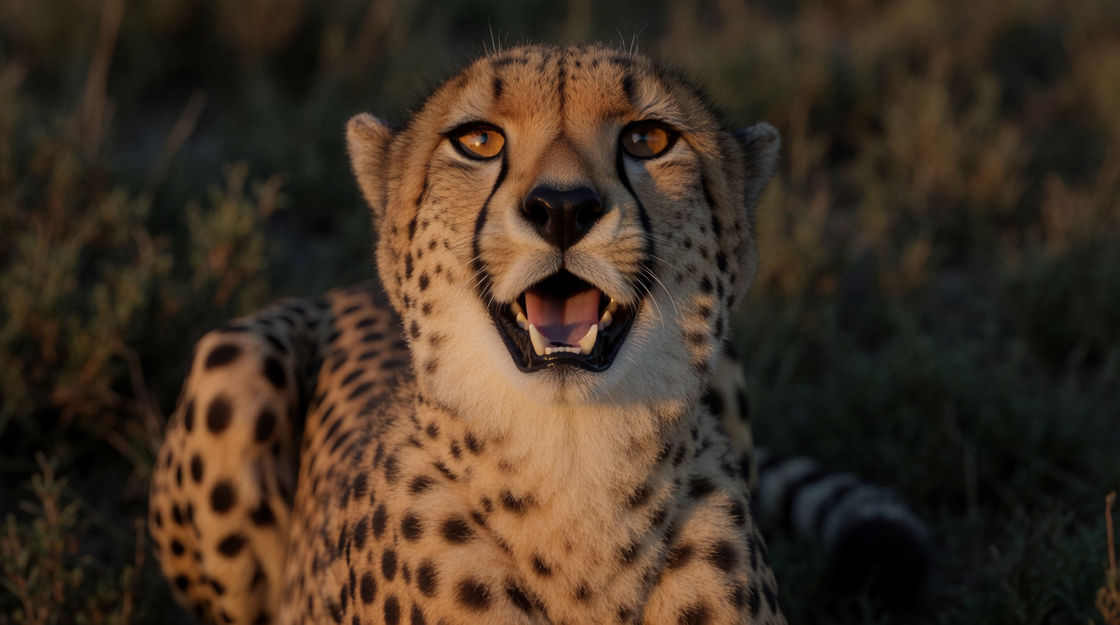
A short high call that genuinely sounds like a bird. It is the most surprising thing about the animal, and the most useful on screen.
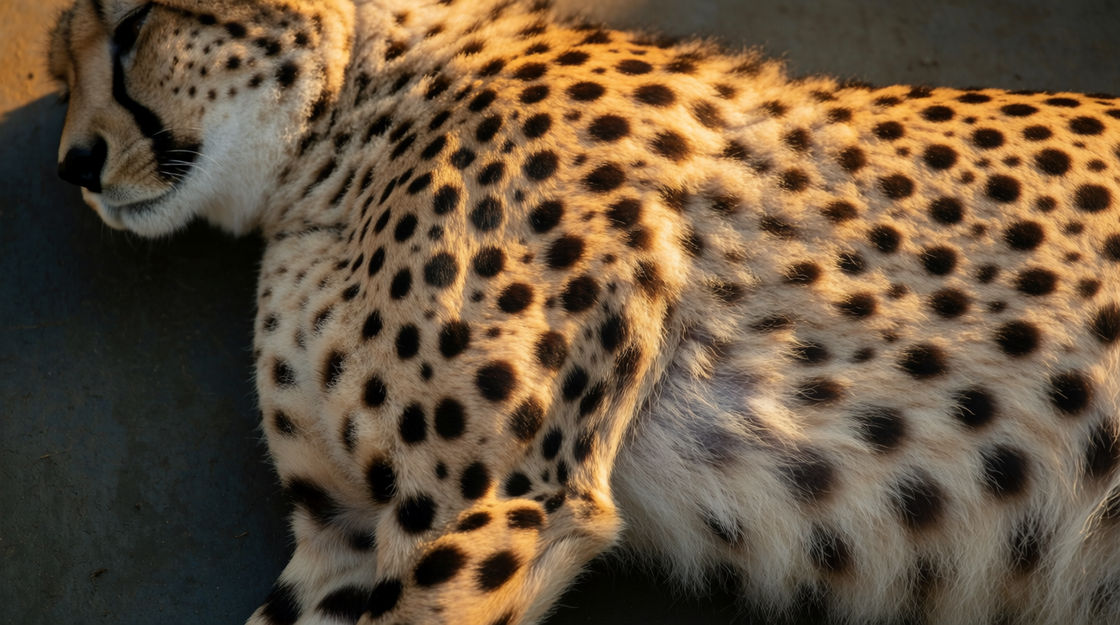
Continuous rumbling vibration, far heavier than a house cat's. Cheetahs purr for the same anatomical reason they cannot roar.
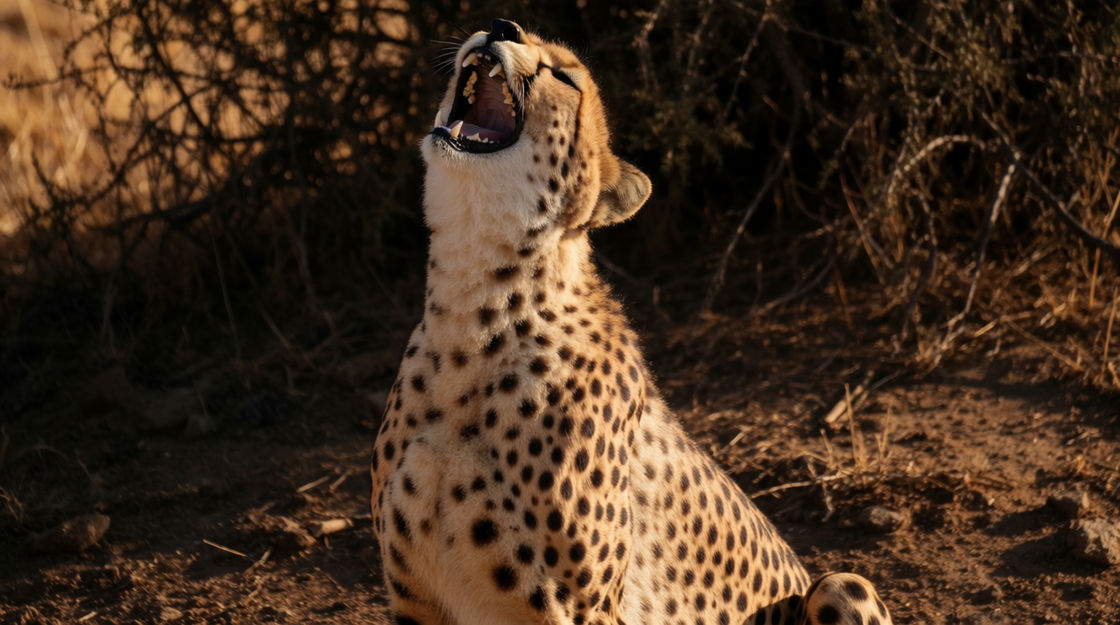
A loud carrying call used to find other cheetahs across distance. Sharp rather than deep, which is what keeps it the right species.
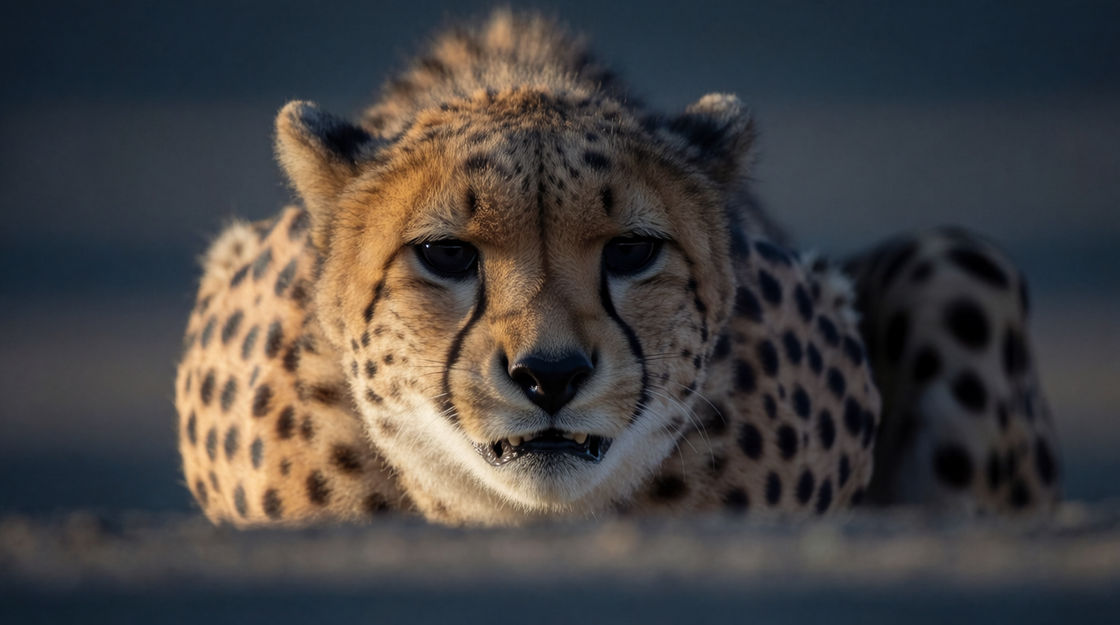
A low growl breaking into a hiss. The change of state is what a single sustained sound cannot carry.
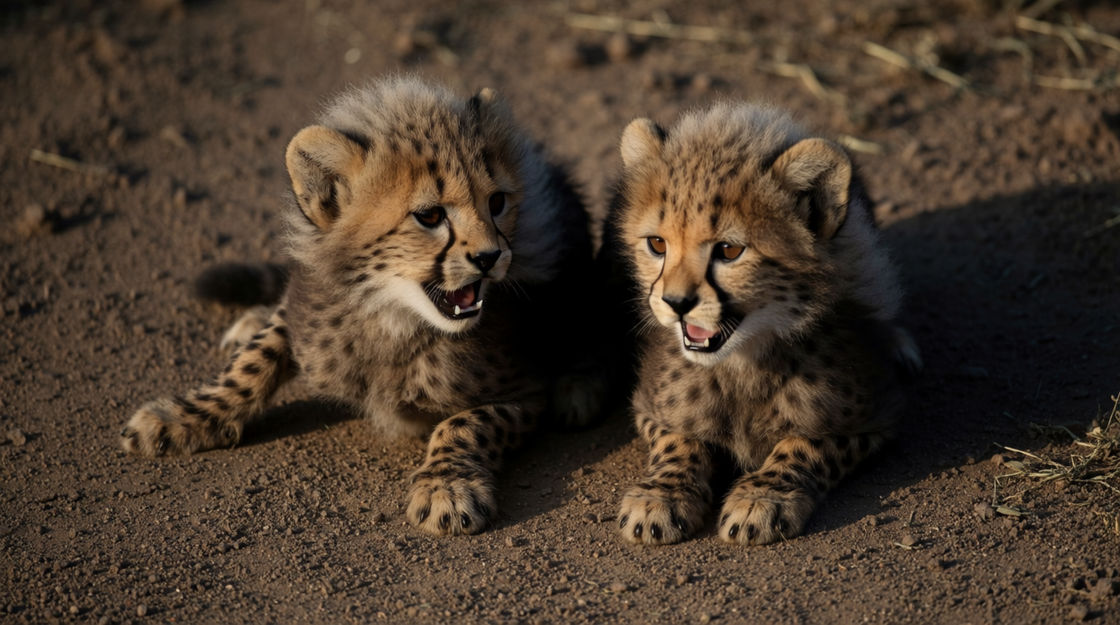
Thinner, faster chirps from young animals. It reads as a litter rather than a lone hunter, which changes the whole scene.
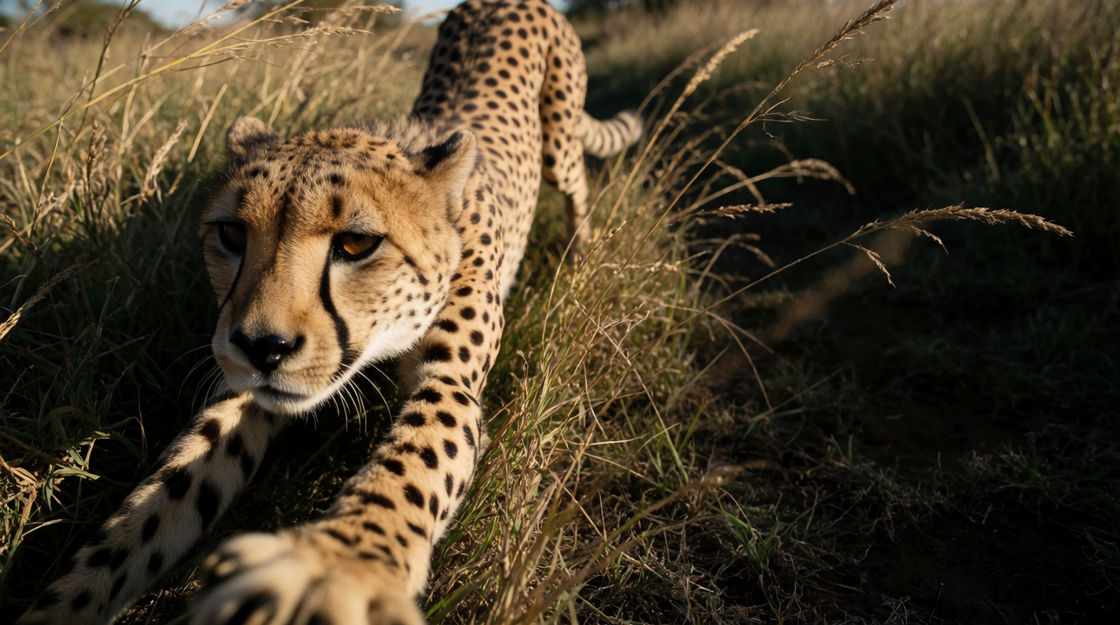
Fast light paws through dry grass with hard breathing. Cheetahs are built for speed, and the breath is what carries the effort.
出発点を選び、好きなように編集して、Morphicで生成しましょう。
A chirp from a big cat surprises an audience because they expect a roar. That mismatch does the work a louder sound would not.
プロンプトを編集A heavy continuous rumble gives a still frame something to sit under and never fights a line of dialogue.
プロンプトを編集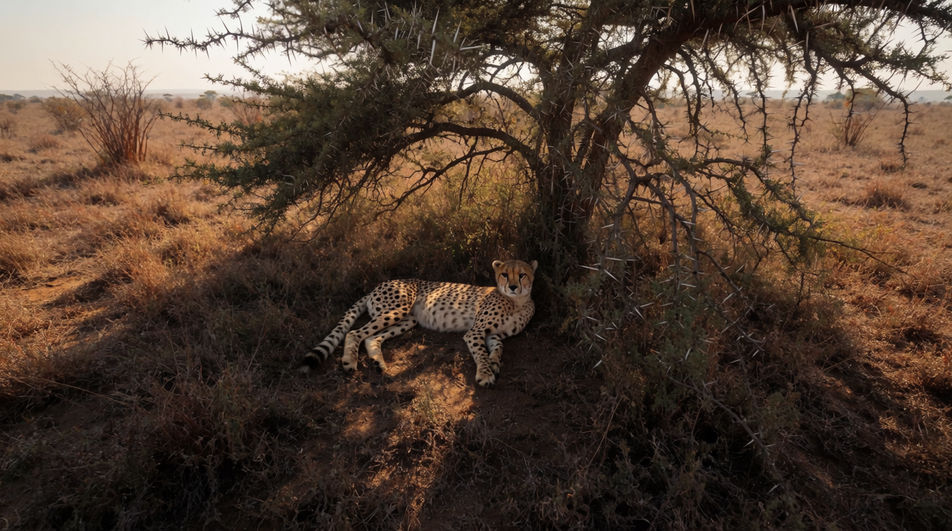
A yelp carrying across open ground is a search call, so it tells the audience something has been lost without any dialogue.
プロンプトを編集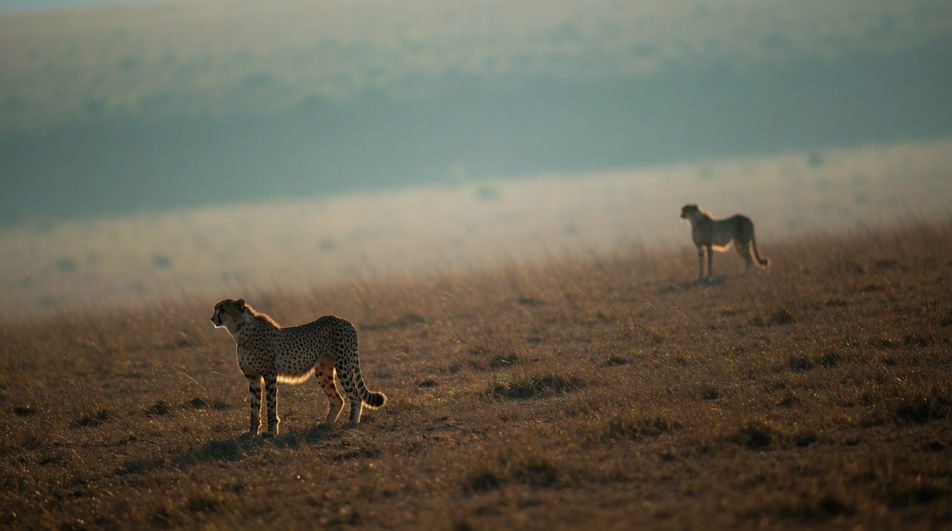
Fast paws and hard breathing tells the audience a sprint is happening off camera, and the breathing carries the effort.
プロンプトを編集
Pet sound effects
Generate pet sound effects with AI on Morphic. Describe the sound, pick a variation, and download MP3 or WAV for your video, game or podcast.
Pig sound effects
Morphic builds pig sound effects from a text prompt. Choose the grunt, the squeal, or a full pen, then drop a clean file straight into your timeline.
Primate sound effects
Generate primate sound effects with AI on Morphic. Describe the sound, pick a variation, and download MP3 or WAV for your video, game or podcast.
Puppy sound effects
Need puppy sound effects that fit the shot? Morphic generates them on demand, so you get the right call at the right distance every time.
今すぐ無料で始めて、いつでもアップグレードまたはキャンセルできます。
Basic
2400 月 クレジット
1 ユーザーのみ
すべてのモデル
ワークフロー
Standard
3625 月 クレジット
1 ユーザーのみ
すべてのモデル
ワークフロー
Pro
6350 共有 月 クレジット
1 ユーザー
すべてのモデル
ワークフロー
Max
24650 共有 月 クレジット
1 ユーザー
すべてのモデル
ワークフロー
Enterprise
より高い制限のために
カスタム
料金と請求条件

Free
気軽に試したい方に
$0
ずっと無料