Break a silence with one small sound
A trap snap is instant and resolves, so it lands hard in a quiet scene that scratching has been building underneath.
プロンプトを編集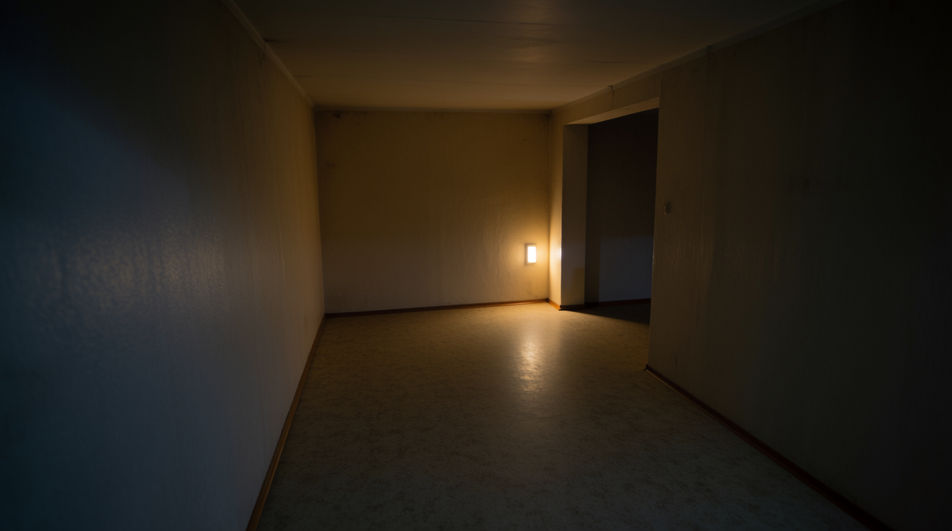
Scratching inside a wall, gnawing at wood, and the squeaks people can actually hear. Most mouse calls are ultrasonic, so these are what a scene needs.
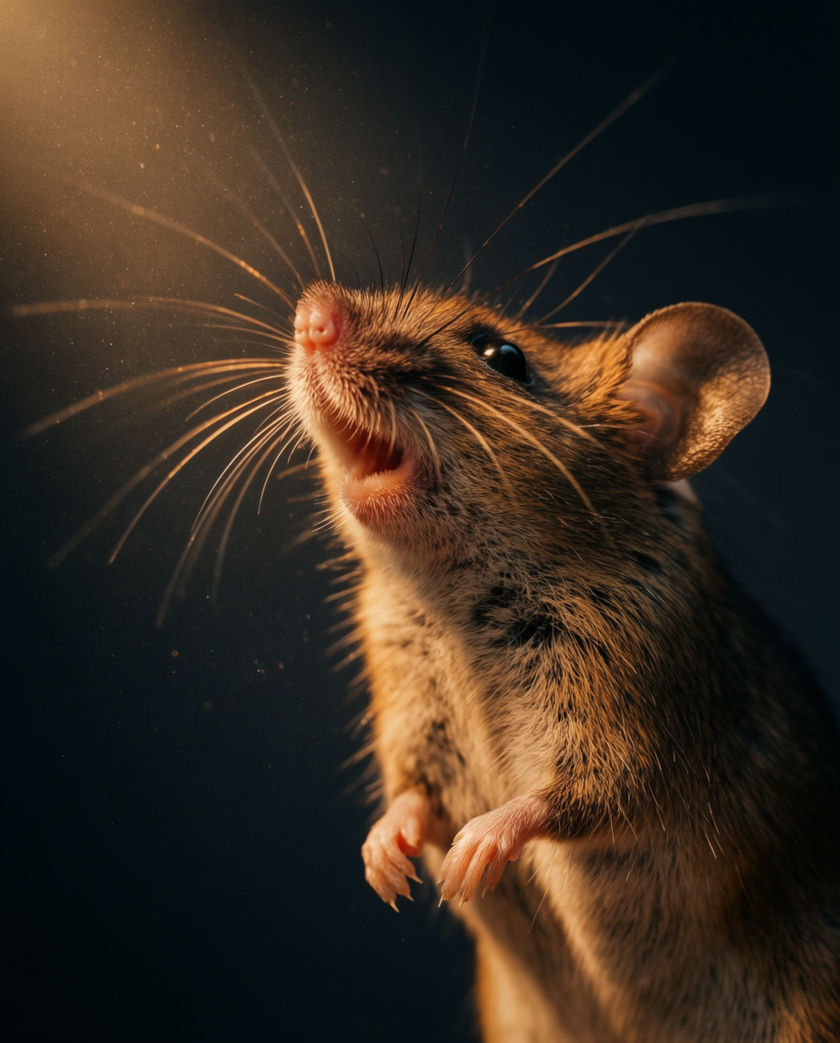

Light rapid scraping with brief pauses, inside a hollow space. This is what people mean when they say they have mice.
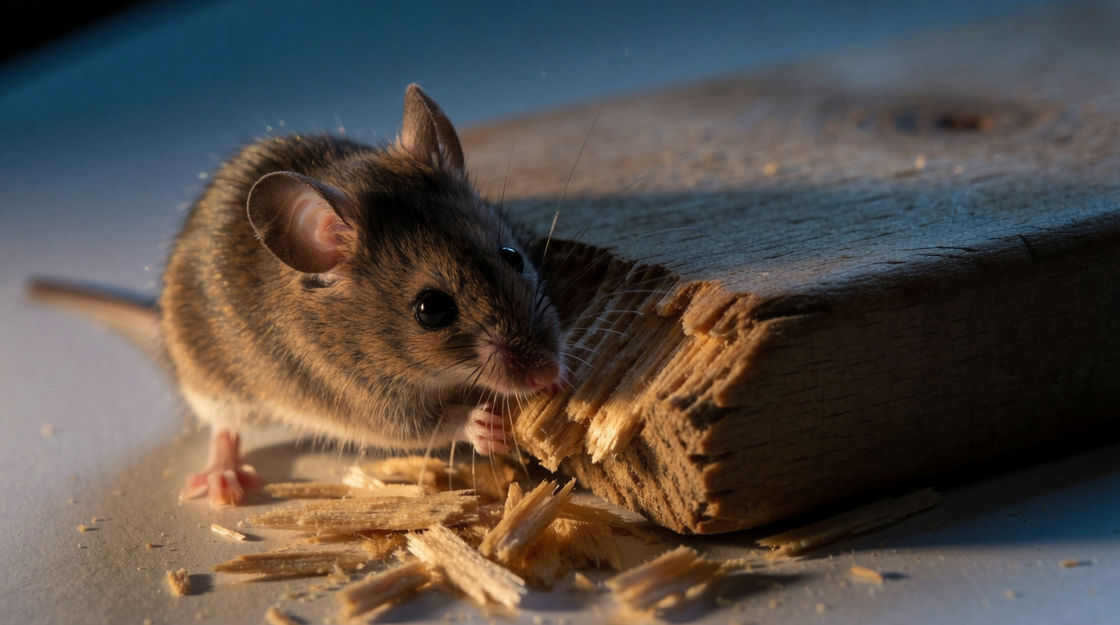
A dry rhythmic rasp of tiny teeth on wood. Close and persistent, and far more unsettling than any squeak.
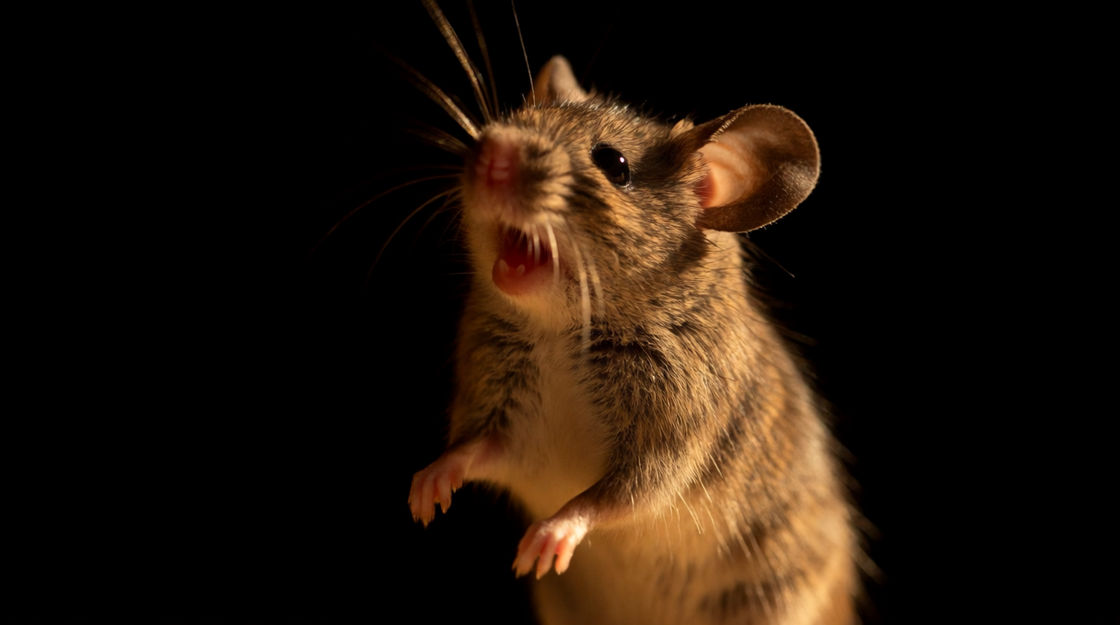
Thin, short, and slightly wavering. Only part of a mouse's range is audible, and this is the part that is.
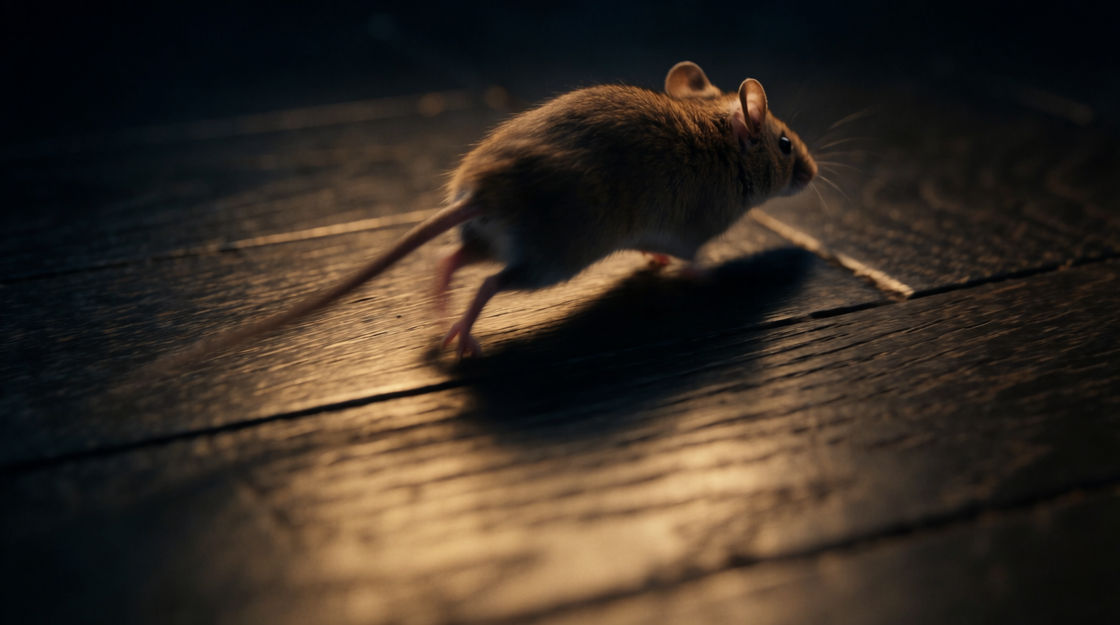
Light rapid patter crossing and stopping dead. The abrupt stop is what makes it read as an animal rather than a texture.
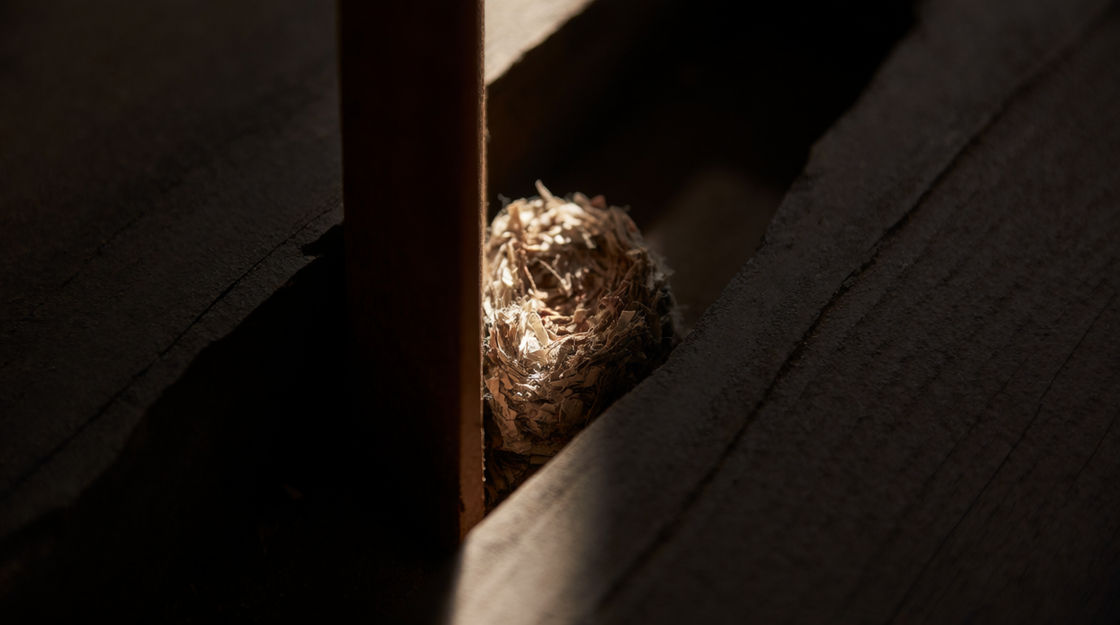
Paper and dry material shifting continuously. It says a nest rather than a passing animal, which is a worse thing to hear.

A hard spring snap on wood. One event, over instantly, and it resolves a scene that scratching has been building.
出発点を選び、好きなように編集して、Morphicで生成しましょう。
A trap snap is instant and resolves, so it lands hard in a quiet scene that scratching has been building underneath.
プロンプトを編集A steady dry rasp gives a still interior something to sit under and never fights a line, while quietly making it worse.
プロンプトを編集
Scratching inside a cavity places a scene in a house nobody is looking after, and it does it without any dialogue.
プロンプトを編集
Nest rustling tells the audience there is more than one animal in there, in a shot where the wall never opens.
プロンプトを編集
Goose sound effects
Generate goose sound effects with Morphic. Describe the exact call, mood, and distance you need and get a clean recording ready for your edit.
Gorilla sound effects
Generate gorilla sound effects with Morphic. Pick the chest beat, the hooting display, or the low rest rumble and get a clean file for your edit.
Growl sound effects
Generate growl sound effects with AI on Morphic. Describe the sound, pick a variation, and download MP3 or WAV for your video, game or podcast.
Guinea pig sound effects
Morphic creates guinea pig sound effects from a text prompt. Pick the tone and intensity you want, then drop a clean file straight into your timeline.
今すぐ無料で始めて、いつでもアップグレードまたはキャンセルできます。
Basic
2400 月 クレジット
1 ユーザーのみ
すべてのモデル
ワークフロー
Standard
3625 月 クレジット
1 ユーザーのみ
すべてのモデル
ワークフロー
Pro
6350 共有 月 クレジット
1 ユーザー
すべてのモデル
ワークフロー
Max
24650 共有 月 クレジット
1 ユーザー
すべてのモデル
ワークフロー
Enterprise
より高い制限のために
カスタム
料金と請求条件

Free
気軽に試したい方に
$0
ずっと無料