


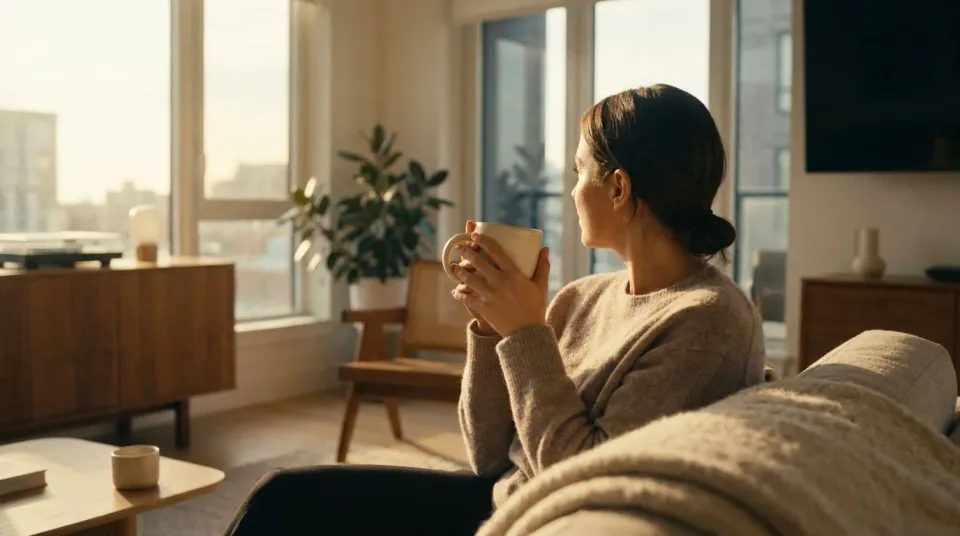
A product-in-story beat
A moment where the product is the prop the scene needs rather than a logo dropped on top. Generated against the saved references so it sits inside the same world as the rest of the series.
Edit prompt
As of October 2026, a branded microdrama is a short, vertical, episodic story built around a brand rather than a single ad about it. A 10-episode vertical series gives a viewer ten reasons to come back and ten chances to unlock the next beat, where a single 30-second spot gets one view and asks for the next action immediately. The series earns the attention first and carries the brand inside the story, which is the whole point of the format.
Choose how the brand lives in the story. Product-in-story weaves the product through a drama as a prop the plot needs; a brand-world series builds an episodic world the brand owns; a UGC-style series plays as testimonial-feel scenes that read like a real customer. Each is a different contract with the viewer, so pick before you produce.
Save a character and location reference once, then generate the episodes against them in one workspace, drafting cheaply at preview resolution and rendering the keepers at full. Save the per-episode sequence as a workflow and reuse it across the series, so a vertical series comes together in weeks rather than a shoot per episode.
A series gives you more than a view count. Watch completion rate per episode, how many viewers unlock or tap through to the next one, and the click-through on the beats that carry a call to action. Those tell you which episode earns the attention and where the series loses it, which a single spot cannot.
A branded microdrama is assembled from a few recurring frame types, a product woven into the story, a shot that establishes the brand world, a testimonial-feel moment, a cliffhanger, each generated against the same saved references so the series reads as one world rather than four separate ads.
A moment where the product is the prop the scene needs rather than a logo dropped on top. Generated against the saved references so it sits inside the same world as the rest of the series.
Edit promptThe frame that sets the world the series lives in. The saved location reference carries that world across every episode, so the brand owns a place the viewer returns to.
Edit prompt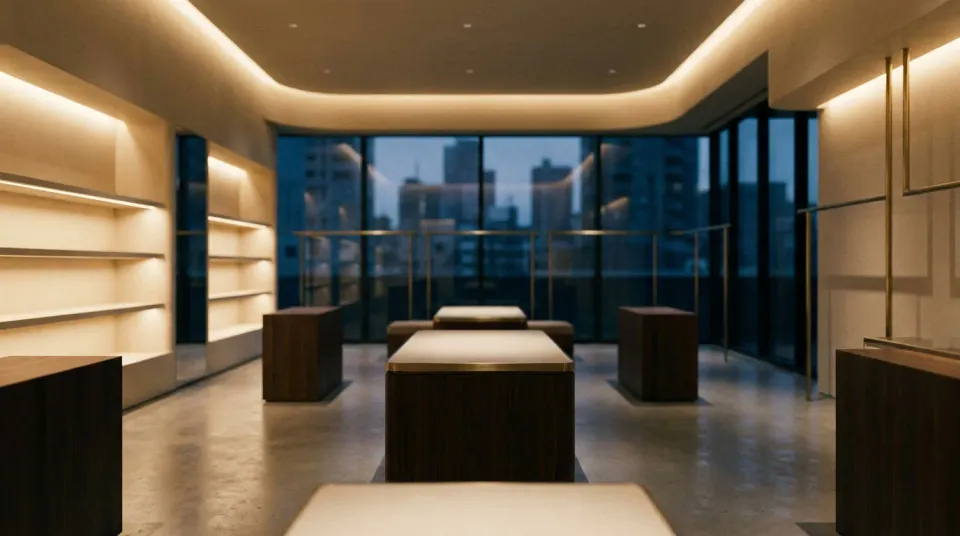
A UGC-style, to-camera moment that reads like a real customer rather than a polished ad. The same character reference keeps the face consistent if the series brings them back.
Edit prompt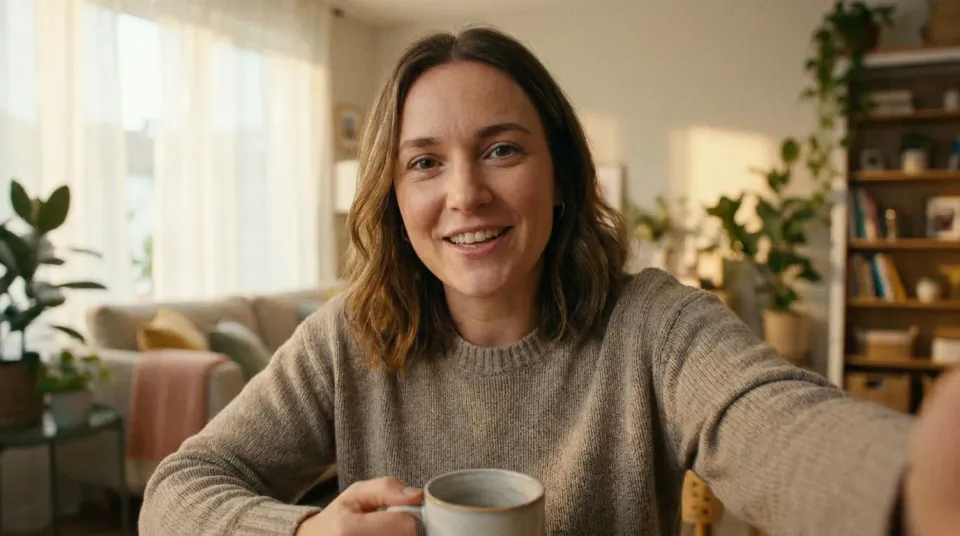
The last frame before the cut that pulls the viewer to the next episode. The hook is what turns a one-off ad into a series the audience chooses to continue.
Edit prompt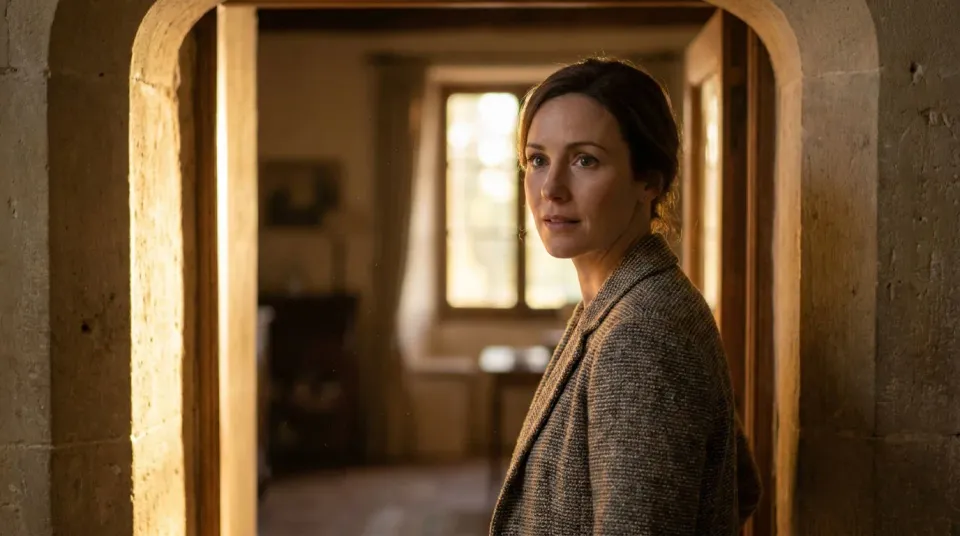
AI covers the production volume and the formats. Brand accuracy, any claim a visual implies, likeness rights and the final sign-off still belong to a person, so here is where each one sits.
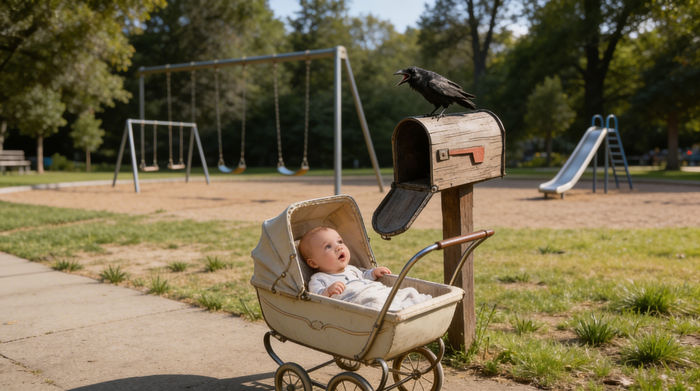
Share a scene description with character references. Get a full storyboard with shot angles and mood.
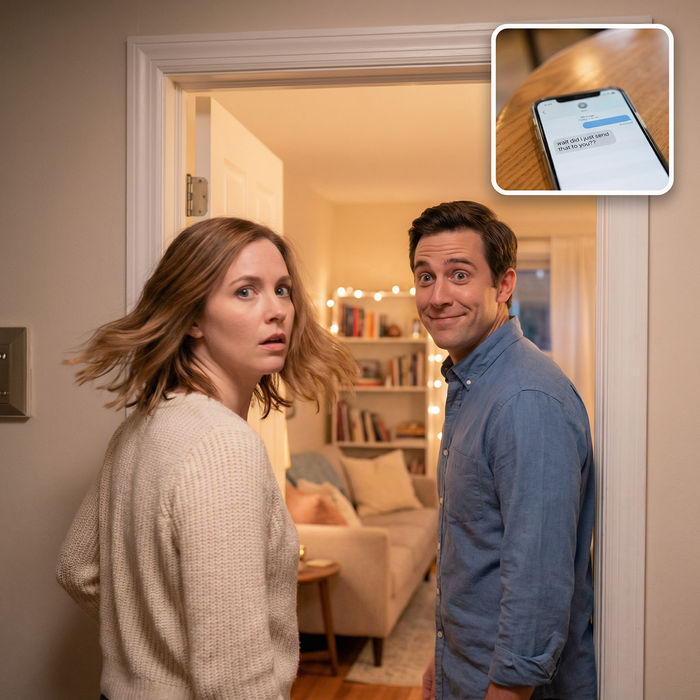
Dramatize any text conversation into a cinematic multi-shot video.
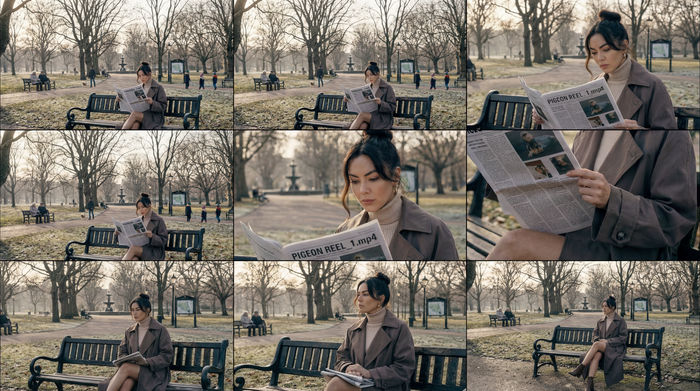
Feed in a single image. Get 9 cinematic beats laid out as a 3x3 storyboard grid.
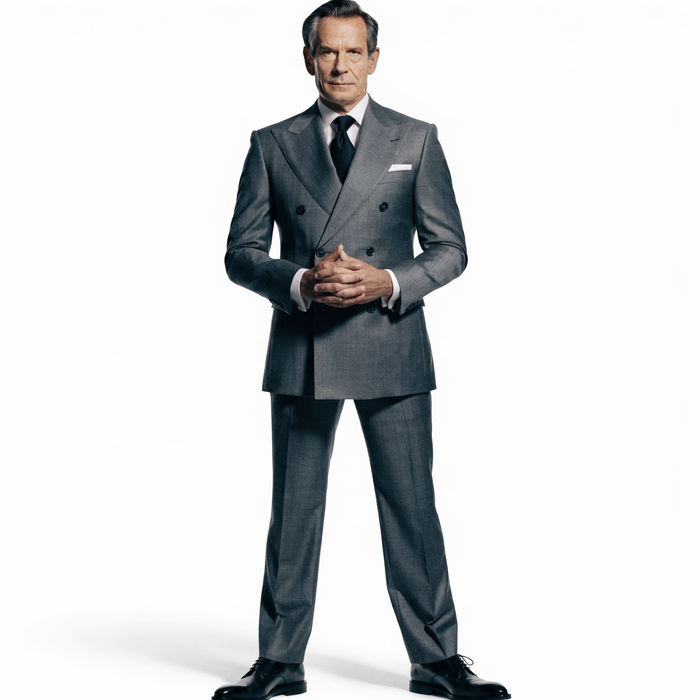
Turn any photo or description into an animated chibi sprite. Dance, jump, wave, attack, and more.
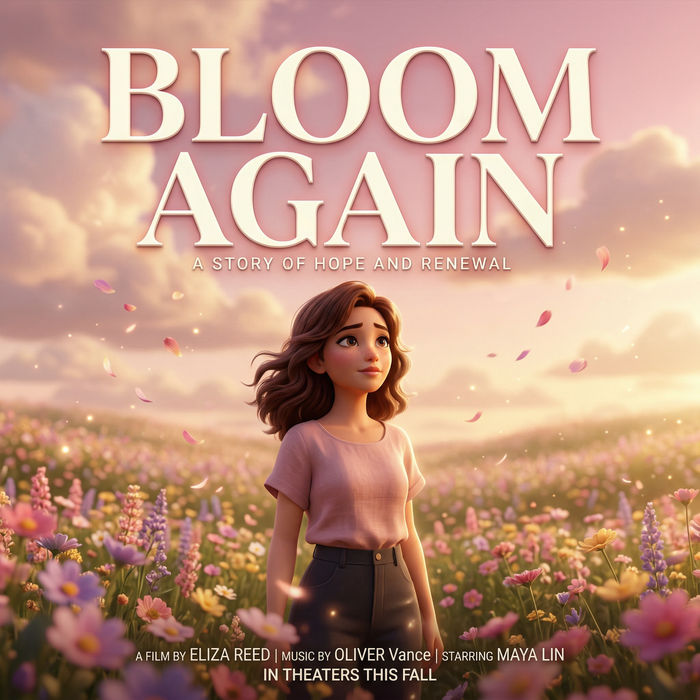
Generate a professional film title card from scratch, with optional cinematic animation.
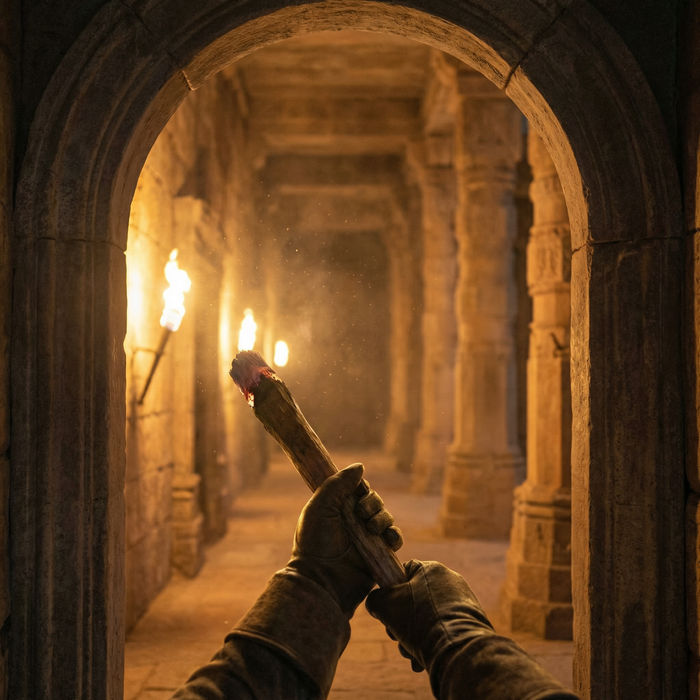
Describe a first-person scenario. Get sequential POV frames animated into video clips with audio.
Get started for free today, with the option to upgrade or cancel anytime.
Basic
2400 monthly credits
1 user only
All models
Workflows
Standard
3625 monthly credits
1 user only
All models
Workflows
Pro
6350 shared monthly credits
1 user
All models
Workflows
Max
24650 shared monthly credits
1 user
All models
Workflows
Enterprise
For higher limits
Custom
pricing and billing terms

Free
For playing around
$0
forever free