Scientific AI voices
Try MorphicBrowse AI scientific voices from wondrous documentary narrators to precise lab explainers, or build your own with the scientific voice generator, then lip sync any line so your presenter speaks it on screen.
Scientific voices for science documentaries, explainer videos, and educational series
Elias Varga
A warm documentary narrator, wondrous and steady, framing each discovery with quiet awe
Hana Okafor
A clear, methodical lecturer voice, precise and calm, walking through each step in order
Victor Reyes
A cool, exact researcher voice, analytical and even, reporting findings without a wasted word
Iris Chen
A bright, curious explainer voice, engaging and quick, turning a hard idea into a simple one
Soren Blake
A deep, steady science host voice, authoritative and composed, guiding a sweeping overview
Maya Lindqvist
A calm, articulate academic voice, measured and thoughtful, weighing each claim carefully
Design your scientific voice
Mix and match the traits below. Your prompt builds as you go.
A bottomless, gravelly, menacing overlord scientific voice
GenerateTurn a scientific voice into a talking character
Most voice tools stop at an audio file. Morphic maps the read onto a face so your presenter speaks the line on screen, mouth and timing matched, taking you from a written line to a talking scientific clip ready for the lecture series.

Academic voices for science documentaries, explainer videos, and educational series
Give every researcher, documentary narrator, and lecturer its own voice. Browse scientific archetypes from awe-filled cosmos narrators to precise lab explainers, each directed from a prompt and ready to drop into a science documentary, an explainer video, or an educational series.

Scientific voice text to speech for narration and lectures
Paste a script and turn it into an informed read in seconds, no recording booth. Morphic converts written copy into a clear, credible delivery for narration and lectures, with pace, pitch, and curiosity you direct in plain English.
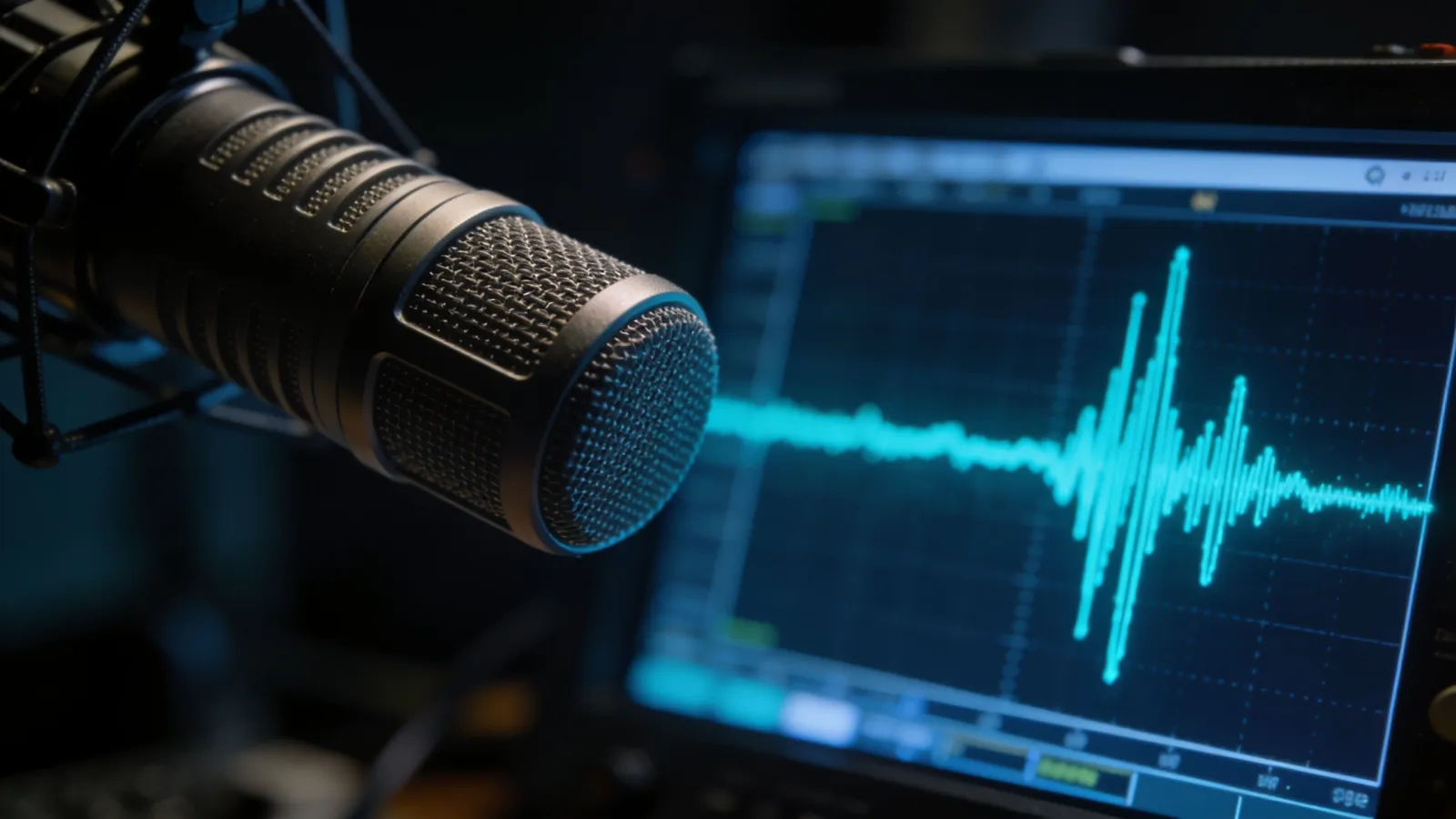
A scientific voice generator you direct in plain English
Describe the read you want, name the archetype, texture, and mood, and the generator builds it. Re-voice the same line as a warmer or more analytical narrator anytime by editing the prompt, a whole faculty of science voices from one workspace.

More voice styles
Simple pricing
Get started for free today, with the option to upgrade or cancel anytime.
Basic
2400 monthly credits
1 user only
All models
Workflows
Standard
3625 monthly credits
1 user only
All models
Workflows
Pro
6350 shared monthly credits
1 user
All models
Workflows
Max
24650 shared monthly credits
1 user
All models
Workflows
Enterprise
For higher limits
Custom
pricing and billing terms

Free
For playing around
$0
forever free