Tumbling across a table
Three dice caught mid bounce across a wooden table in ink and wash, short motion arcs behind them and shadows stretching to one side.
Modifier le prompt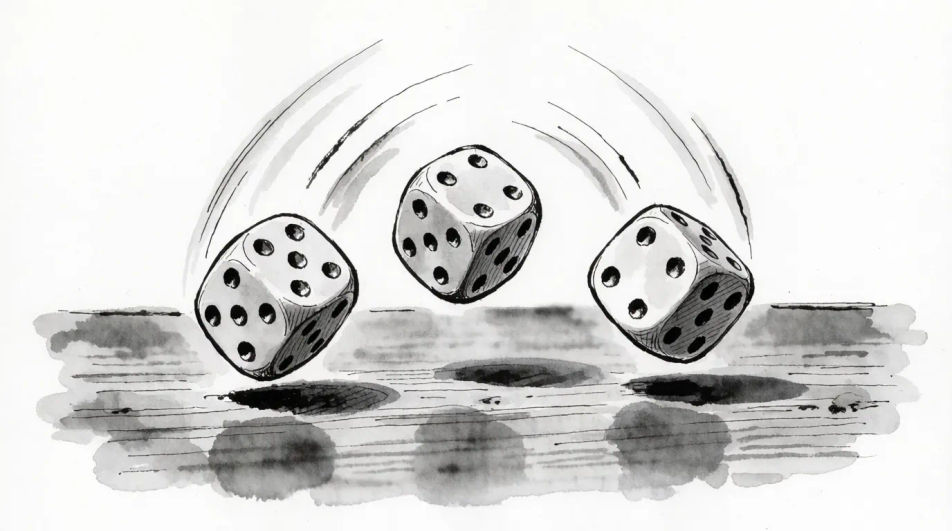
Describe the dice you want in Morphic's Image tool, from a single cube in three-quarter view to a pair tumbling across a table. Set the viewing angle, the pip layout, the corner radius and the medium, refine the drawing on the Canvas, then download it in HD.
Three dice caught mid bounce across a wooden table in ink and wash, short motion arcs behind them and shadows stretching to one side.
Modifier le promptA flat overhead arrangement of six dice showing one through six, drawn in even line, spaced evenly on plain paper like a reference sheet.
Modifier le prompt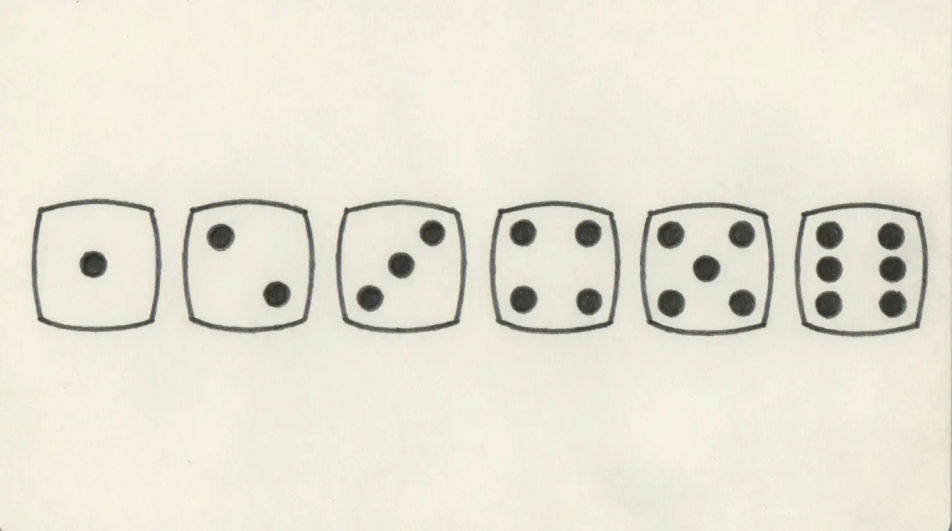
A pencil still life of two dice beside an upturned leather cup on a felt surface, soft cast shadows and a light hatched table edge.
Modifier le prompt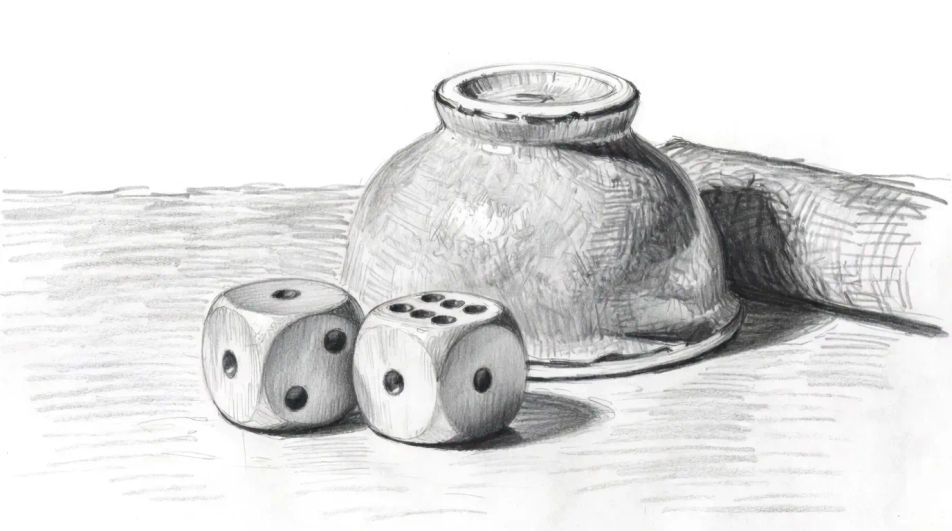
A close charcoal drawing of a cupped hand tilting open with two dice sliding out, fingers modelled softly and the dice drawn sharply.
Modifier le prompt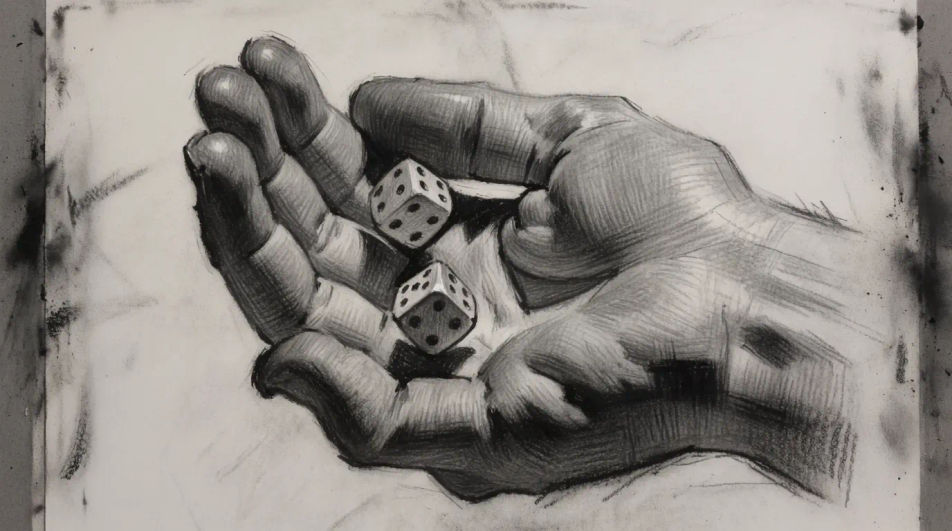
Décrivez le Dice drawing que vous voulez, en mots simples.
Morphic génère votre image prête à publier en quelques secondes.
Ajustez le prompt, régénérez des variantes, téléchargez ou partagez l’image.
Choisissez une image de référence, appliquez son style visuel à votre propre photo ou œuvre d'art.
Convertir n'importe quelle image à un nouveau rapport hauteur/largeur. Recadrer intelligemment ou étendre les bords pour s'adapter.
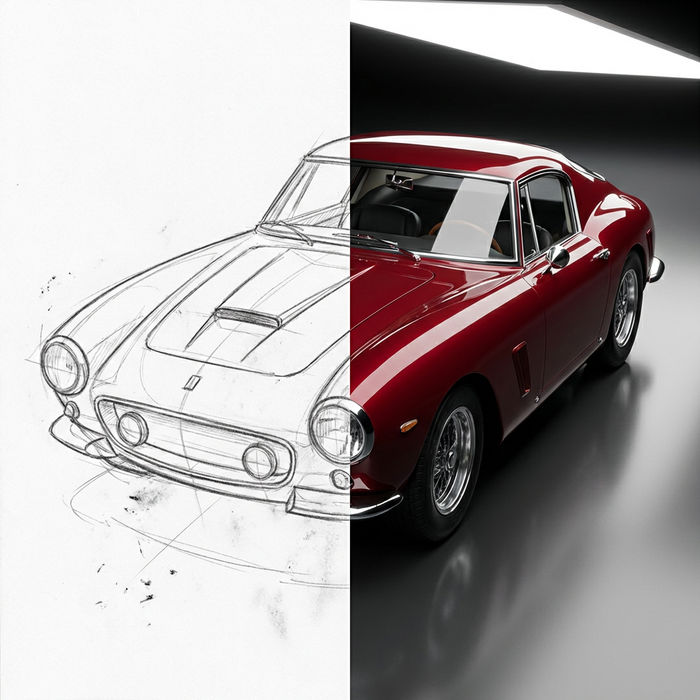
Transformez n'importe quel croquis ou dessin en un rendu fini.
Restyle any video in a completely new visual style. Every frame transforms, all motion stays intact.
Réimaginez n'importe quel personnage d'anime comme un portrait photoréaliste, haute couture en live-action.
Une seule selfie devient une série de portraits professionnels. Qualité studio, styles multiples.
Controller drawings in any medium
Turn a controller drawing idea into a finished image in Morphic. Describe the line work and style, generate variations, then refine it on the canvas.
Easy drawing generator
Turn an easy drawing idea into a finished image in Morphic. Describe the line work and style, generate variations, then refine it on the canvas.
Simple drawing maker
Turn a simple drawing idea into a finished image in Morphic. Describe the line work and style, generate variations, then refine it on the canvas.
Drawing prompts turned into finished reference drawings
Turn a prompts drawing idea into a finished image in Morphic. Describe the line work and style, generate variations, then refine it on the canvas.
Commencez gratuitement dès aujourd'hui, avec la possibilité de mettre à niveau ou d'annuler à tout moment.
Basic
2400 mensuel crédits
1 utilisateur uniquement
Tous les modèles
Workflows
Standard
3625 mensuel crédits
1 utilisateur uniquement
Tous les modèles
Workflows
Pro
6350 partagé mensuel crédits
1 utilisateur
Tous les modèles
Workflows
Max
24650 partagé mensuel crédits
1 utilisateur
Tous les modèles
Workflows
Enterprise
Pour des limites plus élevées
Personnalisé
conditions de tarification et de facturation

Free
Pour expérimenter
$0
gratuit pour toujours