Give a movement somewhere to go
A whoosh implies travel, so a character or a graphic arriving feels like it came from somewhere rather than appearing.
Modifier le prompt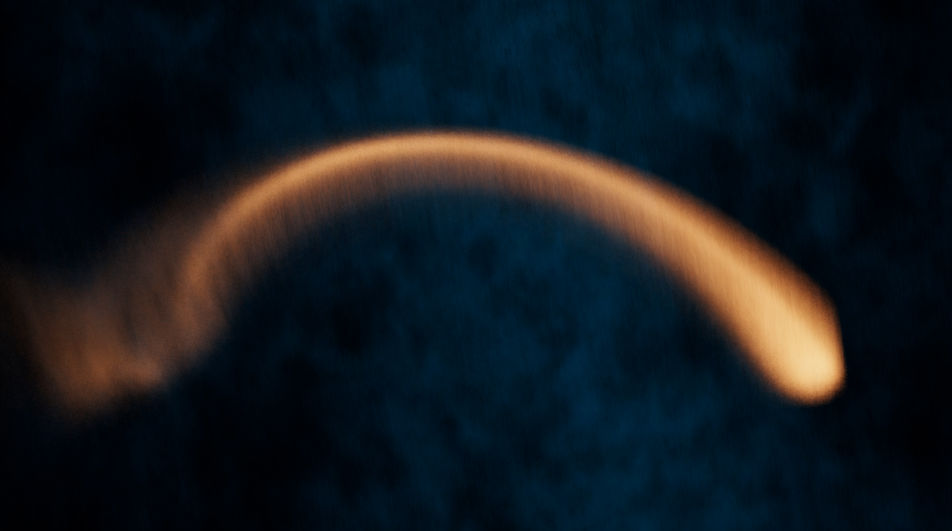
Boings, whooshes, splats, slide whistles, anvil drops, and the pattering run before a character leaves the frame. Six devices, not six variations.


A smooth air rush sweeping up then away. It gives movement somewhere to go, which a static hit never does.
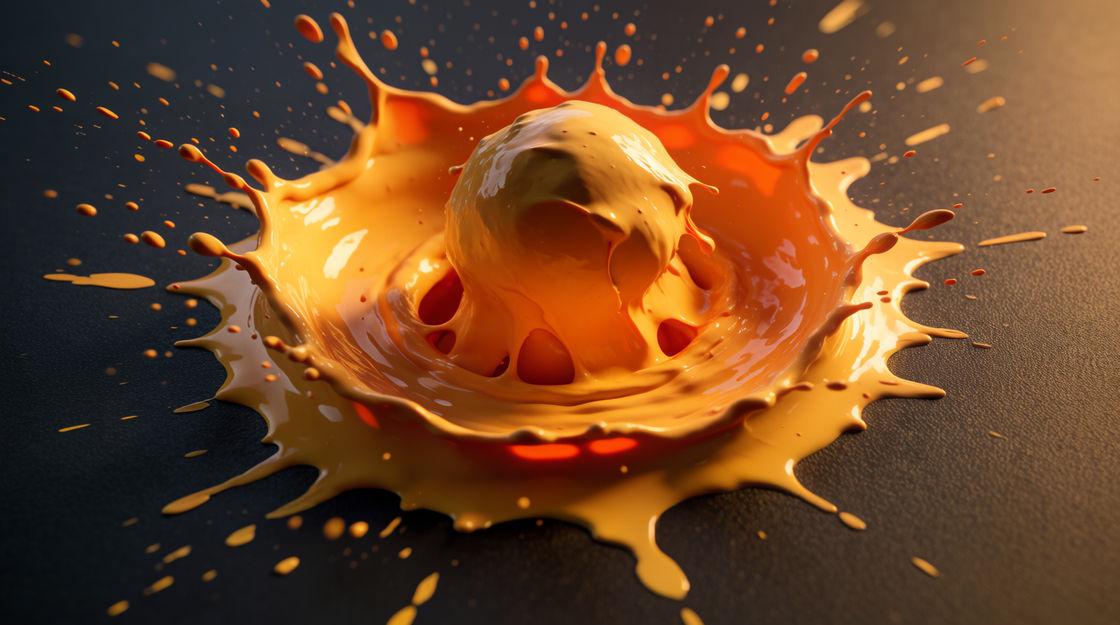
One thick slapping impact with a soft spreading tail. The spread is what makes it wet rather than merely hard.
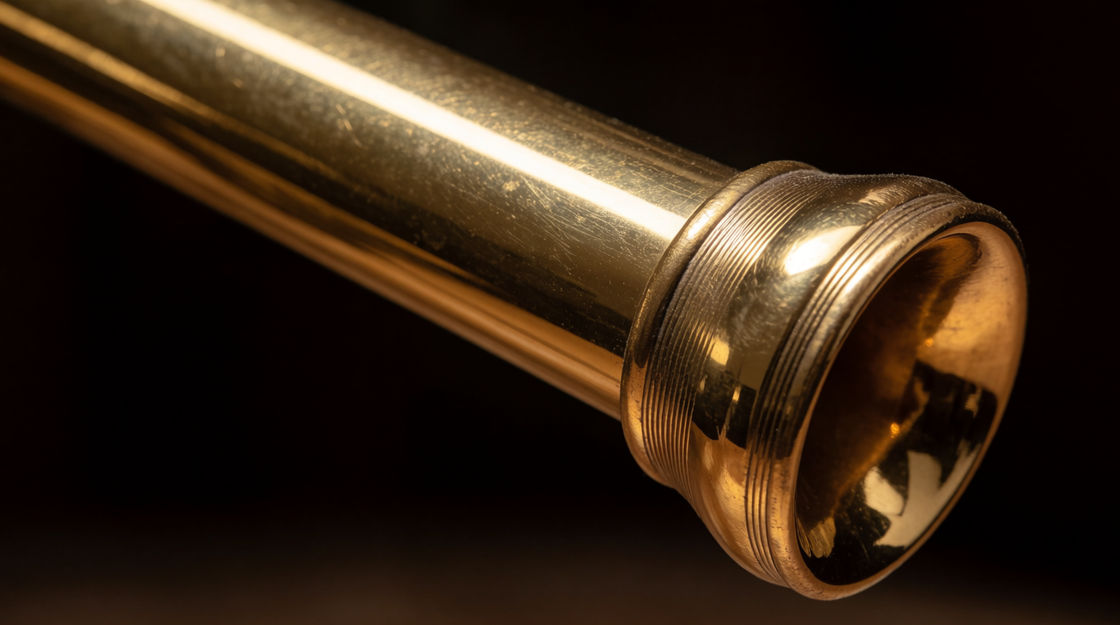
A thin swoop up and back in one glide. It exaggerates movement, so it needs something physically happening to sit against.
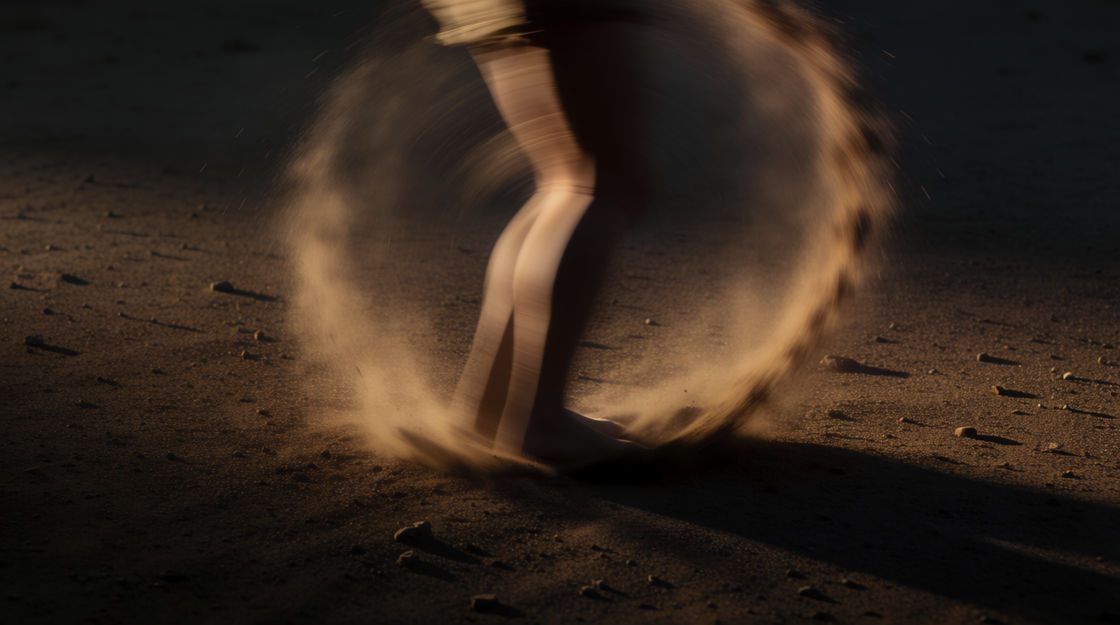
Rapid pattering on the spot then accelerating away. The spin before the exit is the whole gag.

A descending whistle into a heavy metallic clang. Two parts, and the whistle is what tells the audience it is coming.

Three light rounded pops rising in pitch. Small and bright, and it suits something appearing rather than landing.
Choisissez un point de départ, modifiez ce que vous voulez, puis générez dans Morphic.
A whoosh implies travel, so a character or a graphic arriving feels like it came from somewhere rather than appearing.
Modifier le promptPattering feet accelerating away carries the whole action, so the frame can stay still while the character leaves.
Modifier le prompt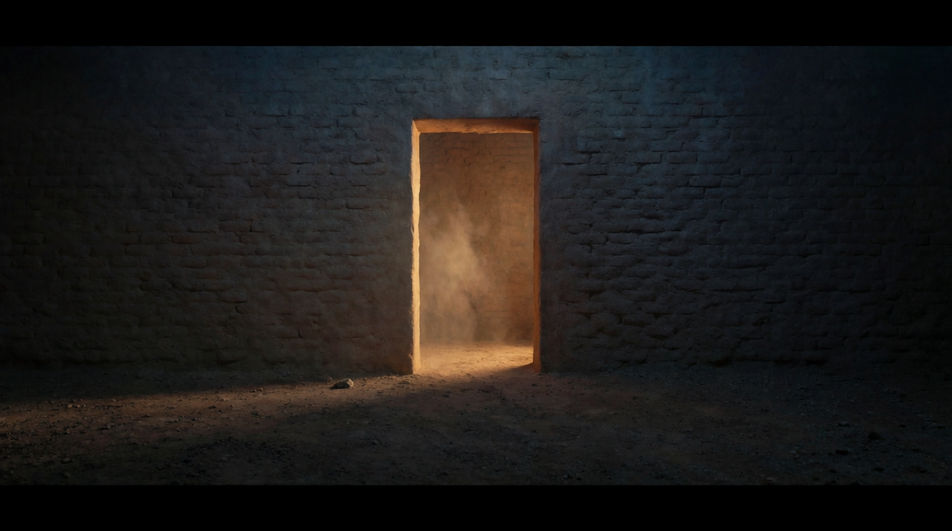
A descending whistle before the clang gives them a second to anticipate, which is what makes the impact land.
Modifier le prompt
A splat off screen tells the audience exactly what happened, and their imagination supplies a messier version.
Modifier le prompt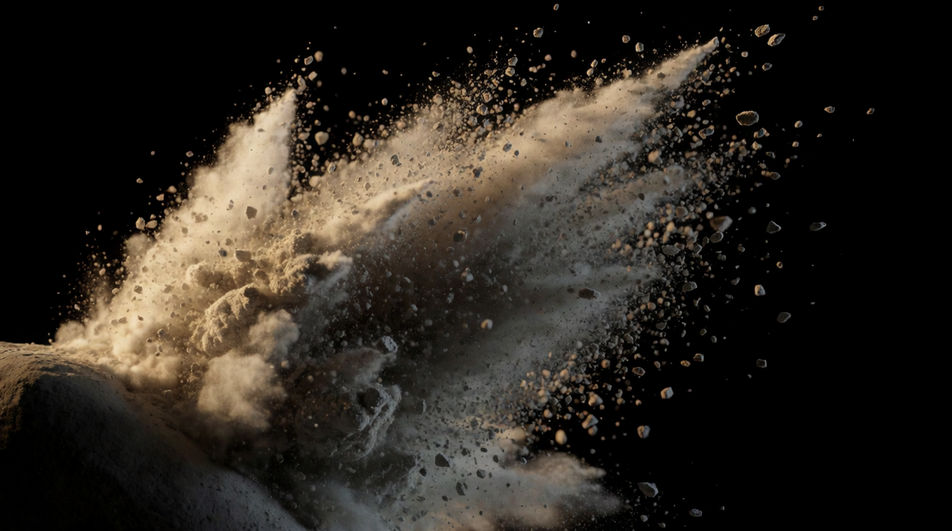
Stretch sound effects
Generate stretch sound effects with AI on Morphic. Describe the sound, pick a variation, and download MP3 or WAV for your video, game or podcast.
Trickster sound effects
Generate trickster sound effects with AI on Morphic. Describe the sound, pick a variation, and download MP3 or WAV for your video, game or podcast.
Twang sound effects
Generate twang sound effects with AI on Morphic. Describe the sound, pick a variation, and download MP3 or WAV for your video, game or podcast.
Twinkle sound effects
Twinkle sound effects to play right now, plus the shimmer you describe yourself: classic sparkles, fairy dust, single glints and rising glitter.
Commencez gratuitement dès aujourd'hui, avec la possibilité de mettre à niveau ou d'annuler à tout moment.
Basic
2400 mensuel crédits
1 utilisateur uniquement
Tous les modèles
Workflows
Standard
3625 mensuel crédits
1 utilisateur uniquement
Tous les modèles
Workflows
Pro
6350 partagé mensuel crédits
1 utilisateur
Tous les modèles
Workflows
Max
24650 partagé mensuel crédits
1 utilisateur
Tous les modèles
Workflows
Enterprise
Pour des limites plus élevées
Personnalisé
conditions de tarification et de facturation

Free
Pour expérimenter
$0
gratuit pour toujours