What is an awareness campaign poster?
An awareness campaign poster is a single printed or digital sheet that puts one issue in front of people who have not thought about it yet. It carries a short headline, a line of supporting context, the organisation's name, and one clear next step such as a website or a helpline. Charities, community groups, and public health teams use it on noticeboards, in transit spaces, and across social feeds because a poster has to land its point in the few seconds someone looks at it.
With Morphic you design this poster from a text prompt in your browser. Describe the message, the mood, the colours, and the call to action, then adjust the wording and layout until it reads cleanly and download in HD. You get artwork ready for print or social without opening design software or briefing an agency.
Decide the one thing you want understood
Write the single idea a passer-by should take away, then shape it into a headline of six words or fewer. Everything else on the poster supports that line, so agreeing it first keeps the design from drifting into a leaflet.
Write the copy before you generate
Draft the exact strings you want rendered: the headline, one short supporting line, your organisation name, and the call to action. Fixing the words in advance means you are judging the design rather than editing text inside every version.
Describe the imagery with dignity in mind
Ask for imagery that shows people as capable and whole rather than as objects of pity, and avoid framing that strips away agency. Describe the setting, the mood, and the crop you want, and keep the focus on the situation you are changing rather than on someone's worst moment.
Set the format and brand look
Specify the size you are printing or posting at, such as A3 portrait for a noticeboard or a square for feeds, and give your palette and type feel. Keep contrast high and leave quiet space around the headline so the poster still works from several metres away.
Check the details and export
Read every rendered word back against your own approved copy, confirm any figure you show is your own verified statistic, and view the poster at thumbnail size to test whether it still reads. Download in HD, then send it to print or schedule it across your channels.
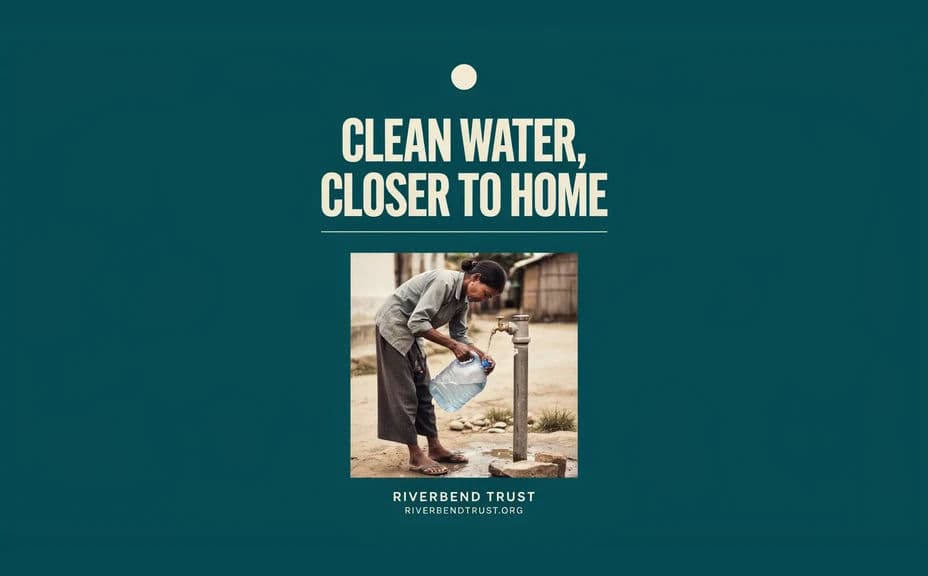
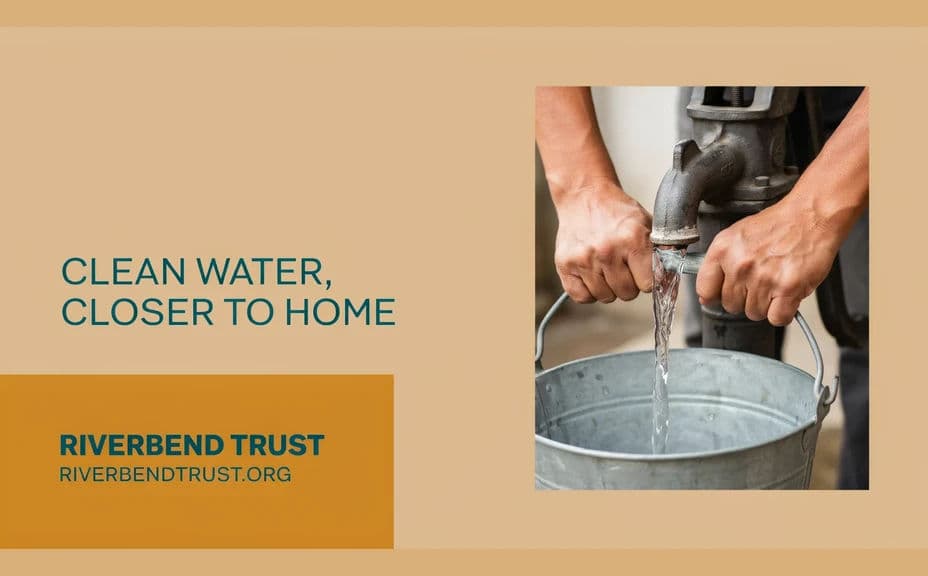
Two poster designs for the same invented campaign, each carrying the same headline and call to action in a different layout.
What makes a good awareness campaign poster
| Quality | What it means | Why it matters |
|---|---|---|
| One clear message | A single idea in a short headline | People read a poster in seconds, not minutes |
| Dignified portrayal | People shown with agency, never as pity subjects | It respects the community you represent and builds trust |
| Honest evidence | Any figure shown is your own verified number | Unsourced statistics undermine the whole campaign |
| Readable at distance | High contrast and generous spacing | The poster still works from across a corridor |
Morphic vs the traditional way
| Morphic | A design agency or studio | |
|---|---|---|
| Cost | Available on Morphic | Agency fee plus stock image licences |
| Time | A finished poster in minutes | Days of briefing, drafts, and rounds |
| Skill needed | Describe it in plain language | Layout, typography, and print knowledge |
| Consistency | Regenerate variations on the same brief | Every new campaign starts from scratch |
FAQs
Yes. Give the exact strings in your prompt and the design renders around them. Regenerate with new wording whenever the campaign message changes.
You can, but treat any figure in a generated example as an illustrative placeholder. Replace it with your own verified number and source before anything is printed or published.
Describe people as active participants rather than as subjects of pity, and say what you do not want to see. Avoid depicting identifiable real people, and use invented names for any person or place shown.
Any format you need. Specify the aspect ratio, such as A3 portrait for noticeboards or a square for social feeds, and the layout adapts to fit.
Yes, if you keep the copy short and the contrast high. Preview at full size, check every word against your approved text, and regenerate if a line looks cramped.
Yes. Artwork you generate with Morphic is cleared for commercial use across your campaign, including print runs and paid placements.