What is a retargeting ad creative?
A retargeting ad creative is aimed at people who already know you: visitors who browsed, added to cart, or bounced before buying. Because the audience is warm, the job is different from a cold ad. You are not introducing the brand; you are removing the last bit of hesitation and pulling them back.
Morphic lets you produce those creatives from a description tuned to that moment. Show the product they looked at, add the reassurance or nudge that closes the gap, generate the ad in your browser, refine it, and download in HD. You reach a warm visitor with a creative built for exactly where they left off.
Match the creative to where they dropped off
A cart abandoner and a homepage bouncer need different nudges. Decide the moment you are retargeting, then design the creative for it. Speaking to the actual point of hesitation is what makes a retargeting ad convert.
Feature the product they already saw
Retargeting works on recognition, so put the product front and center in a clean, appealing shot. Describe it to Morphic so the ad shows what they were considering, not a generic brand image. Familiarity lowers the friction to return.
Add the reassurance that closes the gap
Warm visitors usually leave over one doubt: price, trust, or timing. Build the creative around a single reassurance, such as a benefit reminder or a reason to act now. Keep it to one clear message so the nudge lands cleanly.
Produce a few angles to rotate
Retargeting audiences see your ads repeatedly, so a single creative goes stale fast. Generate a handful of angles on the same offer, holding the brand steady, so you can rotate them and avoid fatigue. Reuse the base prompt to keep them consistent.
Size for every placement and export in HD
Adapt each creative to the feed, story, and banner ratios your channels use so the product stays framed. Export the set in HD and label each by angle and placement so rotation stays organized.
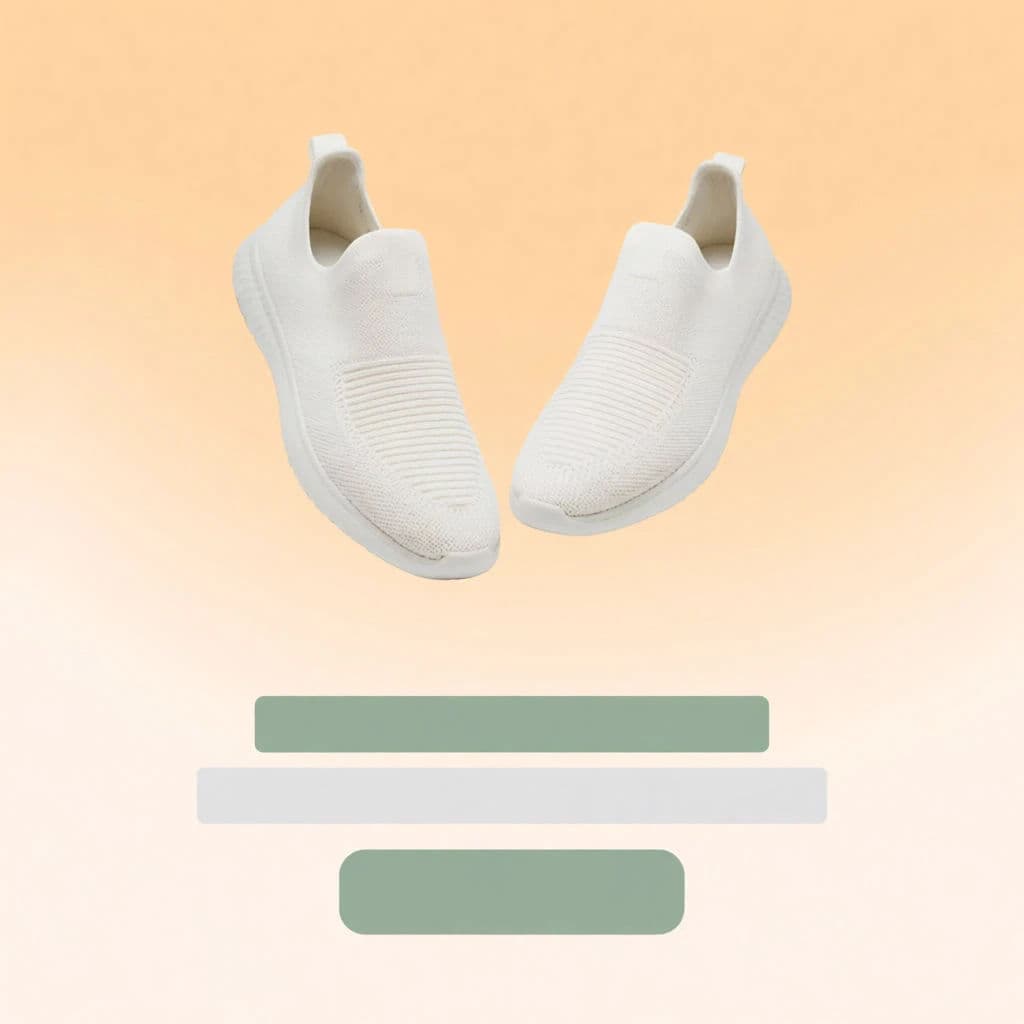
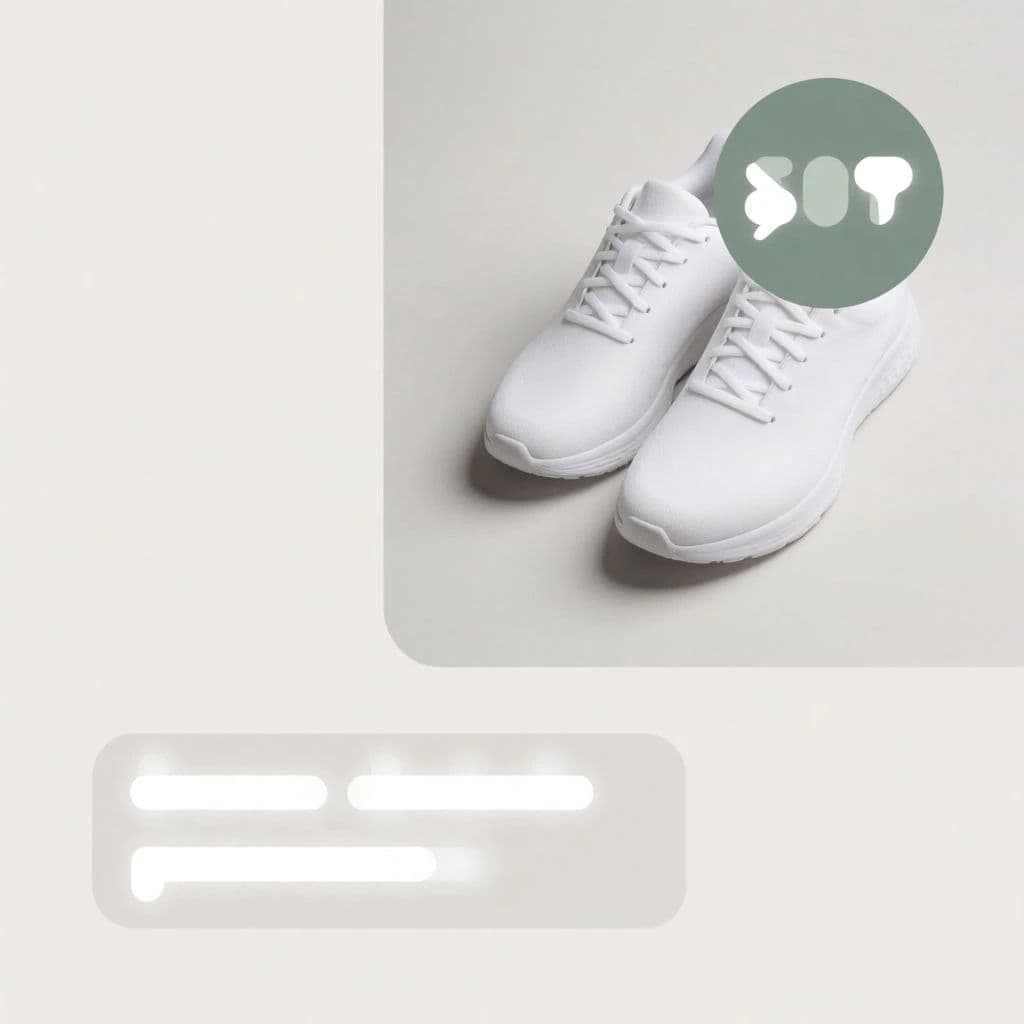
One retargeting creative in two on-brand variations.
What makes a great retargeting creative
| Quality | What it means | Why it matters |
|---|---|---|
| Matched to intent | Speaks to where they dropped off | The nudge fits the actual hesitation |
| Familiar product | Shows what they already viewed | Recognition lowers the friction to return |
| One reassurance | A single doubt addressed | The message lands without clutter |
| Rotation-ready | Several angles on one offer | Repeated exposure stays fresh, not stale |
Morphic vs building each creative by hand
| Morphic | Traditional design software | |
|---|---|---|
| Cost | One browser tool | Design subscription plus designer time |
| Time | A rotation set in minutes | Manual rebuilds for each angle |
| Skill needed | Write and tweak a prompt | Layout and export knowledge |
| Freshness | Regenerate new angles anytime | Slow to refresh a fatigued set |
FAQs
The audience already knows you, so the job is removing the last hesitation rather than introducing the brand. Feature the product they saw and address the single doubt that held them back.
Where you can, yes. Retargeting works on recognition, so a clean shot of the product they were considering lowers the friction to return more than a generic brand image.
Generate several angles on the same offer and rotate them. Because you can regenerate new angles quickly, you keep the audience seeing fresh creative instead of the same ad on repeat.
One clear reassurance that closes the specific gap, such as a benefit reminder or a reason to act now. A single focused message converts better than a cluttered one.
Yes. Adapt each creative to feed, story, and banner ratios so the product stays framed, then export each size in HD.
Yes. Creatives you make with Morphic are yours to run across your retargeting campaigns on paid channels.