Vertical-scroll hunter gate splash
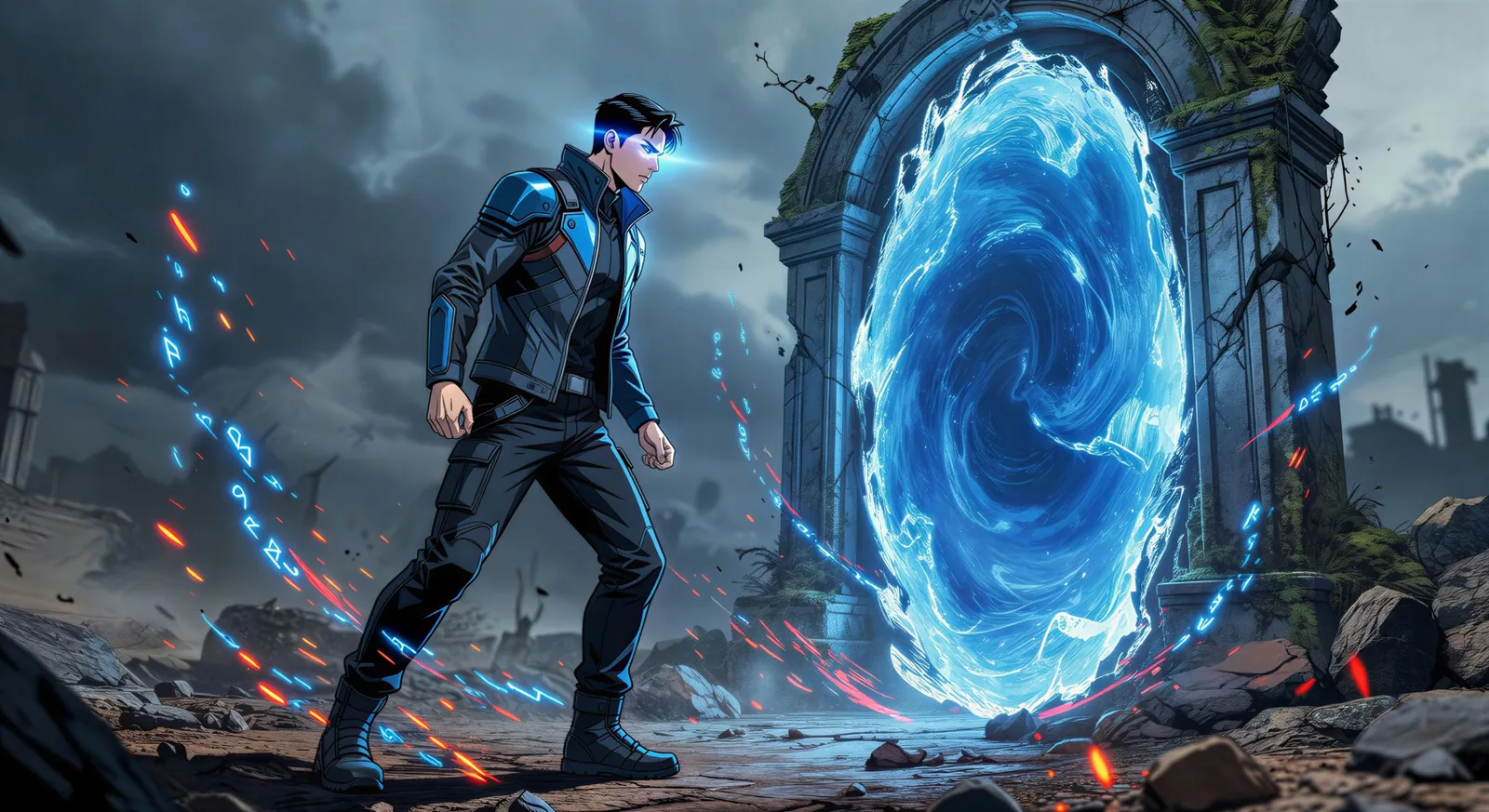
Single tall panel built for vertical scroll: the Hunter steps toward a glowing monster gate, embers and rune particles trailing upward.
Try this promptManhwa is the Korean tradition of sequential art and the format that has set the global pace for digital comics over the last decade. Where manga is read right-to-left across paper pages, modern manhwa is built for vertical mobile scrolling, full colour, and a different rhythm of panel pacing.
It has also exported a set of modern subgenres (regression, hunter, chaebol, villainess, murim) that now drive a huge share of webtoon traffic worldwide. AI has changed which parts of producing one you actually need to own.
Manhwa is the dominant comic format on mobile right now. Vertical scroll, full color, cleaner line work than manga, and a set of modern subgenres (regression, hunter, chaebol, villainess) that drive most of what people read on Webtoon and Lezhin. Morphic puts the toolkit in your browser. Pick a character, a panel, or a workflow below and start now.
Single tall panel built for vertical scroll: the Hunter steps toward a glowing monster gate, embers and rune particles trailing upward.
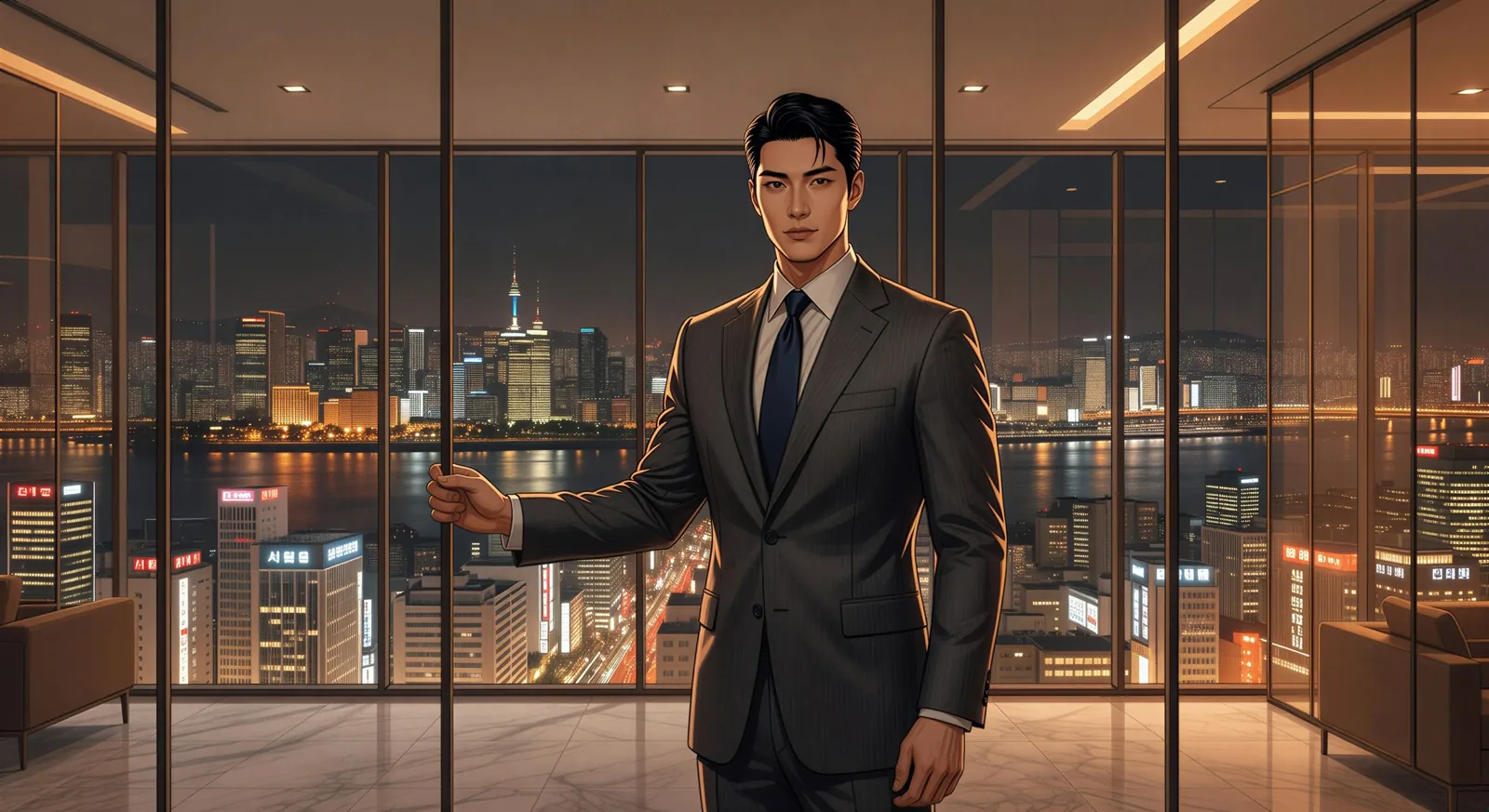
Try this promptWide horizontal panel: chaebol heir framed against a floor-to-ceiling glass office wall over the Seoul night skyline, warm amber rim light.
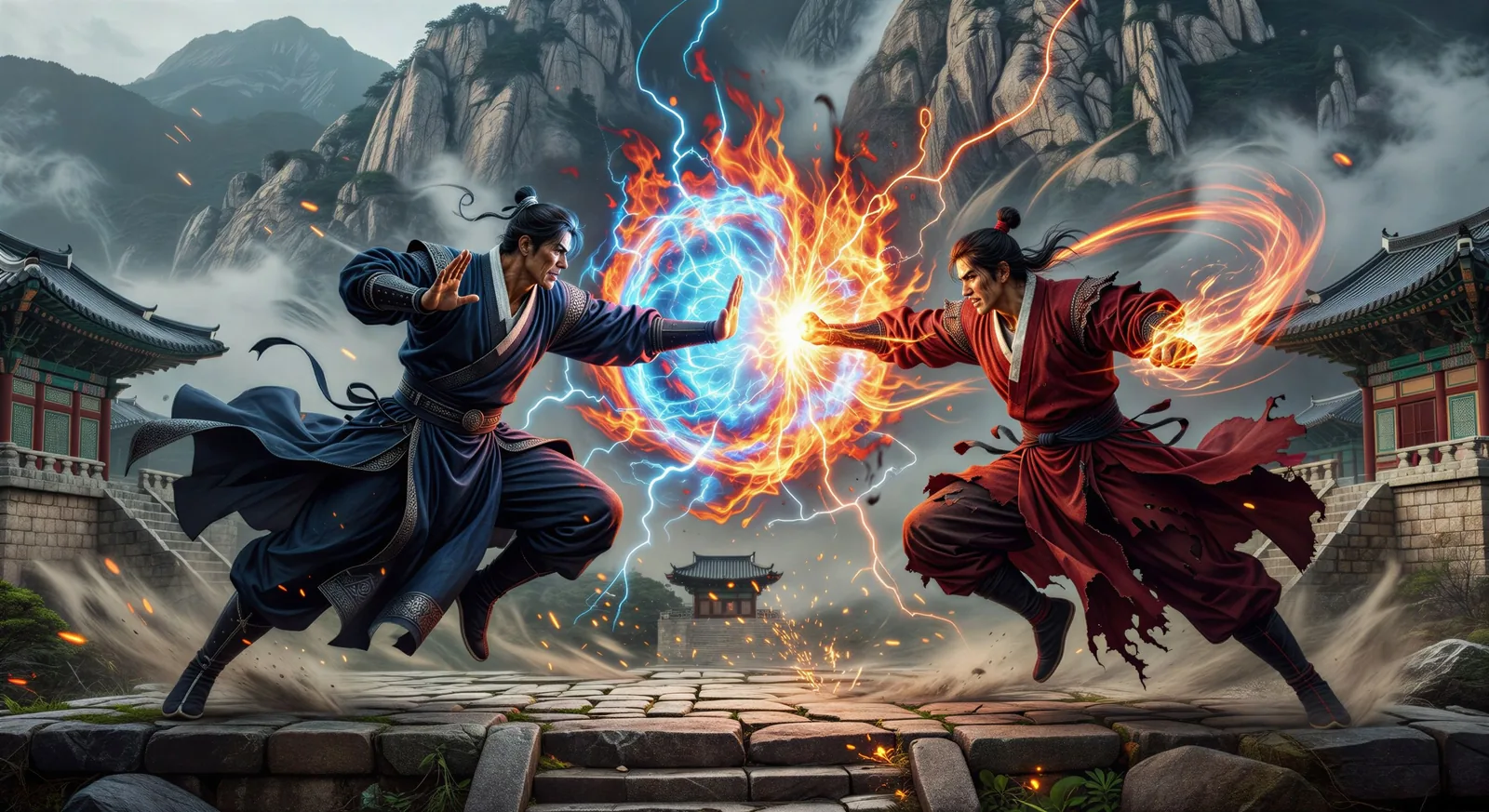
Try this promptTilted impact panel: two robed fighters at the apex of a strike, chi flames clashing at centre frame, mountain temple stone below.
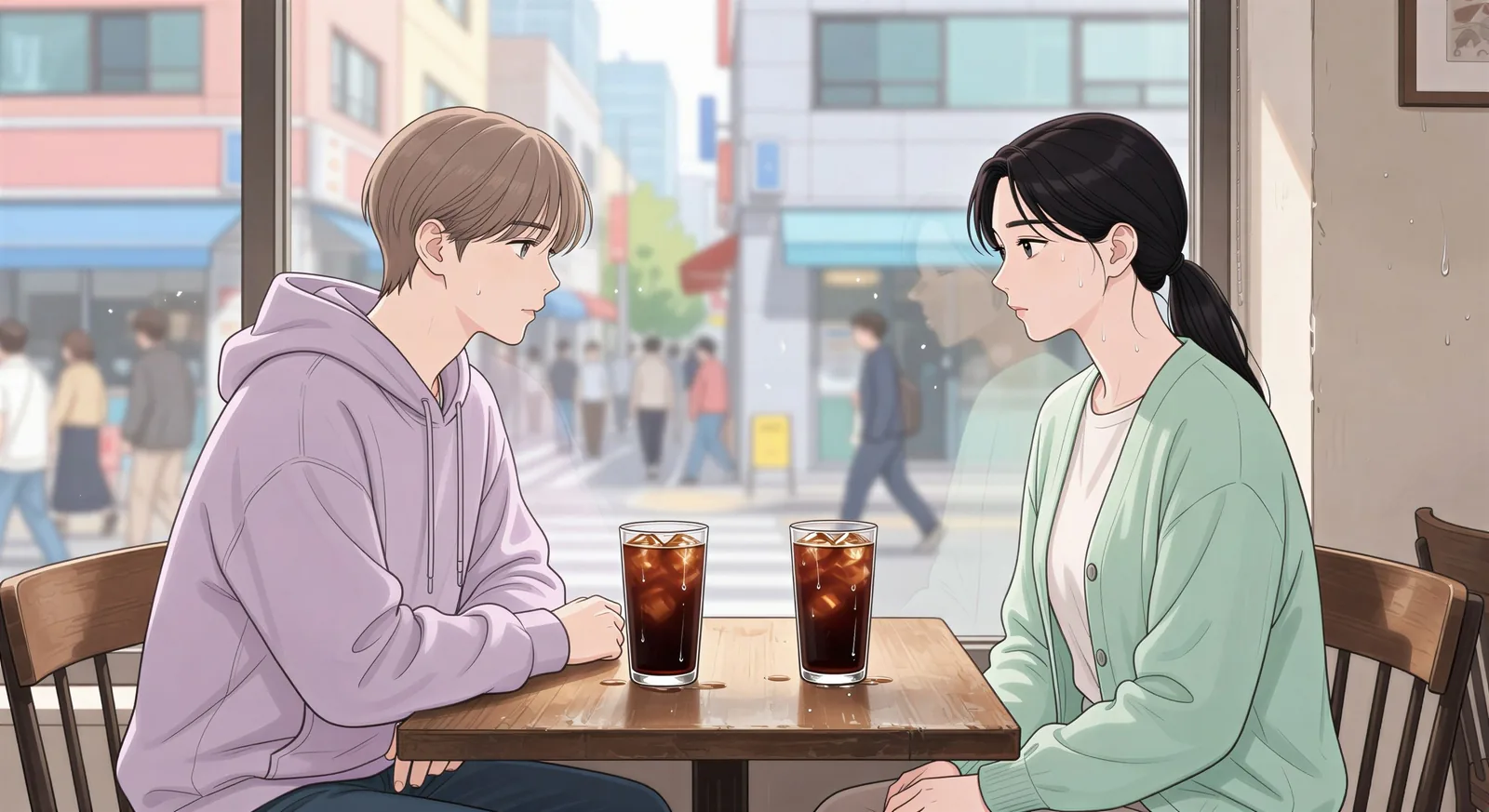
Try this promptTwo characters across a small Seoul café table, soft afternoon window light, iced Americanos sweating on the wood, no dialogue.
Try this promptSingle inset panel: extreme close-up of one eye narrowing in recognition, single rune particle drifting past, scroll-space below intentionally empty.
Try this promptWide establishing panel: Seoul night cityscape with neon Hangul signs, Han River bridges in the distance, soft cyan haze over the city.
Try this promptSign in to Morphic in your browser and head to the Text to Video tool. No installs, no setup, and any device with a connection picks up where you left off.
Open Text to VideoWrite the manhwa character or panel you want to see in your own words. Name the subgenre (regression, hunter, chaebol, villainess, murim, slice-of-life), the character details, the colour palette, and the panel composition. Mention the vertical-scroll context if you want a tall single-column panel. The more specific the description, the closer the result lands to the look in your head.
Hunter manhwa vertical-scroll splash, S-rank hunter in a long leather coat stepping toward a glowing blue monster gate, rune-marked blade in reverse grip, embers and particles trailing upward, cool steel-blue palette, painted shading, photographic background.
Morphic returns a clip to your canvas. Refine the prompt for variations, regenerate to fix what missed, or remix into a longer sequence. Download or share when the shot lands.
Convert any Manhwa clip into a hand-drawn anime look with consistent linework and palette.
Try this workflowPlan a multi-scene Manhwa episode shot-by-shot, then generate each frame and stitch the sequence together.
Try this workflowContinue your Manhwa story scene by scene with continuity preserved across shots.
Try this workflowApply a unified painterly or cinematic look across every clip in your Manhwa series.
Try this workflowLock in consistent character designs across Manhwa scenes before you generate video.
Try this workflowCompose dramatic single-shot Manhwa scenes with depth of field, lighting, and camera direction baked in.
Try this workflowThe most important difference between manhwa and manga is the reading direction and the format. Modern manhwa is built for vertical scrolling on a phone, which means panels stack top-to-bottom in a single column, and the gutter between them is the unit of pacing. A wide gutter creates a beat of silence; a thin gutter pulls the reader through fast. Speech bubbles often sit outside panels in the white scroll-space, which is a layout move impossible in print manga. When you prompt a manhwa panel, name the vertical-scroll context and let the composition lean into single-column framing.
The second big difference is colour. Where manga lives in black-and-white with screentone for shading, modern manhwa is full colour, with painted shading and photographic backgrounds that are often composited from real reference. The result reads as a hybrid between illustration and concept art. For prompts, name the colour palette explicitly (cool steel-blue for hunter; warm amber for chaebol; muted earth for murim; pastel for slice-of-life romance) so Morphic picks the right tonal register.
Subgenre is where modern manhwa actually competes. Regression stories follow a protagonist who goes back in time with all their future knowledge intact (the visual hook: an older soul in a younger body, often shown through eye composition). Hunter stories run on monster gates, S-rank rankings, and glowing weapons. Chaebol stories live inside glass corporate towers and centre on a cold heir or his unsuspecting love interest. Villainess noble stories take a side character from a romance novel and reframe the story from her perspective, with detailed period gowns and corridor politics. Murim stories blend wuxia with manhwa pacing. Naming the subgenre upfront is the single biggest lever you have on the look.
How to make manga with AI
Shounen, shoujo, seinen, and slice-of-life manga panels generated from prompts.
How to make a comic book with AI
Western comic grammar, splash pages, and full issues from prompts.
How to make anime videos with AI
Slice-of-life, mecha, magical girl, and dark fantasy anime generated from prompts.
How to make anime fight scenes with AI
Sword duels, magic battles, and mecha clashes generated from prompts.