Time a threat to the frame it arrives on
Huffs and jaw pops have hard edges you can line up exactly with a cut. That precision matters as much in a game encounter as it does in a wildlife documentary.
Edit prompt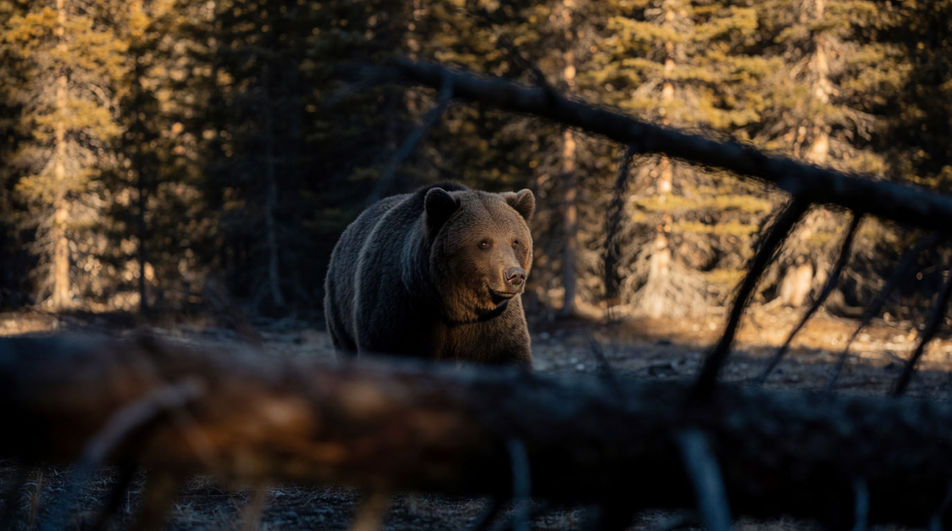
A bear has a whole vocabulary before it ever roars: growls held behind a closed mouth, forced-air huffs, jaw pops, a cub calling. Describe the one your scene needs.
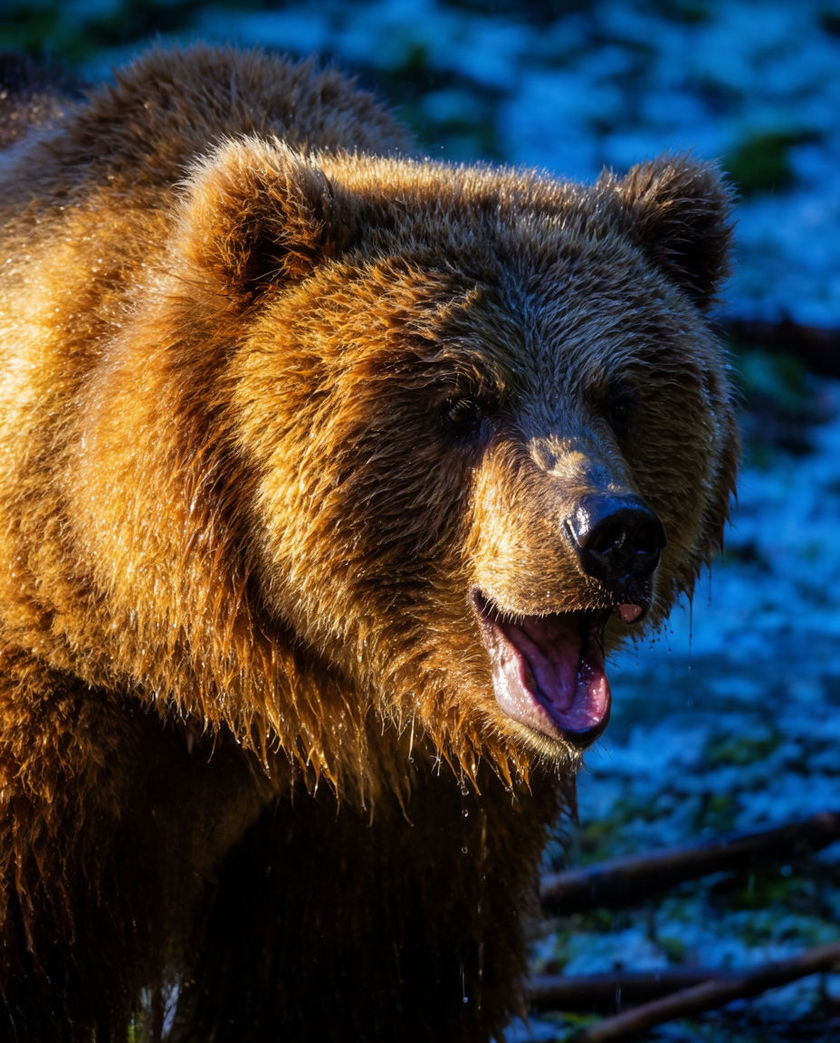
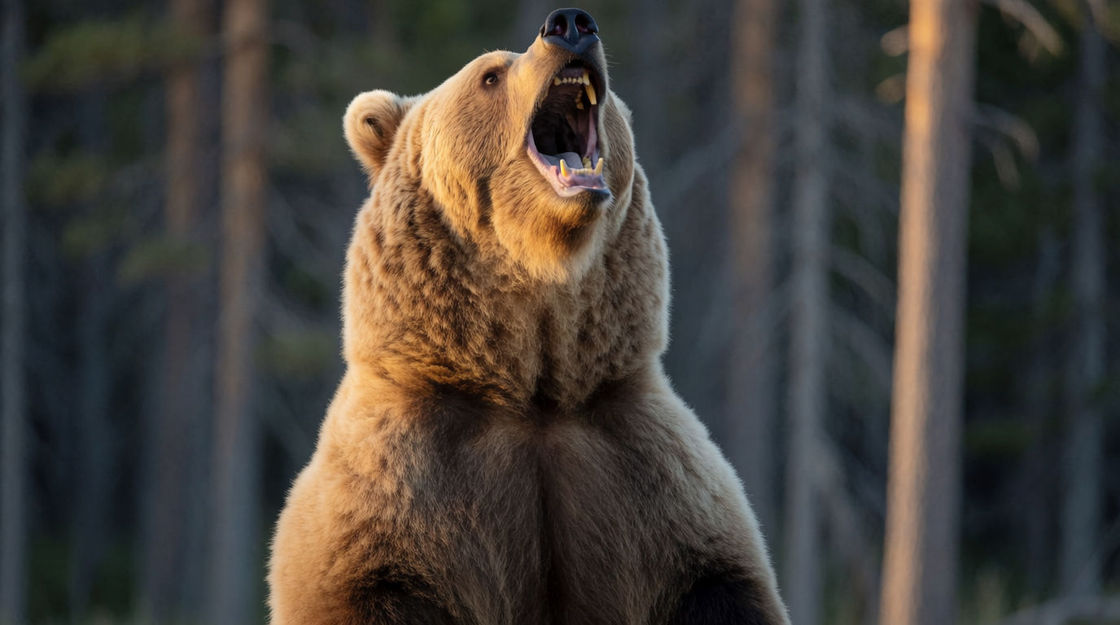
The full open-throated call, chesty underneath with a torn edge on top. It is what most people arrive looking for, and the top edge is what stops it turning into a big cat.
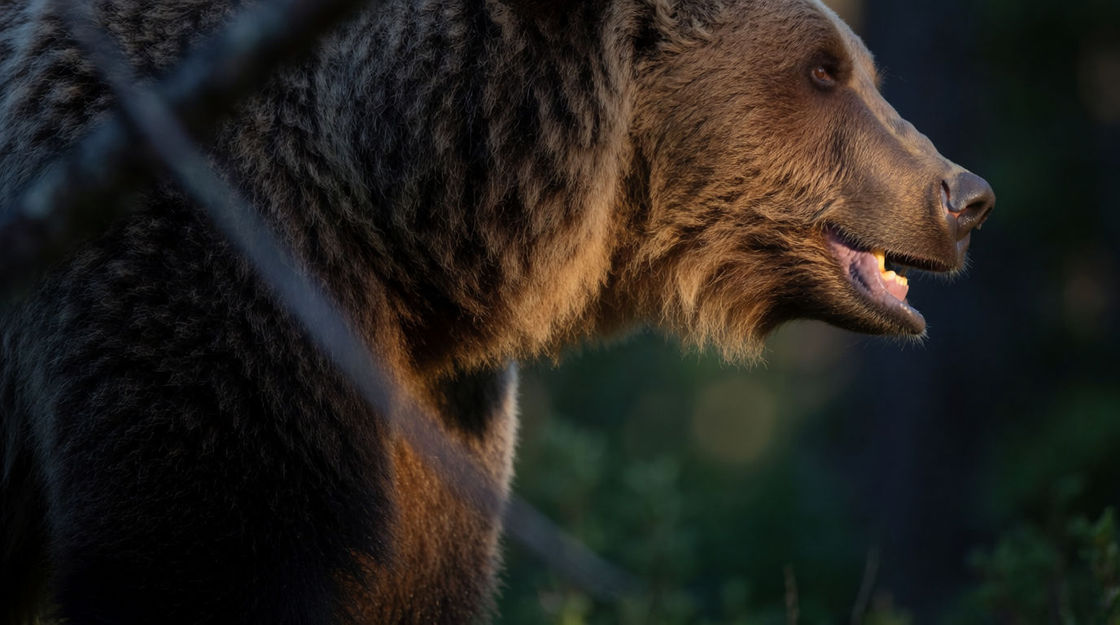
Pushed out through a closed mouth and held, so it never resolves into anything. A held growl is more useful than a roar in most scenes, because it can run underneath a line of dialogue.
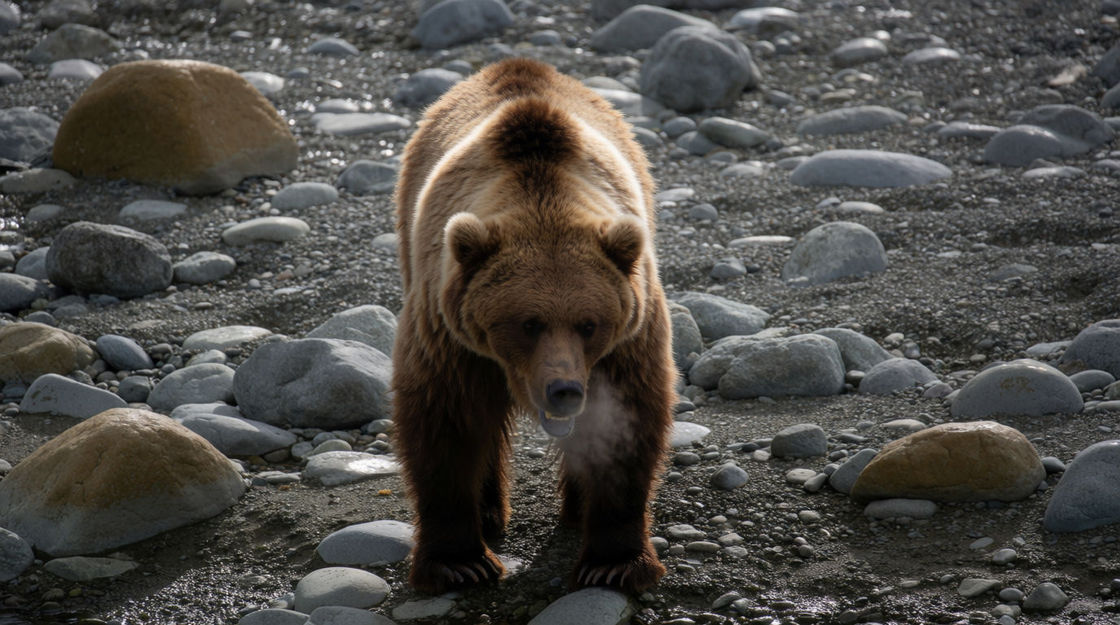
Dry percussive air and teeth with no vocal tone at all. This is the real warning a bear gives, and using it instead of a roar is the fastest way to make a wildlife scene read as accurate.
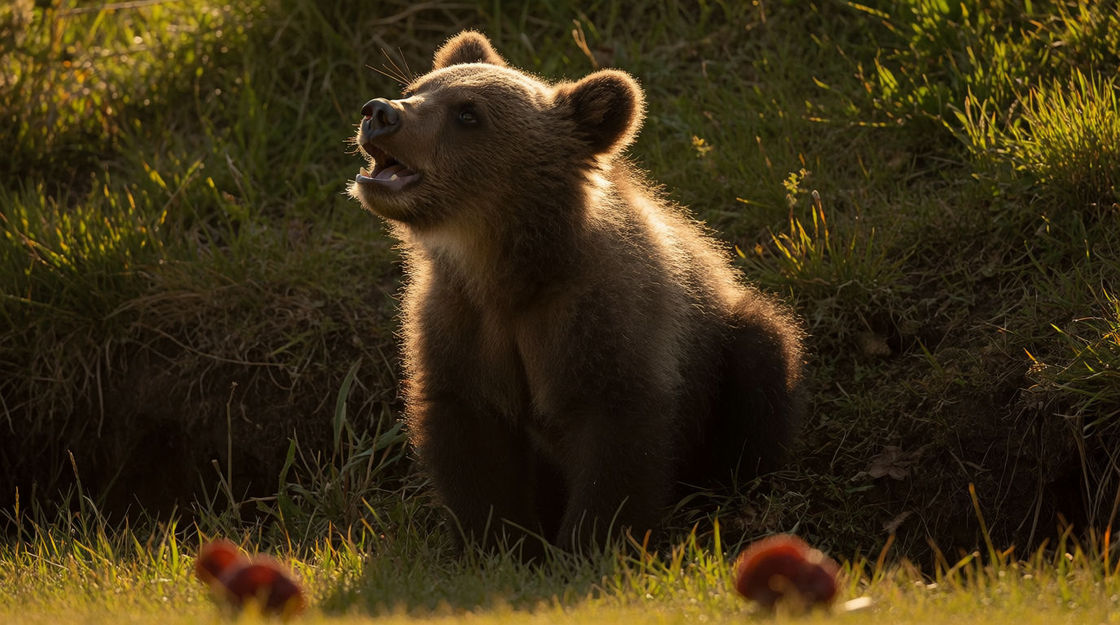
High, nasal and wavering, breaking into a whine at the end. It changes the meaning of every other card on the page, because an adult nearby is suddenly a mother rather than a threat.
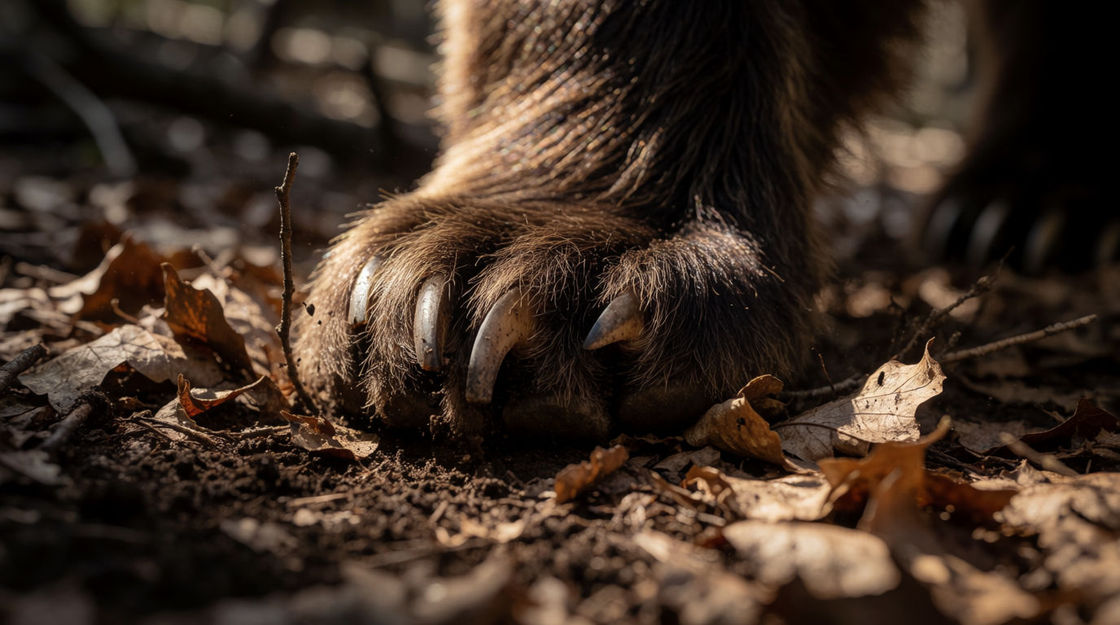
Padded weight coming down into dry leaf litter, slow and evenly spaced. Nothing tells an audience how large an animal is faster than the pace at which it moves.
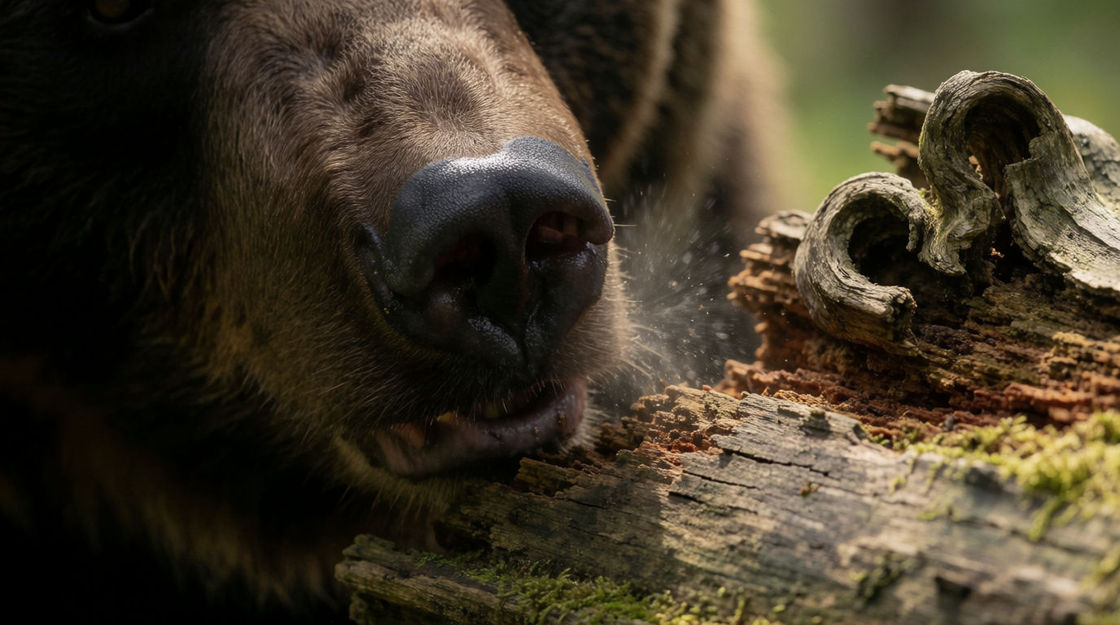
Wet irregular sniffs right at the microphone, with air dragging through moisture. Reach for it when the animal has to feel close enough to touch and nothing in the frame shows it.
Pick a starting point, edit anything you like, then generate it in Morphic.
Huffs and jaw pops have hard edges you can line up exactly with a cut. That precision matters as much in a game encounter as it does in a wildlife documentary.
Edit promptSlow padded footfalls give a wide shot a pulse and need no music behind them. Eight seconds of weight carries an establishing shot in film or an animated sequence.
Edit prompt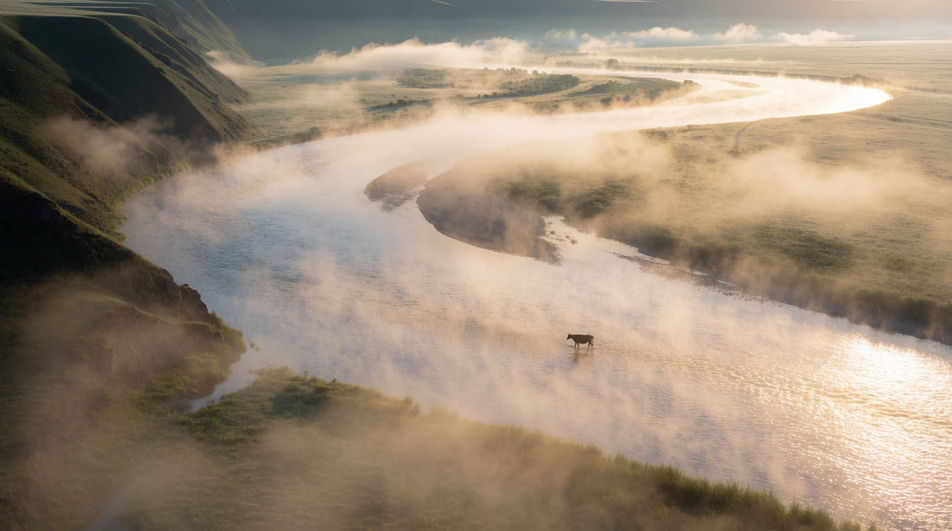
A held growl under a wide shot changes the temperature of a whole sequence. It works over a game level entrance or the opening of a podcast story just as readily.
Edit prompt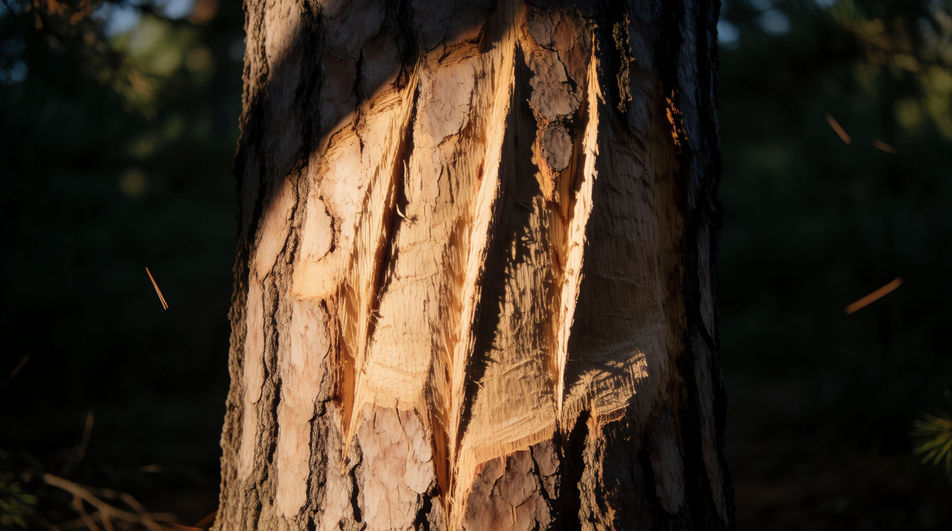
Wet snuffling breath at the microphone puts the animal inches away with nothing on camera. It is the cheapest way to raise a scene from tense to unbearable.
Edit prompt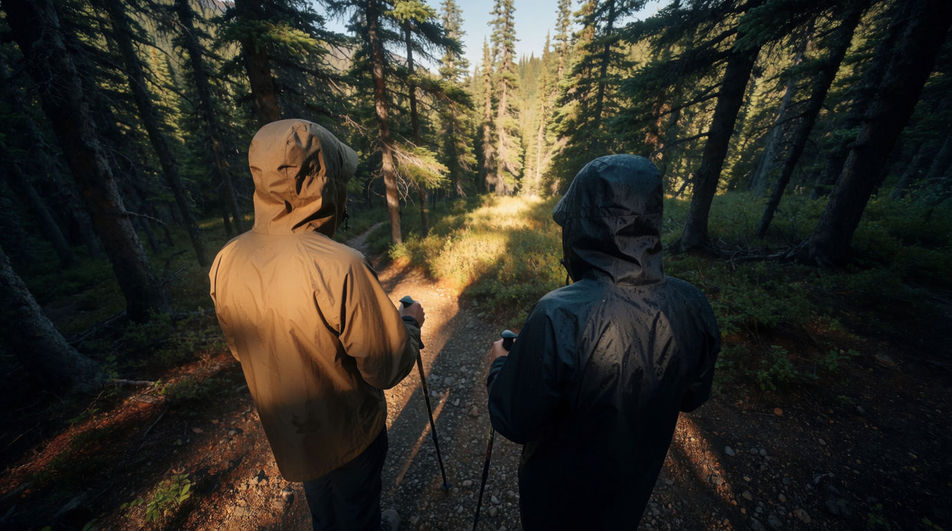
Moose sound effects
Need moose sound effects that fit the shot? Morphic generates them on demand, so you get the right call at the right distance every time.
Mosquito sound effects
Need a mosquito sound effect that fits the shot? Morphic generates the whine on demand, at the pitch and closeness your scene calls for.
Mountain lion sound effects
Generate mountain lion sound effects with Morphic. Describe the exact call, mood, and distance you need and get a clean recording ready for your edit.
Mouse sound effects
Need mouse sound effects that fit the shot? Morphic generates them on demand, so you get the right call at the right distance every time.
Get started for free today, with the option to upgrade or cancel anytime.
Basic
2400 monthly credits
1 user only
All models
Workflows
Standard
3625 monthly credits
1 user only
All models
Workflows
Pro
6350 shared monthly credits
1 user
All models
Workflows
Max
24650 shared monthly credits
1 user
All models
Workflows
Enterprise
For higher limits
Custom
pricing and billing terms

Free
For playing around
$0
forever free