The ceiling gives, right on the cut
A concrete slab hitting the floor gives an impact its aftermath, whether the shot is a stunt sequence, an animated panel or a level cutscene.
Edit prompt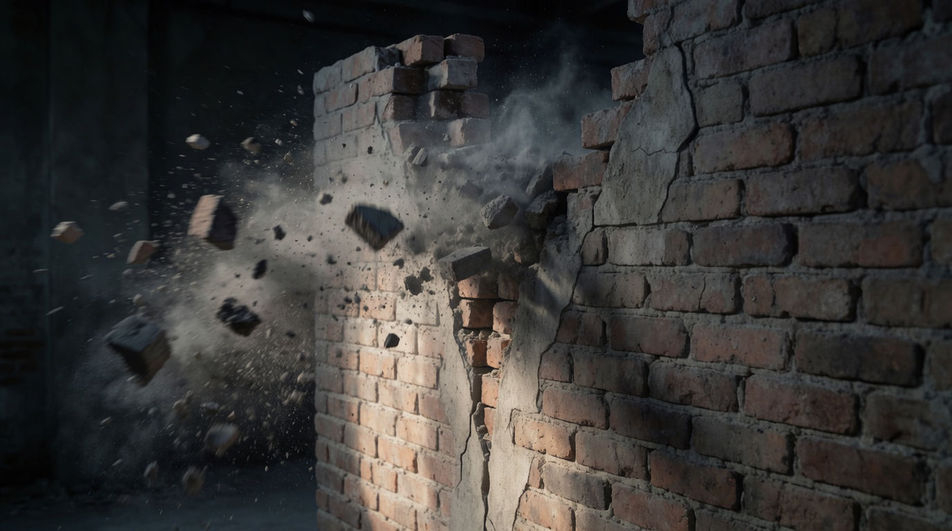
The scatter and settle of broken material after something gives way: tumbling rubble, clattering splinters, and grit sifting down. Describe the debris your shot needs and Morphic generates it in seconds.

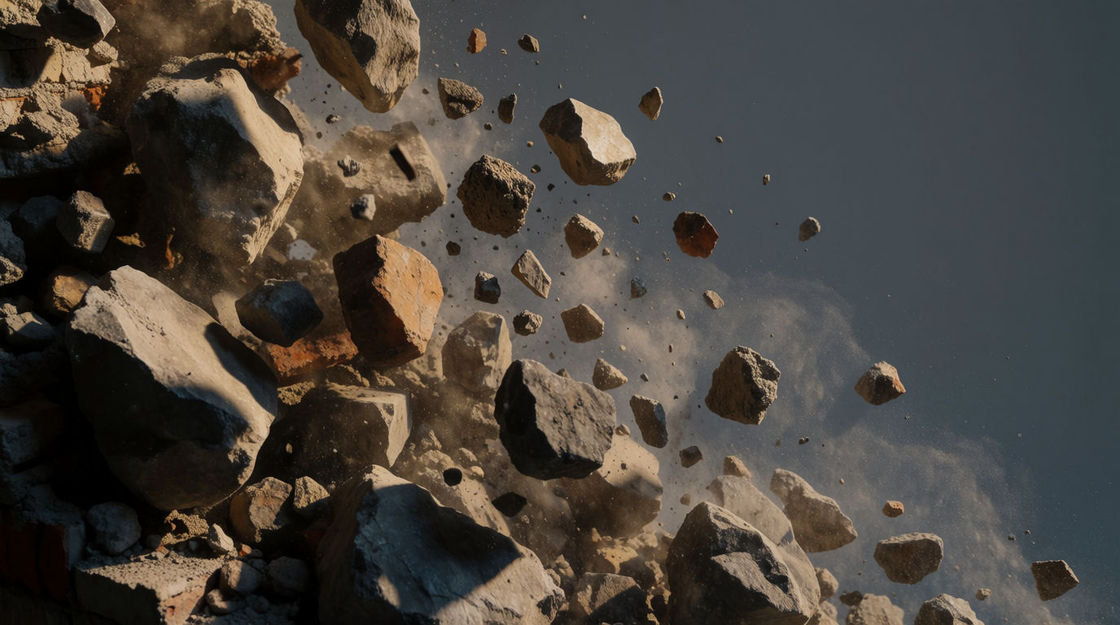
A sustained cascade of broken concrete and brick, the main body of any collapse, dense enough to carry several seconds on its own.

The quieter aftermath: small pieces sliding, tipping and finding their rest once the big fall is over.

Dry timber cracking and shedding sharp fragments, right for barns, floorboards and anything old giving up.

Bright shards mixed with fine dust, the scatter you get from a blown-out window rather than a stone wall.

One isolated lump landing with a thud. Place it late, after everything else has stopped, for a jolt.

A thin, almost delicate stream of dust and small stones, barely there, and easy to keep under dialogue.
Pick a starting point, edit anything you like, then generate it in Morphic.
A concrete slab hitting the floor gives an impact its aftermath, whether the shot is a stunt sequence, an animated panel or a level cutscene.
Edit promptBlasts end abruptly; a slow trickle of grit keeps the moment alive for a few more seconds in trailers, audio drama and horror walkthroughs.
Edit prompt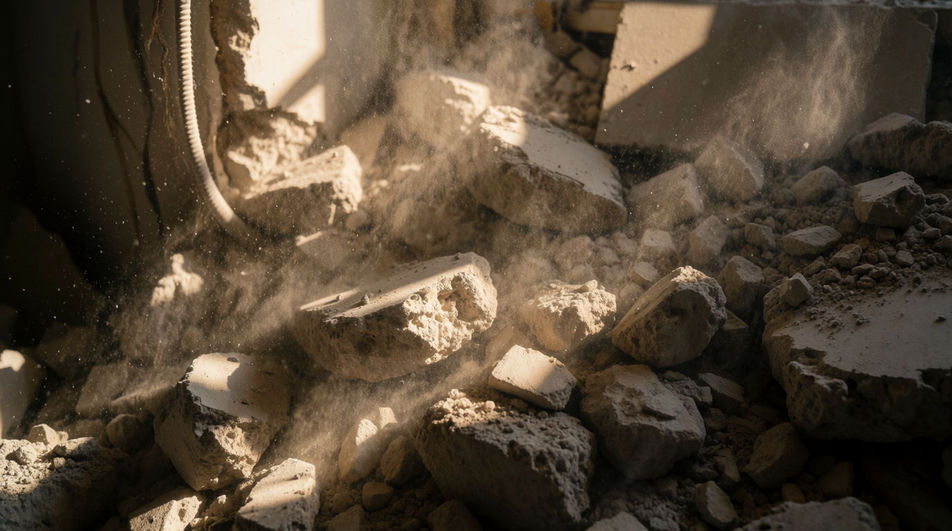
Loose fragments shifting on their own paint a derelict factory or a bombed-out street, doing more for a location than a wide shot usually can.
Edit prompt
Rubble tumbling somewhere out of frame tells listeners the disaster is spreading, a cheap and convincing way to widen a scene in film or radio.
Edit prompt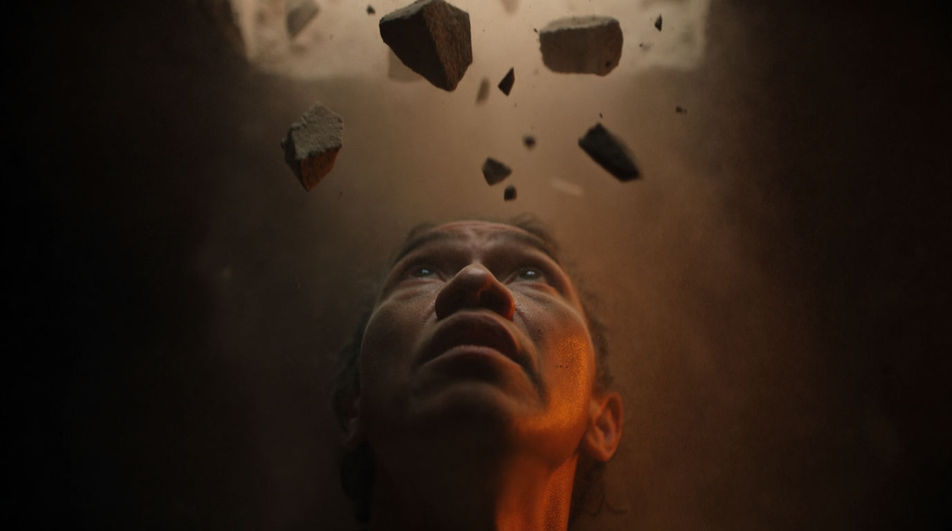
Crash sound effect
Generate crash sound effects with Morphic. Set the weight, material, and impact size you need for a hit that lands in the mix.
Crush sound effects
Generate crush sound effects with AI on Morphic. Describe the sound, pick a variation, and download MP3 or WAV for your video, game or podcast.
Dagger sound effects
Generate dagger sound effects with AI on Morphic. Describe the sound, pick a variation, and download MP3 or WAV for your video, game or podcast.
Damage sound effects
Generate damage sound effects with AI on Morphic. Describe the sound, pick a variation, and download MP3 or WAV for your video, game or podcast.
Get started for free today, with the option to upgrade or cancel anytime.
Basic
2400 monthly credits
1 user only
All models
Workflows
Standard
3625 monthly credits
1 user only
All models
Workflows
Pro
6350 shared monthly credits
1 user
All models
Workflows
Max
24650 shared monthly credits
1 user
All models
Workflows
Enterprise
For higher limits
Custom
pricing and billing terms

Free
For playing around
$0
forever free