Punctuate a wrong answer or a failed attempt
Two flat tones dropping in pitch mark the failure on the exact frame it happens, which is what a quiz segment, a puzzle game, or a form validation all need.
Edit prompt
The sound a system makes when the answer is no. Generate a denial at the pitch, harshness and length your interface needs, from a soft refusal to a flat buzzer.


Two flat tones, the second lower than the first. The drop is what makes it read as refusal rather than notification, and it is the cue most products should start from.

One harsh gritty tone that stops dead, with nothing musical about it. Use it when the refusal is meant to feel institutional rather than helpful.

Two dull rounded knocks with no bright edge at all. It says the action failed without implying the person did something wrong, which is what most modern apps are after.

Three tones climbing quickly, which reads as escalation rather than a simple no. It suits the second or third failure in a row better than the first one.

A bright bell-like strike with a sour interval underneath it. The tuning is deliberately wrong, which is what gives older computer errors their particular sting.

One tone that simply refuses to stop. Where the short cues mark a single failed action, this one says the system itself is in trouble and nobody has come to reset it.
Pick a starting point, edit anything you like, then generate it in Morphic.
Two flat tones dropping in pitch mark the failure on the exact frame it happens, which is what a quiz segment, a puzzle game, or a form validation all need.
Edit promptA soft refusal gives a quiet walkthrough something to react with. It keeps a tutorial recording or an animated demo moving where the picture alone goes flat.
Edit prompt
A gritty buzzer sets the register before anyone speaks. Games and thrillers use it the same way, to say the machine in this world was never built to help you.
Edit prompt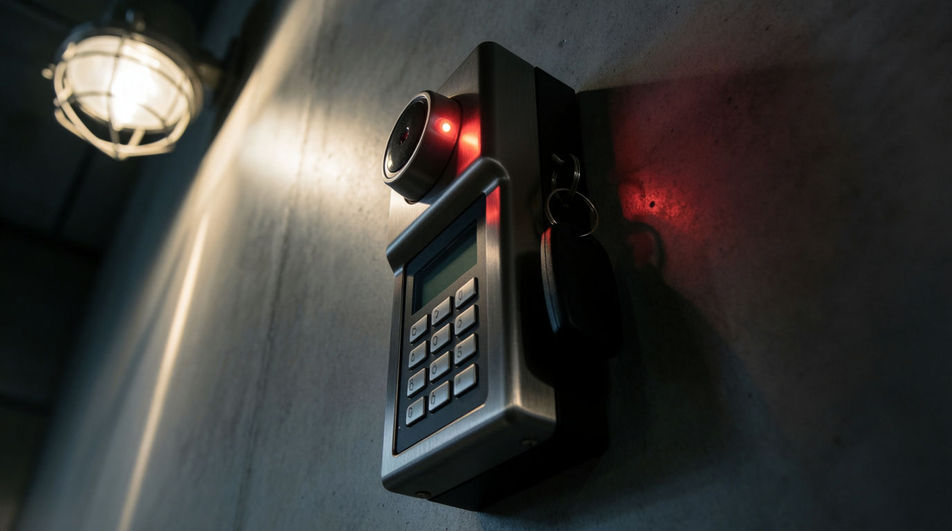
A fault tone running unbroken suggests a room, a locked door, and nobody coming. The camera can stay on a face and the failure still lands.
Edit prompt
Tech sound effects
Generate tech sound effects with AI on Morphic. Describe the sound, pick a variation, and download MP3 or WAV for your video, game or podcast.
Technology sound effects
Generate technology sound effects with AI on Morphic. Describe the sound, pick a variation, and download MP3 or WAV for your video, game or podcast.
Text message sound effects
Generate text message sound effects with Morphic. Set the tone, length, and brightness you need for interface audio that feels considered.
Texting sound effects
Generate texting sound effects with AI on Morphic. Describe the sound, pick a variation, and download MP3 or WAV for your video, game or podcast.
Get started for free today, with the option to upgrade or cancel anytime.
Basic
2400 monthly credits
1 user only
All models
Workflows
Standard
3625 monthly credits
1 user only
All models
Workflows
Pro
6350 shared monthly credits
1 user
All models
Workflows
Max
24650 shared monthly credits
1 user
All models
Workflows
Enterprise
For higher limits
Custom
pricing and billing terms

Free
For playing around
$0
forever free