Make an injury land on the exact frame
A dry snap on the frame of the break sells damage the picture never has to show. Games and animation depend on it, since neither can film the moment for real.
Edit prompt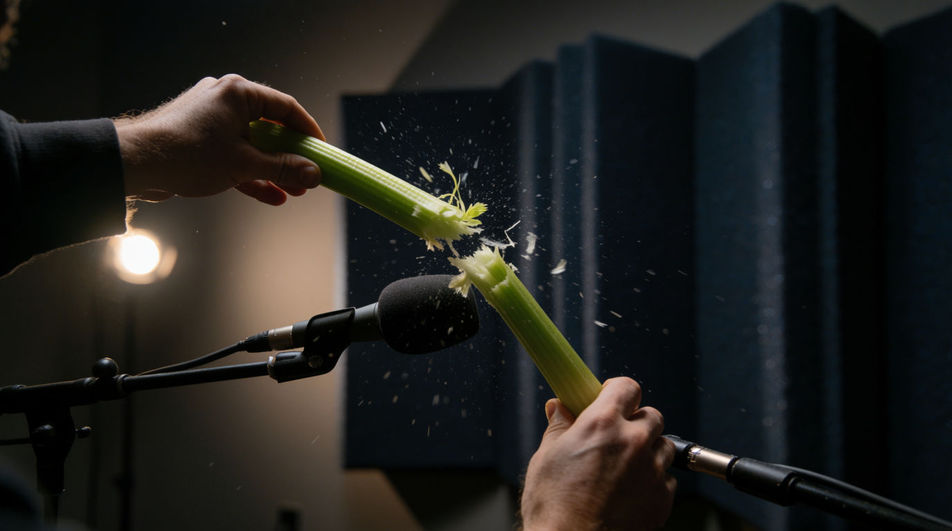
This page covers mature themes for adult audiences making film, games and other creative work.
The practical layer a horror feature runs on: bone, blood, bodies, and stairs. Generate each element to spec rather than hunting a library for the one that nearly fits.

A single splintering crack with a brittle scatter behind it. The card most horror cuts want first, because the scatter after the break is the part an audience actually flinches at.
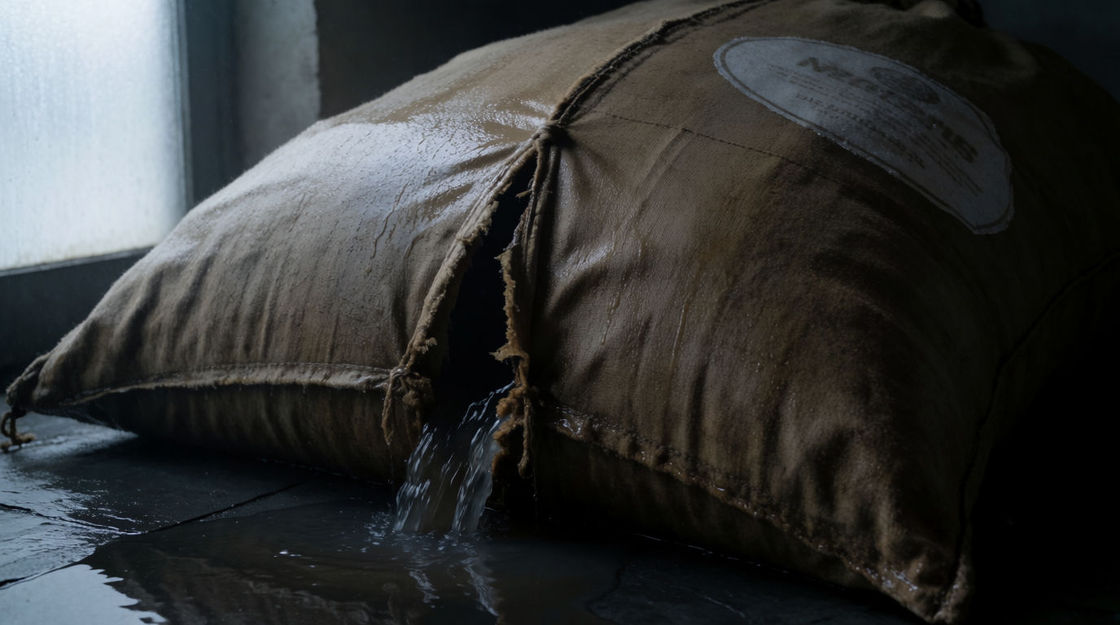
Four seconds of thick ripping that gives way in stages rather than all at once. Staged tearing reads as resistance, and resistance is what makes it sound like a body rather than cloth.
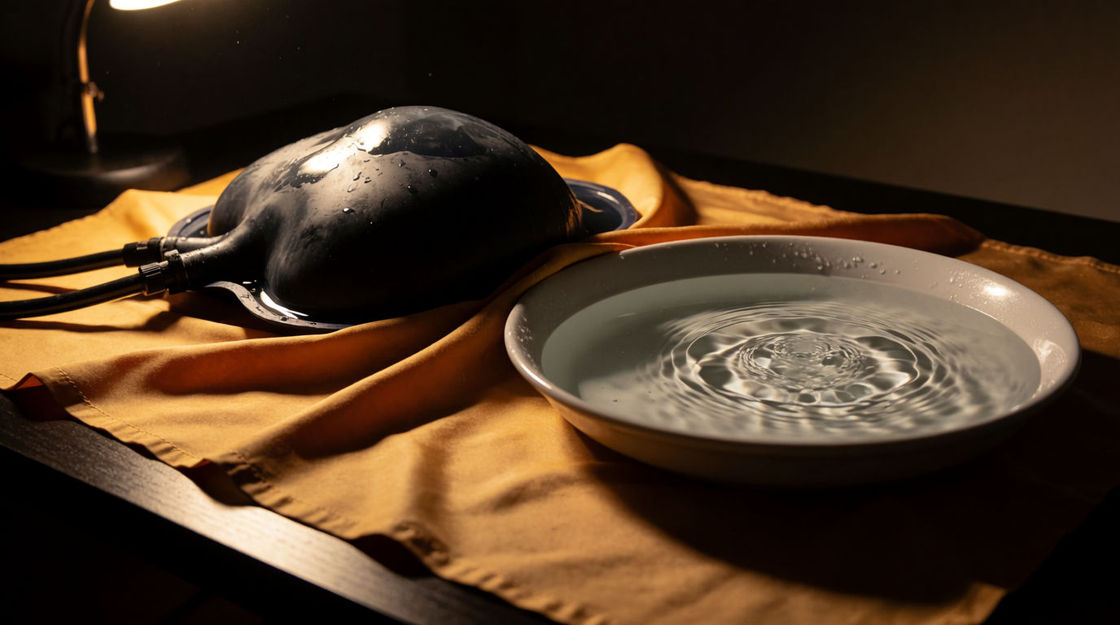
A slow double thud that gradually gains pace across twelve seconds. The acceleration does the tension by itself, so a scene can build with nothing else added to the track.
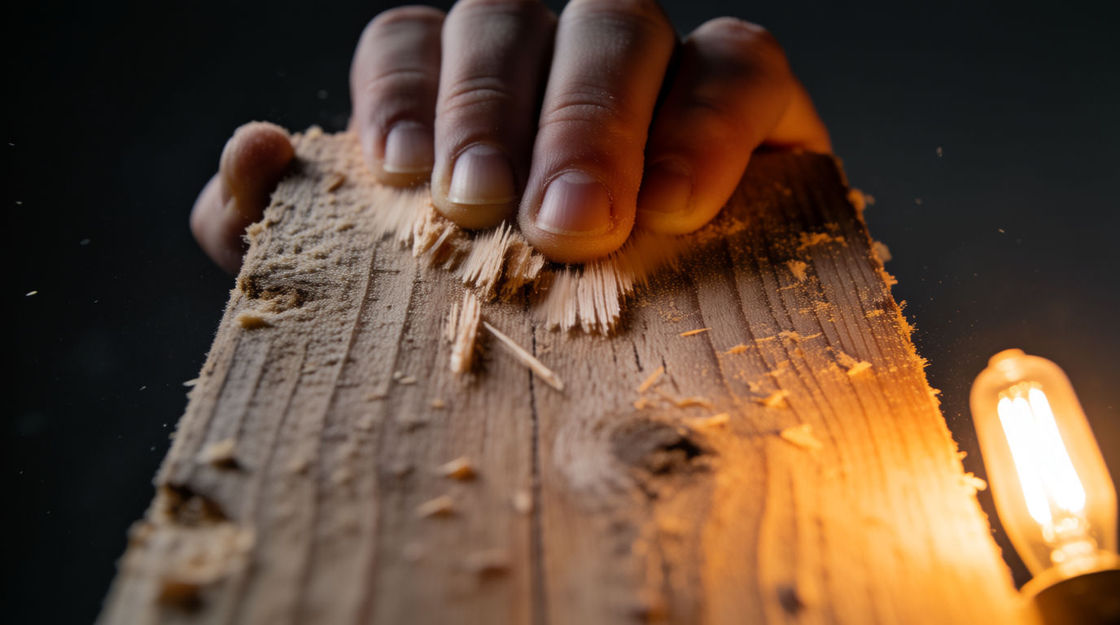
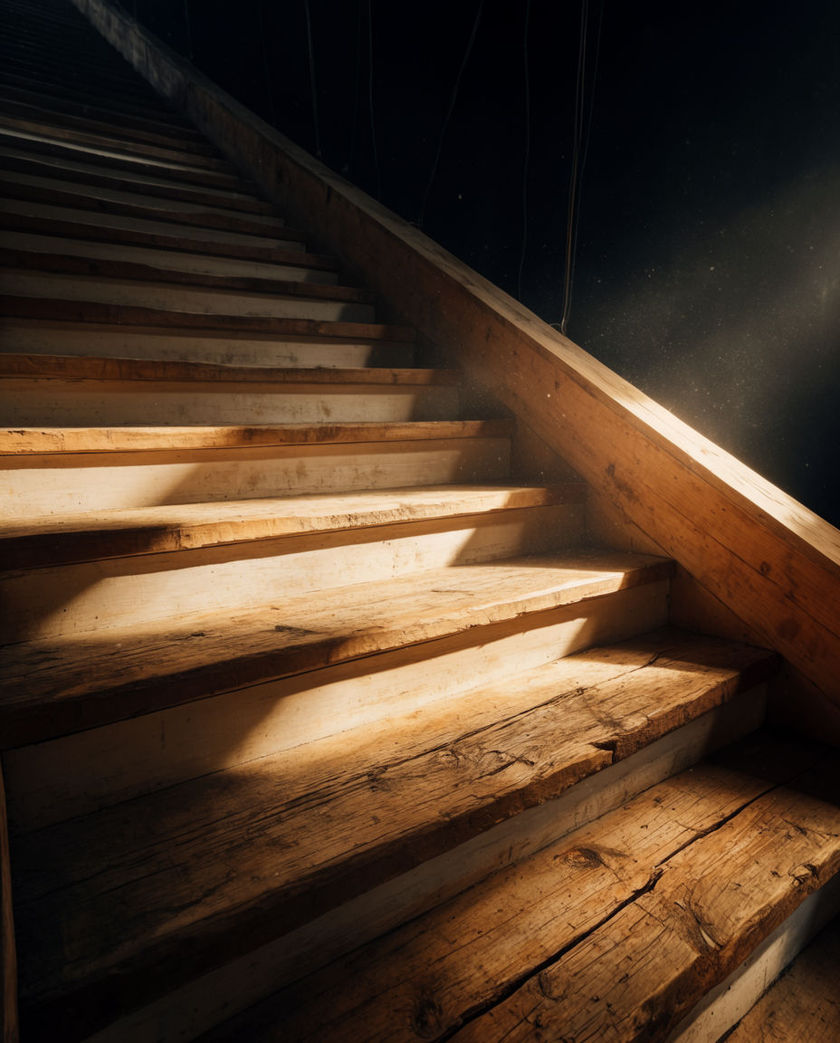
Four fingernails dragged down dry timber, catching as they go. It is thin and bright, so it cuts through a dense track at low level where the heavier cards would need space cleared.
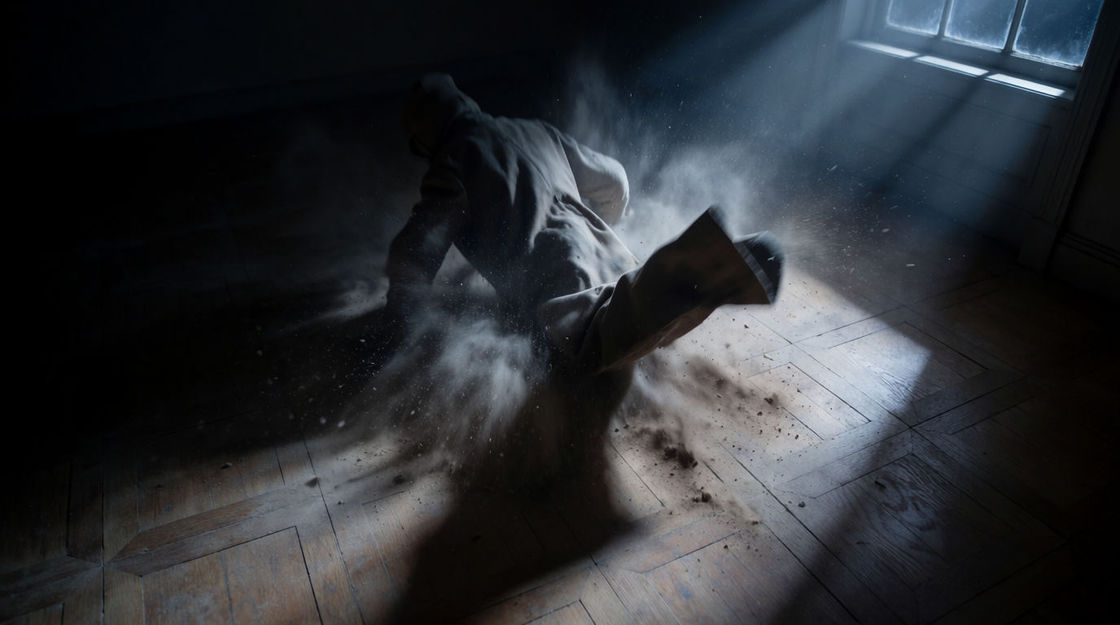
A full adult weight dropping onto boards, with the floor answering afterwards. That secondary rattle is what separates a body from a sack, and it is worth asking for explicitly.
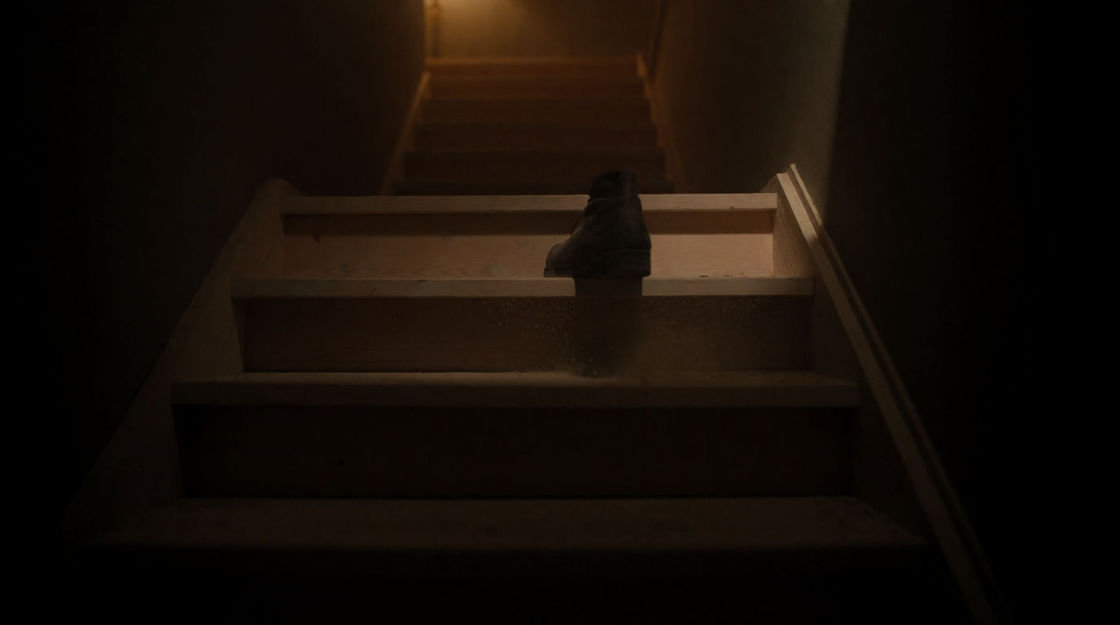
Six dulled footfalls with a faint echo, each closer than the last. Distance is written as tone here rather than volume, which is why it still works after a mixer levels the track.
Pick a starting point, edit anything you like, then generate it in Morphic.
A dry snap on the frame of the break sells damage the picture never has to show. Games and animation depend on it, since neither can film the moment for real.
Edit promptTwelve seconds of quickening heartbeat carry a held frame with no score at all. It does the same job in an audio series or a slow game corridor as it does on film.
Edit prompt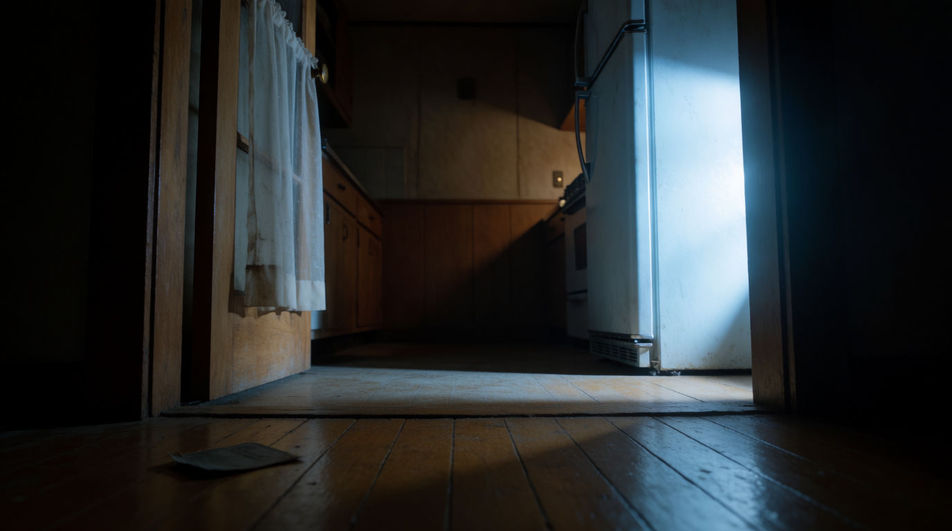
Nails catching on unfinished timber say bare wood, no plaster, nobody maintaining it. One texture sets the condition of a whole location before the camera has moved.
Edit prompt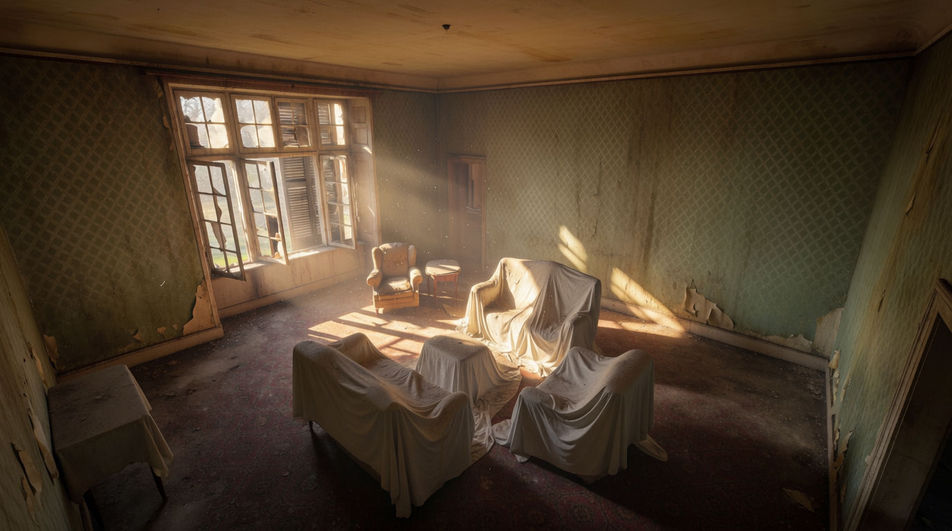
Six dulled footfalls arriving closer put an intruder in the scene while the camera stays on a face. It is the oldest trick in the genre and still the cheapest to build.
Edit prompt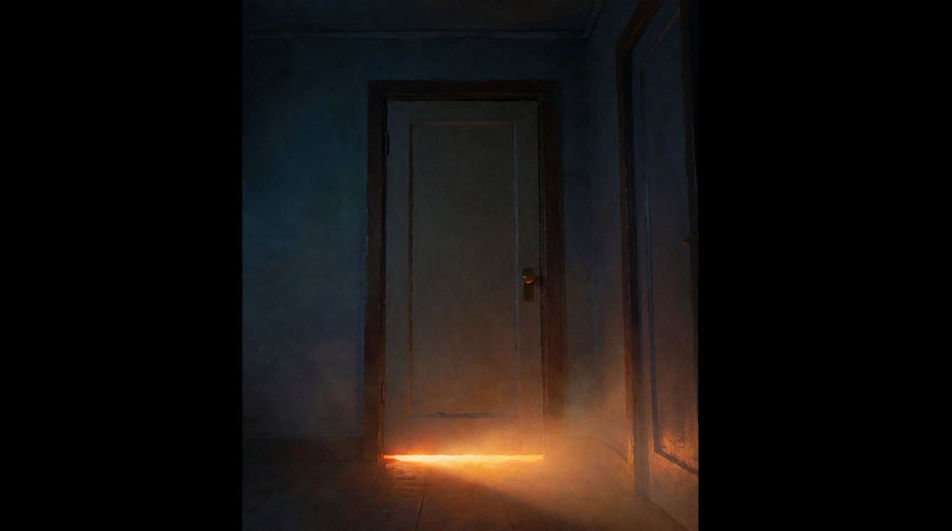
Horror sound effects
Drones, stingers, whispers, and sudden hits. Morphic generates horror sound effects that fit your scene instead of fighting it.
Horror stinger sound effects
Horror stinger sound effects for the frame where the shape appears: string stabs, brass hits and screeching metal, ready to cut into your edit.
Whispers sound effects
Whisper sound effects for horror scenes, close breathy voices, layered murmurs and a name spoken behind you, ready to drop under your dialogue track.
Intense sound effects
Generate intense sound effects with AI on Morphic. Describe the sound, pick a variation, and download MP3 or WAV for your video, game or podcast.
Get started for free today, with the option to upgrade or cancel anytime.
Basic
2400 monthly credits
1 user only
All models
Workflows
Standard
3625 monthly credits
1 user only
All models
Workflows
Pro
6350 shared monthly credits
1 user
All models
Workflows
Max
24650 shared monthly credits
1 user
All models
Workflows
Enterprise
For higher limits
Custom
pricing and billing terms

Free
For playing around
$0
forever free
Everything on this page is fictional depiction for film, games and creative work. It does not depict real events, and does not place real, identifiable people in them.
Results vary by model. Some models apply stricter content policies than others, so a shot one model declines may generate on another.